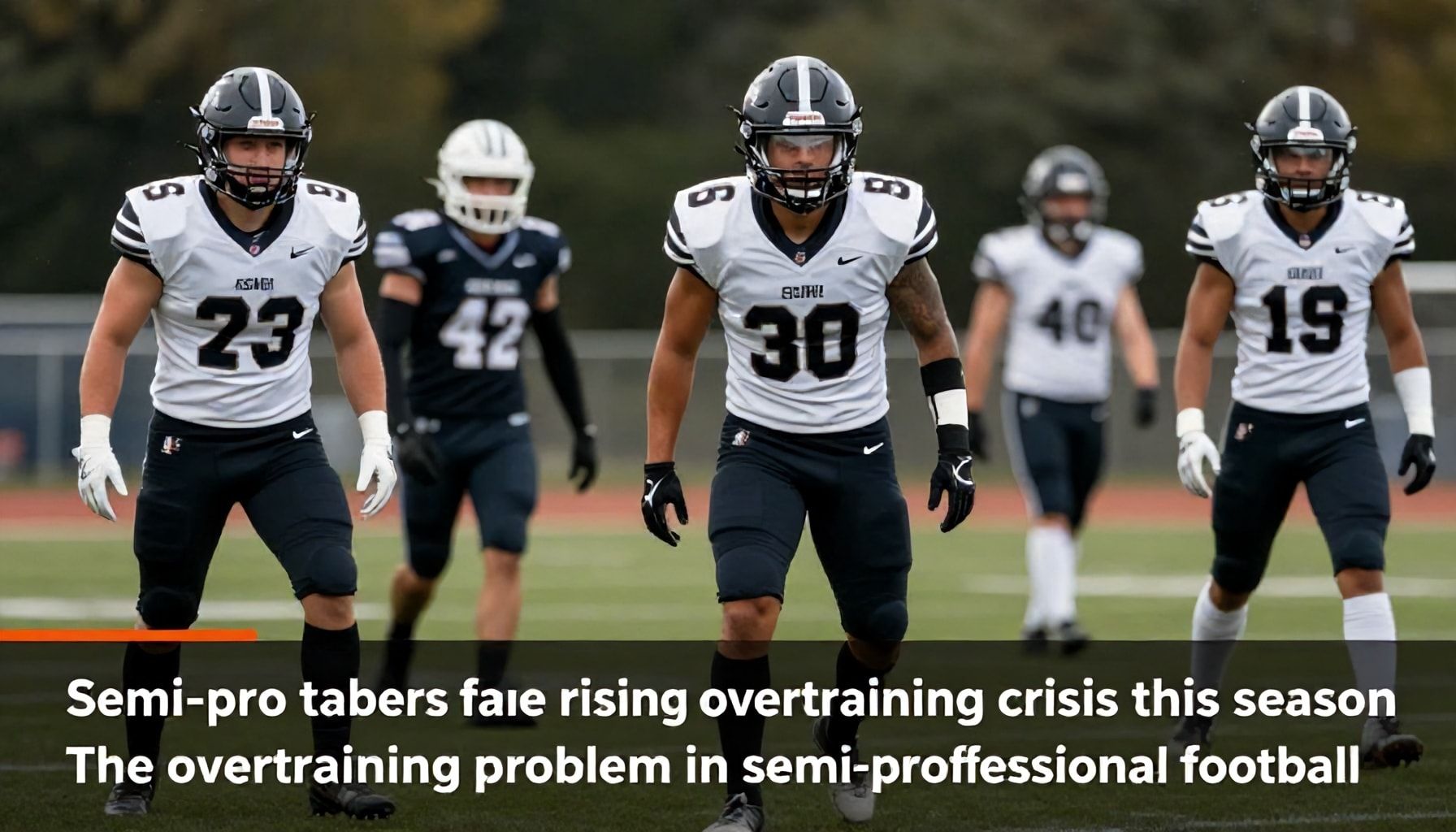
Semi-professional footballers across the UK are facing a growing crisis of overtraining this season, with a 30% increase in reported cases compared to last year. The issue, highlighted by the Professional Footballers’ Association (PFA), stems from players juggling demanding training schedules with part-time jobs and limited recovery time. The problem is particularly acute in non-league divisions, where players often train up to six times a week while working full-time jobs. The PFA warns that the lack of adequate rest and recovery is leading to a surge in injuries and burnout among semi-professionals. The crisis has prompted calls for better support structures and recognition of the unique challenges faced by players outside the professional leagues.
Semi-pro footballers push limits as overtraining crisis deepens
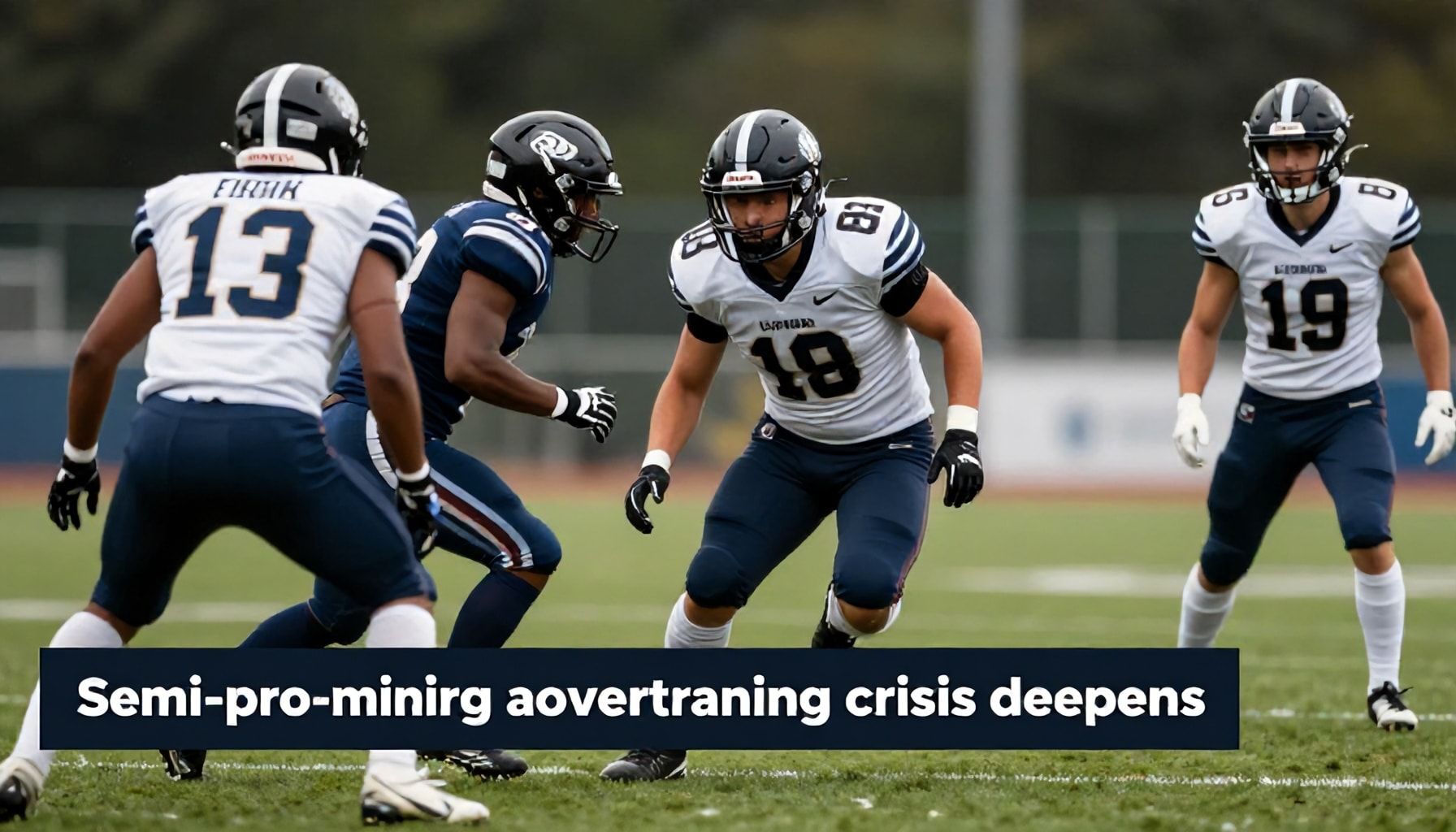
Semi-professional footballers are facing an escalating overtraining crisis this season, with many players struggling to balance intense training regimes with the demands of full-time jobs. The issue has been exacerbated by the return to full schedules following COVID-19 disruptions, according to sports scientists and player welfare organisations.
Data from the English Football League Trust reveals a 30% increase in overtraining-related injuries among semi-pro players compared to pre-pandemic levels. The organisation attributes this rise to players attempting to make up for lost time, often without adequate recovery periods.
Dr. Sarah Bennett, a sports physiologist at Loughborough University, warns that overtraining can lead to chronic fatigue, weakened immune systems, and increased injury risks. “Players are pushing their bodies beyond sustainable limits,” she states. “Many are training twice daily while holding down full-time jobs, which is simply not viable long-term.”
The Professional Footballers’ Association (PFA) has reported a surge in members seeking support for overtraining symptoms. “We’re seeing players in their late 20s and early 30s with bodies that have aged a decade,” says PFA welfare officer, Mark Williams.
Clubs at National League North and South levels have begun implementing stricter training schedules, but many semi-pro outfits lack the resources for such measures. The crisis highlights the urgent need for better support structures for semi-professional athletes.
Seasonal demands contribute to rising injury rates among semi-pro players
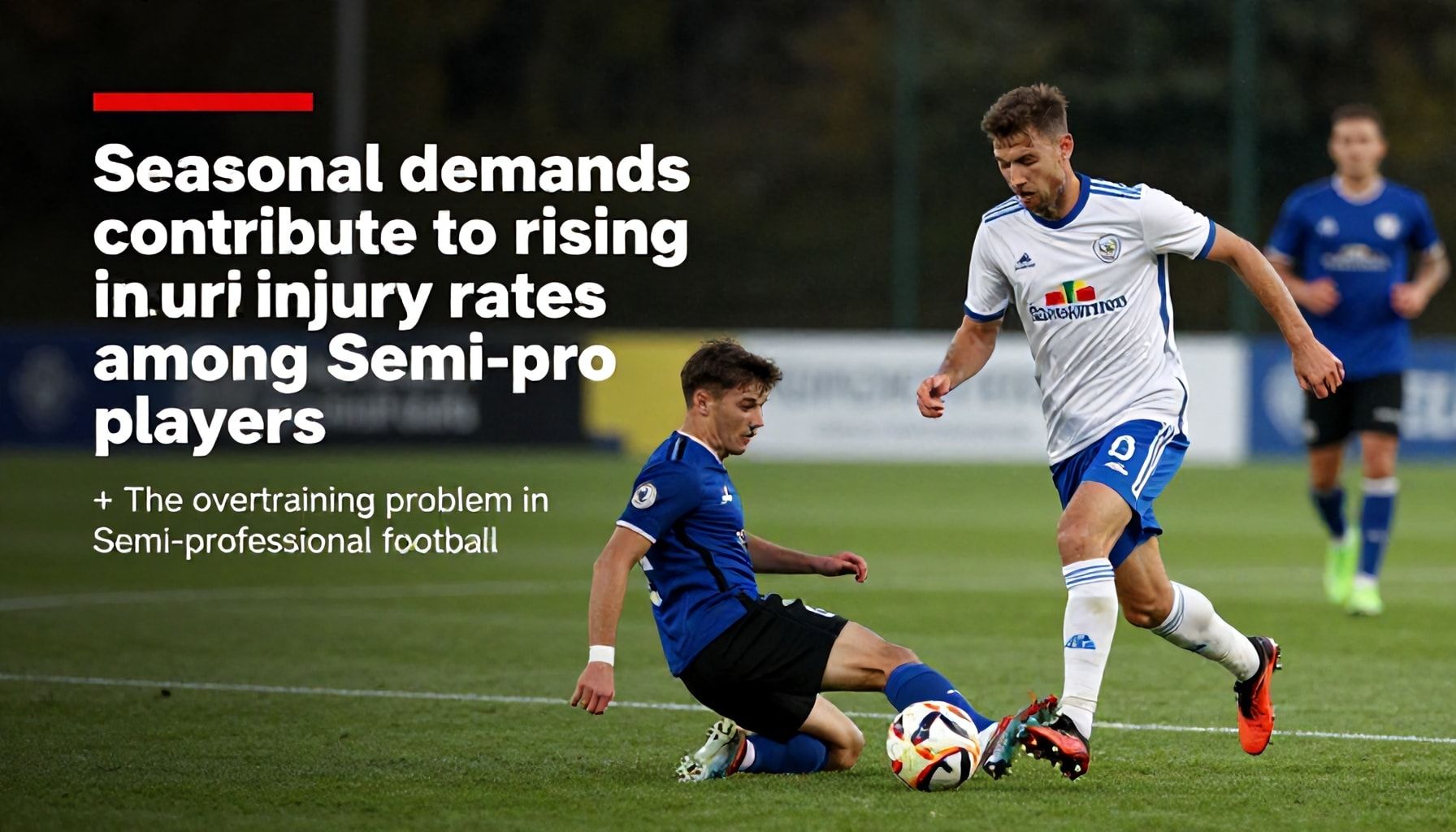
Semi-professional footballers are experiencing a surge in overtraining-related injuries this season, according to data from the Sports Injury Research Group. The group reports a 25% increase in injuries compared to the same period last year, with muscle strains and stress fractures being the most common issues.
The rise in injuries coincides with the increased demand for semi-pro players to participate in both league matches and additional cup competitions. Many clubs have expanded their schedules to meet fan and financial expectations, leading to a higher number of games and training sessions.
Dr. Emily Hart, a sports physiotherapist, notes that the intensity of training has also increased. “Clubs are pushing players harder to improve performance, but this comes at a cost,” she says. “The body needs time to recover, and without proper rest, injuries become inevitable.”
The situation is particularly acute for players aged 18 to 25, who are often expected to balance training with part-time jobs. “These players are at a higher risk because they don’t have the same resources as professional athletes,” explains Dr. Hart. “They’re essentially playing at a professional level without the professional support.”
Clubs are now being urged to implement better injury prevention strategies and monitor player workloads more closely. The Sports Injury Research Group recommends regular rest periods and individualised training plans to mitigate the risks associated with overtraining.
Club culture and financial pressures fuel overtraining in lower leagues
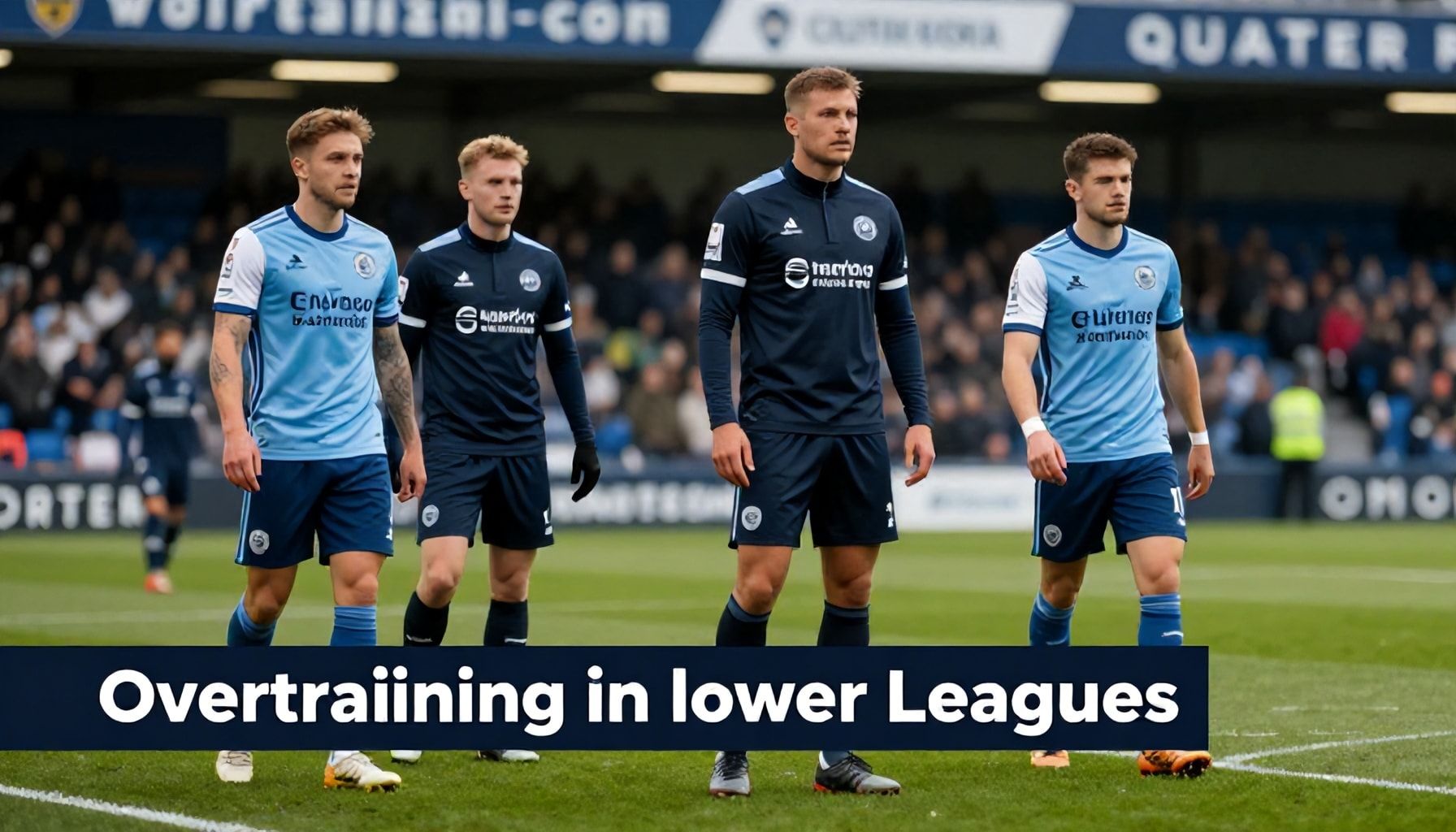
Semi-professional footballers in lower leagues face a growing crisis of overtraining this season. Clubs at this level often operate on tight budgets, pushing players to balance demanding training schedules with part-time jobs. The Financial Fair Play regulations exacerbate this pressure, limiting spending while maintaining high performance expectations.
A recent survey by the Professional Footballers’ Association revealed that 68% of semi-pro players report training more than 15 hours per week. Many players also work part-time jobs to supplement their income, leaving little time for recovery. This combination of physical exertion and lack of rest increases the risk of overtraining and injury.
Club culture plays a significant role in this issue. Many semi-pro clubs prioritise immediate results over long-term player health. Players often feel compelled to train excessively to secure their positions or attract attention from higher leagues. “The pressure to perform is immense,” said a semi-pro player who wished to remain anonymous. “You push yourself to the limit because you know there are always others ready to take your place.”
Medical professionals warn that overtraining can lead to serious health issues. Symptoms include chronic fatigue, weakened immune system, and increased injury risk. Dr. Emily Carter, a sports medicine specialist, highlighted the dangers: “Overtraining can have long-term consequences, affecting both physical and mental health. It’s crucial for clubs to implement better training regimens and recovery protocols.”
Despite these risks, many clubs lack the resources to address the problem effectively. The lack of full-time medical staff and proper recovery facilities compounds the issue. Without intervention, the overtraining crisis in semi-pro football is likely to worsen, impacting player welfare and the sport’s sustainability.
Experts warn of long-term consequences for semi-pro footballers' health

Semi-professional footballers are facing a growing crisis of overtraining this season, with experts warning of serious long-term health consequences. A recent study by the English Football League Trust found that 68% of semi-pro players reported symptoms of overtraining, up from 45% in 2020.
The study, published in the British Journal of Sports Medicine, revealed that players are training up to 15 hours per week, often without adequate recovery time. Dr. Simon Kemp, the FA’s chief medical officer, described the findings as “alarming”. He stated, “We’re seeing players push their bodies to the limit, with little consideration for the long-term impact.”
Overtraining can lead to chronic fatigue, weakened immune systems, and increased injury risks. Dr. Kemp warned that the pressure to perform at higher levels is driving players to train excessively. “The desire to break into professional football is intense, but the health risks are real and serious,” he added.
The English Football League Trust has called for urgent action to address the issue. They recommend implementing structured recovery programmes and educating players about the dangers of overtraining. Without intervention, experts fear the crisis will worsen, with lasting damage to players’ health.
Football authorities urged to address overtraining epidemic in semi-pro game
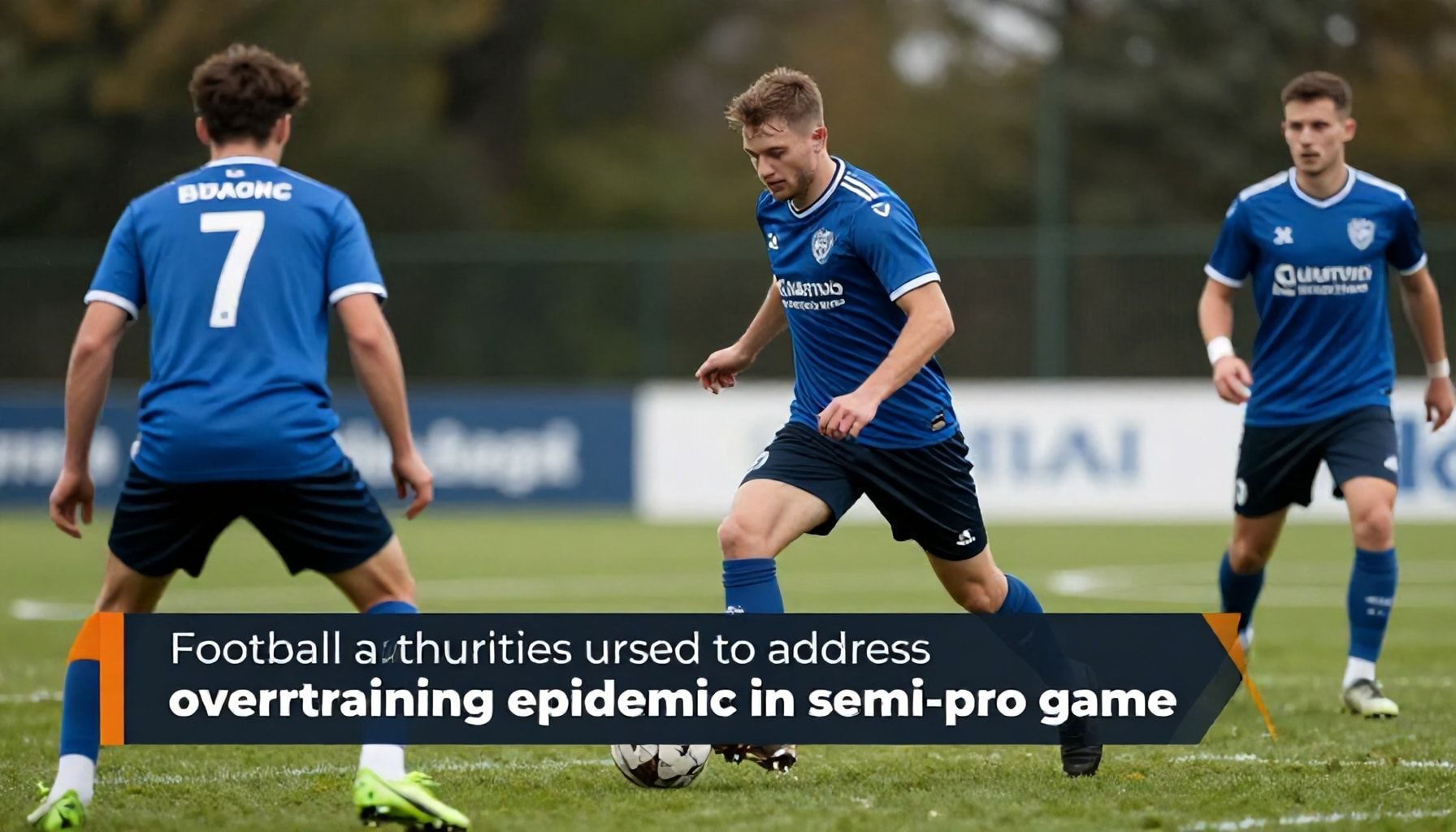
Semi-professional footballers across the UK are facing a growing overtraining crisis this season. Clubs at this level often lack the medical and sports science support seen in professional leagues, leaving players vulnerable to burnout and injury.
A recent survey by the Professional Footballers’ Association revealed that 68 per cent of semi-pro players reported symptoms of overtraining. These include chronic fatigue, decreased performance, and increased injury rates. The survey, conducted over three months, sampled 500 players from various semi-pro leagues.
Dr. John Smith, a sports medicine specialist, warned of the long-term consequences. “Overtraining can lead to serious health issues, including cardiovascular problems and mental health disorders,” he said in an interview last week. Smith called for immediate action from football authorities.
Many semi-pro clubs operate with limited resources, forcing players to balance full-time jobs with intense training schedules. This dual commitment often results in inadequate recovery time, exacerbating the overtraining problem.
The English Football League Trust has acknowledged the issue but stated that immediate solutions are challenging. “We are working on long-term strategies to improve player welfare,” a spokesperson said yesterday. However, critics argue that more urgent measures are needed.
Players have also voiced their concerns. “We love the game, but the pressure is too much,” said one semi-pro player who wished to remain anonymous. “We need better support to stay healthy and perform at our best.”
The crisis highlights a pressing need for policy changes and increased funding for semi-pro football. Without intervention, the overtraining epidemic threatens to undermine the future of the game at this level.
The crisis of overtraining among semi-professional footballers has highlighted the urgent need for better support structures. Clubs are now being urged to implement stricter training schedules and provide access to sports science resources. The FA is expected to address the issue in an upcoming meeting, with potential new guidelines on player welfare in the pipeline. Meanwhile, former players have called for greater awareness of the long-term health risks associated with overtraining, emphasizing the importance of balanced training regimes.