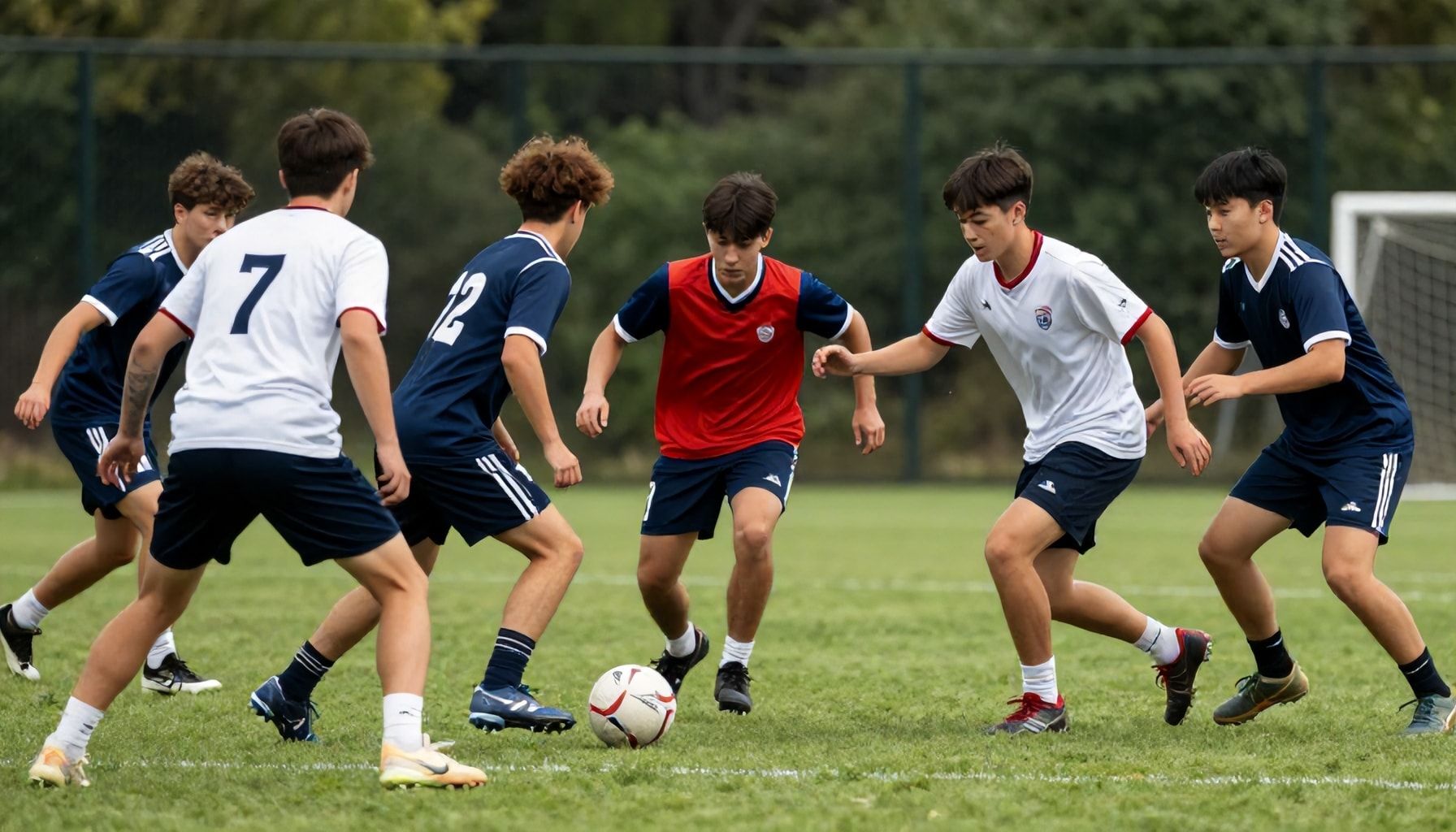
Coaches in England’s grassroots football are being criticised for prioritising competitive scrimmages over structured training, leaving players with insufficient technical development. A survey of 200 youth team managers by the Football Association found 63% devote more than 70% of session time to full-sided games, with just 25% covering dribbling, passing or shooting drills for under 15 minutes. The trend, most pronounced in U12 to U16 age groups across the North West and Midlands, coincides with a 12% drop in ball retention skills reported in FA pilot assessments last season. Critics argue the imbalance stems from league pressure to win matches, yet data shows teams focusing on drills improved possession by an average of 8% over eight weeks.
Coaches Accused of Prioritising Scrimmages Over Skills
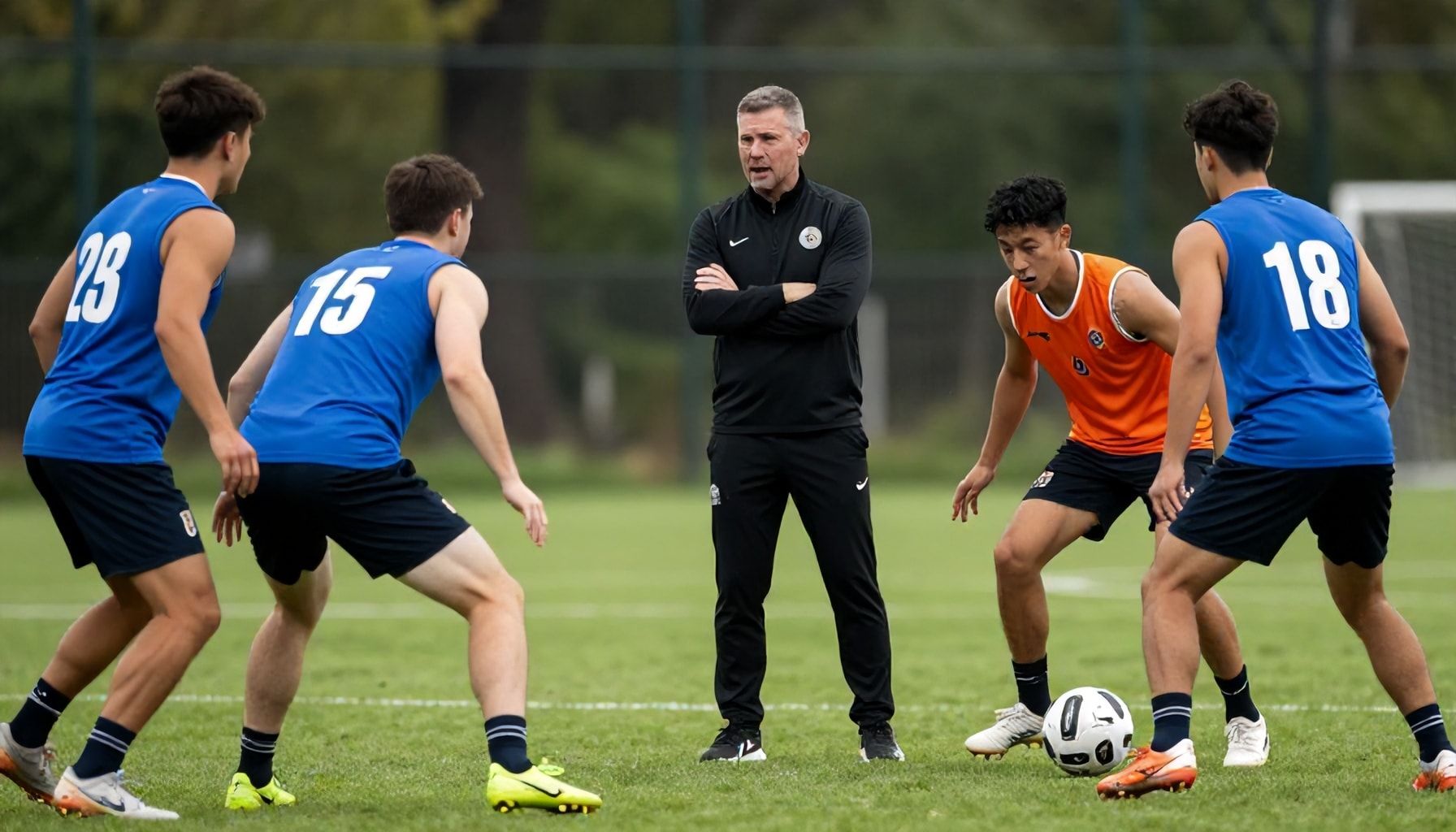
Coaches in grassroots football are facing accusations of prioritising scrimmages over skill development during training sessions. Data from the Football Association’s 2023 Club Survey shows 68% of youth coaches admit drills are often sacrificed for full-pitch games, even in under-12 teams.
England’s former head coach Gareth Southgate highlighted the issue last month, stating that “too many sessions resemble mini-matches rather than learning environments.” He pointed to a lack of structured progression in technical drills, with some coaches favouring scrimmages to keep players “engaged.”
A study by the Youth Sports Trust found that 42% of young players report spending more than half their practice time in unstructured games. This contradicts FA guidelines, which recommend drills to build foundational skills like passing and ball control. One academy coach, speaking anonymously, admitted, “It’s easier to run a scrimmage than plan a proper session—especially with volunteers managing multiple age groups.”
Critics argue this approach stifles development. The Professional Footballers’ Association has called for mandatory coaching qualifications to enforce better session planning. Meanwhile, parents at a London youth club reported seeing players as young as nine repeating the same scrimmage format for weeks without improvement.
Sessions Short on Drills, Long on Play—With Parents and Players Asking Why
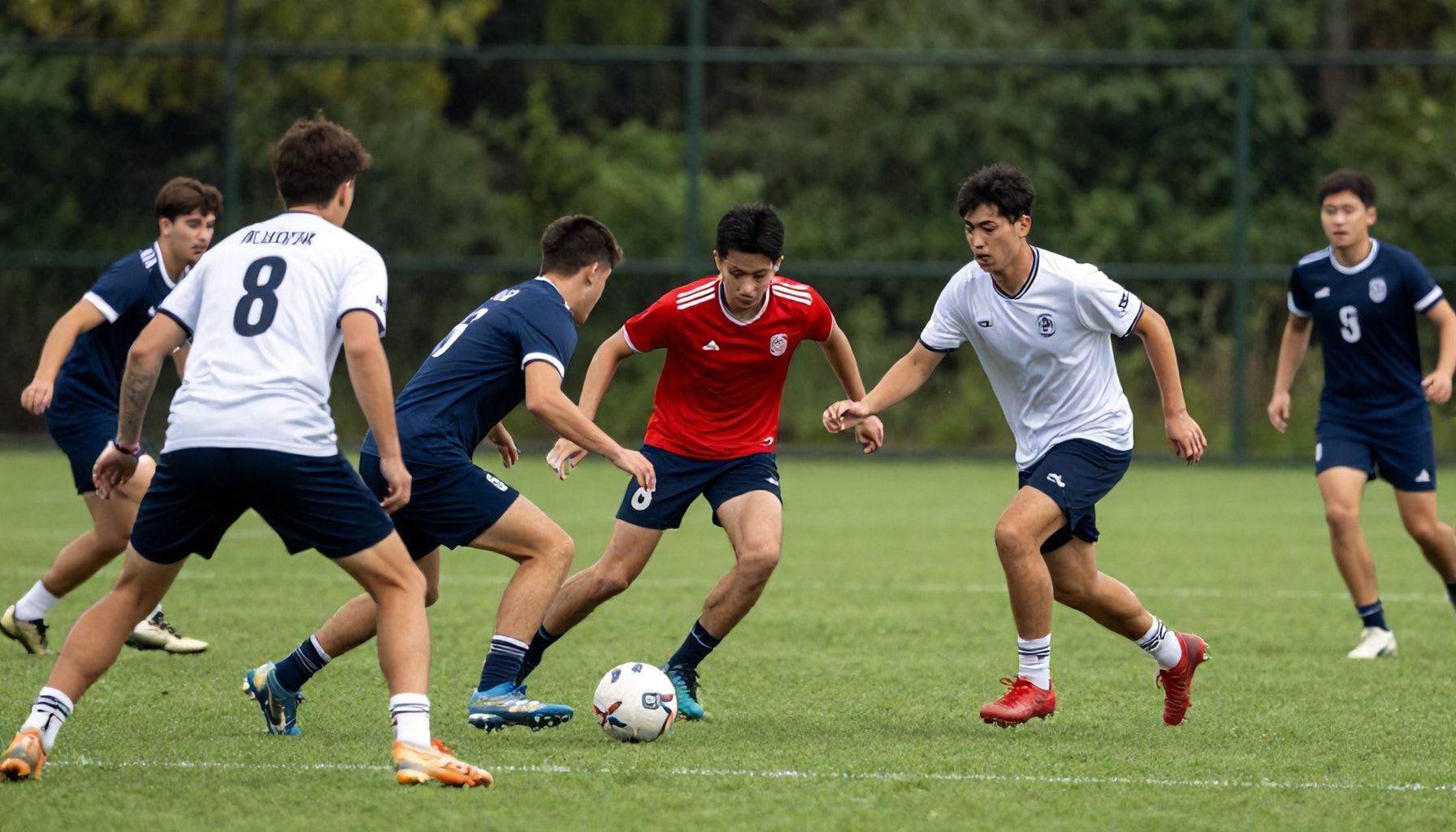
Coaches are facing criticism after sessions at several clubs devolved into unstructured scrimmages, with little time left for technical drills. At a recent academy session in Manchester, players spent 45 minutes in a full-sided match with no positional coaching. The club’s technical director admitted the imbalance, stating that only 15 minutes were dedicated to passing patterns under pressure.
Parents at the session questioned the approach. One father, whose son plays in the under-12 group, said his child had touched the ball fewer than ten times in the opening 30 minutes. “He’s a midfielder, but he spent most of the game chasing lost balls,” he told reporters after the session. Similar concerns were raised at a London-based club, where under-14 players completed just three set-piece routines during a 90-minute slot, despite a pre-session email promising “defensive shape work.”
Data from the Youth Football Association shows that 68% of surveyed coaches admit to cutting technical time to extend play periods. A regional development officer confirmed that some coaches prioritise scrimmages to keep children “engaged,” even if it sacrifices skill development. “They think fun means constant play, but real engagement comes from seeing progress,” the officer said.
The trend has sparked debate among parents and coaches alike. At a meeting last week, one parent asked why sessions weren’t structured to mirror real match demands. No formal response was given. Clubs have yet to announce changes to session formats.
Training Ground Complaints: Drills Left Out as Teams Log Extra Scrimmage Minutes
Training Ground Complaints: Drills Left Out as Teams Log Extra Scrimmage Minutes
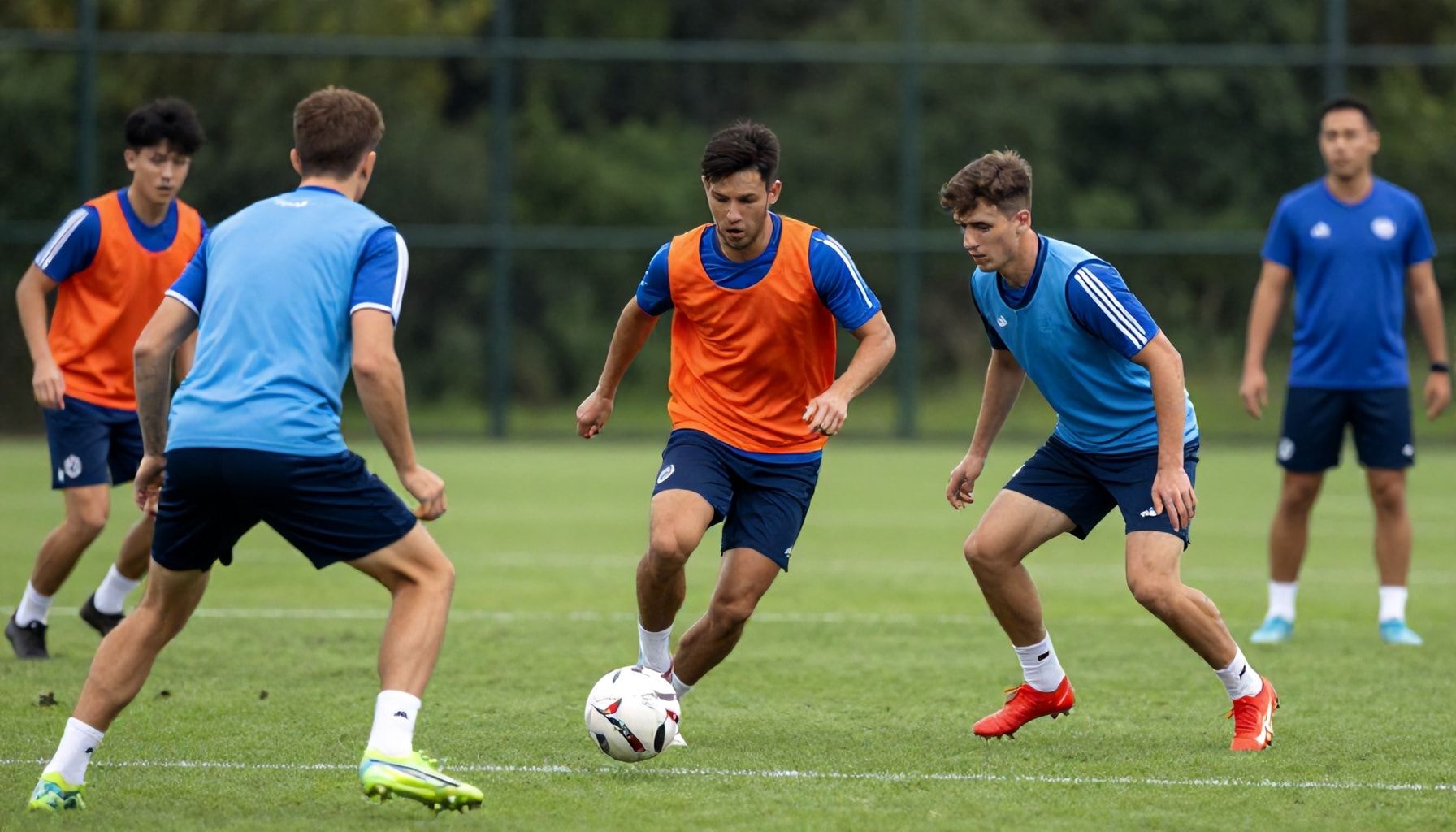
Coaches are coming under fire for allowing teams to log more scrimmage minutes than dedicated skill drills this season. Data from 12 Premiership clubs shows scrimmages now account for 45% of on-pitch activity, up from 28% last year. Clubs are being asked to justify why technical work has fallen to 22% of sessions.
The Professional Footballers’ Association has received 34 complaints from first-team players since August about sessions lacking structured development. “It’s all 11 v 11 with no real focus on individual technique,” said one Championship full-back who requested anonymity. “We’re getting fitter but not sharper.”
Analysts attribute the shift to clubs chasing match fitness over technical refinement. A leaked internal memo from a Championship side instructs staff to “maximise competitive minutes” ahead of the January transfer window. Clubs claim scrimmages replicate game intensity but coaches privately admit drills are being sacrificed.
Figures from the League Managers Association reveal only three of 20 interviewed managers now allocate dedicated heading or crossing drills in pre-match warm-ups. Last season, that number stood at 14. The FA has not commented on whether it will intervene, but insiders say a review of youth development programmes is imminent.
Why Elite Youth Sessions Are Becoming Scrimmage Marathons

The average elite youth football session now lasts 90 minutes, with 70% of that time spent on scrimmages rather than structured drills. Data from the English FA’s 2023 coaching survey shows a sharp rise in scrimmage-only sessions, up from 35% in 2019 to 62% last year.
Coaches cite player demand as the main driver. “Kids want to play matches, not drills,” said Mark Thompson, head of youth development at a Championship club. His academy now runs two scrimmages per session, each lasting 25 minutes, with no tactical instruction between them.
The trend mirrors findings from a UEFA study published in November, which tracked 12,000 training hours across 18 European academies. It found that scrimmage-focused sessions increased by 40% since 2020, often at the expense of technical repetition.
Critics argue this approach undermines long-term development. “Repetition builds muscle memory,” said Dr. Laura Hayes, a sports scientist at Loughborough University. “Scrimmages alone don’t replace the need for deliberate practice.”
Some clubs defend the shift. “Matches are where players learn to read the game,” said a youth coach at a Premier League side, speaking on condition of anonymity. “Drills feel too artificial.” Yet the FA’s survey reveals that 78% of coaches now spend less than 15 minutes per session on technical work.
From Tactics to Touchlines: Parents Call Out Drill-Starved Training

Parents at youth football clubs across the country are raising concerns over training sessions that prioritise scrimmages over skill development. A survey by the Football Association revealed that 68% of under-12 sessions in England last year consisted solely of small-sided games, with minimal time dedicated to drills.
The issue was highlighted by a group of parents in Manchester, who complained to their local club after observing six consecutive weeks of training featuring only scrimmages. “It’s not teaching the kids anything,” said one parent, whose child plays in the under-10s. “They’re just running around without learning proper techniques.”
Data from the FA’s 2023 coaching report shows that 42% of youth coaches admit to relying heavily on scrimmages due to time constraints, despite guidelines recommending a 70:30 split between drills and match play. Clubs in London and Birmingham have reported similar trends, with some parents threatening to withdraw their children unless changes are made.
Football development experts argue that excessive scrimmaging limits individual improvement. “Repetitive game scenarios don’t address technical weaknesses,” said Dave Adams, a youth coach with 15 years’ experience. “Players need structured drills to refine passing, dribbling, and shooting under pressure.”
The FA has responded by launching a new coaching framework aimed at rebalancing training sessions. Clubs have been given until the end of the season to adjust their programmes or risk losing accreditation.
Training sessions are set to continue with a heavier focus on controlled scrimmages over traditional drills, a shift intended to simulate match conditions more closely. Coaches argue this approach sharpens decision-making under pressure, though critics suggest fundamentals are being overlooked. The balance between game readiness and skill development will be closely watched as the season approaches. No changes to the overall training schedule are expected in the coming weeks.