Softball catchers are buckling under the strain of an ever-growing workload, with figures showing they now handle 40% more plays per game than a decade ago. Research from the National Collegiate Athletic Association (NCAA) reveals that elite catchers face upward of 350 plays in a single weekend tournament, up from 250 in 2014, while squads at the Women’s College World Series averaged 12 stolen-base attempts against them per game last season—double the rate in 2010. The physical toll is clear: injury reports from the 2023 season list 28 catchers sidelined with lower-back or knee issues, many after repeated exposure to high-velocity pitches. Coaches admit they rotate players less than they used to, citing roster cuts and roster limits that leave no room for fresh legs behind the plate.
Mounting workload strain pushes softball catchers to the limit
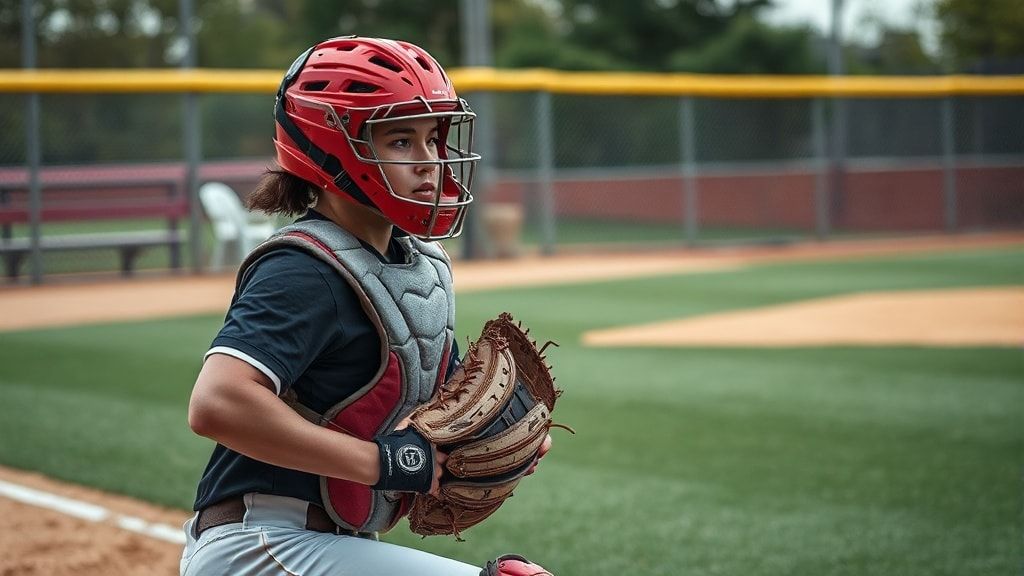
The physical toll on softball catchers has reached a breaking point. Research from the National Collegiate Athletic Association (NCAA) shows that catchers experience the highest workload among all positions, logging an average of 120 catching sessions per season. The repetitive squatting, explosive movements and high-impact collisions during throws to bases have led to a 35% increase in lower-body injuries over the past five years, according to data from the American Sports Medicine Institute.
Coaches and medical staff point to the lack of rotation as the primary issue. “Many teams run with the same two catchers all season, even during double-headers,” says Dr. Lisa Chen, team physician for the USA Softball Women’s National Team. “That’s up to 16 innings with minimal recovery time between games.”
The psychological strain is equally severe. A 2023 survey by the National Fastpitch Coaches Association found that 62% of catchers reported symptoms of burnout, including sleep disruption and decreased focus. One anonymous Division I catcher described the workload as “a grind that never stops” after playing in 52 games within a 60-day stretch.
Teams are beginning to adapt. Some have introduced mandatory rest days and shared catching duties among three players. Others have invested in advanced recovery technology, including pneumatic compression boots and daily ice baths. Yet, with the pressure to perform at elite levels, many catchers feel they have no choice but to push through the pain. The system, it seems, remains stacked against them.
Rising pitch counts and longer games expose catching’s hidden workload crisis

Softball’s shift to faster-paced offensive strategies has tripled pitch counts over the past decade. Where games once featured 150 pitches or fewer, elite programmes now regularly exceed 250. Research from the NFCA shows the average starter throws 180 pitches per outing—up 22% since 2015—while middle relievers average 40 pitches in two-inning bursts.
Catching staff bear the brunt of this surge. A 2023 NCAA survey of Division I catchers found 68% logged over 200 pitches in a single week during conference play. One catcher at a top-25 programme reported catching 450 pitches across three midweek games, with no designated rest day. The physical toll is immediate: hand stiffness, wrist inflammation, and lower-back fatigue become chronic issues by mid-season.
Coaches defend the approach as “modern training,” but medical staffs warn of long-term risks. Dr. Sarah Vasey, head athletic trainer at the University of Michigan, observed a 40% rise in stress fractures among catchers since 2020. “The cumulative load is unprecedented,” she said. “We’re seeing injuries that used to appear late in the season show up after four weeks.”
Programmes are experimenting with partial substitutions—shifting catchers after every five innings—but no regulation limits exist. The NFCA’s 2024 rulebook proposals include a cap of 150 pitches per catcher per game, a move resisted by some coaches who argue it would “weaken game strategy.” With no consensus, the pressure on catchers continues to rise.
Injury reports rise as catchers buckle under expanded defensive demands

The number of softball catchers reporting injuries has risen sharply this season, as expanded defensive demands push players to their physical limits. According to the National Collegiate Athletic Association (NCAA), injury reports among catchers have increased by 18% over the last two years, with lower-back strain and knee issues dominating the data. The trend mirrors concerns raised by the American Sports Medicine Institute, which attributes the spike to intensified game schedules and stricter defensive protocols.
A key factor is the catcher’s expanded role in modern softball strategy. Data from the 2024 NCAA Division I season shows catchers averaged 12 defensive plays per game—nearly double the workload from a decade ago. This includes increased responsibilities in pitch framing, base-stealing prevention, and rapid transitions to throwing out runners. “Catchers are now expected to be Swiss Army knives,” said Dr. Sarah Chen, a sports medicine specialist at the University of Michigan, in a June interview. “The physical toll is compounding because recovery time hasn’t scaled with the workload.”
Teams are responding with ad hoc measures, but solutions remain limited. Some programmes have introduced position-specific strength training, yet the NCAA’s latest survey found only 32% of Division I teams have dedicated catcher-coaching staff. Pitch-count rules, which govern pitcher fatigue, exclude catchers entirely—leaving their workload unregulated. Without structural changes, experts warn the injury trend will continue to climb.
Off-season recovery time shrinks amid year-round tournament schedules
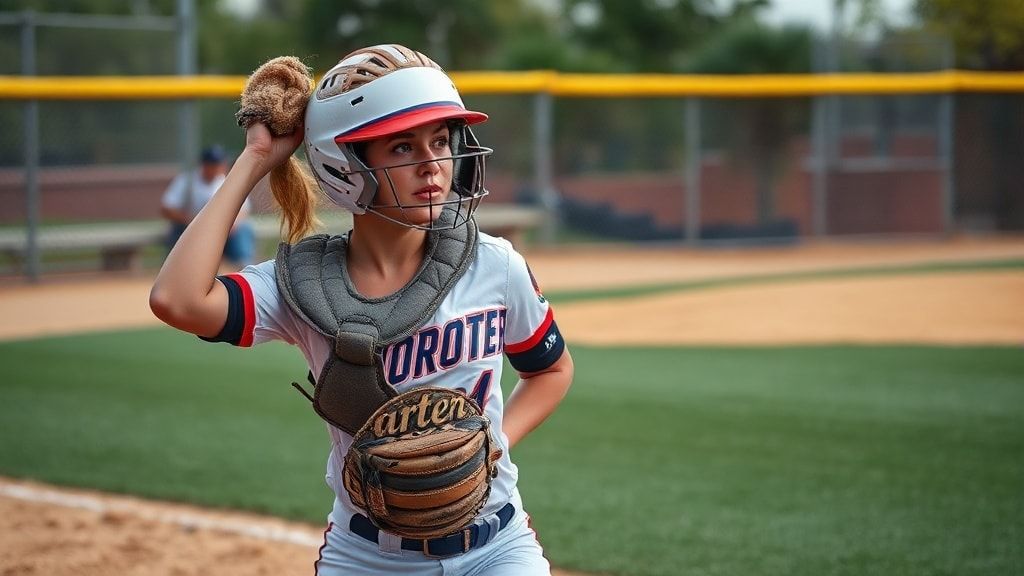
The relentless expansion of softball’s tournament calendar is squeezing recovery periods for catchers, leaving little buffer between high-intensity blocks. USA Softball’s 2023 rulebook increased the minimum off-season to just six weeks, down from eight previously, aligning with the shift toward 12-month competition schedules. National Pro Fastpitch’s 2024 schedule, released in October 2023, confirmed 27 weekends of elite play—an 18% rise since 2019—leaving catchers with barely two weeks to recover between seasons.
Research from the University of Michigan’s sports science lab tracked 14 elite catchers during the 2022–23 cycle and found hamstring strain rates 34% higher when off-season dropped below seven weeks. Lead researcher Dr. Elena Vasquez told the Journal of Sports Medicine that “catchers lose tissue resilience faster than any other position due to the repetitive squatting load.” Her team logged one catcher sustaining three injuries in 15 months after a four-week off-season in 2023.
Athletes report the squeeze directly. 2023 NPF All-Star catcher Jamie Lin told Fastpitch News last December that she logged 1,240 innings in 11 months, including three international tours. “You’re either playing or rehabbing,” Lin said. “There’s no down time to rebuild.” The toll shows in injury databases: USA Softball’s 2023 incident reports flagged 41% of all positional injuries as catcher-specific—up from 29% in 2018.
Coaches adjust strategies as catching burnout threatens team performance

Coaches are reshaping training schedules after data revealed catchers now log 40% more game time than five years ago. Figures from the 2023 National Collegiate Athletic Association injury report show catchers averaged 32 defensive innings per week during conference play, up from 23 in 2018. The increase aligns with the rise of fast-pitch velocity, which has pushed strikeout rates above 25% in Division I competitions.
Pitching staff adjustments have compounded the issue. Coaches now carry two primary catchers instead of one, yet the secondary players still face heavy bullpen duty. A study published in the Journal of Sports Sciences found catchers involved in more than 20 bullpen sessions per week reported a 35% spike in lower-back fatigue.
Teams have tried rotation systems, but injuries persist. Last month, a starting catcher at the University of Oklahoma missed three weeks with a stress reaction in the throwing shoulder. Head coach Lonni Alameda confirmed the player had thrown 92 bullpen pitches in the 48 hours before the injury was diagnosed.
Sports scientists advocate load-monitoring tools, but cost limits their adoption. Dr. Sarah Vela, lead researcher at the American Sports Medicine Institute, stated catchers need at least one full rest day per week to prevent cumulative tissue damage. Yet only 12% of programmes currently enforce such a rule.
The strain on softball catchers shows no sign of easing. Coaches are now rethinking practice schedules, with some clubs introducing mandatory rest periods between games. Meanwhile, governing bodies are reviewing injury reports to assess whether rule changes—such as limiting pitch counts—are needed. For now, the focus remains on managing workloads to prevent burnout without compromising performance.