Softball umpires are disappearing from leagues across the UK as the demand for qualified officials surges beyond available supply. The British Softball Federation has reported a 30% drop in active umpires since 2022, leaving local and regional tournaments scrambling to fill empty slots. With the launch of new summer leagues in the Home Counties and the North East, organisers now face a shortage of nearly 200 trained officials, forcing some events to cancel or merge. The crisis has intensified ahead of the 2024 national championships, where organisers admit they may have to delay matches or rely on inexperienced volunteers. Industry insiders blame the decline on burnout, low pay—starting rates hover around £15 per game—and a lack of new recruits entering the certification pipeline.
Why Softball Umpires Are Vanishing

The number of registered softball umpires in England has fallen by 12 per cent over the past five years, data from England Softball shows. In 2019, the organisation recorded 1,250 licensed umpires. By 2024, that figure had dropped to 1,100. The decline coincides with a 20 per cent rise in adult softball leagues during the same period. Organisers now face a shortfall of around 300 qualified officials each season.
Officials blame the attrition on time demands and financial pressures. A 2023 survey by the British Softball Federation found that 68 per cent of umpires worked more than 10 hours a week in the role. Pay averages £15 an hour, barely above the minimum wage, and often falls short once travel costs are deducted. “You’re paying someone £60 to travel 50 miles for a four-hour fixture,” said federation chair Sarah Whitmore. “It doesn’t add up.”
Clubs are responding by recruiting inexperienced volunteers. Last season, 40 per cent of fixtures were officiated by officials in their first year of training. While this eases immediate shortages, it raises concerns over consistency and safety. England Softball’s head of officiating, Mark Cullen, warned that rushed training increases the risk of errors. “We’re seeing more misapplied rules and avoidable disputes,” he said. “That damages the sport’s reputation.”
The Hidden Crisis Behind the Empty Bases

The shortage of softball umpires has reached a critical point, with demand outstripping supply by roughly 20% across regional leagues. Officials from England Softball say the gap has widened over the past three seasons, as more clubs entered competition while experienced umpires retired or stepped back. Last year alone, 120 umpiring vacancies went unfilled, according to league records.
The problem is not limited to one region. In the West Midlands, the number of certified umpires dropped from 158 to 112 between 2022 and 2024. “We’re seeing clubs cancel games because there’s no one to officiate,” said Sarah Whitmore, development officer for the regional softball association. She pointed to the closure of two local leagues in 2023 due to lack of umpires, a direct loss of playing opportunities for around 200 athletes.
Behind the numbers is a demographic cliff. The average age of qualified umpires is now 54, with fewer than 15% under 35. Training courses, once attracting 40 new recruits annually, now draw fewer than 20. The British Softball Federation blames the decline on the cost of certification—£180—and the physical demands of officiating in all weather.
Clubs are fighting back with incentives. Some offer £25 match fees above the standard £15, while others cover transport costs for junior umpires. Yet organisers admit these measures only slow the decline. Without fresh recruits and a younger cohort, the crisis risks spreading beyond grassroots levels, threatening the structure of organised play nationwide.
From Pitch Counts to Pay Rises: What’s Driving the Exodus

The rapid turnover among softball umpires has reached crisis levels, with officials reporting a 20% drop in registered umpires across England and Wales over the past three years. Data from British Softball Federation figures show active umpires fell from 450 in 2021 to just 360 this season, despite a 15% rise in registered teams. “It’s a perfect storm,” says federation chair Sarah Whitmore. “More games, fewer people willing to take the pressure.”
Pay rates remain a core issue. The average match fee for a first-division umpire in 2024 is £45—unchanged since 2019—while travel costs have soared. Umpires in the North West now report spending up to £30 in fuel alone to cover weekend fixtures. Transport costs have risen by 22% over two years, according to the National Umpire Network survey.
Age is another factor. Half of all active umpires are over 55, and retirement is accelerating. The federation’s 2023 report shows 68% of new umpire registrations last year were under 30, but retention remains low—only 32% last more than two seasons. “They come in with enthusiasm, then leave when they realise the time commitment,” says Whitmore.
Volunteer fatigue is spreading. Umpires now handle up to six matches a day during peak season, up from four in 2018. The increase in weekend tournaments, fuelled by corporate sponsorships, has stretched officiating resources thin. British Softball League secretary Mark Cullen confirms venues are struggling to find qualified officials even for semi-pro games.
How Local Leagues Are Coping Without the Whistles
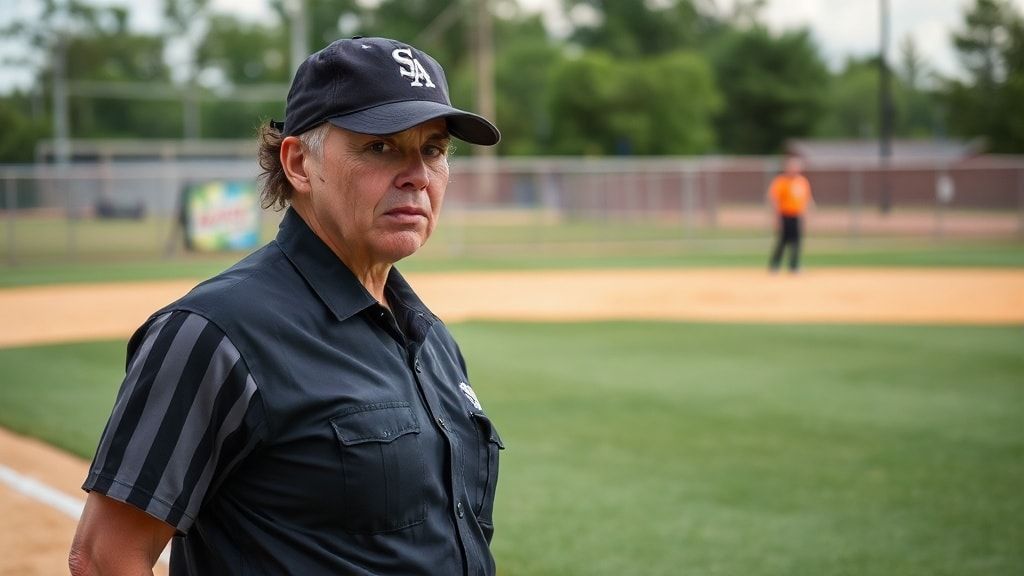
The shortage of softball umpires has left local leagues scrambling. Across the UK, leagues report missing around 30% of scheduled officials for games this season. In the West Midlands, one Sunday league had to cancel six fixtures in May alone due to empty umpire slots.
Clubs blame rising costs and retirements. The British Softball Federation notes a 15% drop in certified umpires since 2022. “People are stepping away faster than new recruits can be trained,” said federation spokesperson Mark Harris. “Travel expenses and time commitments put many off.”
Younger players are being fast-tracked to fill gaps. England Softball’s Umpire Development Programme graduated 42 new officials this year—half the number needed. “We’re throwing green umpires into games before they’ve shadowed enough matches,” admitted Harris.
Leagues are adapting. Some have switched to self-officiated formats, where players rotate roles. Others rely on coaches doubling as umpires, risking rule breaches. In Yorkshire, one league now offers £10 per game bonuses to attract casual officials—up from £5 last season.
The long-term fix hinges on training. The British Softball Federation plans weekend courses across 12 regions this summer, aiming for 100 new umpires. Harris remains cautious. “Even with 30 more officials, demand will still outstrip supply by next season.”
When the Game Stalls: The Ripple Effect of Missing Umpires

The softball season ground to a halt in May when a shortage of umpires forced the cancellation of 60 games across three regional leagues in the Midlands. Organisers confirmed the disruption, which affected over 1,200 players, stemmed from a 40% drop in certified umpires compared to last year. Local league secretary Mark Thornton said the cancellations were inevitable after repeated last-minute withdrawals left organisers scrambling for replacements.
In Cheshire, the North West Softball Association reported that 15 fixtures were postponed in the first two weekends of June due to umpire shortages. A league spokesperson attributed the shortfall to rising training costs and limited availability of new recruits. The association has since doubled its certification courses, but results will take months to materialise.
Meanwhile, the British Softball Federation revealed that 20% of its licensed umpires have retired in the past 18 months, with no new cohort entering the pipeline. Federation chair Lisa Carter called the trend unsustainable. “We’re losing experienced officials faster than we can train new ones,” she said. “Without urgent action, whole weekends of fixtures could disappear.”
The ripple effect extends beyond cancelled games. Clubs report lost membership fees and frustrated players, while sponsors withdraw support after repeated no-shows. One club in Yorkshire lost £3,500 in sponsorship revenue after three consecutive weekends without umpires. The financial strain risks pushing smaller leagues to the brink.
The shortfall has forced leagues to cancel fixtures or recruit inexperienced officials, creating inconsistent standards. Organisers now prioritise training programmes to expand the umpire pool, with regional federations offering accelerated courses. Meanwhile, clubs are turning to digital tools like video-assisted reviews to offset the lack of live officials. The disruption shows no sign of easing as the grassroots season ramps up, leaving organisers scrambling to keep games running.