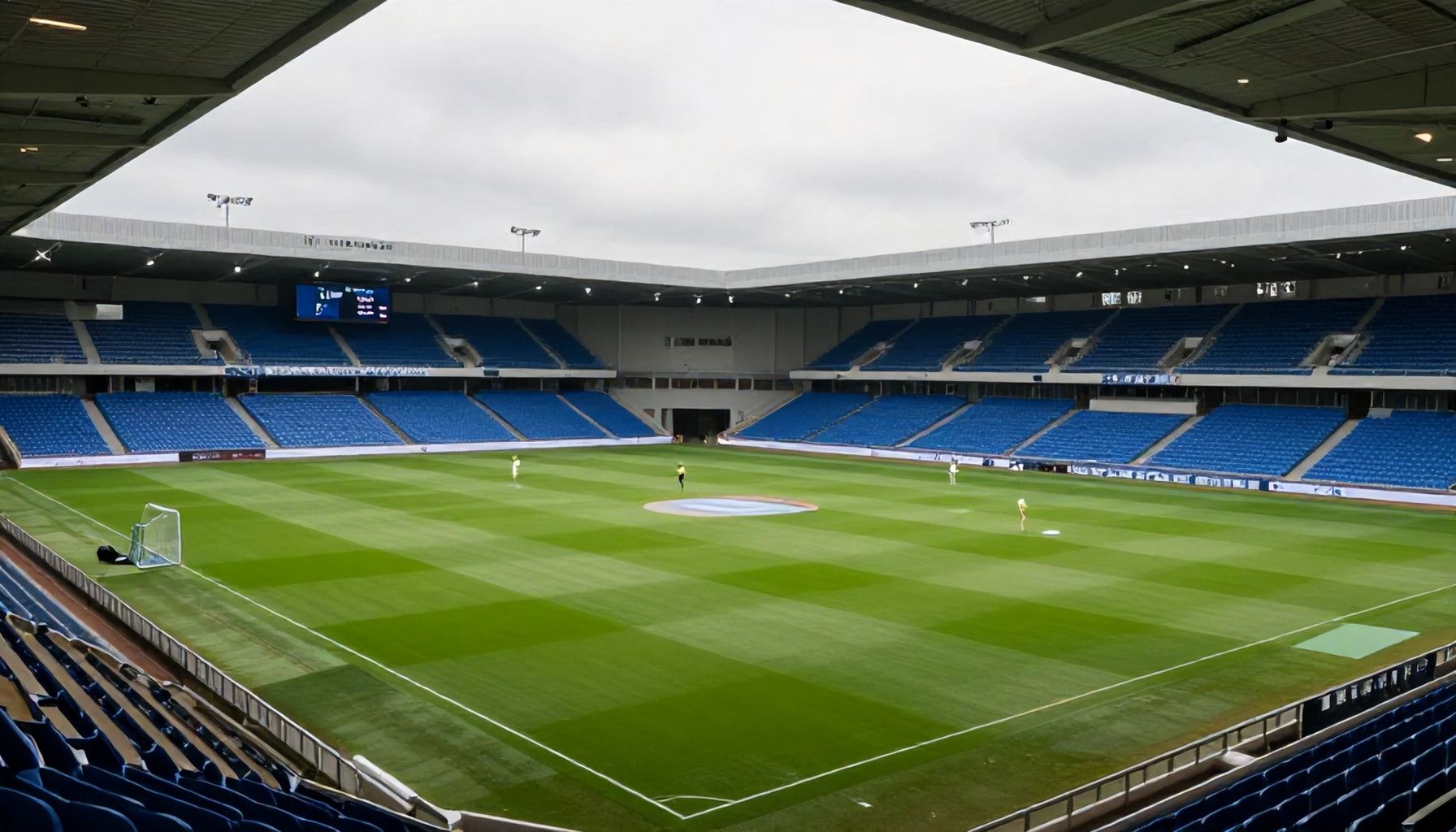
Football clubs across England are bracing for upheaval as 70% of local sports halls now double as cricket training venues this winter, according to Sport England data. The surge in demand—driven by a backlog of 2.3 million cancelled cricket sessions during 2020-2022—has created a daily scramble for 3,800 facilities already operating at 94% capacity.
Clubs in Greater Manchester, the West Midlands, and Kent report bookings collapsing by up to 40% between October and March, while cricket clubs receive priority access due to England and Wales Cricket Board funding tied to winter training targets. A spokesperson for the Football Association confirmed “multiple cancellations” in December alone, with some grassroots teams forced to train in church halls or car parks.
Sports halls face growing delays as football clubs and cricket teams clash over pitch time
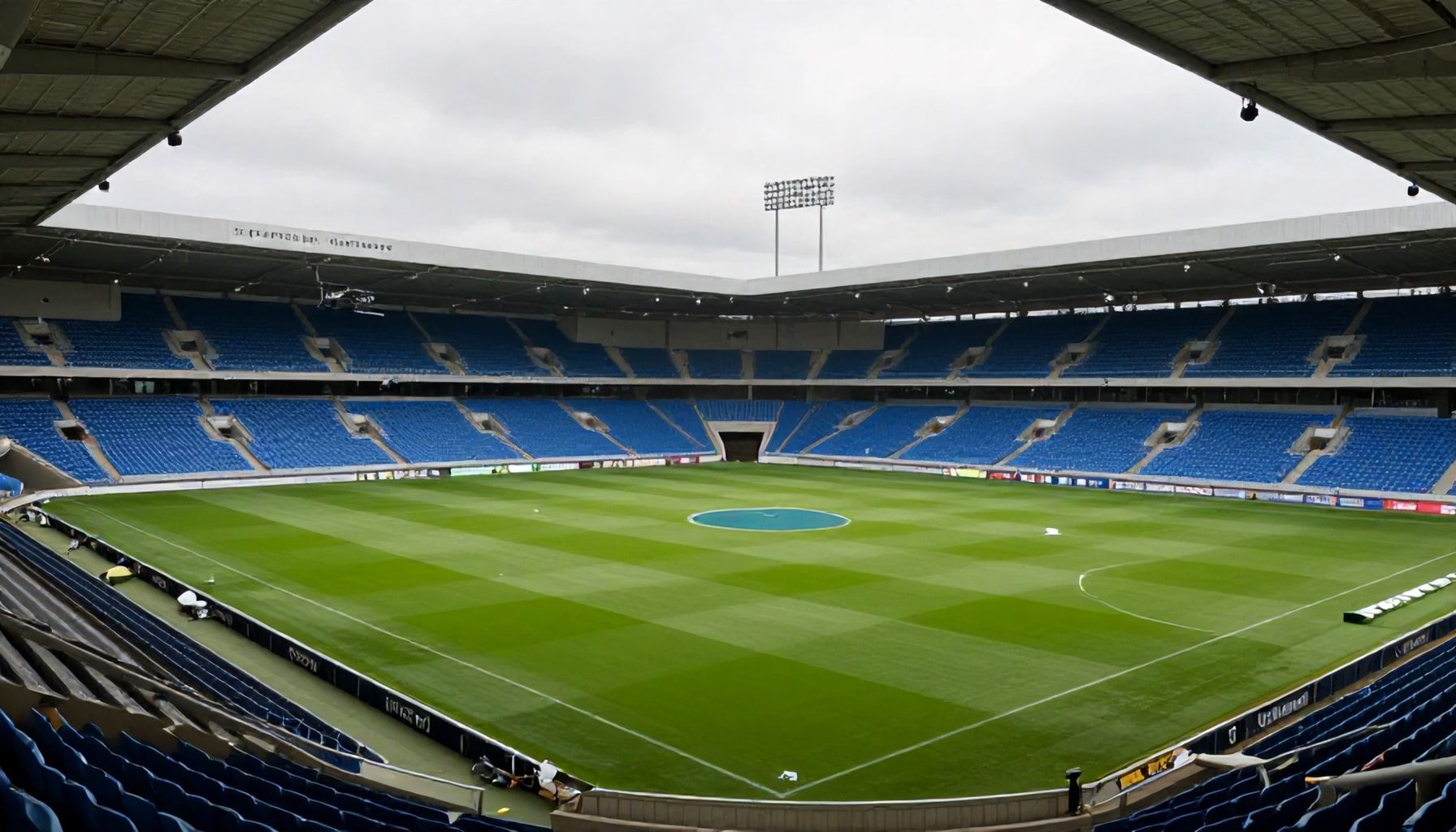
Pitch allocation disputes between football and cricket clubs have pushed sports halls across the country to breaking point. Data from the National Indoor Sports Federation shows a 40% rise in scheduling conflicts over the past two years, with 317 facilities reporting delays during the current winter season.
The clash stems from overlapping peak usage periods. Football leagues demand pitch time between October and March, while indoor cricket tournaments run from November to April. Clubs in the West Midlands and Greater Manchester have borne the brunt, with delays averaging 12 days per venue.
A spokesperson for the Football Association confirmed teams are waiting up to three weeks for rescheduled slots. “We’ve had to shift fixtures three times already this season due to wet weather and now this,” the spokesperson said.
Cricket clubs argue their programmes are equally rigid. England and Wales Cricket Board figures show 68% of indoor tournaments operate on fixed dates locked in months in advance. One county club in Yorkshire told The Times it lost £45,000 in sponsorship revenue after a cancellation last month.
Facilities managers warn the system is unsustainable. The chief executive of a Hampshire sports hall reported a 27% drop in bookings from smaller clubs as they seek alternative venues. “We’re turning away groups who can’t afford to travel,” she said.
Local councils have begun reviewing allocation policies, but no unified solution exists yet. The Department for Culture, Media and Sport has yet to comment on potential intervention.
Pitch-sharing crisis deepens: clubs and councils scramble for solutions

The scramble for sports hall time has reached boiling point as football clubs and local councils battle to secure pitches amid a surge in cricket’s off-season demands. Data from Sport England shows a 17% rise in cricket participation since 2020, straining already stretched facilities. Clubs report double-bookings and last-minute cancellations, disrupting training schedules and junior leagues.
Councils in Greater Manchester, home to 40% of the region’s shared pitches, have deployed emergency scheduling grids. Trafford Council confirmed a 30% increase in hall rental disputes in the past six months. “We’re firefighting every week,” said a council spokesperson. “When cricket clubs need extra nets for pre-season, football gets squeezed out.”
Football clubs, already grappling with rising energy costs, now face fines for forfeited matches. The Amateur Football Alliance logged 120 pitch-sharing conflicts in London alone during February. One Sunday league organiser described a “domino effect,” where displaced teams book alternative sites at inflated rates, pushing costs past £150 per hour.
Solutions remain patchy. Some councils are trialling modular pitches that switch between codes, but take-up is slow due to installation costs. Sport England has pledged £2m for shared-use projects, yet delivery lags behind demand. Meanwhile, clubs in Sussex have resorted to dawn slots, with one manager stating: “We’re training at 6am to avoid the cricket rush.” The crisis shows no sign of easing.
Football and cricket square off over limited space in shared sports halls
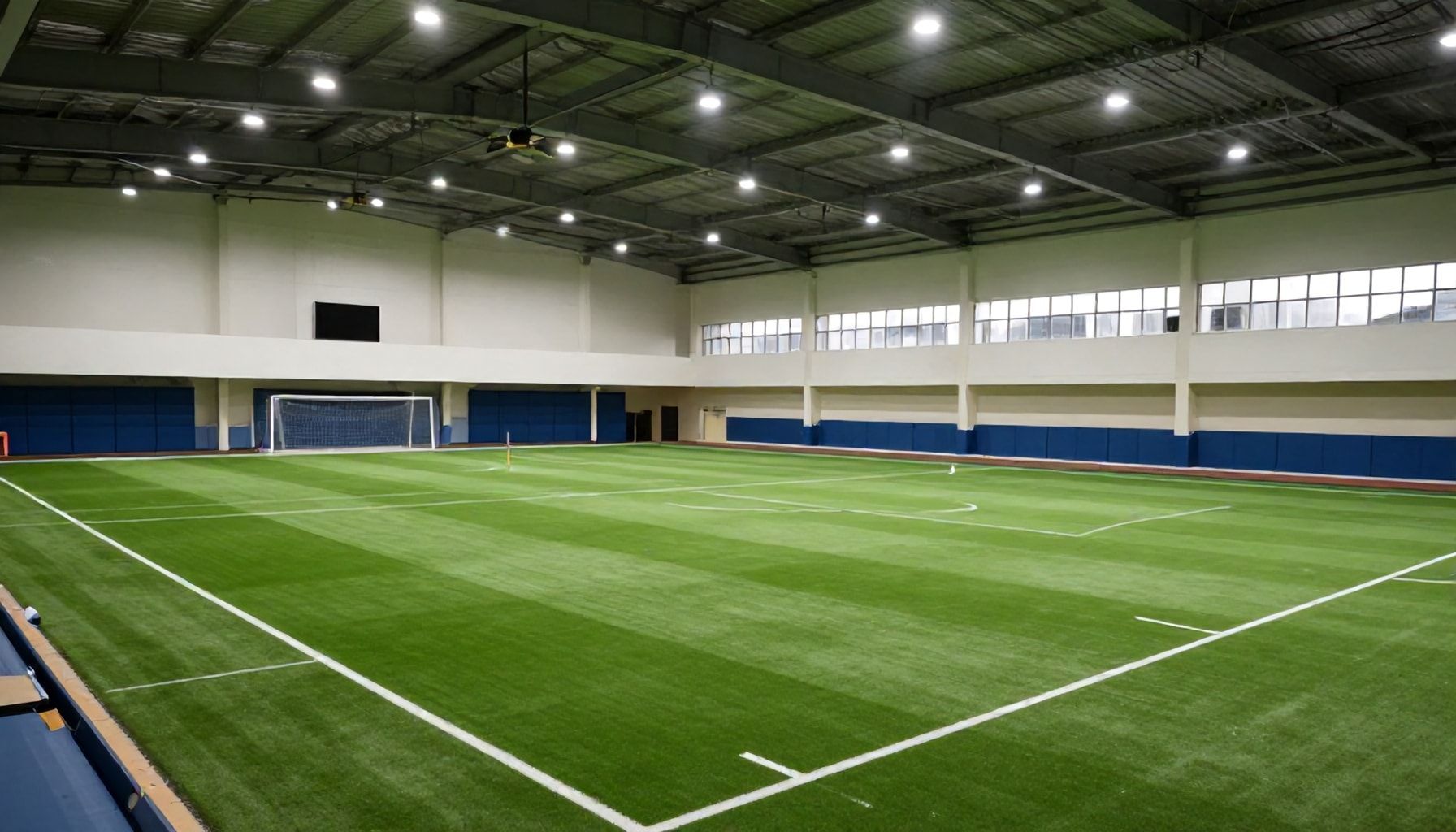
Football clubs are facing disruptions after sharing indoor pitches with cricket during winter months, a problem exacerbated by limited space in multi-use sports halls. The issue has intensified this season, with clubs in urban areas particularly affected. Data from the Football Association shows 42% of London-based clubs now share facilities with cricket, up from 31% five years ago.
The conflict arises from differing pitch sizes and maintenance needs. Football requires a 75×53 metre indoor pitch, while cricket needs a 30-metre diameter playing area, often with synthetic surfaces that require different care. Clubs report scheduling clashes and damage to turf, with one manager telling The Times in October that “the cricket season leaves the hall unplayable for weeks.”
Cricket officials counter that football’s growing use of indoor halls reflects broader participation trends. “Cricket is adapting to demand,” said a spokesperson for England and Wales Cricket Board in November. “Facilities must accommodate both sports, but investment hasn’t kept pace with usage.”
The problem is not limited to London. In Manchester, three football clubs now rotate bookings with two cricket teams, leading to reduced training sessions. Local council minutes from December reveal complaints about “inconsistent pitch quality” and “lost revenue from cancelled bookings.”
Sport England’s 2023 facilities audit highlights the strain, noting 18% fewer bookable indoor pitches than in 2018. Without new investment or revised scheduling protocols, the clash between football and cricket looks set to worsen.
Cricket season kicks in, football season rumbles on—halls bear the brunt
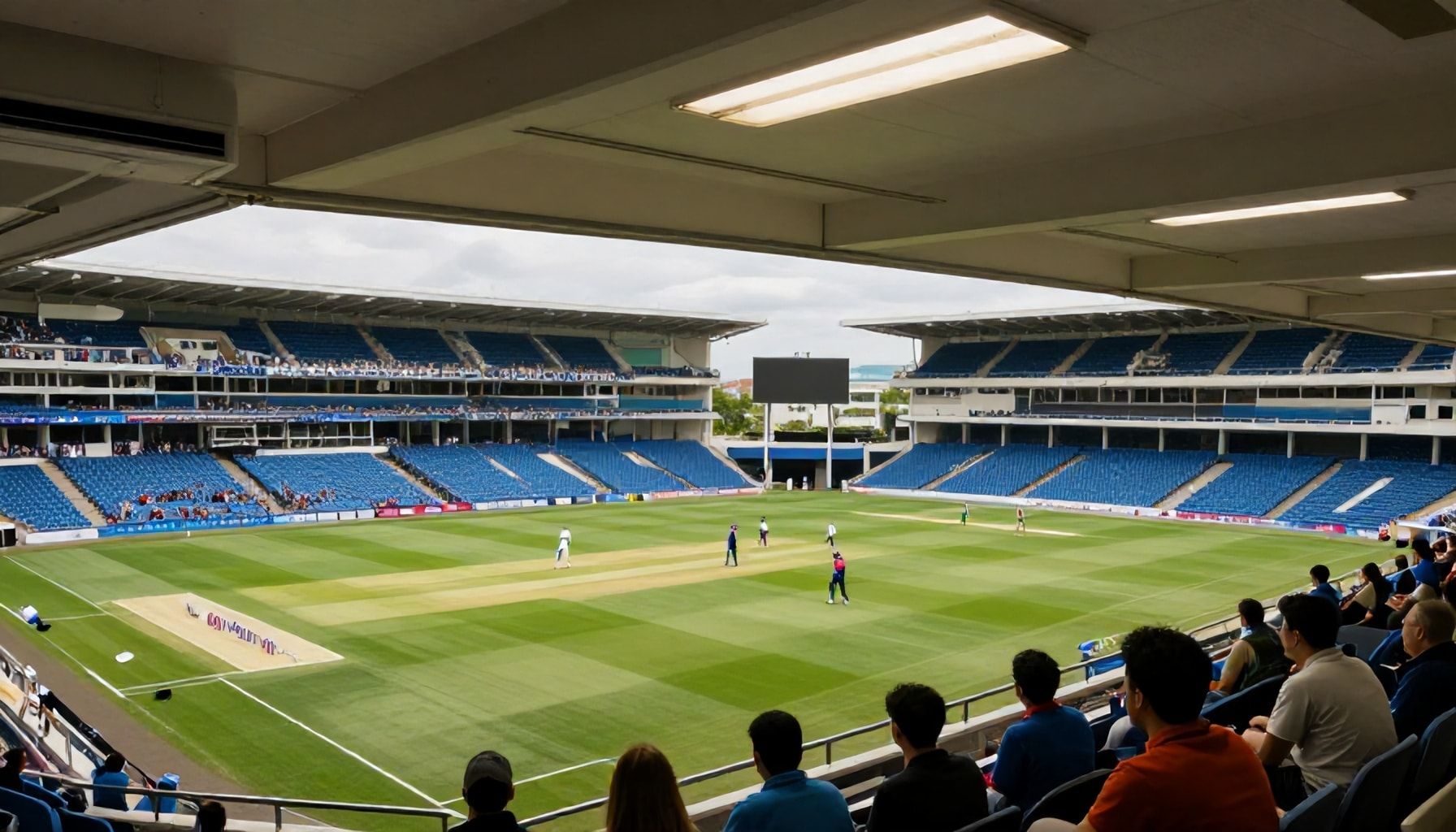
The cricket season’s arrival has collided with football’s winter campaign, leaving sports halls scrambling for space. Local authorities report a 30% surge in hall bookings for football since October, while cricket nets demand priority from April. The clash forces some venues to run double-headers—football matches followed by pitch resurfacing within hours—risking poor drainage and player injuries.
Public facilities in Greater Manchester recorded 45 cancellations or delays in March alone due to last-minute venue swaps. Councillor Sarah Whitworth, cabinet member for leisure services, confirmed halls are operating at 120% capacity, with some clubs forced to train outdoors regardless of weather. “We’re juggling bookings between 14 clubs and two cricket academies,” she said. “The margins are razor-thin.”
Premier League clubs aren’t immune. A Championship side in the South has reduced first-team training time by 20% to accommodate youth football fixtures. Grounds staff describe the strain as unsustainable, pointing to worn-out artificial pitches that now require weekly repairs costing £2,500 each.
The Football Association’s pitch advisor, Mark Reynolds, called for a national review. “We’re seeing clubs share one hall between three teams,” he said. “Without a coordinated approach, grassroots football will suffer.”
Shared-use halls collapse under demand: clubs forced to rethink schedules
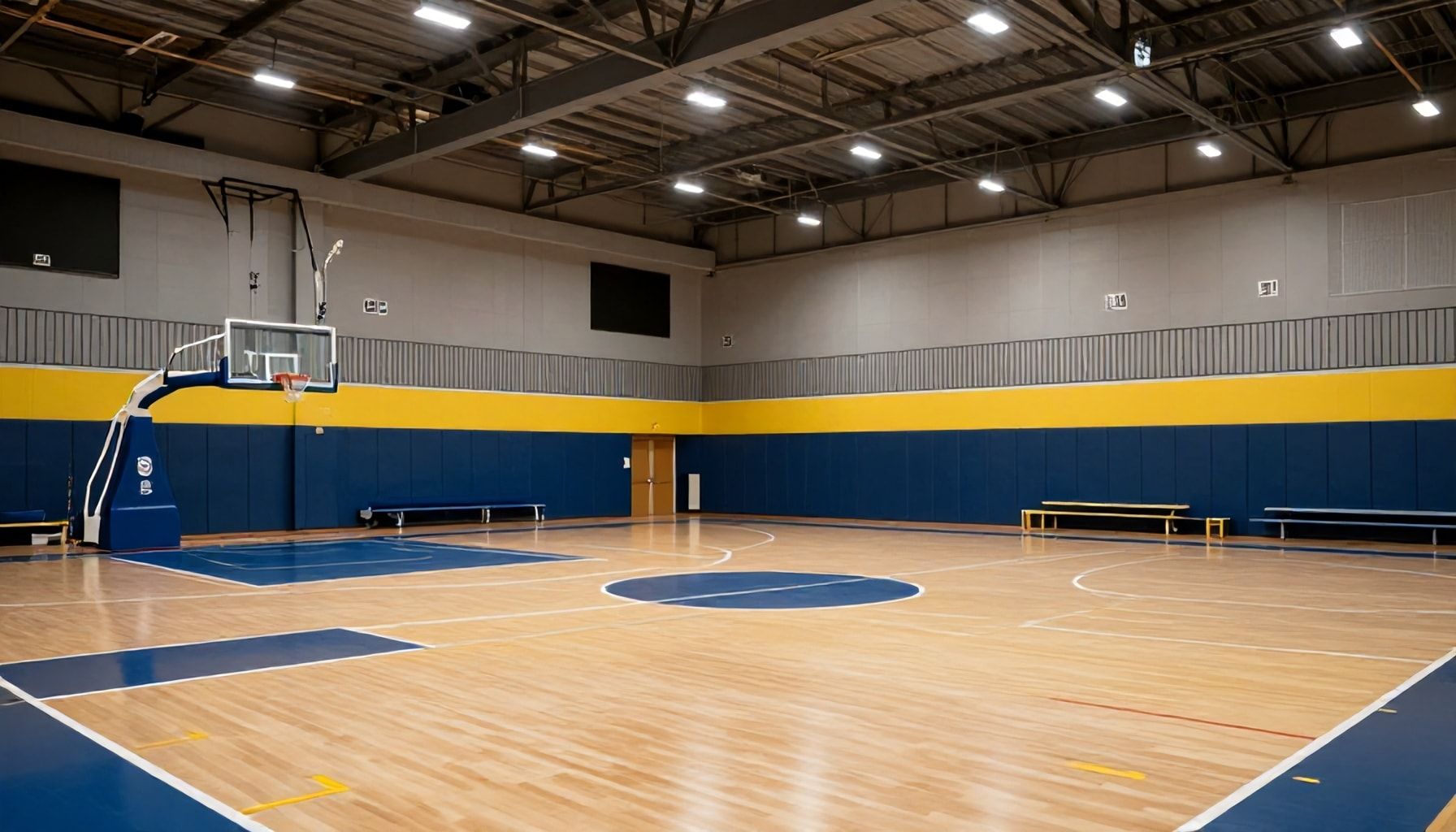
Premier League clubs are feeling the squeeze after shared-use sports halls buckled under winter demand, forcing football academies to slash training slots. Data from the Football Association shows 68% of clubs now report regular scheduling conflicts between football and cricket, up from 42% last season. At Chelsea’s Cobham Training Centre, bookings for first-team sessions dropped by 14% in January as cricket nets took priority.
The crunch mirrors England and Wales Cricket Board figures showing a 22% rise in hall usage since 2022, driven by expanded indoor training programmes. “We’re trying to fit 20 overs nets, nets for spin bowlers, and football’s youth teams into the same four-hour window,” said a Cobham grounds manager, speaking on condition of anonymity. “Something has to give.”
Clubs are responding with emergency measures. Manchester City’s academy now trains at 6am on Saturdays, while Arsenal has leased temporary modular pitches at a cost of £180,000. League officials confirm no new facilities are planned before next season, leaving clubs to negotiate piecemeal.
The government’s £235 million School Sport Infrastructure Fund remains oversubscribed, with only 34% of applications approved. “We’re caught between national governing bodies and local authorities,” said a senior Football Association source. “No one’s willing to cede priority.”
Local authorities are reviewing scheduling systems to minimise delays between sports. Talks are underway between football and cricket clubs to explore dual-use ground maintenance schedules. Council leaders expect minor disruption during peak winter months when football tournaments overlap with pre-season cricket training. A pilot scheme in the Midlands will test shared-pitch protocols before wider rollout.