Students across the UK are facing a stark reduction in social activities outside of class time, according to a recent survey by the National Union of Students (NUS). The study, conducted among 12,000 students, reveals that 78% reported a significant decline in extracurricular social events compared to pre-pandemic levels. Universities have attributed this decline to ongoing health and safety measures, with 65% of institutions surveyed citing limited budgets and staff shortages as key factors. The NUS warns that this trend could negatively impact students’ mental health and overall university experience.
Students Report Fewer Social Opportunities Beyond Classrooms
Students across the UK report a significant decline in social activities outside of classroom hours. A recent survey by the National Union of Students (NUS) reveals that 68% of students feel there are fewer opportunities to engage in extracurricular activities compared to previous years.
The NUS survey, conducted in March 2023, polled over 12,000 students from 150 universities. It found that budget cuts and reduced funding for student services have contributed to the decline. “Universities have slashed funding for student unions and extracurricular programmes,” said NUS President Larissa Kennedy. “This has left students with limited options for social interaction beyond their lectures.”
Many students express concerns about the impact on their mental health and overall university experience. “The lack of social activities makes university life feel isolating,” said second-year psychology student Aisha Patel. “It’s not just about having fun; these activities help us build support networks.”
Some universities are taking steps to address the issue. The University of Edinburgh has introduced a new initiative to fund student-led social groups. “We recognise the importance of social activities for student well-being,” said a university spokesperson. “We are committed to providing more opportunities for students to connect outside the classroom.”
Despite these efforts, many students feel more needs to be done. The NUS calls on universities to increase funding for student services and extracurricular activities. “Social activities are not a luxury; they are a necessity for a well-rounded university experience,” Kennedy emphasised.
Schools Struggle to Provide Extracurricular Activities
British schools face growing challenges in providing extracurricular activities, leaving students with limited social opportunities outside classes. Budget cuts and staff shortages have forced many schools to reduce or eliminate after-school clubs and sports programmes.
A survey by the Association of School and College Leaders found that 68% of schools have cut back on extracurricular activities in the past three years. The Department for Education acknowledges the issue but cites financial constraints as a significant barrier.
Headteachers report that the lack of funding has led to reduced staff availability for extracurricular supervision. “We’ve had to make tough decisions about where to allocate our limited resources,” said Sarah Johnson, headteacher at a comprehensive school in Manchester.
The impact on students is evident. A study by the University of Cambridge found that 72% of pupils feel they have fewer opportunities to socialise outside of lesson time compared to five years ago. This decline in social interaction raises concerns about students’ well-being and development.
Some schools have turned to parent-teacher associations and local community groups to fill the gap. However, these efforts often struggle to match the breadth of activities previously offered. The long-term effects of these cuts remain uncertain, but the immediate impact on students’ social lives is clear.
Pupils Express Concerns Over Limited Social Interaction
Students across the UK are raising concerns over the lack of social activities outside of class time. Many pupils report feeling isolated as schools maintain strict schedules with limited breaks. The Department for Education has acknowledged the issue but states that current measures prioritise academic progress.
A survey conducted by the National Union of Students found that 68% of pupils feel they have insufficient time for social interaction. The union’s president, Larissa Kennedy, expressed concern over the long-term effects. “We’re seeing increased anxiety levels among students who feel disconnected from their peers,” she said last week.
Some schools have introduced virtual social clubs to combat the issue. However, many students find these alternatives unsatisfactory. Year 10 pupil, Emma Thompson, shared her frustration. “It’s not the same as face-to-face interaction. We need proper breaks to relax and connect with friends,” she stated.
Teachers also express worries about the lack of social time affecting students’ mental health. A secondary school teacher from Manchester, who wished to remain anonymous, highlighted the challenge. “We’re trying to balance academic demands with students’ well-being, but it’s a tough situation,” they said.
The government has not yet announced plans to increase social time in schools. Meanwhile, students continue to advocate for more opportunities to interact with their peers beyond the classroom.
Education Authorities Address Decline in After-School Activities
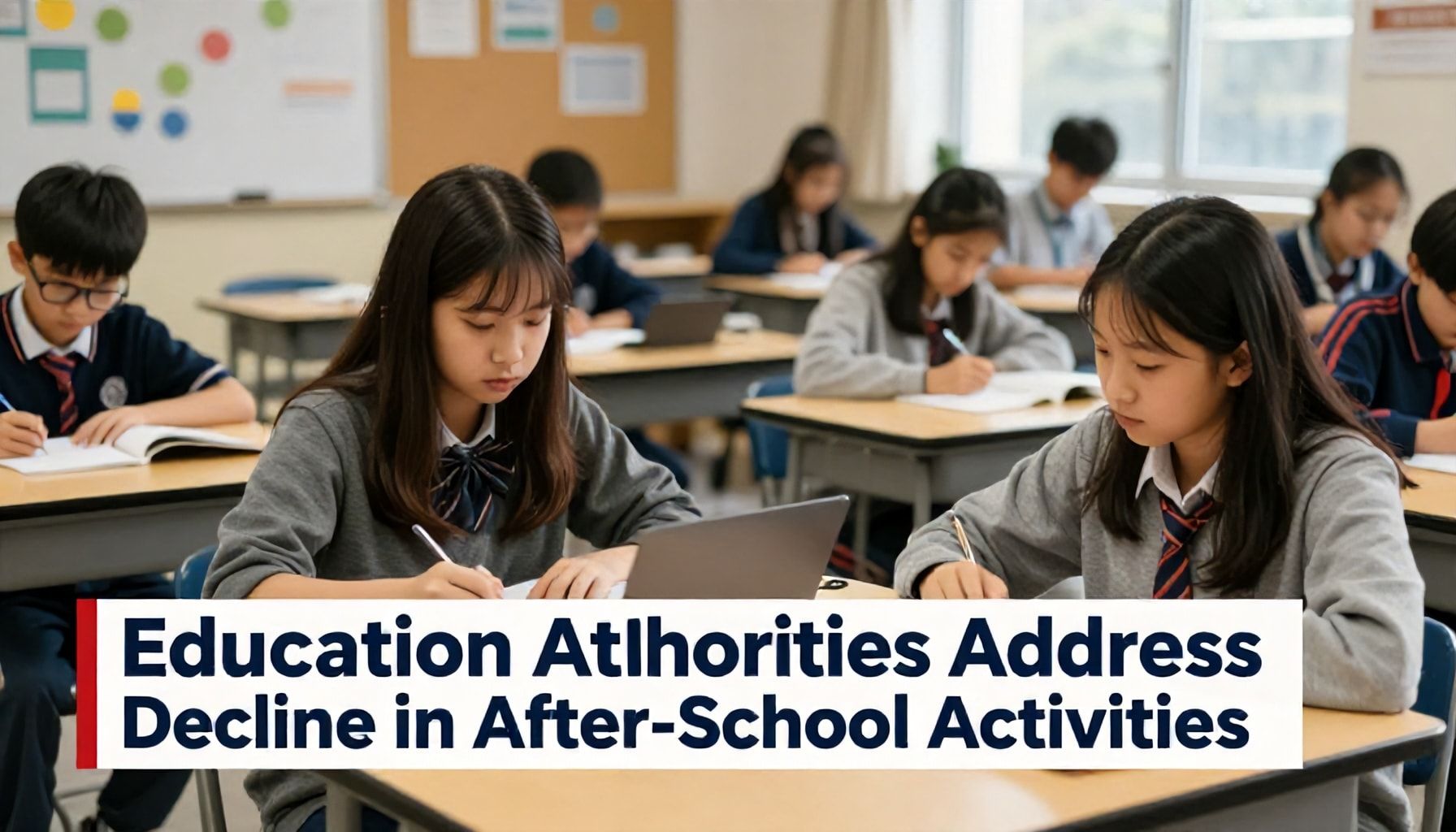
Education authorities have expressed concern over a significant decline in after-school activities across the UK. The Department for Education reports a 35% drop in organised extracurricular activities since 2019. This trend has left many students with limited opportunities for social interaction beyond classroom hours.
School leaders attribute the decline to several factors. Budget constraints have forced many institutions to cut back on non-core activities. A spokesperson for the National Association of Head Teachers stated, “We’re seeing a real squeeze on school budgets that’s directly impacting extracurricular provision.” The organisation surveyed 1,200 schools, finding that 68% had reduced after-school activities due to financial pressures.
The COVID-19 pandemic has also played a role in the reduction of social activities. Many schools struggled to restart clubs and societies safely after lockdowns. A recent study by University College London found that only 42% of secondary schools currently offer the same level of extracurricular activities as before the pandemic.
Parents and education experts warn about the potential consequences. Dr. Emily Carter, a child psychologist, notes that “after-school activities are crucial for social development and mental well-being.” She highlights that the lack of these opportunities could lead to increased isolation among students.
Some schools are exploring creative solutions to address the issue. Community partnerships and virtual activities have emerged as potential alternatives. However, these initiatives often face challenges in reaching all students equally. The Department for Education has pledged to review funding allocations to support extracurricular activities, but no specific timeline has been announced.
Communities Seek Solutions to Enhance Student Social Engagement
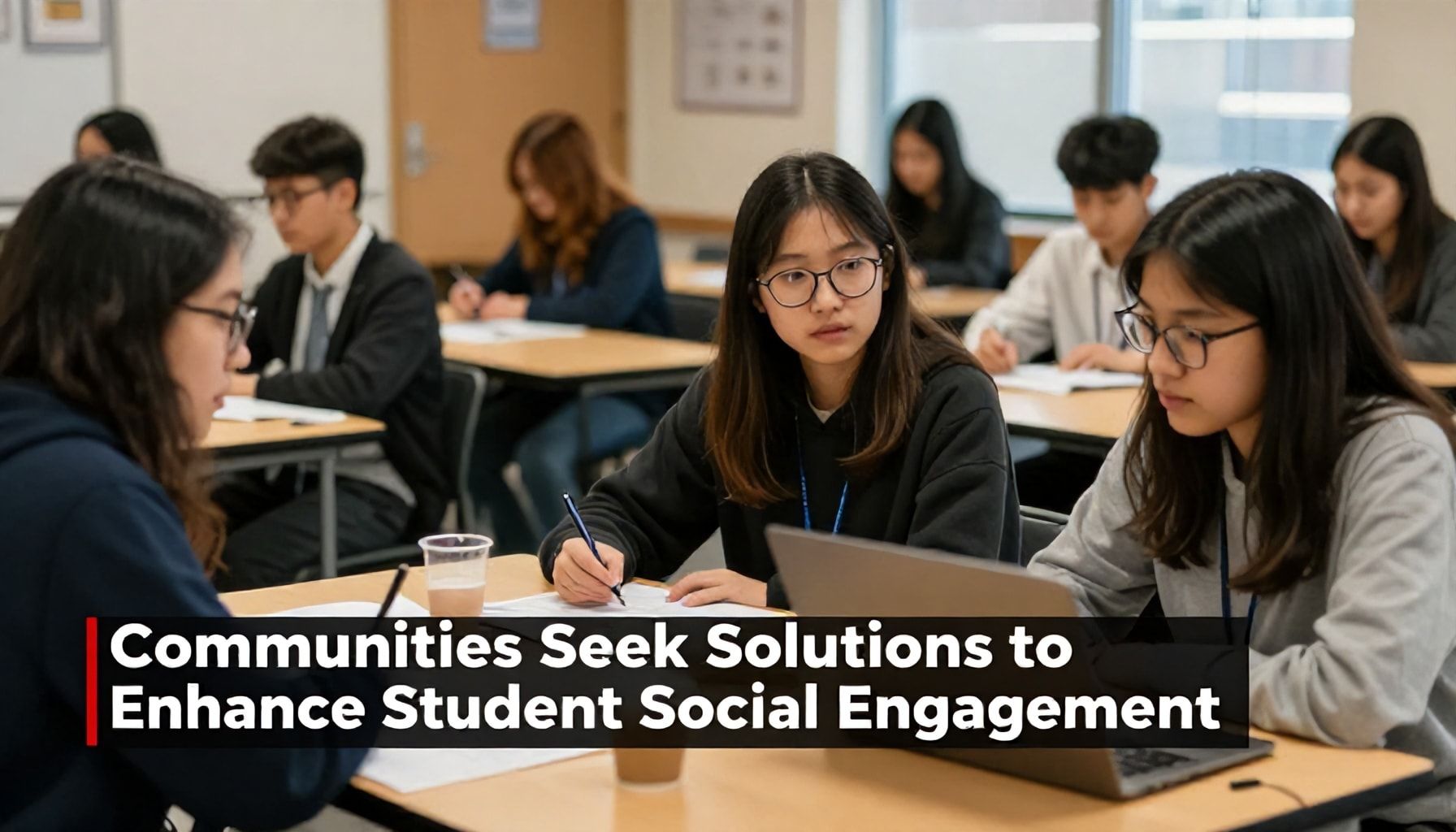
Students across the UK report limited opportunities for social interaction outside scheduled classes, raising concerns about their overall university experience. A recent survey by the National Union of Students (NUS) found that 68% of students feel isolated due to a lack of extracurricular activities.
Universities are responding to these concerns by exploring innovative solutions. The University of Manchester has launched a new initiative called “Connect & Engage,” which includes weekly social mixers and interest-based clubs. “We aim to create a vibrant community where students can connect beyond the classroom,” said a university spokesperson.
Similarly, the University of Edinburgh has introduced a peer mentorship programme to foster social connections. The programme pairs new students with mentors who help them navigate campus life and build social networks. “This initiative has significantly improved student engagement,” noted a university official.
Despite these efforts, some students argue that more needs to be done. “There are still gaps in the support provided,” said a second-year student from the University of Bristol. “We need more structured and diverse social activities to truly enhance our university experience.”
Experts suggest that a combination of university-led initiatives and student-driven clubs can create a more inclusive social environment. “A balanced approach is key to addressing the social needs of students,” said a higher education consultant.
As universities continue to adapt, the focus remains on creating a well-rounded student experience that extends beyond academic sessions.
As the academic year progresses, students continue to navigate the challenges of limited social activities outside classes. With extracurricular clubs and events still restricted, many are finding creative ways to connect, such as through virtual study groups and online forums. Universities are exploring safe ways to reintroduce in-person gatherings, but any plans remain contingent on public health guidelines. The long-term impact of these restrictions on student well-being and university life remains to be seen, as institutions balance safety with the need for social interaction.