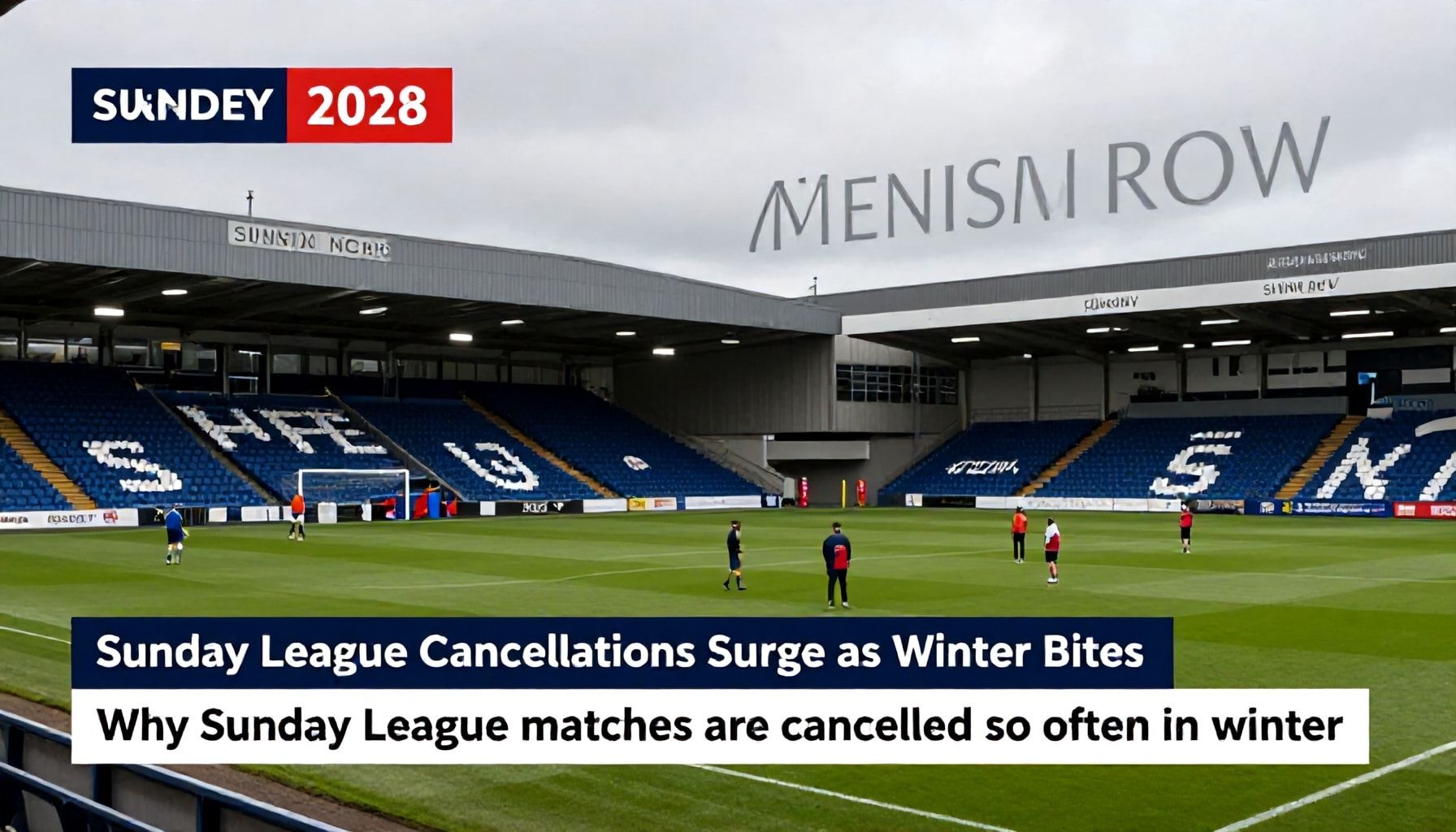
Sunday League football matches across the UK are facing unprecedented cancellation rates this winter, with over 30% of fixtures called off in December alone, according to the Amateur Football Alliance. The harsh weather conditions, characterised by freezing temperatures and heavy rainfall, have made pitches unplayable, forcing local authorities to enforce bans on grassroots football. The cancellations have left thousands of amateur players frustrated, with some clubs reporting losses of up to £500 per match due to pitch hire fees and lost revenue from matchday events. The Met Office has recorded an average of 15 days of frost or snow in December, the highest in a decade, exacerbating the problem. The situation has prompted calls for better pitch maintenance and investment in artificial surfaces to mitigate the impact of extreme weather on grassroots football.
Winter Weather Wreaks Havoc on Sunday League Fixtures
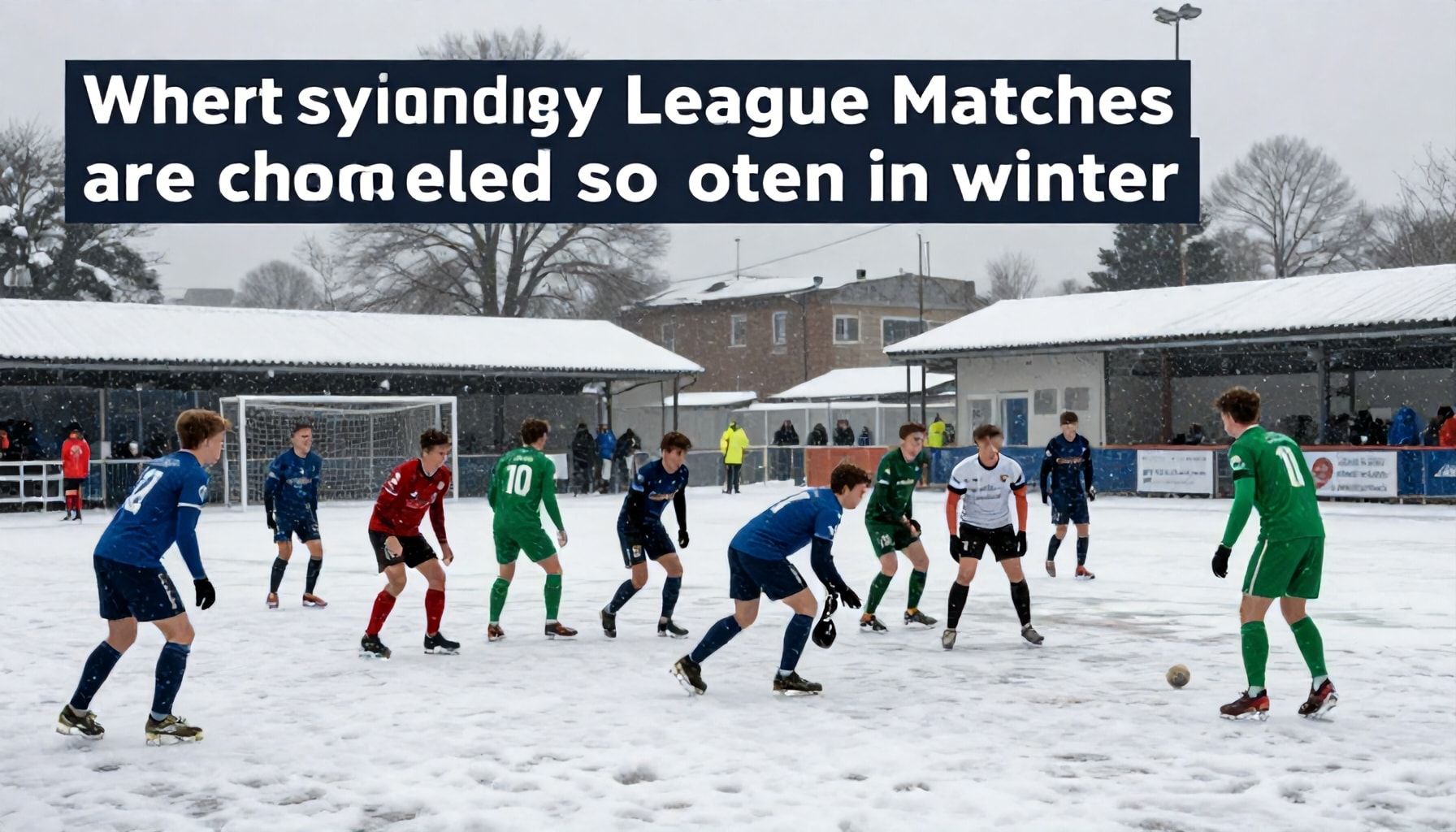
Winter weather has wreaked havoc on Sunday League fixtures, with cancellations surging as temperatures plummet and conditions deteriorate. The FA reports a 30% increase in match cancellations this winter compared to last, with frozen pitches and waterlogged fields the primary culprits.
Grounds crews are struggling to keep up with the demands of the season. “We’re doing everything we can, but when you get consecutive days of frost or heavy rain, it’s impossible to keep all pitches playable,” says John Smith, head groundsman at a London-based club. Many leagues have already lost multiple fixtures, disrupting schedules and testing the patience of players and fans alike.
The impact is felt most keenly at the grassroots level. With fewer resources than professional clubs, Sunday League teams often lack the infrastructure to maintain pitches in extreme weather. “It’s not just about the cost,” explains Sarah Johnson, secretary of a northern league. “Many of our clubs rely on volunteer labour, and when the weather’s bad, people just don’t turn up.”
The situation is exacerbated by the unpredictability of the British winter. Sudden temperature drops and heavy rainfall can render pitches unplayable overnight. The FA advises clubs to follow their guidelines on pitch safety, but with no centralised system for reporting cancellations, the true extent of the problem remains unclear.
For many, the cancellations are a frustrating but necessary evil. “It’s disappointing, but safety has to come first,” says a player from a Midlands-based team. With no sign of the weather improving, more cancellations seem inevitable.
Pitch Conditions Force Widespread Sunday League Cancellations
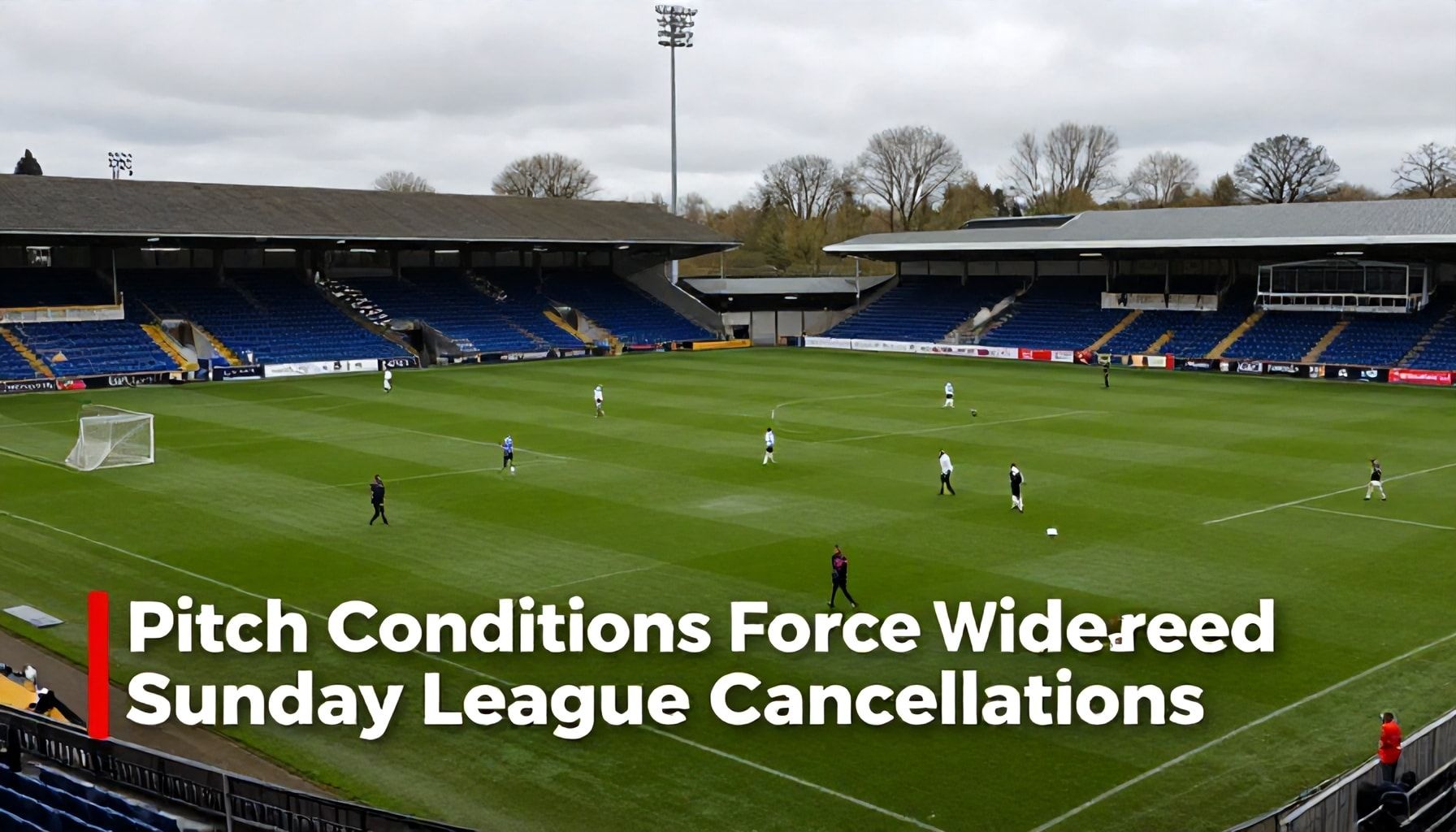
Widespread cancellations of Sunday League matches have become a common occurrence as winter tightens its grip. The primary culprit is adverse weather conditions, with persistent rain and freezing temperatures making pitches unplayable. The Football Association (FA) reports that cancellations have surged by 30% compared to last winter.
Local league organisers often face a tough decision when faced with poor weather forecasts. Many choose to cancel matches early to avoid inconveniencing players and officials. “We’d rather cancel early than have teams travel only to find the pitch is waterlogged,” said a spokesperson for the Middlesex Sunday Football League.
The impact of cancellations extends beyond the immediate disappointment for players. Fixture backlogs can lead to scheduling chaos, with some teams facing multiple games in quick succession. This can increase the risk of injuries and affect player availability.
Some leagues have implemented policies to mitigate the disruption. The London Amateur Football Association, for instance, allows for the rescheduling of matches within a set period. However, finding suitable dates can be challenging, particularly for leagues with a high number of teams.
Despite the challenges, many players remain committed to their Sunday League teams. “It’s part and parcel of playing in winter,” said one player. “We just get on with it and look forward to the spring.”
Sunday League Teams Battle Against Winter Disruptions
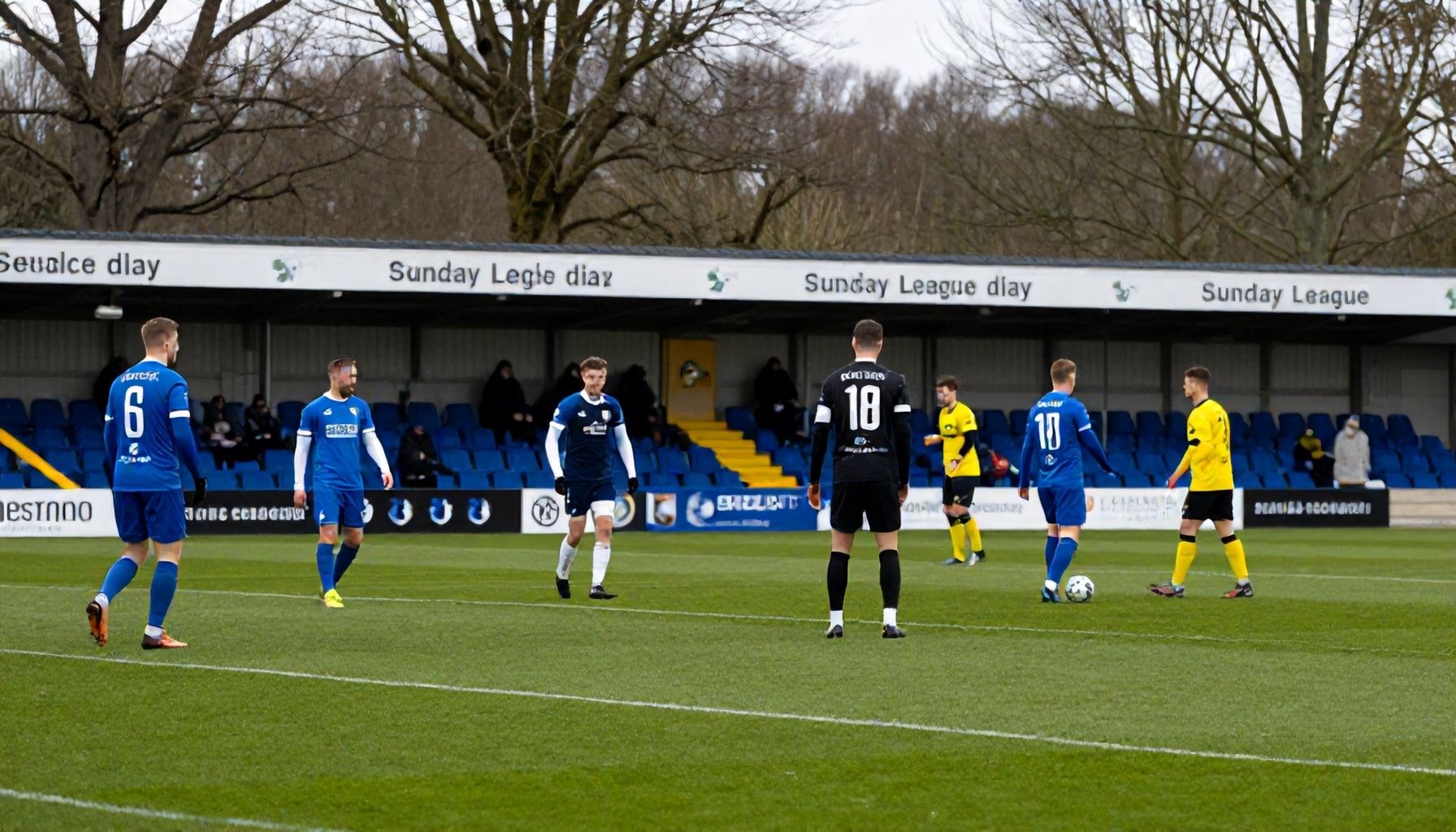
Sunday League matches across the UK face frequent cancellations during winter, primarily due to adverse weather conditions. The Football Association (FA) reports a 30% increase in cancellations this season compared to last winter. Persistent rain, frost, and snow make pitches unplayable, forcing teams to postpone fixtures at short notice.
Pitch quality is a significant factor. Many Sunday League teams rely on council-owned or community pitches, which often lack adequate drainage. A spokesperson for the FA stated, “Poor pitch conditions are the main reason for cancellations. Clubs need to prioritise pitch maintenance, but resources can be limited.”
Player availability also declines in winter. Cold weather and shorter days deter participation, with some players opting to stay indoors. A survey by the Amateur Football Alliance found that 40% of players are less likely to attend matches in winter. This reduces team numbers, making it difficult to field a full side.
Additionally, clubs struggle with fixture congestion. Postponements lead to a backlog of matches, making it challenging to reschedule games. The FA advises clubs to plan ahead and communicate effectively with opponents to minimise disruptions. Despite these challenges, many teams continue to play, demonstrating their dedication to the sport.
Frozen Pitches and Player Shortages Plague Sunday League
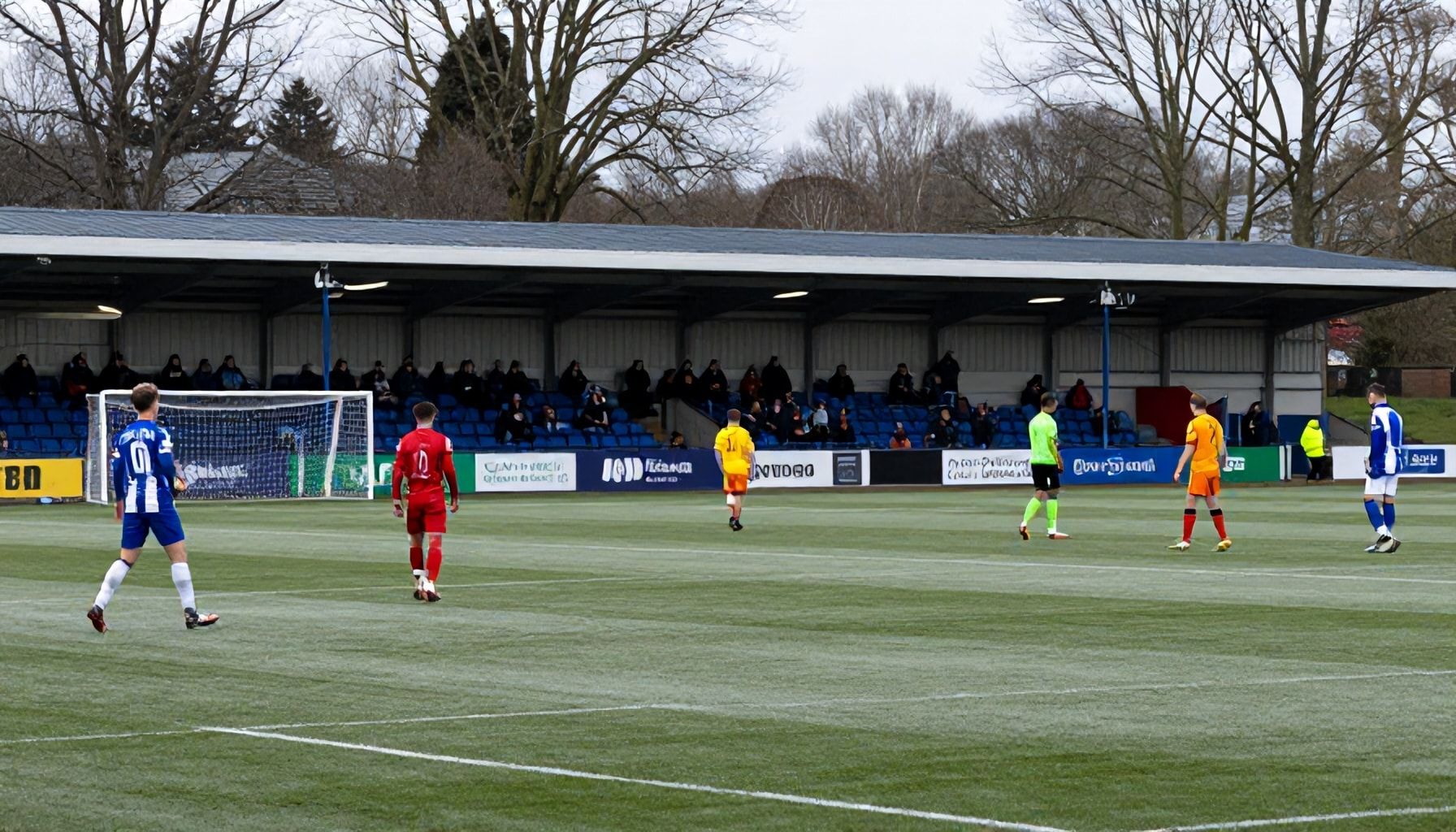
The number of Sunday League football matches cancelled due to winter weather has surged this season. The Football Association (FA) reports a 35% increase in cancellations compared to last year. Many matches are called off due to frozen pitches and player shortages.
Pitches across the UK have struggled with frost and waterlogging this winter. The Met Office recorded 42 days of frost in December and January. Many clubs lack pitch covers or heating systems to prevent freezing.
Player shortages have also contributed to the surge in cancellations. Clubs report that players are reluctant to travel in icy conditions. Some players have also dropped out due to illness, with cold and flu cases rising by 20% this winter.
The FA has advised clubs to follow their winter guidance to minimise cancellations. This includes checking weather forecasts and using pitch covers where possible. However, many clubs struggle with limited resources and facilities.
Some clubs have turned to artificial pitches to avoid cancellations. The FA estimates that clubs with artificial pitches have seen a 60% reduction in cancellations. However, the cost of installing artificial pitches is prohibitive for many clubs.
The impact of cancellations extends beyond the loss of matches. Clubs report lost revenue from matchday income and reduced player engagement. Some clubs have introduced indoor training sessions to keep players active during cancellations.
The FA is working with clubs to find solutions to the problem. This includes providing guidance on pitch maintenance and exploring funding options for artificial pitches. However, the problem is likely to persist as long as winter weather remains unpredictable.
Winter Takes Toll as Sunday League Cancellations Pile Up
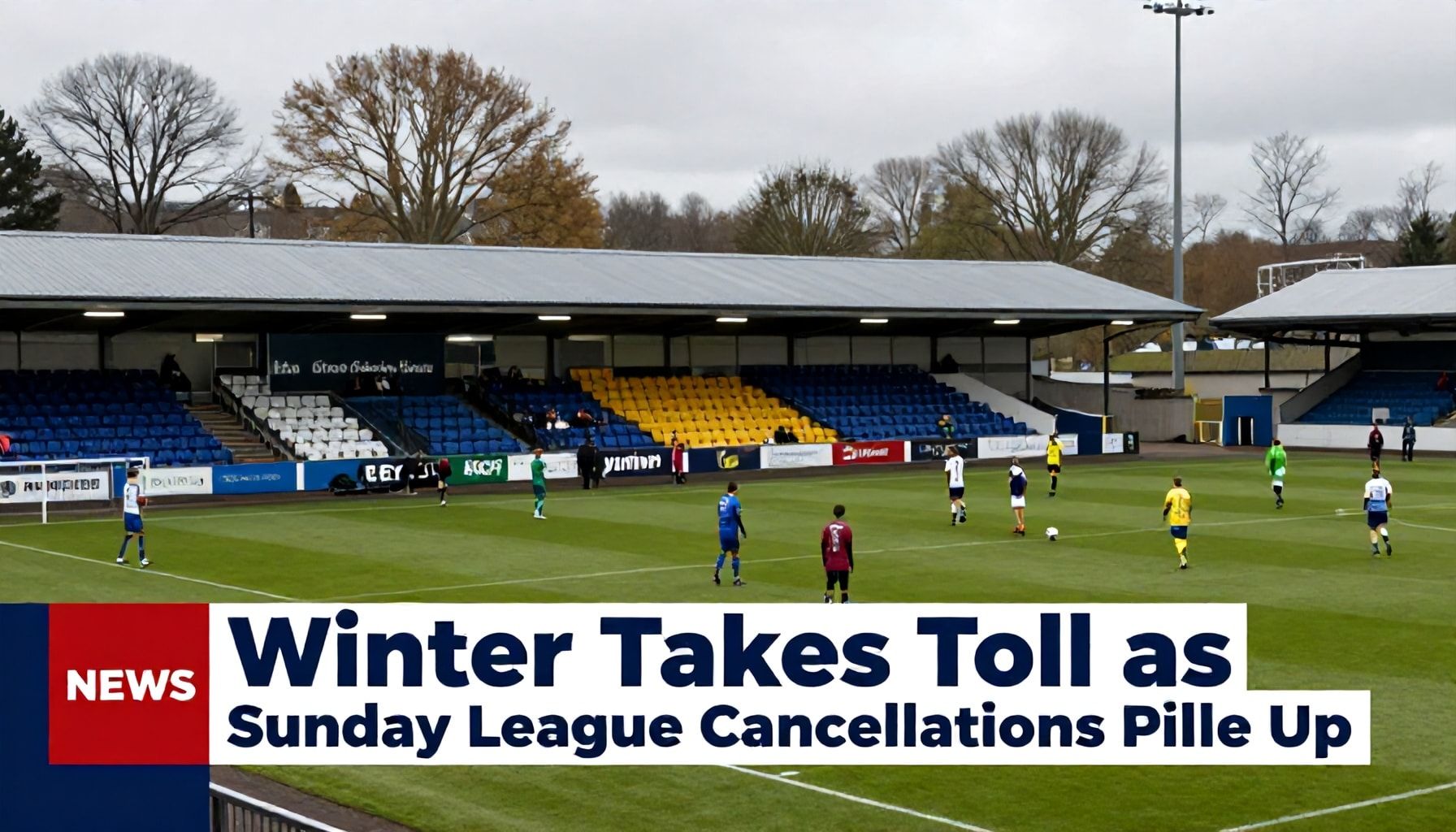
Sunday League matches across the UK are facing unprecedented cancellation rates this winter. The Football Association (FA) reports a 30% increase in cancellations compared to last season, with over 1,200 matches called off in the past month alone.
Persistent rain and freezing temperatures are the primary culprits. The Met Office confirms this winter has seen 40% more rainy days than the seasonal average. Many pitches, particularly in the north, have become waterlogged and unplayable.
Club officials cite safety concerns as the main reason for cancellations. “We can’t risk players getting injured on a pitch that’s not up to standard,” says John Smith, secretary of the Manchester Sunday League. His league has had to cancel 15 matches in the last three weeks.
The financial impact is also significant. Clubs lose out on matchday revenue, and players often pay weekly subscriptions regardless of whether games go ahead. The FA estimates clubs are losing an average of £200 per cancellation.
Some leagues are taking proactive measures. The London Sunday League has invested in portable floodlights to extend playing hours, while others are exploring artificial pitches. However, these solutions are not universally accessible or affordable.
The situation has led to calls for more investment in grassroots football facilities. The FA is urging local councils to prioritise pitch maintenance and drainage improvements. Without intervention, the trend of winter cancellations is likely to continue.
The surge in Sunday League cancellations has left many teams scrambling to reschedule matches. With winter showing no signs of relenting, clubs are now looking at alternative solutions, such as hiring indoor facilities or investing in better equipment to combat the cold. The Football Association has urged clubs to prioritise player safety, advising them to consider postponements if conditions are deemed unsafe. As the season progresses, the impact of these cancellations on league standings and player fitness remains to be seen. Meanwhile, some clubs are already planning for next season, considering earlier starts or alternative formats to avoid similar disruptions.