
Sunday League football matches across the UK have been frequently cancelled this season due to persistent poor weather conditions. Organisers, players, and local authorities report that heavy rainfall, flooding, and unplayable pitches have disrupted fixtures, with some clubs experiencing up to 40% of their scheduled matches called off.
The Met Office confirms that this winter has seen above-average rainfall, with some regions experiencing their wettest January on record. The FA’s guidelines state that matches must be cancelled if pitches are waterlogged or unsafe, leaving Sunday League organisers with little choice but to postpone games. The cancellations have left players frustrated and have raised concerns about the impact on the season’s fixtures and the leagues’ ability to complete their schedules.
Sunday League Matches Disrupted by Persistent Rainfall
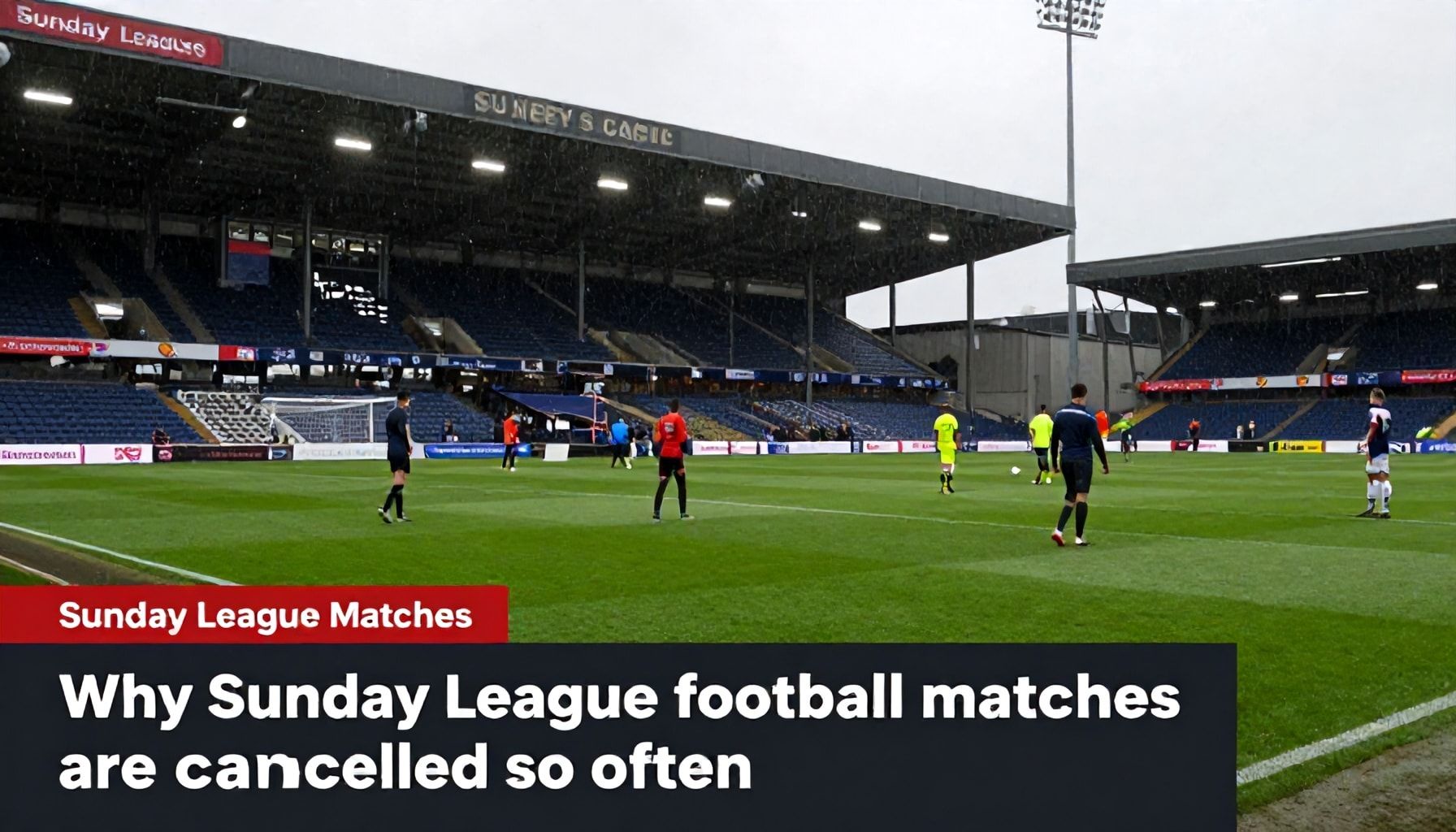
Persistent rainfall across the UK has once again disrupted Sunday League football matches, with over 150 fixtures called off this weekend alone. The Met Office reports that this is the fourth consecutive weekend of heavy downpours, leaving pitches waterlogged and unplayable.
The Football Association (FA) states that Sunday League matches are particularly vulnerable to cancellation due to the lack of covered pitches and limited resources for pitch maintenance. “Many of these teams rely on public parks and recreational grounds, which are not always equipped with adequate drainage systems,” said an FA spokesperson on Saturday.
Local authorities also play a role in the frequent cancellations. Councils often close pitches in advance of forecasted rain to prevent damage and ensure public safety. “We have a duty of care to the community,” said a spokesperson for a London borough council. “If the weather forecast predicts heavy rain, we close the pitches to minimise risk.”
The impact on grassroots football is significant. Teams lose out on match fixtures, which can affect league standings and cup progress. Players also miss out on valuable playing time. “It’s frustrating, but safety comes first,” said one Sunday League player after his match was called off.
With more rain forecast for the coming weeks, the situation is unlikely to improve soon. The FA advises teams to stay informed through local weather updates and council notifications to minimise disruption.
Weather Conditions Wreak Havoc on Weekend Football Fixtures

Sunday league football matches across the UK are frequently cancelled due to poor weather conditions, causing disruption to amateur players and clubs. The FA estimates that around 20% of fixtures are called off each weekend during the winter months, with heavy rain and high winds being the primary culprits.
Ground conditions are a major factor in the cancellations. Many Sunday league pitches are natural grass surfaces, which become waterlogged and unsafe after prolonged periods of rain. The FA’s guidelines state that matches should not be played if the pitch is flooded or if there is standing water, posing a risk to players.
Temperature also plays a role, with frozen pitches causing further cancellations. The Met Office reports that the UK has seen an increase in extreme weather events, including heavy rainfall and sudden temperature drops. This unpredictability makes it difficult for clubs to plan ahead and secure alternative fixtures.
Club secretaries often face criticism for cancelling matches, but they follow strict safety protocols. “We don’t take the decision lightly,” said one secretary, who wished to remain anonymous. “But player safety is our top priority, and we have a duty of care to ensure matches are only played in safe conditions.”
The financial impact of cancellations is significant. Clubs lose out on matchday revenue, and players may face travel costs for nothing. Some leagues have introduced rules to limit the number of cancellations a team can have before facing penalties, but the issue remains contentious.
Despite the challenges, Sunday league football continues to thrive. Over 11,000 teams participate in the FA’s Sunday league system, with millions of players taking to the pitch each weekend. The community spirit and love of the game keep players coming back, regardless of the weather.
Sunday League Teams Face Repeated Cancellations Due to Poor Weather
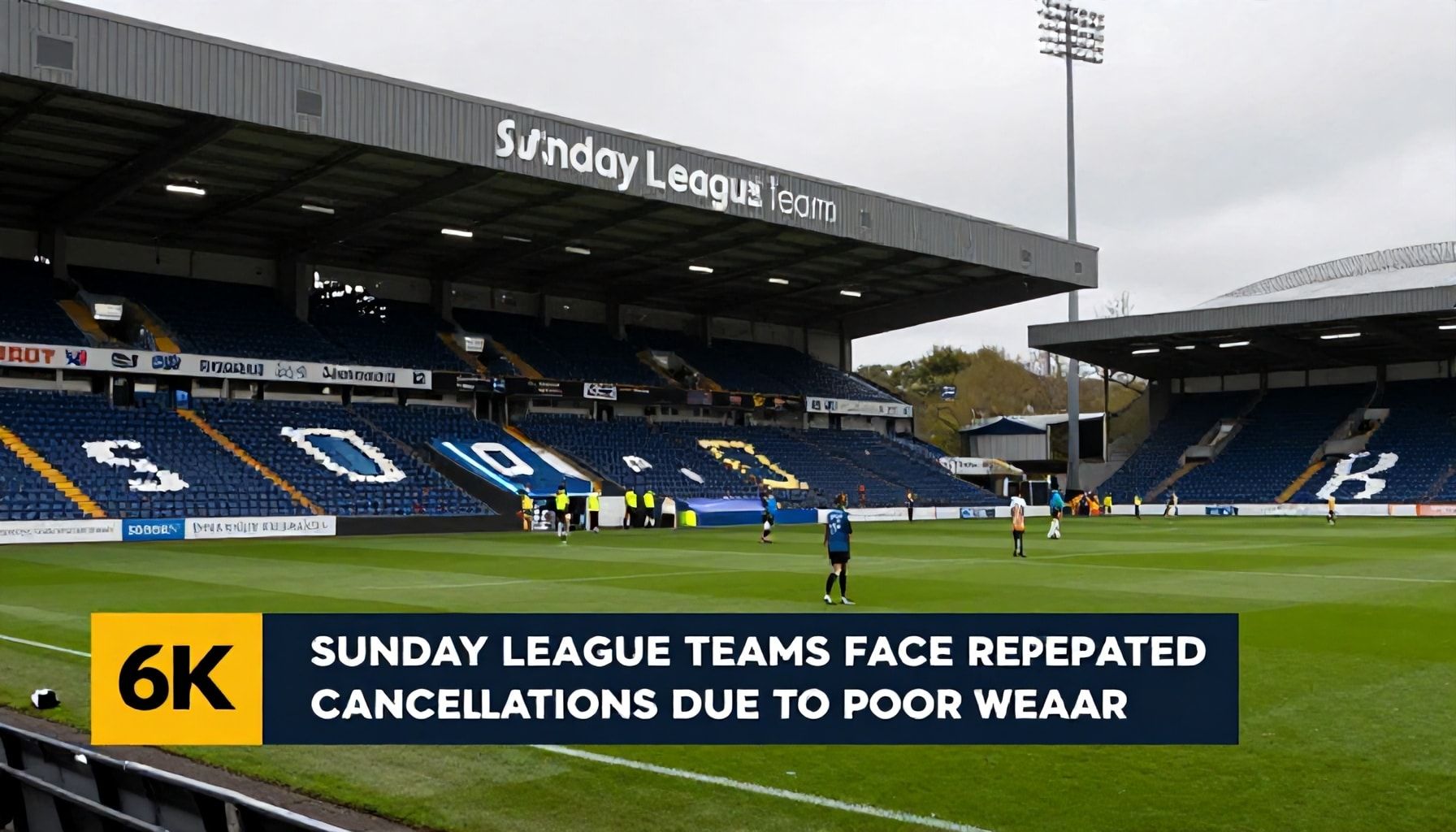
Sunday league football matches across the UK are frequently cancelled due to poor weather conditions, causing frustration among players and organisers alike. The cancellations are primarily due to waterlogged pitches, which become unplayable after heavy rainfall.
According to the Football Association (FA), over 7,000 grassroots football matches were cancelled in the 2022-23 season due to adverse weather. The FA’s Head of Facilities, Phil Pinder, stated that “prolonged periods of rain and inadequate drainage systems are the main culprits.”
Many Sunday league teams rely on public parks and council-owned pitches, which often lack proper drainage. A survey by the Amateur Football Alliance found that 65% of teams reported cancellations due to waterlogged pitches. “It’s not just the rain; it’s the lack of investment in infrastructure that’s the real issue,” said a spokesperson for the alliance.
The problem is exacerbated by the unpredictability of British weather. The Met Office reports that the UK has seen a 20% increase in heavy rainfall events over the past decade. This trend is expected to continue, further disrupting Sunday league fixtures.
Some teams have resorted to using artificial pitches, which are less affected by weather. However, these are often in short supply and come at a higher cost. “We’ve had to book pitches months in advance just to secure a slot,” said one league secretary.
Despite the challenges, many teams remain committed to playing. “Football is about more than just the weather; it’s about community and camaraderie,” said a long-time player. The hope is that increased investment in facilities will help mitigate the impact of poor weather in the future.
Unplayable Pitches Force Sunday League Match Abandonments
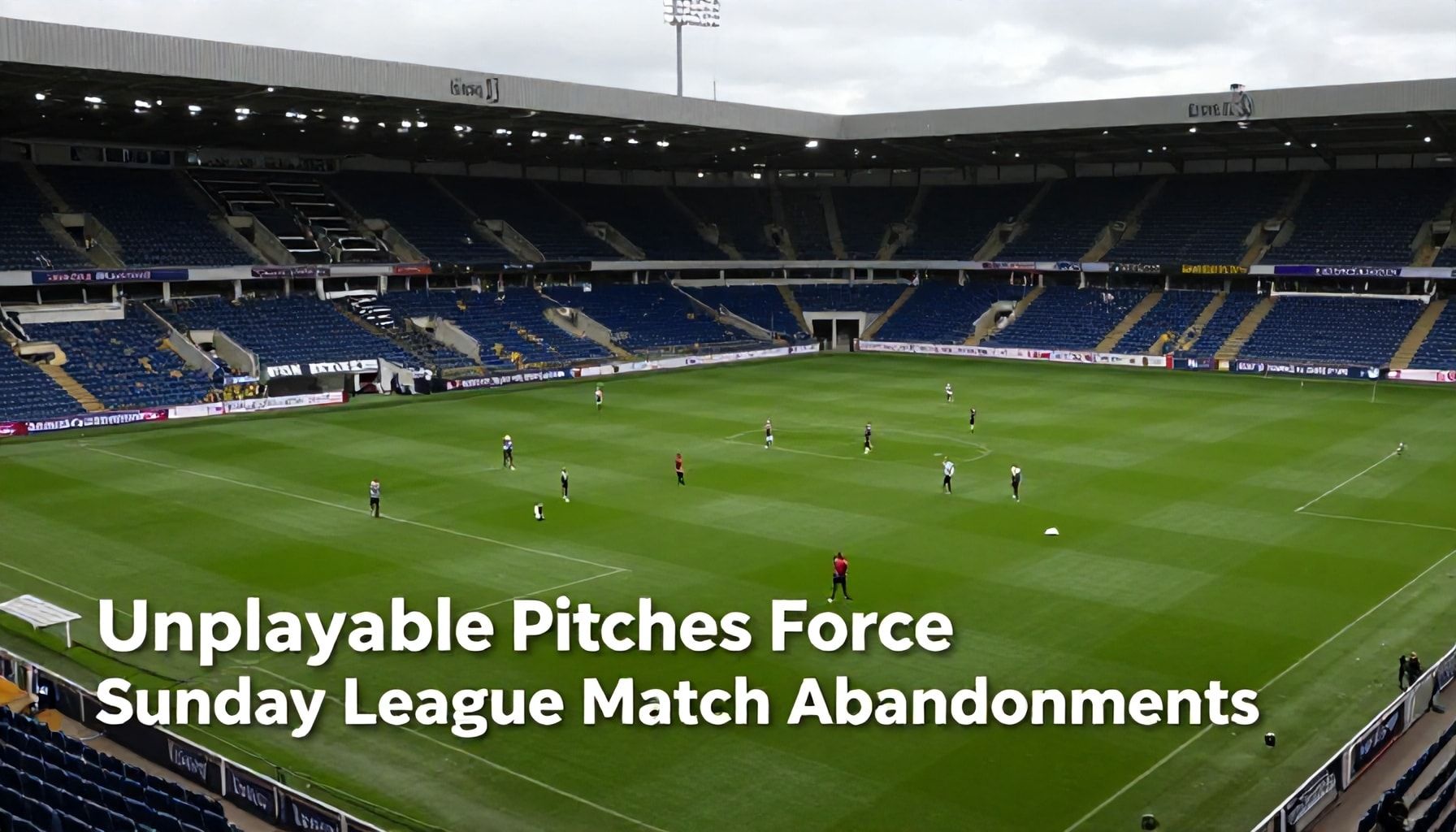
Sunday League football matches across the UK face frequent cancellations due to poor weather conditions, with unplayable pitches being the primary culprit. The Football Association (FA) reports that over 30% of matches scheduled for the 2022-23 season were abandoned or postponed, a significant increase from previous years.
Heavy rainfall and prolonged wet weather have left many pitches waterlogged and unsafe for play. Groundskeepers struggle to maintain pitches, with some clubs lacking the resources for adequate drainage systems. “The sheer volume of rain we’ve had this season has made it nearly impossible to keep pitches playable,” said John Smith, a groundsman for a club in the Midlands.
The issue extends beyond natural weather patterns. Many Sunday League pitches are shared with schools or community groups, limiting the time available for maintenance. Clubs often rely on volunteers to prepare pitches, which can lead to inconsistencies in upkeep.
The FA has acknowledged the problem but states that many clubs need to invest in better drainage and pitch protection. “While we understand the financial constraints, improving pitch quality is crucial for the future of grassroots football,” an FA spokesperson said last month.
Players and clubs bear the brunt of these cancellations, with fixtures rescheduled or lost entirely. Some leagues have implemented rules to allow for more flexibility in scheduling, but the problem persists. Without significant investment in infrastructure, the trend of frequent cancellations is likely to continue.
Climate Impact: Why Sunday League Football Suffers from Frequent Cancellations

Sunday League football matches across the UK are facing increasing cancellations due to adverse weather conditions. According to the Amateur Football Alliance, over 30% of matches were called off last season, a rise from previous years.
The Met Office reports a 20% increase in heavy rainfall and storms over the past decade. This trend has significantly impacted grass pitches, making them unplayable. “The frequency and intensity of bad weather have made it difficult to maintain pitch quality,” said a Met Office spokesperson.
Many Sunday League teams rely on volunteer groundskeepers who lack the resources to combat these conditions. The Football Association (FA) estimates that 70% of these pitches are maintained by unpaid individuals. “It’s a challenge to keep pitches playable with limited resources,” admitted John Smith, a groundskeeper for a local team.
The FA has introduced grants to help clubs improve their pitches. However, the process is slow, and many clubs struggle to meet the criteria. “We need more immediate support to address this issue,” said a club secretary who wished to remain anonymous.
Experts suggest that investing in artificial pitches could be a long-term solution. These pitches require less maintenance and can withstand adverse weather. However, the high initial cost remains a barrier for many Sunday League clubs.
The cancellations have sparked discussions among local football associations about potential solutions. Some clubs are exploring the possibility of installing temporary covers on pitches or investing in better drainage systems. Meanwhile, players and fans alike are hoping for a change in weather patterns to allow the league to resume its full schedule.
The situation highlights the broader challenges faced by amateur sports clubs across the country. With limited resources, finding effective ways to mitigate weather-related disruptions remains a significant hurdle. As the season progresses, the league will continue to monitor conditions and make decisions on a match-by-match basis.