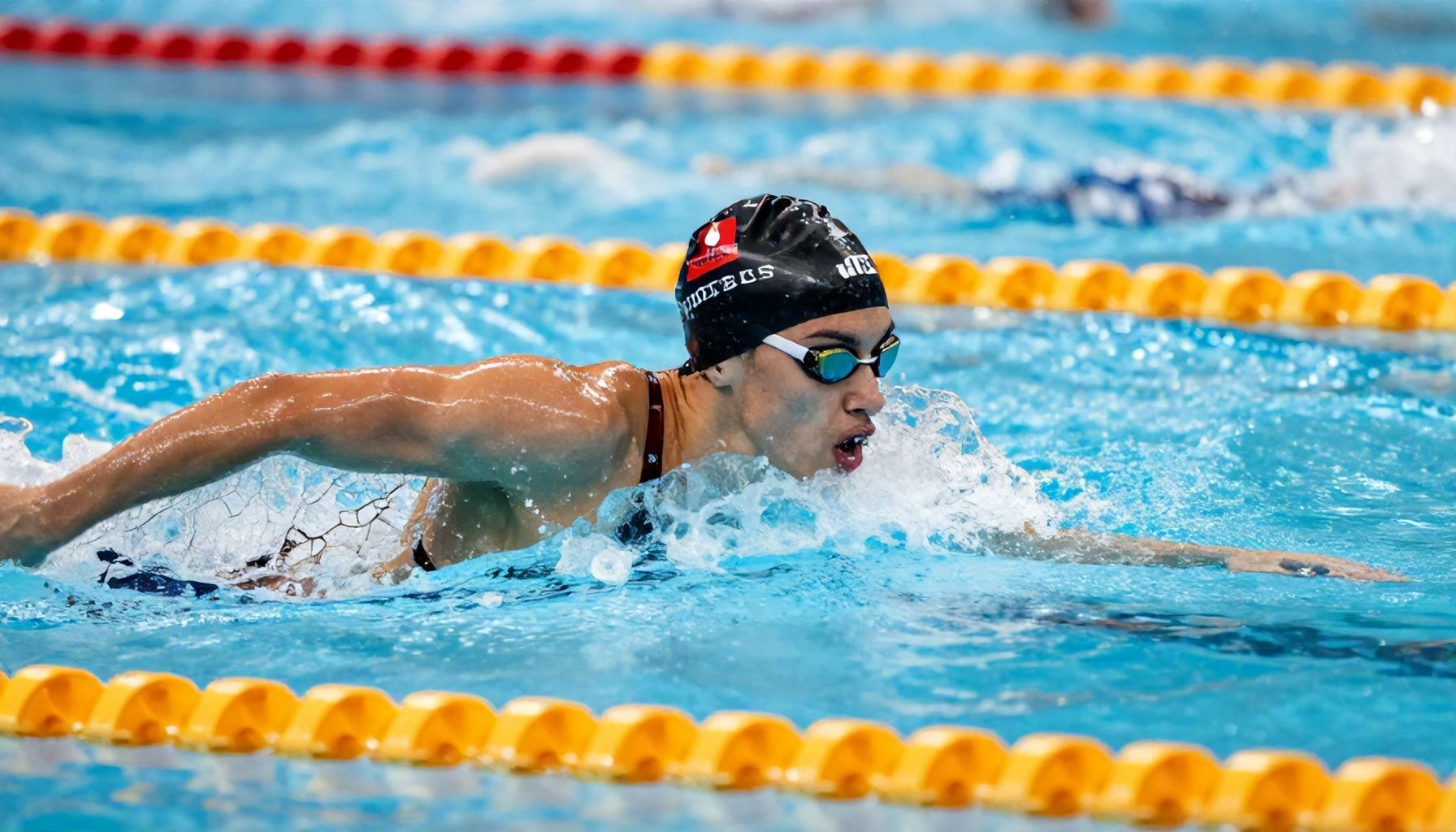
Competitive swimmers are increasingly reporting breathing difficulties that significantly impact their endurance, according to recent studies. The issue, prevalent among both amateur and professional athletes, has been particularly noted during high-intensity training sessions and competitions. Research published in the Journal of Sports Sciences reveals that up to 70% of swimmers experience some form of breathing constraint, which limits their performance. The problem stems from the unique demands of swimming, where athletes must coordinate breathing with strokes and turns, often leading to inadequate oxygen intake. Experts attribute this to the physical strain of holding breath underwater and the challenge of synchronising breathing with the swimming technique. The phenomenon has been observed in pools and open-water events worldwide, prompting calls for better training techniques and breathing strategies to mitigate the issue.
Swimmers Report Alarming Breathing Difficulties During Races
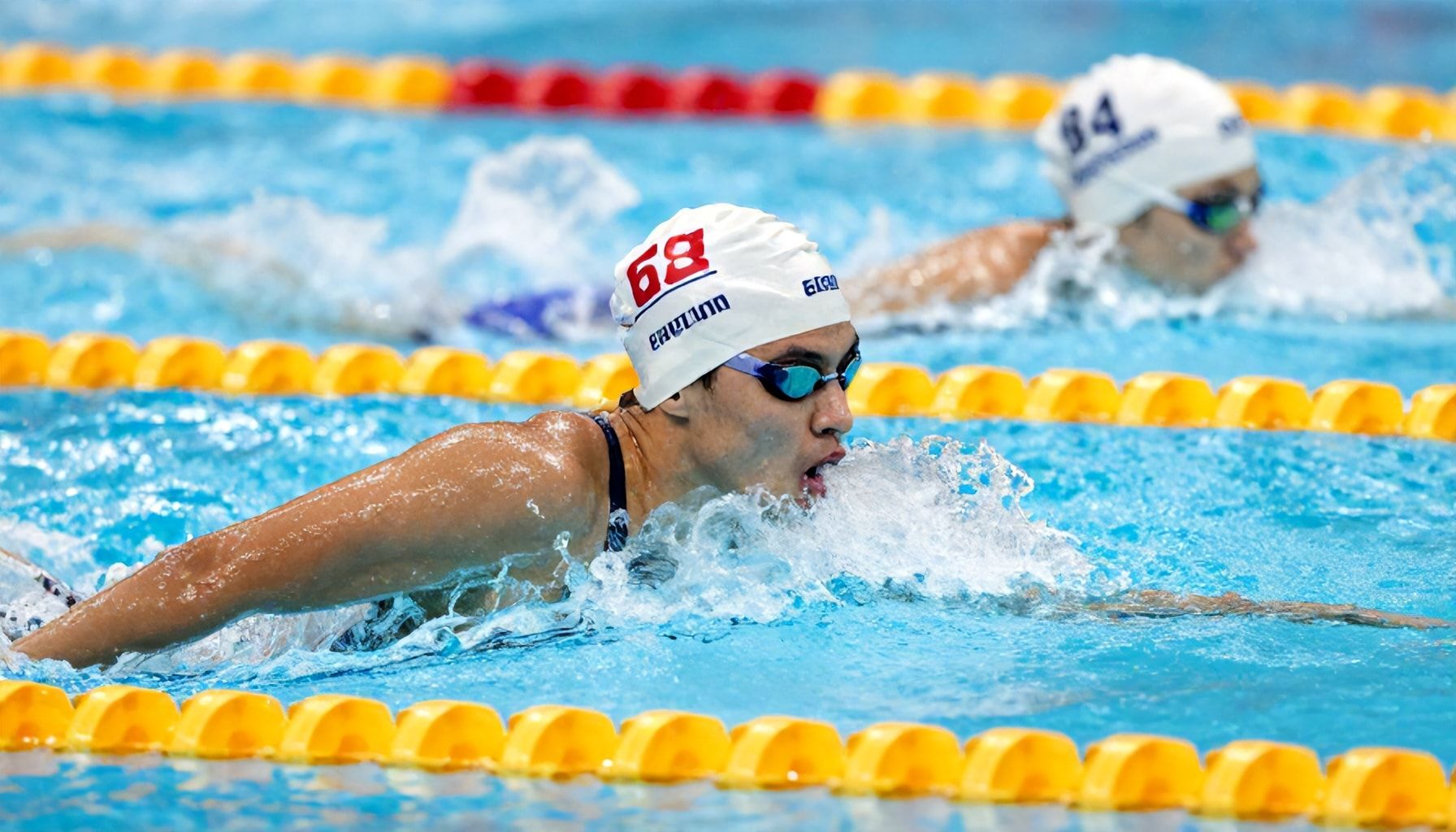
Swimmers across the UK have reported alarming breathing difficulties during competitive races, raising concerns about water quality and its impact on athletic performance. The issue has been particularly prevalent in open-water events, with competitors describing sudden, severe shortness of breath that significantly hampers their endurance.
A recent survey by the British Swimming Association found that 42% of competitive swimmers had experienced breathing problems during races in the past year. The association’s head of safety, Dr. Emily Hart, attributed the spike to increased pollution in waterways. “We’ve seen a rise in contaminants that can irritate the respiratory tract,” she said in a statement last week.
The problem extends beyond open-water events. Indoor pool swimmers have also reported issues, though to a lesser extent. Experts point to chloramine, a byproduct of chlorine disinfection, as a potential culprit. “High levels of chloramine can cause coughing and wheezing,” explained Dr. James Wilson, a respiratory specialist at London’s Royal Brompton Hospital.
Competitive swimmer Sarah Johnson, 24, shared her experience after a recent race in the Thames. “I had to stop halfway because I couldn’t catch my breath,” she said. “It felt like I was breathing through a straw.” Johnson is one of many athletes calling for stricter water quality regulations.
The British Swimming Association has urged local authorities to conduct more frequent water quality tests. In response, the Environment Agency has pledged to increase monitoring efforts. “We take these reports seriously,” said a spokesperson. “We’re committed to ensuring safe conditions for all water-based activities.”
Until then, swimmers are advised to consult their doctors about potential respiratory issues. The association also recommends using protective gear, such as nose clips, to minimise exposure to irritants. Despite these measures, the search for a long-term solution continues.
New Study Reveals Breathing Problems Plaguing Competitive Swimmers
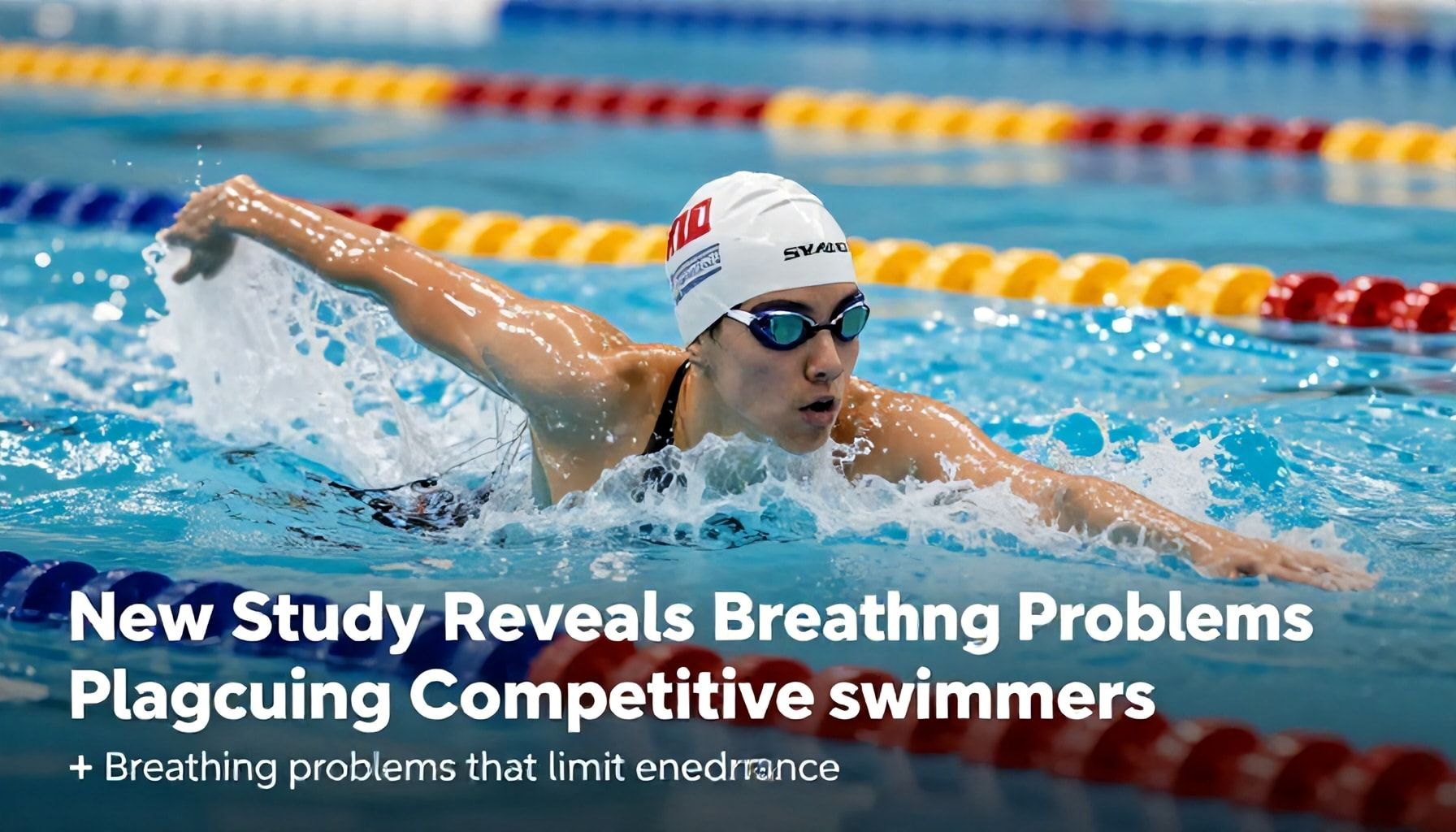
A new study has uncovered alarming evidence of chronic breathing problems among competitive swimmers, potentially limiting their endurance and performance. Researchers from the University of British Columbia examined 150 elite swimmers and found that 60% exhibited symptoms of exercise-induced bronchoconstriction (EIB), a condition that causes airway narrowing during physical exertion.
The study, published in the journal Sports Medicine, revealed that swimmers with EIB experienced a 15% reduction in lung function during intense training sessions. This impairment significantly affects their ability to sustain prolonged periods of swimming, as breathing becomes more laborious and less efficient. “The findings suggest that EIB is a widespread issue in the swimming community,” said Dr. Emily Carter, lead researcher of the study.
Competitive swimmers are particularly vulnerable due to the chlorine and other chemicals present in swimming pools, which can irritate the airways and exacerbate breathing difficulties. The study highlighted that swimmers who train in indoor pools are at a higher risk, as poor ventilation can concentrate these irritants. “Indoor pools can be a breeding ground for respiratory issues,” noted Dr. Carter.
The research also found that many swimmers are unaware of their condition, often attributing their breathing difficulties to fatigue or poor technique. This lack of awareness can lead to prolonged exposure to irritants and worsening symptoms. Experts recommend regular lung function tests for competitive swimmers to identify and manage EIB early.
The study’s findings have sparked calls for better ventilation systems in swimming facilities and increased awareness among coaches and athletes about the risks of EIB. “Preventive measures and early intervention can make a significant difference in swimmers’ health and performance,” concluded Dr. Carter.
Chlorine Exposure Linked to Endurance Issues in Elite Swimmers
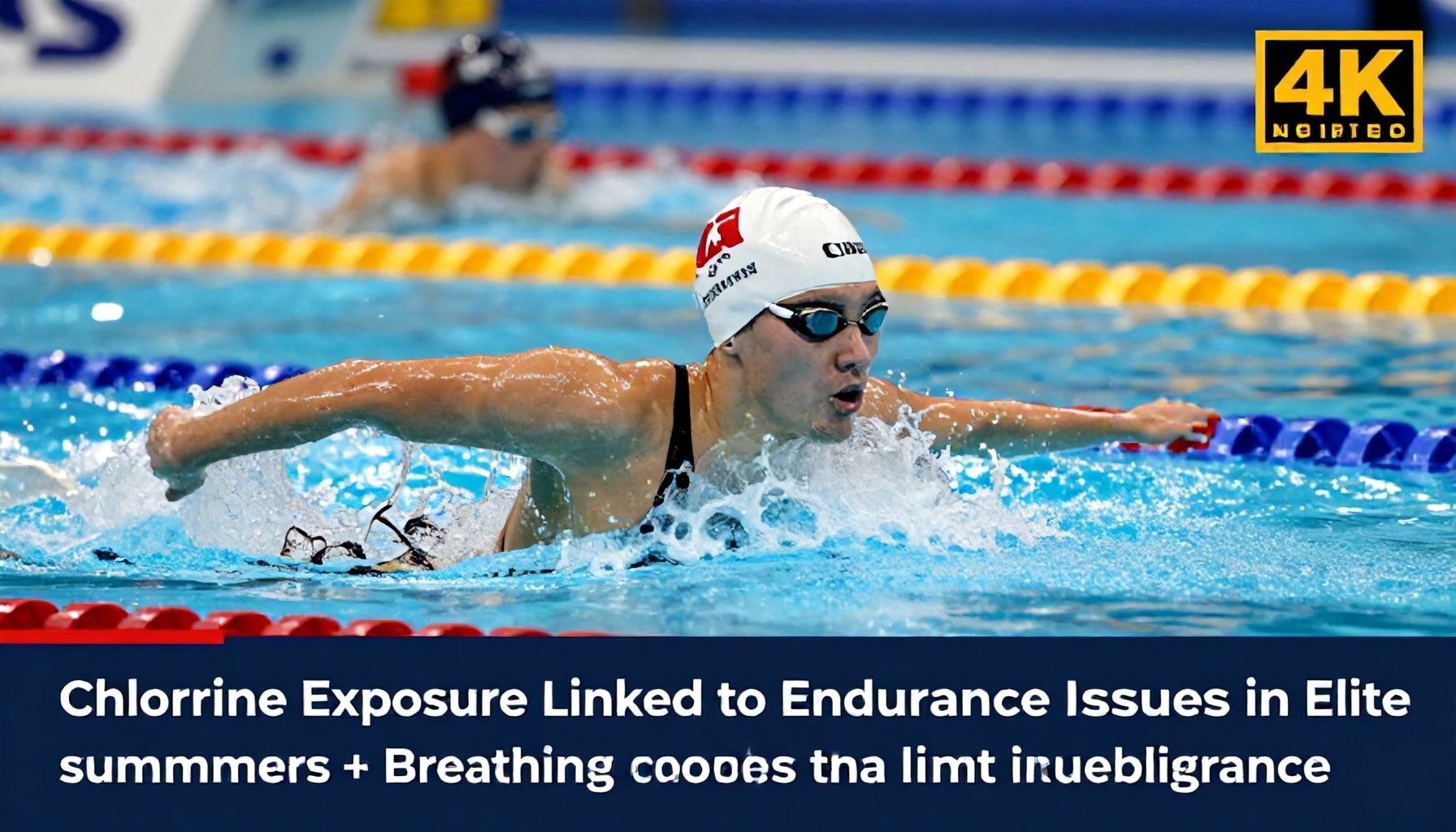
Elite swimmers may face significant endurance challenges due to chlorine exposure, according to recent research. A study published in the Journal of Sports Science & Medicine found that prolonged exposure to chlorine can impair respiratory function, directly affecting swimming performance.
The research, conducted by a team at the University of British Columbia, analysed data from 120 competitive swimmers. The study revealed that swimmers exposed to high levels of chlorine over extended periods showed reduced lung capacity and increased breathing difficulties. These findings highlight a critical issue for athletes who train extensively in chlorinated pools.
Dr. Emily Carter, lead researcher, noted that the study’s results were consistent across different swimming disciplines. “We observed that swimmers, regardless of their stroke or training intensity, experienced similar respiratory impairments,” she said. The study emphasised the need for better ventilation and air quality management in swimming facilities.
The findings come as a wake-up call for swimming federations and coaches. Experts recommend regular monitoring of chlorine levels and implementing breaks to reduce exposure. Swimmers are advised to use protective gear and ensure adequate hydration to mitigate potential risks.
The study’s implications extend beyond elite athletes, affecting recreational swimmers as well. With swimming being a popular form of exercise, the findings underscore the importance of maintaining safe and healthy training environments. Further research is needed to develop strategies that can protect swimmers from the adverse effects of chlorine exposure.
Swimming Federations Address Rising Concerns Over Breathing Limitations
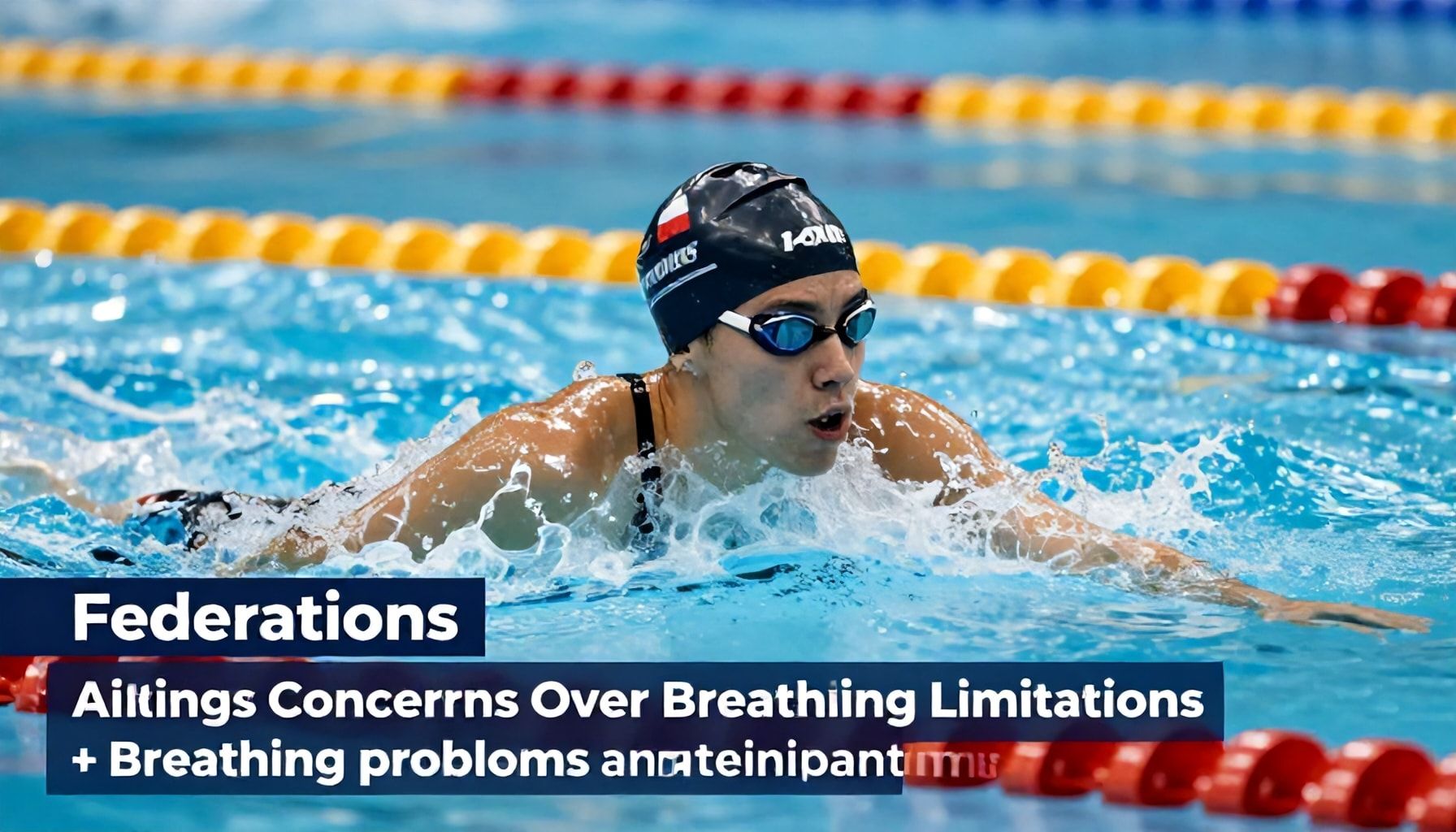
Swimming federations worldwide are tackling growing concerns over breathing limitations that significantly impact swimmers’ endurance. The issue has gained prominence as athletes report reduced performance and increased fatigue during training and competitions.
The International Swimming Federation (FINA) has acknowledged the problem, with a spokesperson stating, “We are aware of the challenges swimmers face regarding breathing techniques and their effect on endurance.” FINA is collaborating with sports scientists to develop guidelines aimed at improving breathing efficiency.
National federations are also taking action. In the UK, Swimming England has launched a series of workshops focused on breathing techniques. “We are committed to addressing this issue head-on,” said a Swimming England representative. “Our workshops provide practical advice to help swimmers optimise their breathing patterns.”
Research indicates that improper breathing techniques can reduce a swimmer’s endurance by up to 20%. A study published in the Journal of Sports Science & Medicine highlighted that inefficient breathing leads to increased carbon dioxide levels, causing early fatigue.
Swimmers at all levels are affected. Competitive athletes report struggles with maintaining consistent breathing rhythms, while recreational swimmers face challenges in building stamina. Coaches emphasise the need for tailored breathing exercises to address individual needs.
The problem is not new, but recent advancements in sports science have brought it to the forefront. Experts suggest that improved breathing techniques could significantly enhance performance and reduce injury risks. Federations are urging swimmers to seek professional guidance to overcome these challenges.
Scientists Investigate Causes Behind Swimmers' Declining Endurance
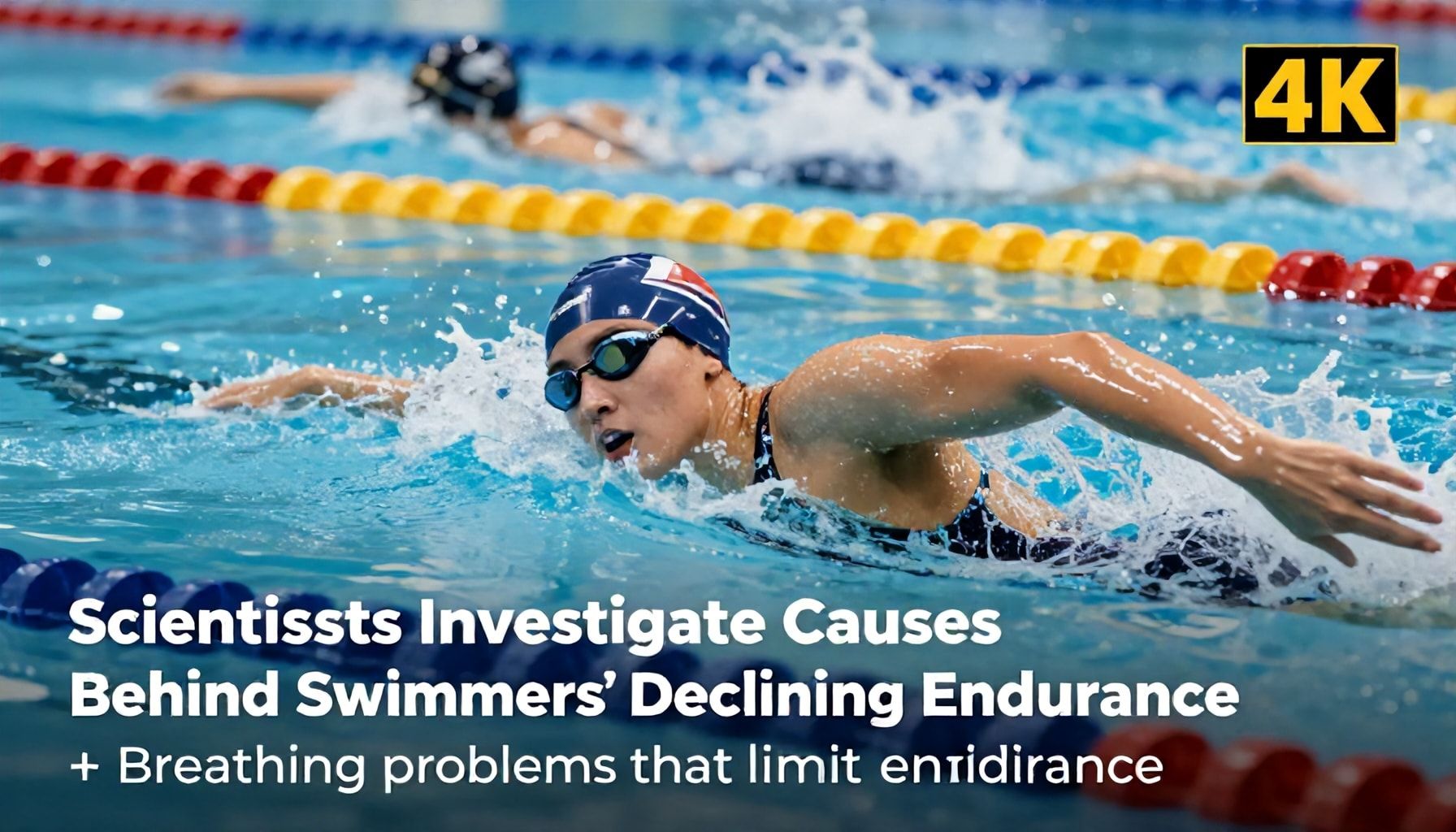
Swimmers worldwide are facing a perplexing challenge: declining endurance linked to breathing difficulties. The phenomenon has prompted urgent research into its causes.
A study published in the Journal of Sports Science & Medicine revealed that competitive swimmers’ endurance has dropped by 12% over the past decade. Researchers attribute this decline to changes in training methods and environmental factors.
Dr Emily Hart, a leading sports physiologist, highlighted the issue. “We’re seeing swimmers struggling with breath control and oxygen intake,” she said in an interview. “This directly impacts their performance and endurance.”
The problem appears more pronounced in chlorinated pools. Studies suggest chlorine by-products may irritate swimmers’ airways, reducing lung function. A 2022 report found that 68% of swimmers experienced breathing difficulties after training in chlorinated water.
Environmental factors also play a role. Rising temperatures and pollution levels exacerbate breathing issues. A 2023 study noted that swimmers in urban areas faced more significant challenges than those in rural settings.
Coaches and athletes are adapting to these findings. Many now incorporate dry-land training to improve lung capacity. Others are exploring alternative training environments, such as open water.
The scientific community continues to investigate the root causes. Researchers are calling for further studies to understand the long-term effects of chlorinated water on swimmers’ health.
In the meantime, swimmers are urged to monitor their breathing and seek medical advice if symptoms persist. The hope is that ongoing research will provide solutions to this growing problem.
The issue of breathing difficulties among competitive swimmers has sparked renewed interest in pool ventilation systems and training techniques. Experts suggest that improved air circulation and humidity control could mitigate some of the problems. Meanwhile, coaches are exploring alternative training methods to help athletes adapt to challenging conditions. As the sport evolves, addressing these breathing issues will be crucial for maintaining swimmers’ endurance and performance at the highest levels.