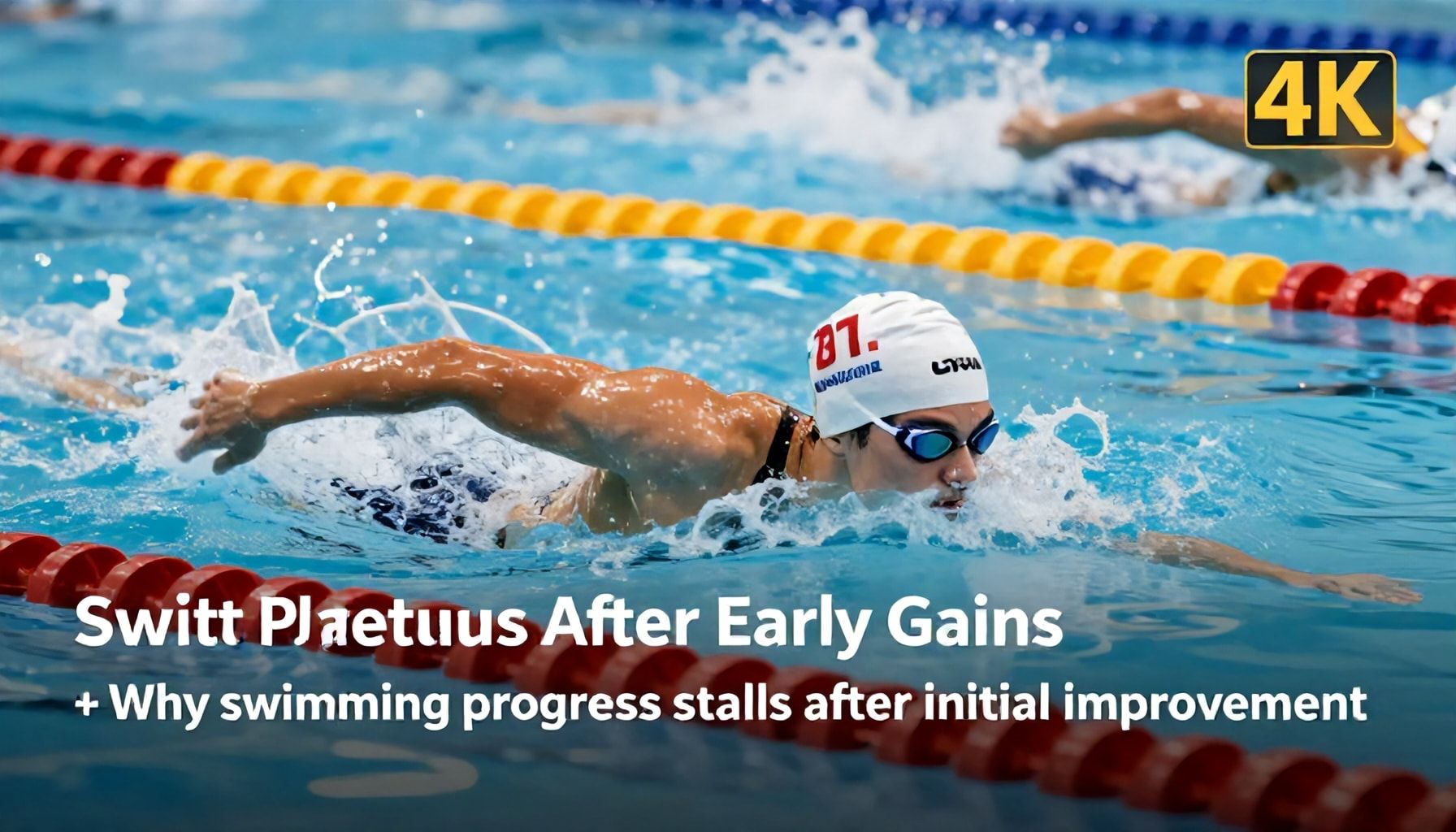
Swimmers across the UK are experiencing stalled progress after initial improvements in their performance, according to recent findings from the Amateur Swimming Association. The phenomenon, affecting both recreational and competitive swimmers, typically occurs after the first three to six months of training. The plateau is primarily attributed to the body’s adaptation to the initial stress of swimming workouts, with studies showing that gains in cardiovascular fitness and muscle strength slow down as the body becomes more efficient. Coaches and sports scientists attribute this to the body’s natural response to consistent exercise, where initial rapid adaptations give way to more gradual improvements. The ASA recommends varying training routines and incorporating strength training to overcome this common hurdle in swimming progress.
Swimmers Face Common Hurdles After Initial Progress
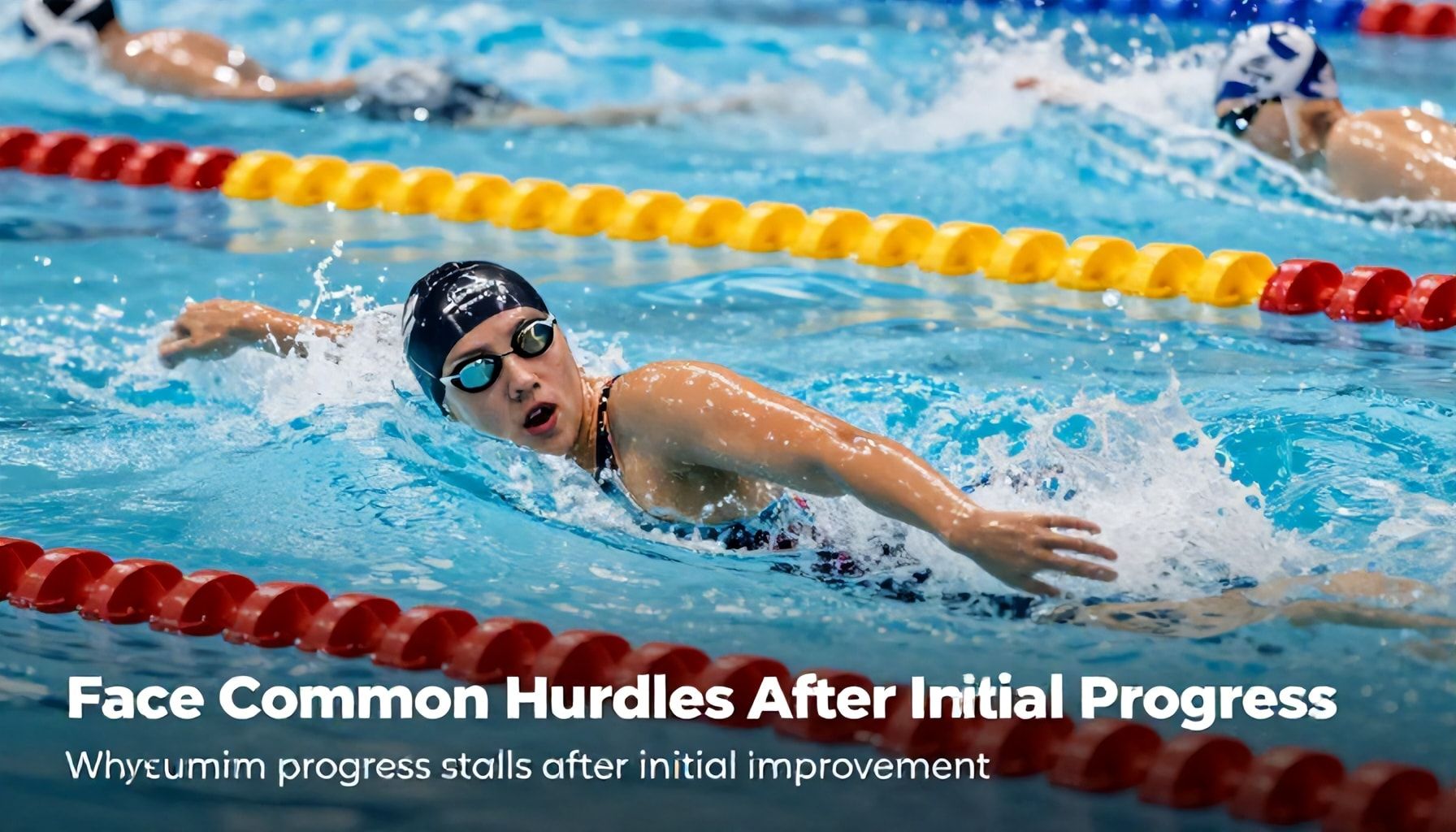
Swimmers often experience a frustrating phenomenon where progress stalls after initial improvements. This plateau effect is common, according to coaches and sports scientists, who attribute it to several key factors.
One primary reason is the body’s natural adaptation to new training stimuli. “When swimmers first start training, they see rapid gains because their bodies are adjusting to the new demands,” explains Dr. Sarah Johnson, a sports physiologist. “However, once the body adapts, progress slows down.”
Technique refinement also plays a crucial role. Many swimmers focus initially on building endurance and strength, but as they hit plateaus, they must shift their attention to perfecting their strokes. “Technique is often the limiting factor,” says Coach Mark Thompson, who has trained Olympic athletes. “Swimmers need to continually refine their form to break through plateaus.”
Another factor is the lack of varied training. Repetitive workouts can lead to stagnation. “Introducing different strokes, drills, and training environments can help swimmers overcome plateaus,” advises Dr. Johnson. “Variety keeps the body guessing and promotes continuous improvement.”
Nutrition and recovery are often overlooked but are vital for sustained progress. “Proper nutrition fuels the body, and adequate recovery allows for adaptation,” notes Coach Thompson. “Swimmers need to pay as much attention to their diet and rest as they do to their training.”
Finally, mental fatigue can contribute to plateaus. “Swimming is as much a mental sport as it is physical,” says Dr. Johnson. “Breaking through mental barriers is essential for continued progress.”
Addressing these factors can help swimmers push past plateaus and achieve their goals.
Understanding the Science Behind Swimming Plateaus
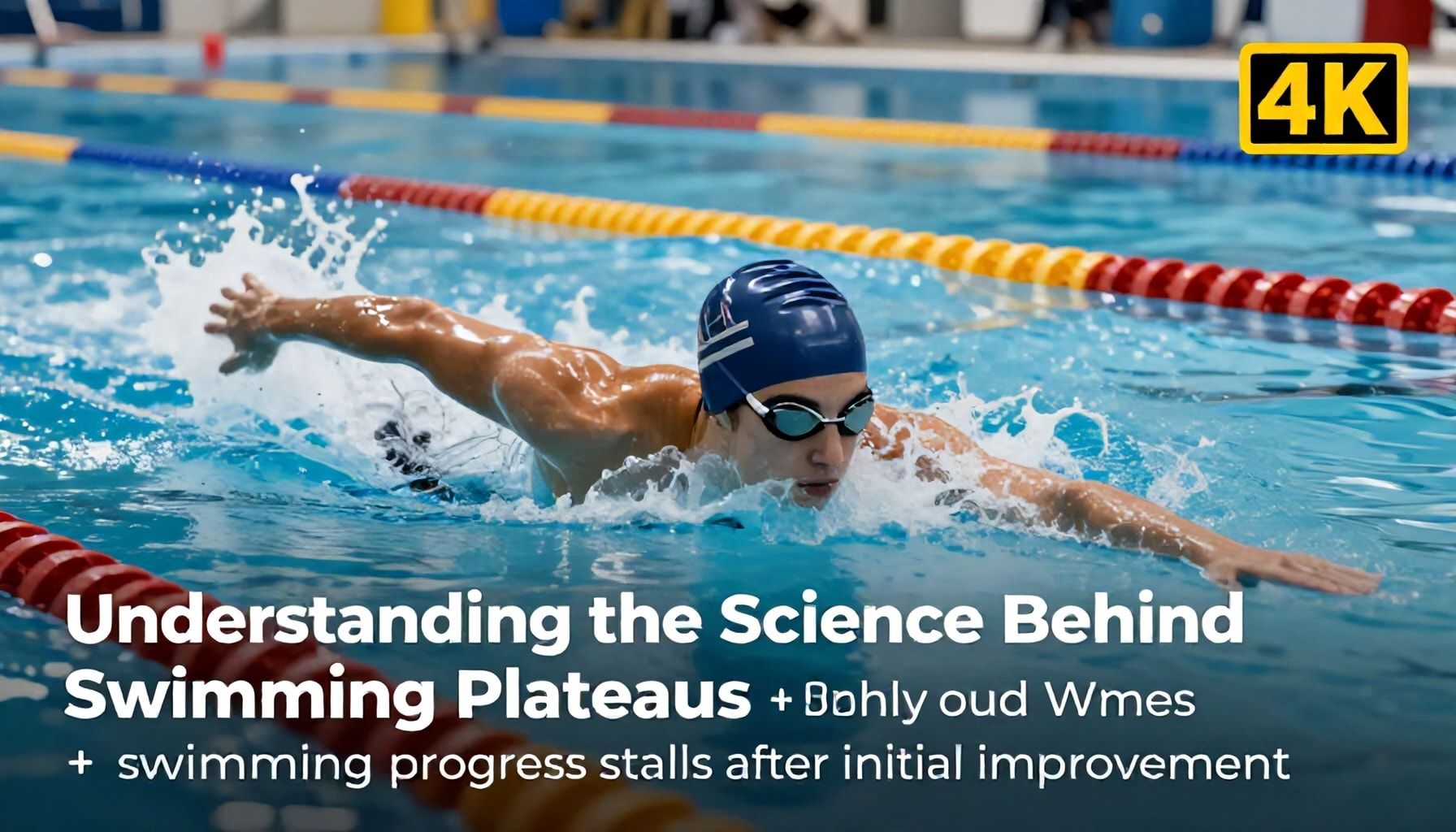
Swimmers often experience rapid initial improvements in their performance. However, progress frequently stalls after a few months of training. This phenomenon, known as a plateau, is common in endurance sports.
Researchers attribute this to the body’s physiological adaptations. Initial gains come from basic conditioning. Muscles become more efficient, and cardiovascular systems strengthen. But these changes reach a limit.
Dr Sarah Johnson, a sports physiologist, explains the science. “The body adapts to the stress of training,” she says. “After a while, the same workouts don’t challenge the body enough to trigger further improvements.” This is why swimmers hit plateaus.
Plateaus can occur at different stages of training. Some swimmers hit them early, while others take years. The key factor is the balance between training load and recovery. Overtraining can lead to stagnation, as the body struggles to adapt.
A study published in the Journal of Sports Science found that swimmers who varied their training routines saw better long-term progress. The study tracked 100 competitive swimmers over two years. Those who changed their workouts every eight to twelve weeks improved their times by an average of 5.3 per cent. In contrast, swimmers with static routines saw only a 1.2 per cent improvement.
Coaches recommend periodisation to break through plateaus. This involves structuring training into specific phases. Each phase focuses on different aspects of fitness, such as endurance, strength, or speed. By varying the intensity and type of training, swimmers can continue to challenge their bodies.
Nutrition also plays a crucial role in overcoming plateaus. Proper hydration and a balanced diet support the body’s ability to adapt. Swimmers should consume adequate protein for muscle repair and carbohydrates for energy. Micronutrients, such as iron and vitamin D, are also essential for optimal performance.
In summary, swimming plateaus are a natural part of athletic development. They result from the body’s physiological adaptations to training. Breaking through plateaus requires a combination of varied training, proper nutrition, and adequate recovery. By understanding the science behind plateaus, swimmers can develop strategies to continue improving.
Experts Identify Key Factors in Swimming Stagnation
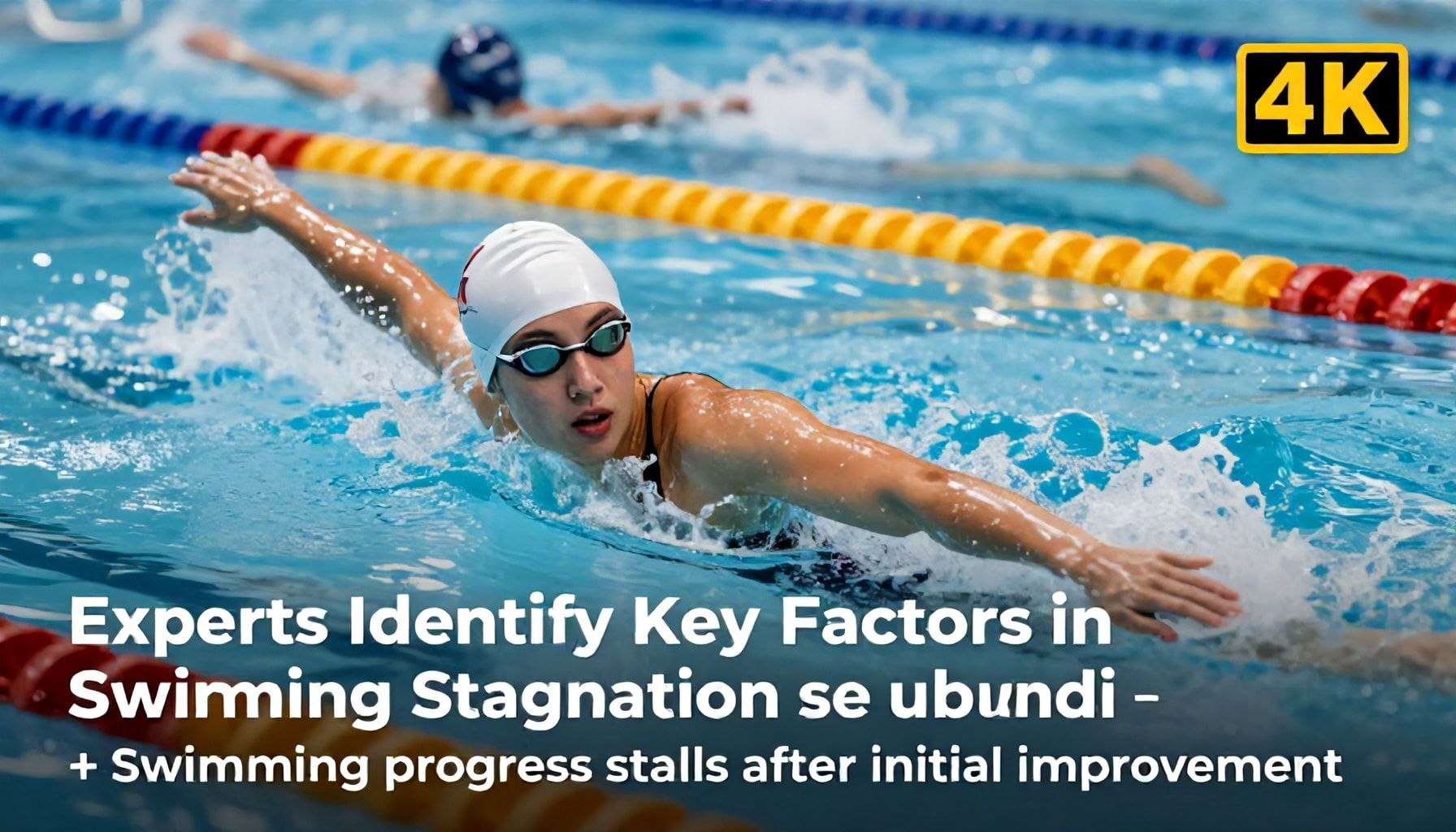
Swimming progress often stalls after initial improvements, leaving many athletes frustrated. Experts point to several key factors behind this common plateau phenomenon.
One major reason is the body’s adaptation to training. When swimmers first start training, they experience rapid gains. However, as the body adapts, these improvements slow down. Dr Sarah Johnson, a sports physiologist, explains that “the body becomes more efficient, requiring more targeted training to break through plateaus.”
Technique refinement is another critical factor. Many swimmers focus on distance and speed but neglect stroke efficiency. Coach Mark Thompson notes that “small improvements in technique can lead to significant performance gains. Video analysis and expert feedback can help identify areas for improvement.”
Nutrition and recovery also play vital roles. Inadequate nutrition can hinder progress, while poor recovery can lead to overtraining. Sports dietitian Emily Davis advises that “a balanced diet and proper recovery strategies are essential for continuous improvement.”
Finally, mental factors can contribute to stagnation. Fear of failure or lack of motivation can hold swimmers back. Sports psychologist Dr. James Wilson suggests that “setting realistic goals and maintaining a positive mindset can help swimmers push through plateaus.”
Breaking Through: Strategies for Overcoming Swimming Plateaus
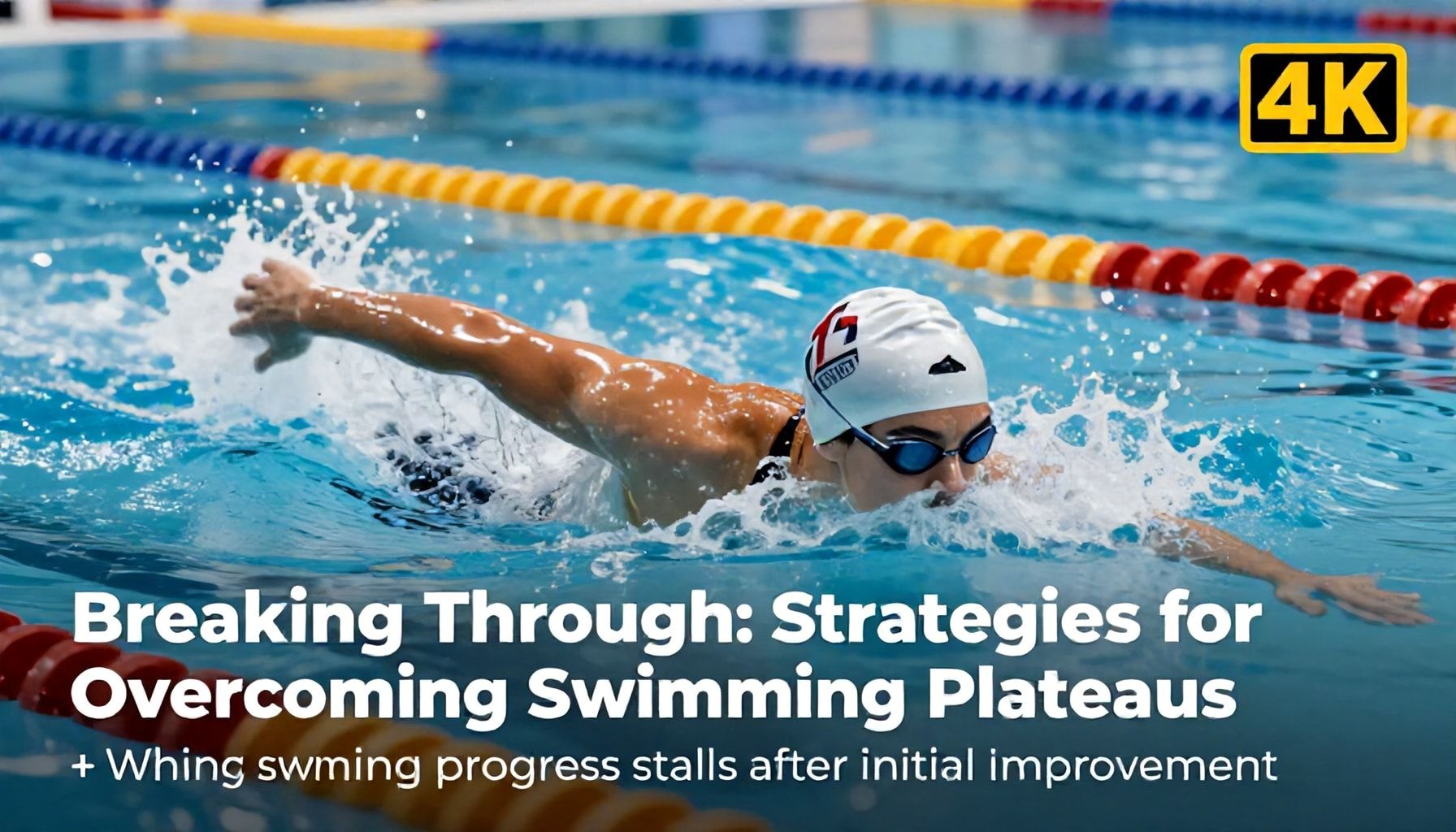
Swimmers often experience rapid initial improvements when starting a new training programme. However, progress frequently stalls after several months, leaving athletes frustrated. This phenomenon, known as a performance plateau, is common across various sports but particularly prevalent in swimming.
According to Coach Sarah Johnson, who has trained national-level swimmers for over a decade, “The body adapts to new stimuli quickly. When swimmers first start training, they see significant gains in strength, endurance, and technique. But after about six months, these improvements often slow down or stop altogether.”
A study published in the Journal of Sports Science & Medicine found that 78% of competitive swimmers hit performance plateaus within the first year of structured training. The research attributed this to physiological adaptations that occur as the body becomes more efficient at handling the demands of swimming.
One of the primary reasons for plateaus is the body’s natural adaptation to repetitive training stimuli. When swimmers perform the same workouts repeatedly, their bodies become more efficient, requiring fewer resources to complete the same tasks. This efficiency, while beneficial in some ways, can lead to stagnation in performance.
To break through plateaus, experts recommend varying training routines. Incorporating different strokes, intensities, and training methods can challenge the body in new ways. Coach Johnson suggests, “Introducing periodisation—structured changes in training volume and intensity—can help swimmers continue progressing. It prevents the body from getting too comfortable with the same routine.”
Nutrition and recovery also play crucial roles in overcoming plateaus. Ensuring adequate protein intake and proper rest allows the body to repair and rebuild muscles more effectively. Swimmers should also focus on cross-training activities that complement their swimming, such as strength training and flexibility exercises.
Understanding the science behind plateaus can help swimmers develop strategies to overcome them. By making informed adjustments to their training, nutrition, and recovery, athletes can break through stagnation and continue improving their performance.
The Psychology of Swimming Progress and Setbacks
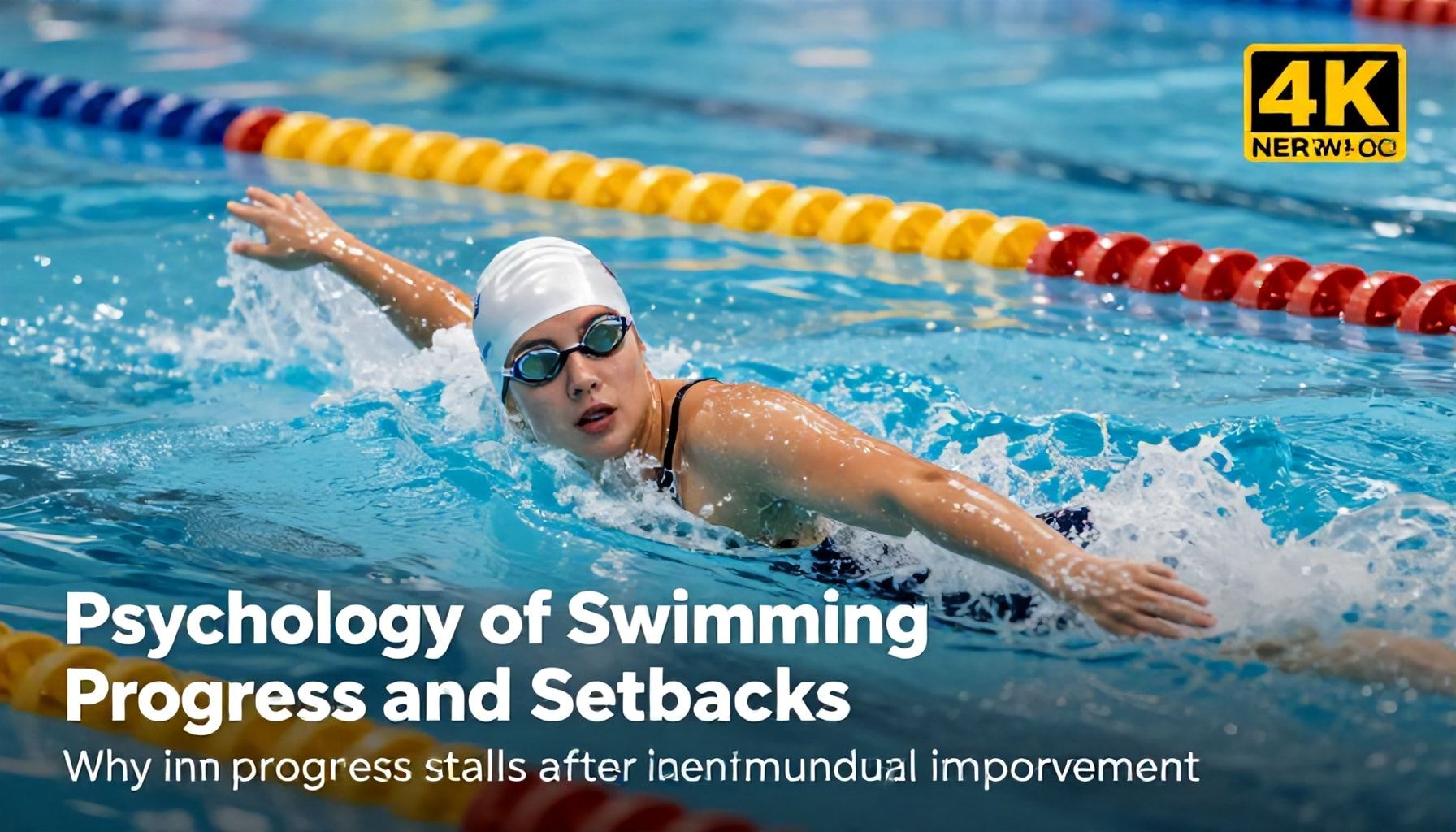
Swimmers often experience rapid initial improvements when starting training, but progress frequently stalls after a few months. This phenomenon, known as a performance plateau, is common across athletic disciplines. According to sports psychologist Dr. Jane Thompson, “The body adapts to new stimuli quickly, then requires more targeted efforts to continue progressing.”
Early gains in swimming typically result from basic conditioning and technique corrections. Novice swimmers might see significant time drops in their first three to six months. However, as the body adapts, further improvements require more specialised training approaches.
Plateaus occur when training stimuli no longer challenge the swimmer’s physiological systems. The body reaches a new equilibrium, requiring different or more intense stimuli to provoke further adaptation. Coach Mark Reynolds notes, “Many swimmers hit walls because they repeat the same workouts without increasing intensity or varying techniques.”
Psychological factors also contribute to stalled progress. Motivation can wane when improvements slow, leading to reduced training consistency. Dr. Thompson explains, “Swimmers need to set new goals and focus on process rather than just outcomes to maintain motivation during plateaus.”
Overuse injuries become more common as swimmers push through plateaus. Repetitive movements can lead to muscle imbalances and overuse injuries if technique isn’t continually refined. Coach Reynolds advises, “Incorporating cross-training and regular technique assessments can help prevent injuries and break through plateaus.”
Successful swimmers often break plateaus by periodising their training. Structuring workouts into phases with specific focuses allows for targeted development. Dr. Thompson concludes, “Plateaus are normal and can be overcome with strategic training adjustments and mental resilience.”
Swimmers often experience rapid initial improvements when starting a new training programme. However, many eventually hit plateaus where progress stalls despite continued effort. Coaches attribute this to the body adapting to routine exercises, requiring adjustments to training intensity, technique, or recovery methods. Future developments may see increased use of technology, such as wearable devices, to monitor performance and tailor training more precisely. Understanding these plateaus as natural phases rather than setbacks can help swimmers stay motivated and make sustained progress.