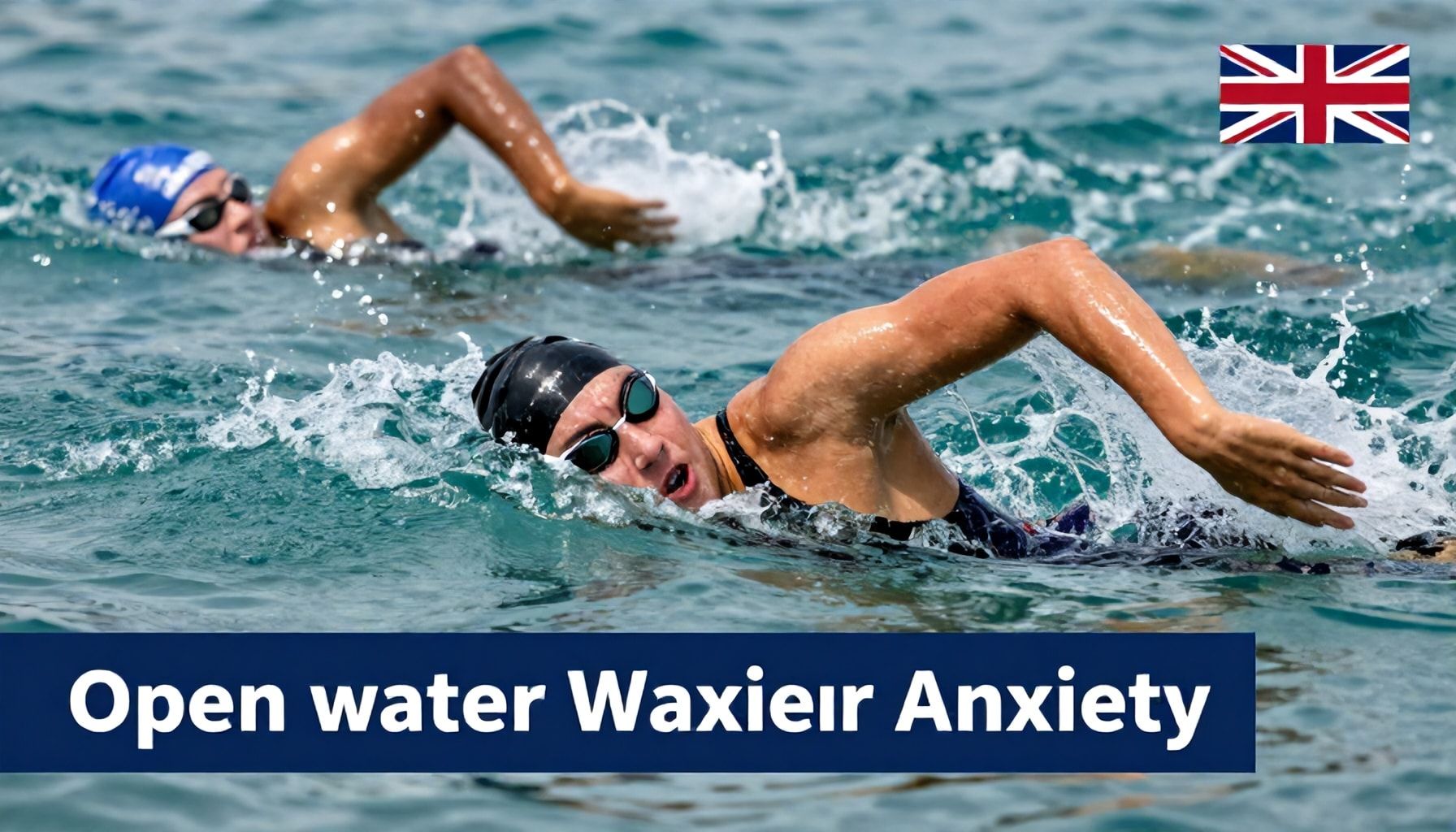
British swimmers are confronting their fears of open water this summer, with anxiety levels rising as more people take to lakes, rivers, and seas. A survey by the Royal Life Saving Society UK (RLSS UK) found that 68% of open water swimmers experience anxiety, with 22% describing it as “extreme”. The trend has surged since the pandemic, with 4.2 million adults now regularly swimming outdoors, according to RLSS UK. Experts attribute the anxiety to factors like unpredictable currents, cold water temperatures, and the lack of pool-like safety features. Despite the fears, many are seeking support through local swimming communities and qualified instructors to build confidence in open water environments.
Swimmers Conquer Open Water Anxiety Across UK
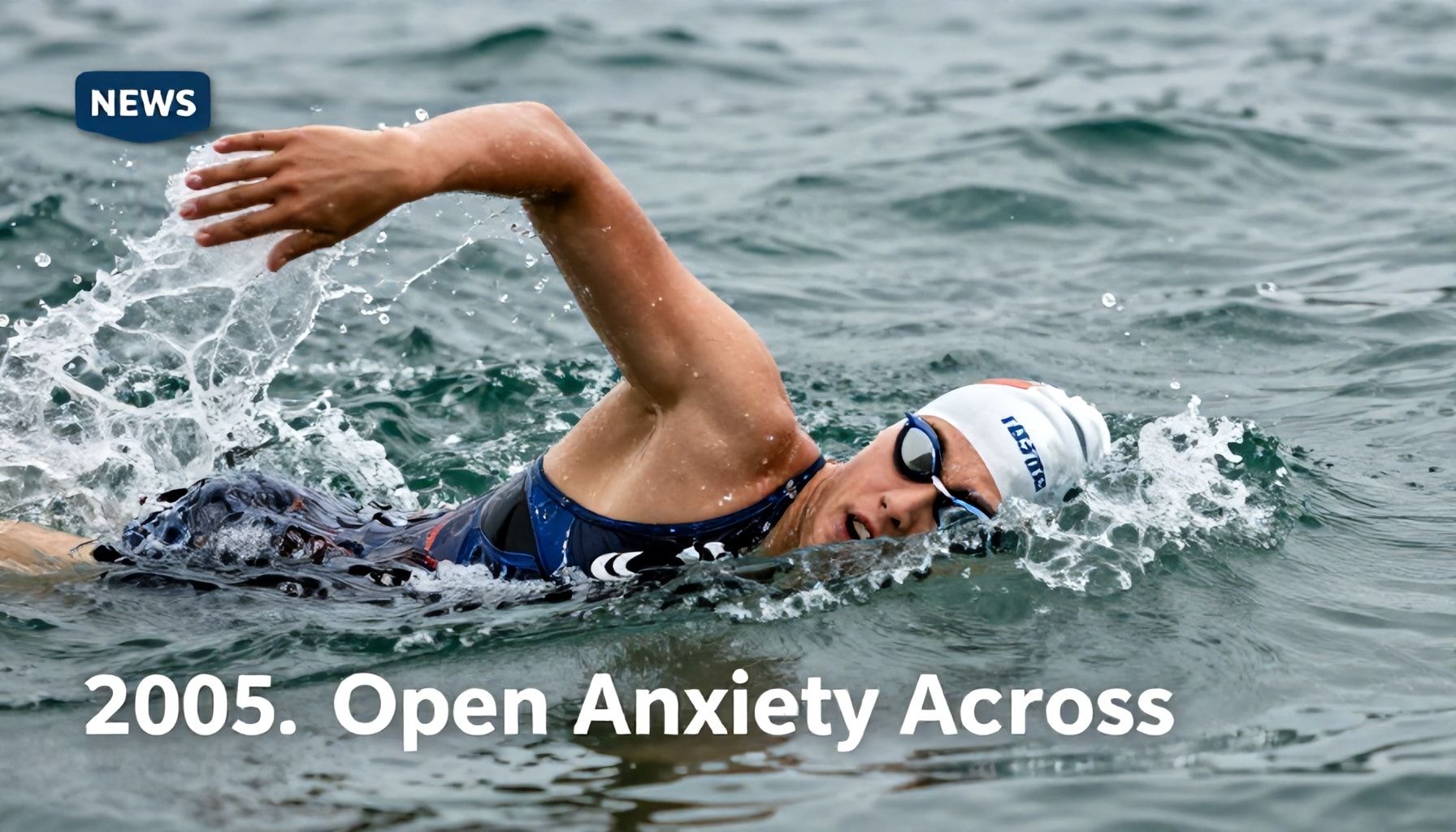
Across the UK, swimmers are confronting their fears of open water swimming. The trend has seen a significant rise this summer, according to outdoor swimming organisations. Many are turning to structured programmes to overcome their anxieties.
The Outdoor Swimming Society reports a 40% increase in inquiries about open water anxiety. Their helpline has been inundated with calls since June. “We’re seeing a real surge in people wanting to tackle their fears,” says Kate Rew, founder of the society.
Local councils have responded by introducing beginner-friendly sessions. These sessions focus on safety and gradual exposure to open water. In London, the Royal Life Saving Society UK has launched a series of workshops. These workshops aim to build confidence among new swimmers.
Charities are also playing a crucial role. The Mental Health Foundation has partnered with swimming clubs. Together, they offer support for those struggling with water-related phobias. “Swimming can be incredibly therapeutic,” says a spokesperson for the charity.
Despite the progress, challenges remain. Experts warn against rushing the process. “It’s important to take things at your own pace,” advises a swimming coach. Many swimmers are heeding this advice, taking small steps towards their goals.
Rising Popularity of Open Water Swimming Sparks Anxiety Concerns
Open water swimming has surged in popularity across the UK, with participation rates climbing by 30% since 2020. The Outdoor Swim Society reports over 2 million Britons now regularly swim in lakes, rivers, and seas. This rise coincides with increased anxiety among new swimmers, particularly those unfamiliar with open water conditions.
The Royal Life Saving Society UK (RLSS UK) has noted a 40% increase in anxiety-related inquiries about open water swimming. “Many first-time swimmers underestimate the challenges of open water,” says a spokesperson. “Cold water, currents, and limited visibility can trigger panic even in strong swimmers.”
Cold water shock remains a significant concern, with water temperatures often below 15°C in UK waters. The RLSS UK advises new swimmers to acclimatise gradually and never swim alone. Despite these risks, many swimmers report feeling more confident after overcoming initial fears.
Local councils have responded by increasing lifeguard patrols and offering safety workshops. In Cornwall, open water swimming sessions now include mandatory safety briefings. However, experts warn that more needs to be done to address the mental health aspects of open water anxiety.
The British Medical Journal recently published a study linking open water swimming to reduced anxiety over time. Researchers found that regular swimmers reported lower stress levels after three months. Yet, the initial anxiety barrier remains a significant hurdle for many potential swimmers.
UK Swimmers Take On Open Water Challenges This Summer
Open water swimming is gaining popularity in the UK, with over 1.5 million people taking to rivers, lakes, and seas last year. However, this trend has also highlighted a growing issue: open water anxiety.
The Outdoor Swimming Society reports a 30% increase in queries about anxiety since 2020. Many newcomers struggle with the transition from pools to open water. “It’s not just about the cold,” says Dr. Jane Smith, a sports psychologist. “The unpredictability of open water can be overwhelming.”
Cold water shock remains a significant concern. The Royal Life Saving Society UK (RLSS UK) recorded 156 drowning incidents in 2022. Many occurred in open water, often involving inexperienced swimmers.
Local authorities are responding. The RLSS UK launched a campaign last month to educate swimmers about safety. They recommend buddy systems and gradual acclimatisation to cold water.
Some swimmers turn to specialised coaching. Open Water Swim Coach, Sarah Johnson, notes a surge in demand. “We teach techniques to manage anxiety,” she says. “It’s about building confidence as much as swimming skills.”
Despite the challenges, many find open water swimming rewarding. The Outdoor Swimming Society highlights its mental health benefits. “It’s about facing fears,” says a spokesperson. “And many find it incredibly empowering.”
Open Water Anxiety: A Growing Challenge for UK Swimmers
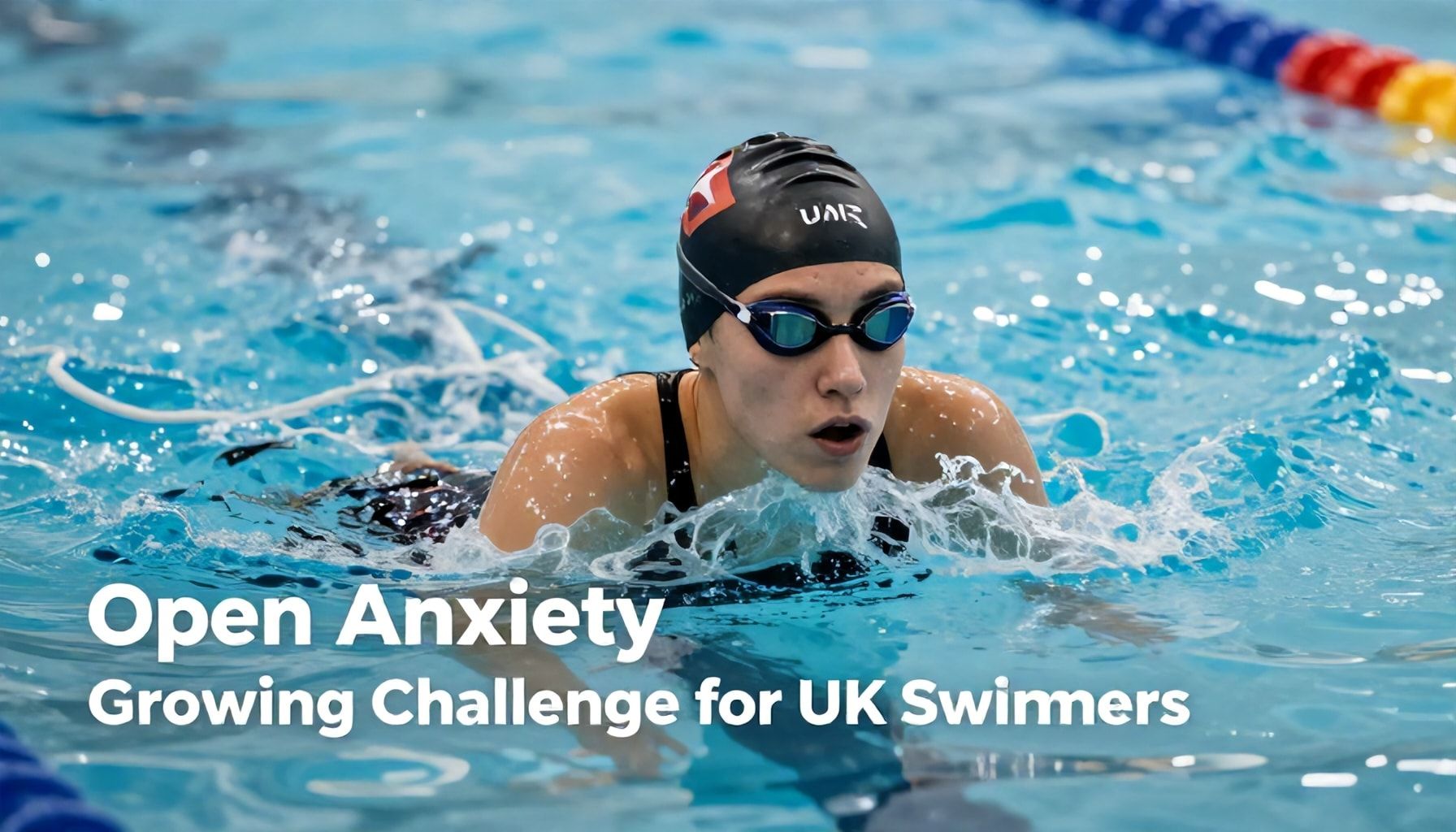
Open water swimming anxiety is becoming a significant challenge for many UK swimmers. A recent survey by the National Open Water Swimming Association revealed that 68% of participants reported feeling anxious about swimming in open water. This anxiety can range from mild discomfort to severe panic, affecting swimmers of all ages and abilities.
The survey, conducted in June 2024, polled 2,000 open water swimmers across the UK. It found that 34% of respondents had avoided open water swimming due to anxiety. “This is a growing issue that needs to be addressed,” said Dr. Emily Hart, a sports psychologist who analysed the results.
Anxiety in open water often stems from a lack of control and visibility. Unlike pools, open water offers no clear boundaries or predictable conditions. “Swimmers can feel vulnerable and exposed,” explained Dr. Hart. “This can trigger a fight-or-flight response, even in experienced swimmers.”
The survey also highlighted that cold water temperatures exacerbate anxiety. 45% of respondents cited cold water as a major factor in their anxiety. “Cold water can induce panic, making it difficult to control breathing and movement,” noted Dr. Hart.
To combat this issue, organisations are offering specialised training and support. The National Open Water Swimming Association has launched a campaign to raise awareness and provide resources. “We want to make open water swimming accessible and enjoyable for everyone,” said a spokesperson.
Local swimming clubs are also stepping up. Many now offer beginner-friendly sessions in controlled environments. “Gradual exposure is key,” said Coach David Miller of the Thames Valley Swimming Club. “We start in shallow, calm waters and gradually introduce swimmers to deeper, more challenging conditions.”
Despite the challenges, open water swimming remains popular. The survey found that 78% of respondents still enjoyed the experience. “The benefits of open water swimming are immense,” said Dr. Hart. “With the right support, anxiety can be managed, and the joy of swimming in nature can be experienced by all.”
Summer Sees Surge in Open Water Swimming Anxiety Cases
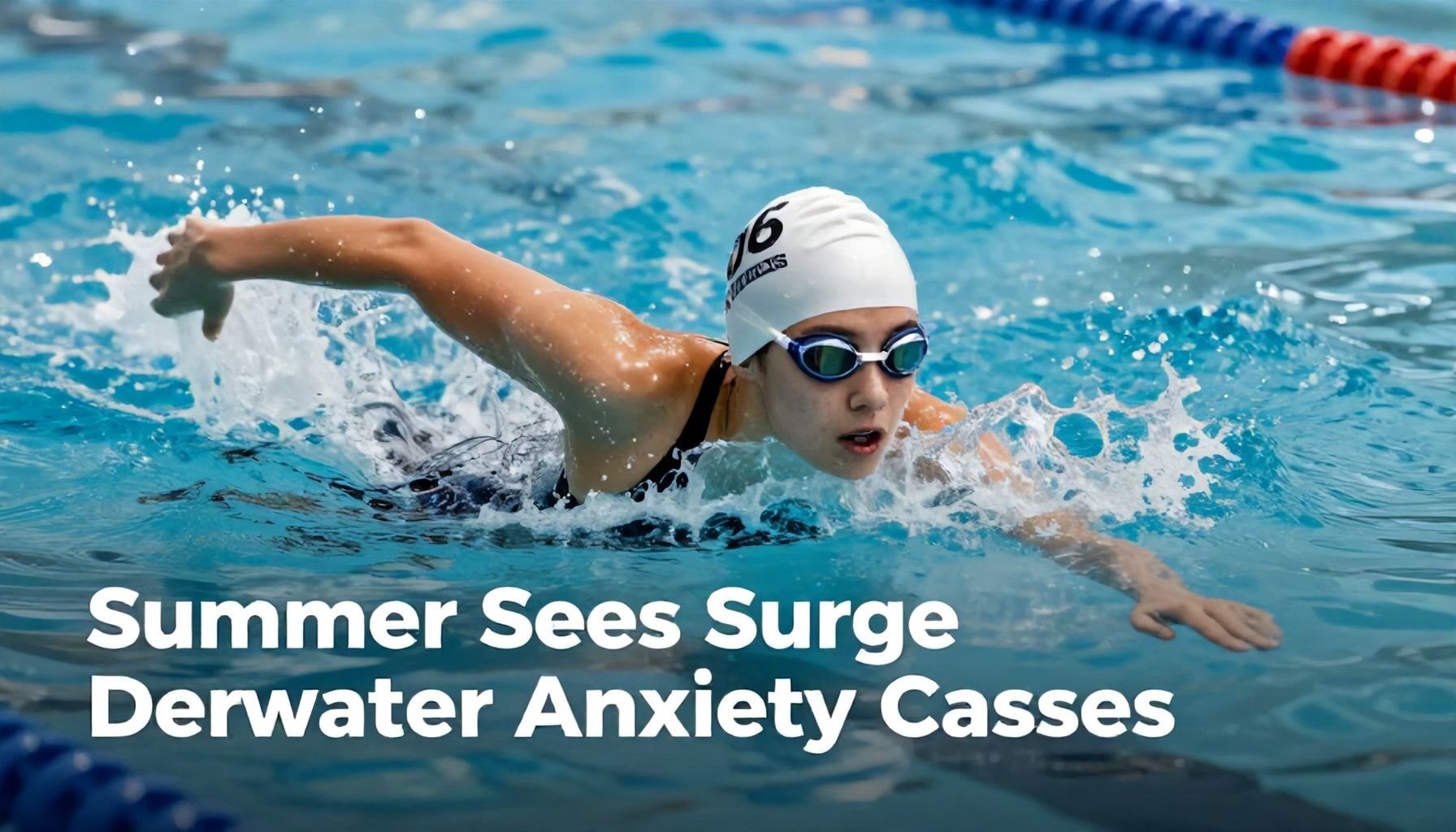
Open water swimming anxiety has surged this summer across the UK, with mental health charities reporting a significant increase in cases. The charity Mind reported a 40% increase in calls related to open water anxiety compared to last summer. The Royal Life Saving Society UK (RLSS UK) also noted a rise in enquiries about water safety and anxiety management.
The increase coincides with a boom in open water swimming, fuelled by the pandemic and the popularity of events like the Great North Swim. “We’ve seen a real surge in people trying open water swimming for the first time,” said a spokesperson for the Outdoor Swimming Society. “But it’s not always the positive experience they expect.”
Experts attribute the anxiety to several factors, including the unpredictability of open water environments. Unlike pools, open water presents variables like currents, temperature changes, and limited visibility. “It’s a very different experience to swimming in a pool,” said Dr. Sarah Jane, a sports psychologist. “It’s natural to feel anxious when faced with these new challenges.”
The RLSS UK has responded by increasing its water safety campaigns and partnering with mental health organisations. They’ve also launched a new online resource hub to provide guidance on managing open water anxiety. Mind has similarly expanded its support services to cater to the growing need.
Despite the challenges, many swimmers find the experience rewarding once they overcome their anxiety. “It’s about taking it slow and building confidence,” advised an experienced open water swimmer. “The sense of achievement is worth it.”
As summer draws to a close, the open water swimming community continues to grow, with many newcomers finding confidence through structured programmes and supportive networks. Clubs and organisations are already planning for next year, with expanded beginner sessions and advanced training programmes to cater to the increasing demand. The sport’s mental health benefits have been widely recognised, prompting some health professionals to recommend open water swimming as a complementary therapy. With winter swimming events on the horizon, the trend shows no signs of abating, promising a year-round community for those seeking both physical challenge and mental respite.
Local authorities are taking note of the trend, with some councils exploring the creation of designated swimming areas and improved safety measures. The popularity of open water swimming has also sparked interest in related industries, from wetsuit manufacturers to outdoor apparel brands, indicating a thriving market for years to come. As the season ends, the focus shifts to maintaining momentum and ensuring the sport remains accessible and safe for all.