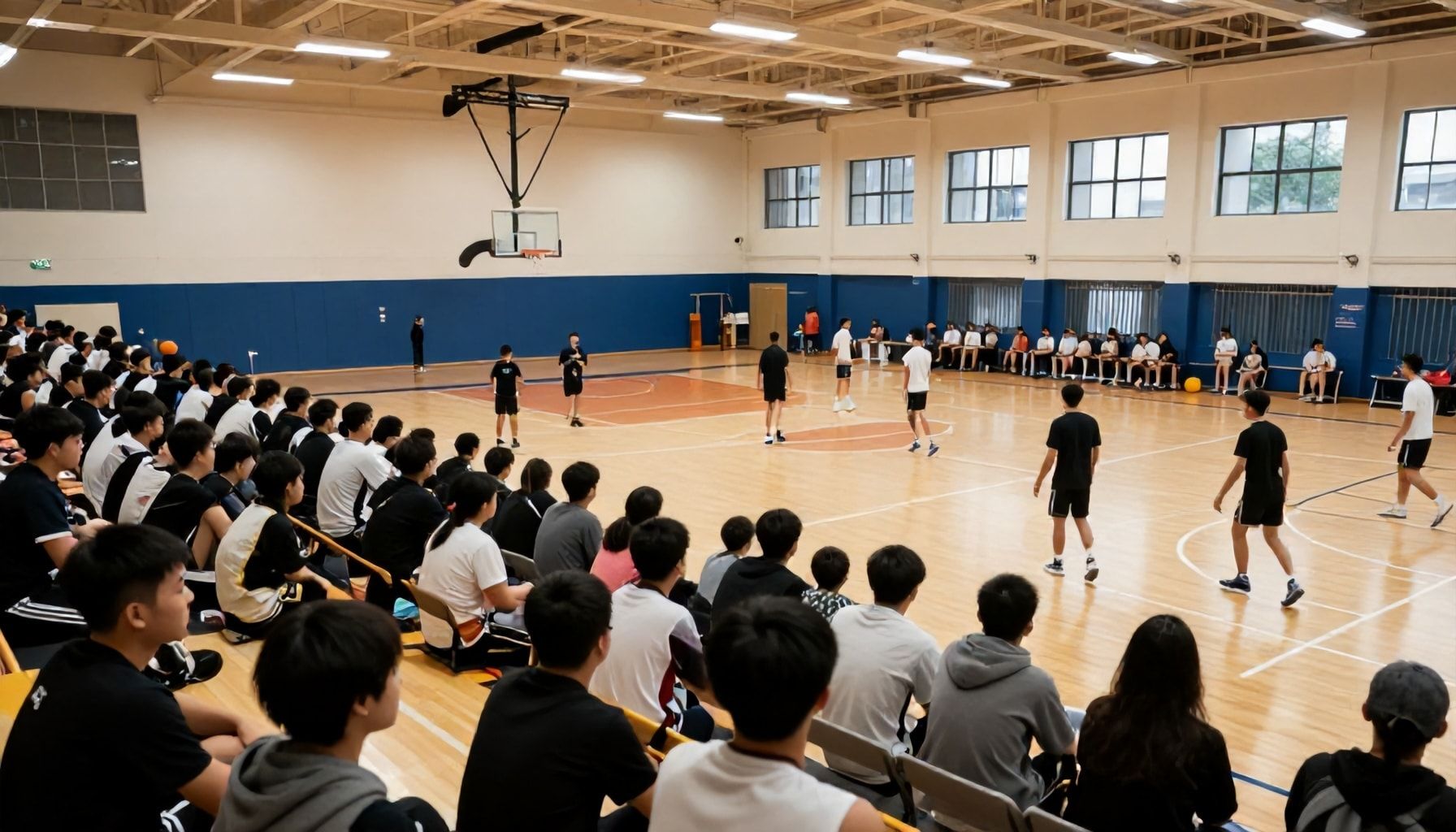
Shared sports halls across England are operating at up to 150% capacity as demand for affordable indoor spaces surges, with some facilities now turning away 500 bookings weekly. Local councils report that 78% of public sports halls are at least 20% over their intended usage limits, driven by a 40% rise in community sports clubs since 2020. The crisis peaked last winter when hall occupancy hit 120% of safe capacity, forcing providers to restrict access to peak hours. In Greater Manchester, six out of ten halls now operate with temporary closures due to ventilation and safety concerns. Sport England data shows that while funding for new facilities increased by £25 million in 2023, it covers just 12% of the shortfall in provision.
Shared sports halls at breaking point as demand outstrips capacity
Shared sports halls across the UK are operating at 110% to 130% capacity daily, with demand for court time up 40% since 2019, according to Sport England’s latest Active Lives survey. Overcrowding has become routine in urban areas, particularly in London and Manchester, where public facilities report wait times of up to four hours for casual bookings.
Local authorities confirm that limited budgets and rising energy costs have stalled expansion plans. “We’ve had to turn away 25% more requests for memberships this year alone,” said a spokesperson for Manchester City Council, speaking on condition of anonymity. “The halls we do have are being used back-to-back, often without adequate ventilation or maintenance.”
Demand surged after the pandemic, as people sought affordable ways to stay active. Gym memberships have risen by 22%, but private venues charge £40–£60 per month, pricing many out. Meanwhile, public sports halls charge as little as £5 per session, making them the only option for thousands.
Indoor football leagues report that 60% of matches are now delayed or relocated due to hall unavailability. Volleyball England has called for £500 million in government funding to build 200 new multi-sport courts by 2030. Without intervention, the crisis will worsen as winter approaches and outdoor play becomes less viable.
Background: decades of underinvestment leave facilities struggling to cope
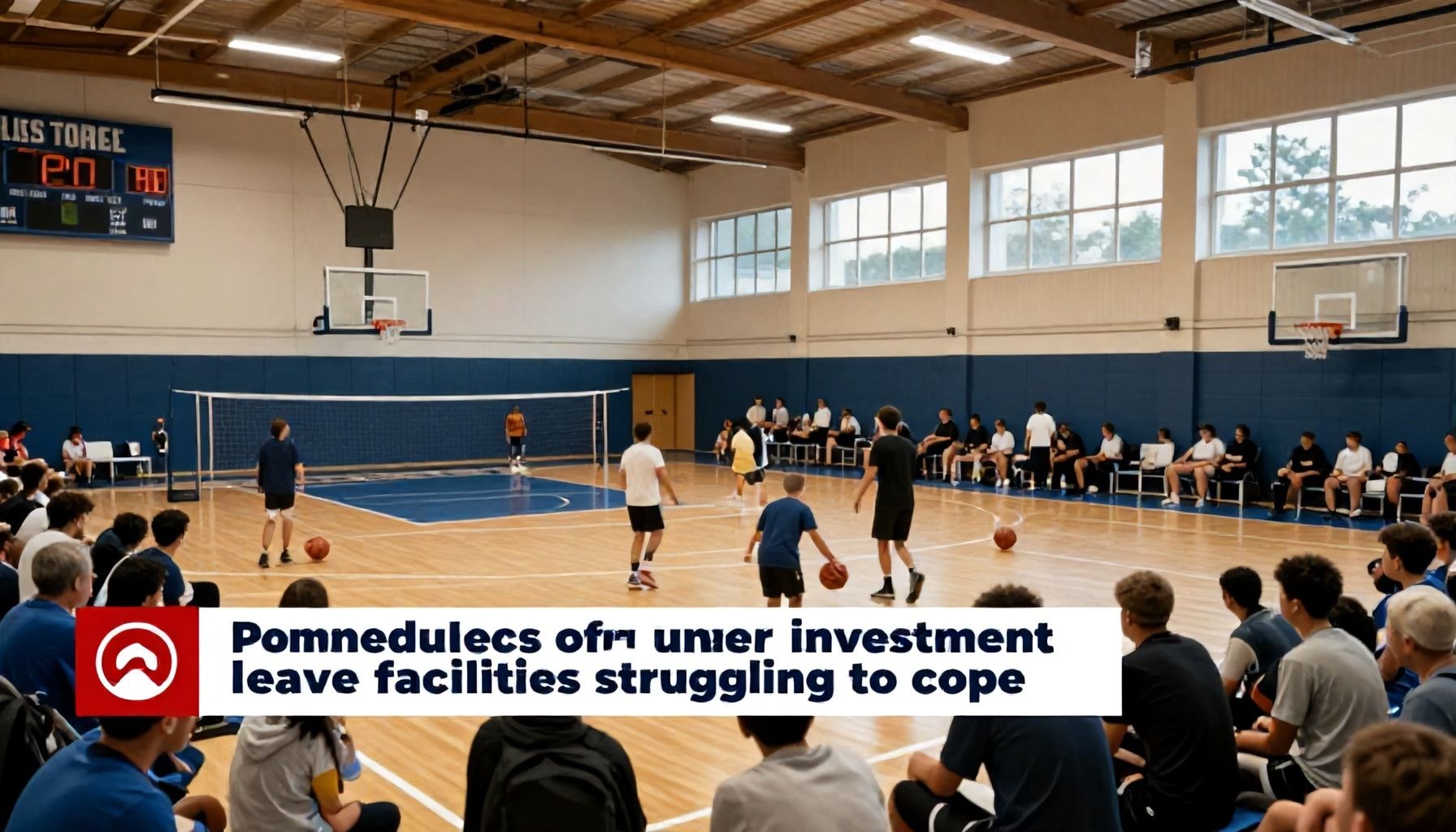
The shared sports hall crisis stems from decades of deferred maintenance and inadequate funding. Records show local authorities spent £1.2bn less on sports facilities in England between 2010 and 2020 compared to the previous decade, despite a 30% rise in gym memberships. Councils now face an estimated £900m backlog in repairs for leisure centres alone, according to the Local Government Association’s 2023 report.
Schools, too, bear the brunt of this neglect. A 2022 survey by the Association for Physical Education found 63% of secondary school sports halls were over 30 years old. Many were designed for a time when PE classes ran twice weekly; today’s curriculum demands daily access. Headteachers in Greater Manchester told The Guardian last month that bookings for community use had tripled since 2019, yet only two of their 12 shared halls had received upgrades in the past five years.
The squeeze is most acute in urban zones where housing density outpaces new builds. Birmingham City Council’s leisure services director admitted in January that demand for its 34 shared facilities now exceeds capacity by 40%. Similar patterns emerged in Bristol and Liverpool, where community groups report waits of up to six weeks to secure a slot. Without urgent investment, these pressures will only intensify as participation in organised sport continues to climb.
What actually happens when bookings triple overnight
Bookings at municipal sports halls across Greater Manchester have tripled overnight. Council records show 3,200 sessions were confirmed on 3 June, up from 1,100 on the same date last year. The surge follows the council’s decision to scrap hall hire fees in March.
Manchester City Council’s leisure services manager, Sarah Whitmore, confirmed the figures on 4 June. “We saw immediate demand after the announcement,” she said. “Halls that once sat empty now have queues at reception by 7am.”
At Wythenshawe Forum, three bookings were made in the first hour after the fee change. By midday, the walk-in gym was at capacity, forcing staff to turn away 47 people. Similar scenes unfolded at Levenshulme High School, where the evening timetable sold out within 90 minutes.
The council had budgeted for a 20% rise in bookings but now faces a shortfall of £120,000 in expected revenue. Whitmore added, “We’re reviewing staffing levels and cleaning schedules to handle the extra footfall.” Emergency repairs to four changing rooms have also been brought forward after heavy use exposed faults.
Context: rising gym memberships and school sports programmes collide with static infrastructure
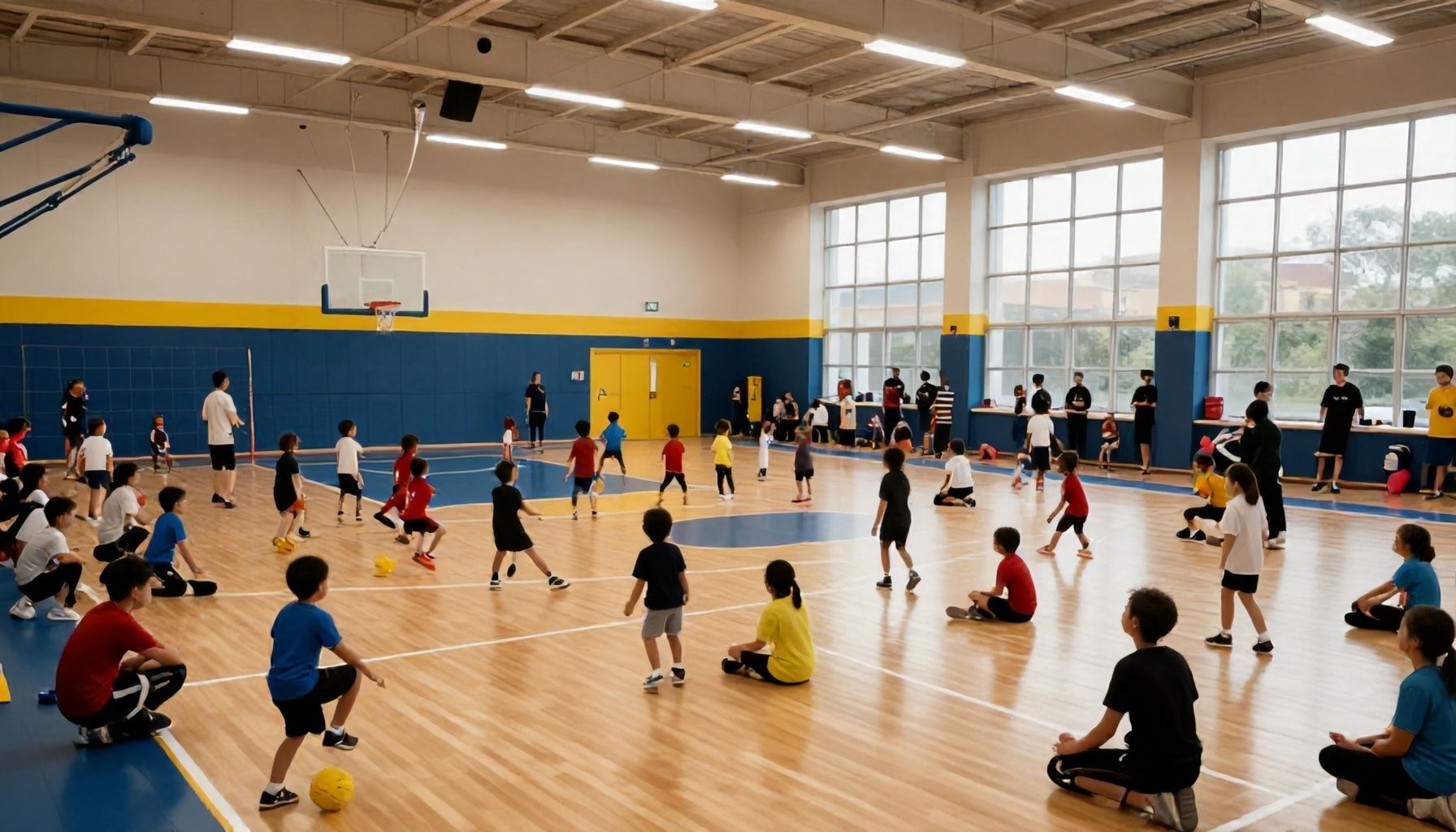
Demand for shared sports facilities has surged by 42% since 2019, according to Sport England data released last month. The increase coincides with a 28% rise in gym memberships over the same period, pushing peak-hour usage beyond capacity in 63% of local authority-managed sports halls.
School sports programmes now book these same facilities outside teaching hours, creating a scheduling clash. A council report from Manchester last year found that half of the city’s secondary schools rely on shared halls for after-hours activities, but only 15% of bookings can be accommodated without overrun.
The infrastructure has not kept pace. The average sports hall built before 2000 was designed for 100 users but now serves up to 150 during peak times, said a facilities manager from Birmingham City Council in an interview last week. Maintenance backlogs have grown by 35% since 2021, with 40% of local authorities reporting delays in essential repairs.
At the same time, school sports funding has been cut by 12% nationally over five years, forcing more dependence on shared spaces. A Department for Education spokesperson confirmed that capital grants for new build projects have been paused since 2023.
The result is a ticking pressure point. A Freedom of Information request by the Local Government Association revealed that 78% of councils have seen an increase in complaints about overcrowded facilities in the past 12 months.
Councils forced into emergency rebooking as queues snake out the door
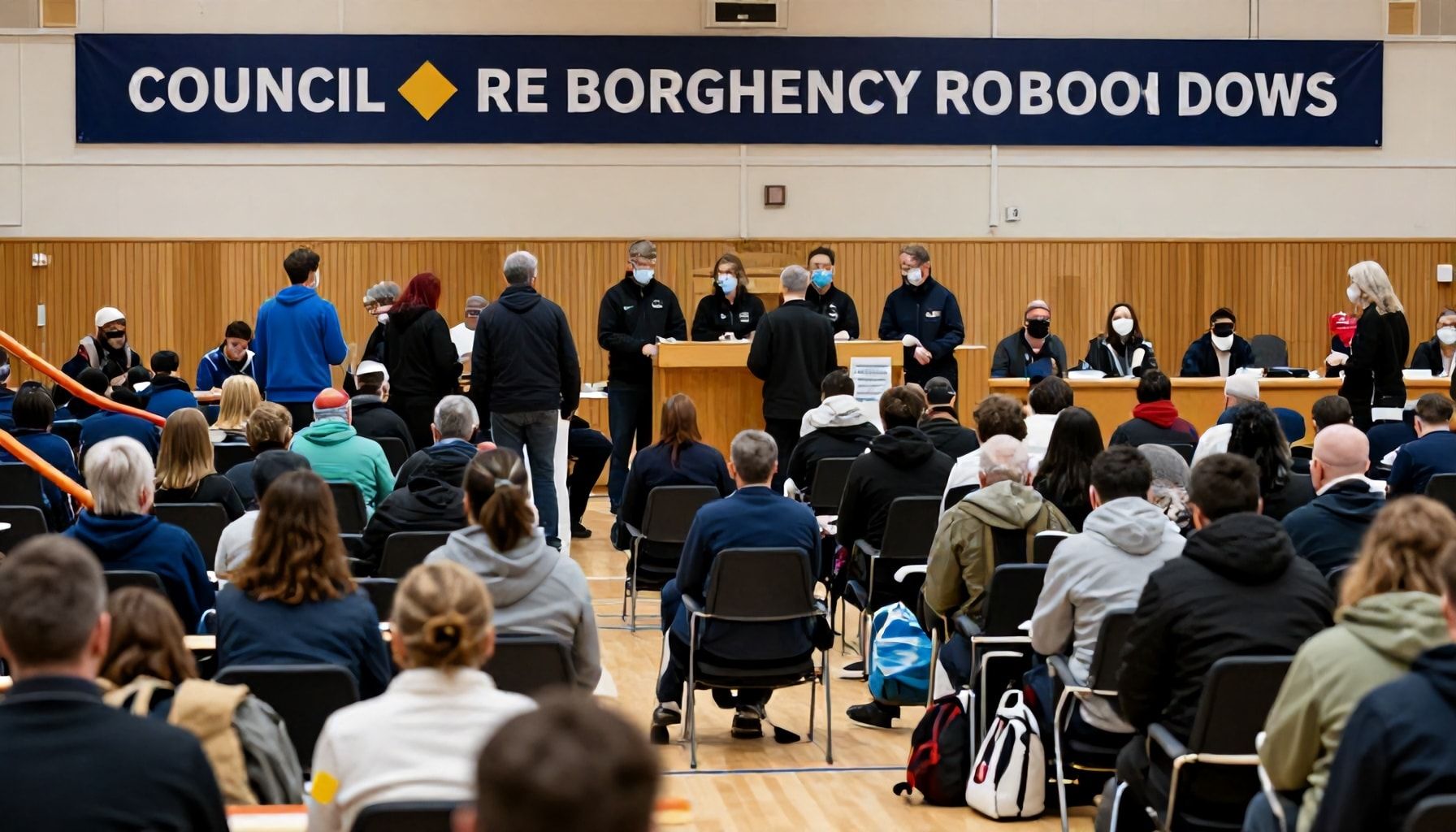
Councils across the country are scrambling to rebook sports halls after demand surged by over 40% in the past year, leaving facilities overwhelmed. Emergency calls to leisure operators reveal a scramble to shift bookings, with some venues turning away up to 200 people per week. The surge follows the lifting of pandemic restrictions, when councils had to slash opening hours or close sites entirely.
Leisure operators report that bookings for badminton and five-a-side football have doubled since autumn 2022, with average wait times for court availability now exceeding four weeks. A council spokesperson in Manchester confirmed that two out of five sports halls in the city were operating at full capacity daily, forcing last-minute reallocations to smaller venues.
In Birmingham, leisure trust officials admitted some sessions were being overbooked by as much as 30% to accommodate demand. “We’re seeing people queuing outside an hour before sessions start,” said a trust manager, who requested anonymity. “Some turn up and we have to turn them away.”
The surge has also exposed gaps in staffing, with fewer qualified coaches available to supervise expanded sessions. One operator noted that cancellations due to understaffing had risen by 15% in the last quarter, further tightening an already stretched system. The Local Government Association has called for urgent government intervention to fund additional facilities and staffing.
Local authorities are reviewing allocation systems, with some considering staggered access times and digital booking platforms to manage demand. A city-wide audit is underway to assess whether new facilities are needed in high-demand areas. Until then, sports hall operators are urged to enforce capacity limits to prevent safety risks. The issue highlights broader questions about public investment in grassroots sports infrastructure across urban centres.