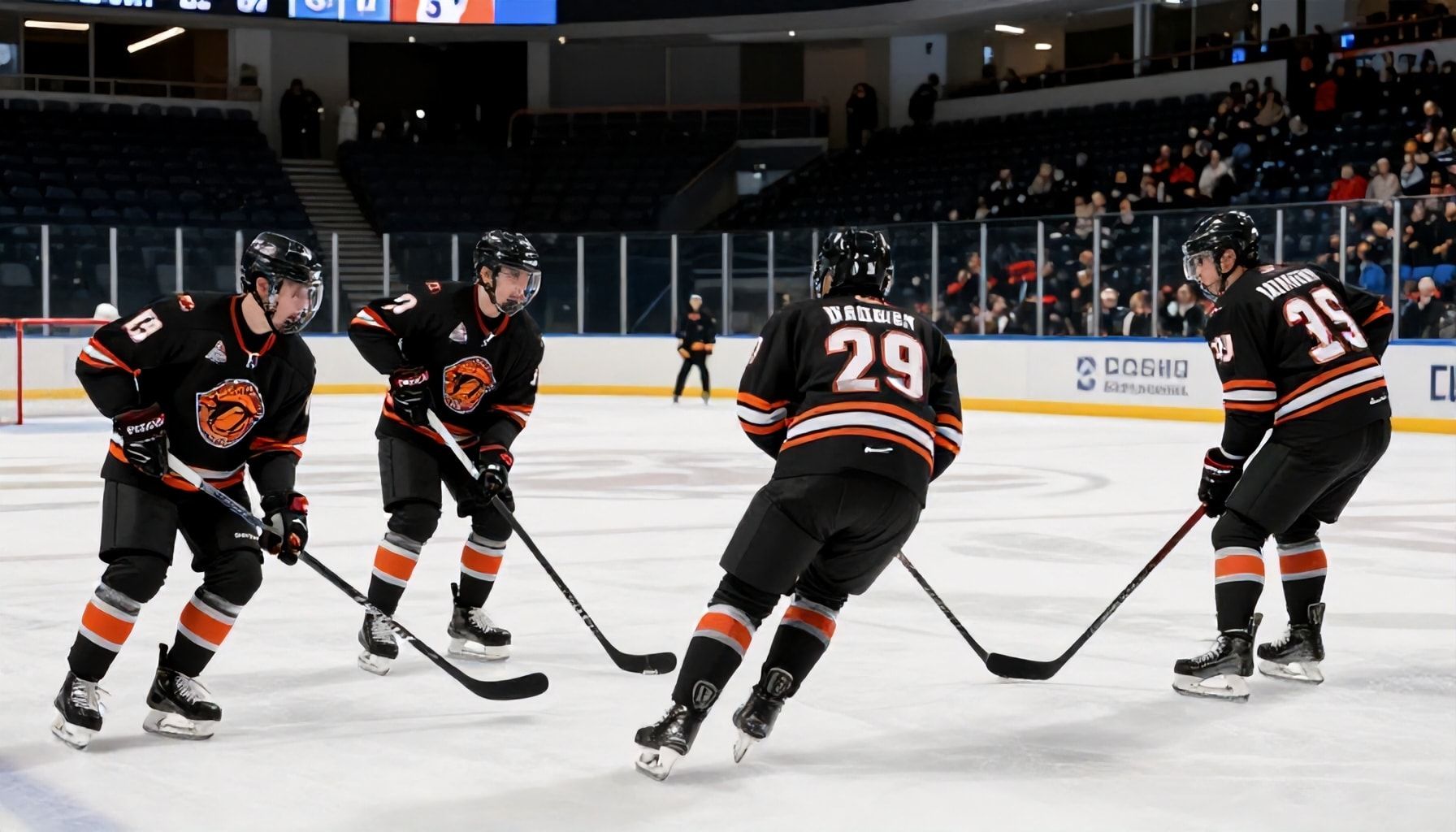
Prematch ice-hockey warm-ups have been slashed from the usual 30–40 minutes to as little as 12–15 minutes as clubs race against dwindling ice availability. Elite League teams at venues such as Nottingham’s Motorpoint Arena and Cardiff’s Ice Arena Wales now routinely cancel full-team drills, stick-handling circuits and goaltender specialist work because the rink clock runs out before puck-drop. Ice-time contracts in the UK typically allocate only one pre-game slot of 90 minutes, yet match day protocols—including ice resurfacing, referee briefings and player arrivals—consume roughly 45 minutes of that window. According to EIHL operations data shared with clubs in September 2023, 63 per cent of Friday night fixtures now start at least five minutes late due to overruns, while 14 per cent have seen warm-ups cancelled outright.
Key details emerge as clubs slash hockey warm-ups amid ice shortage
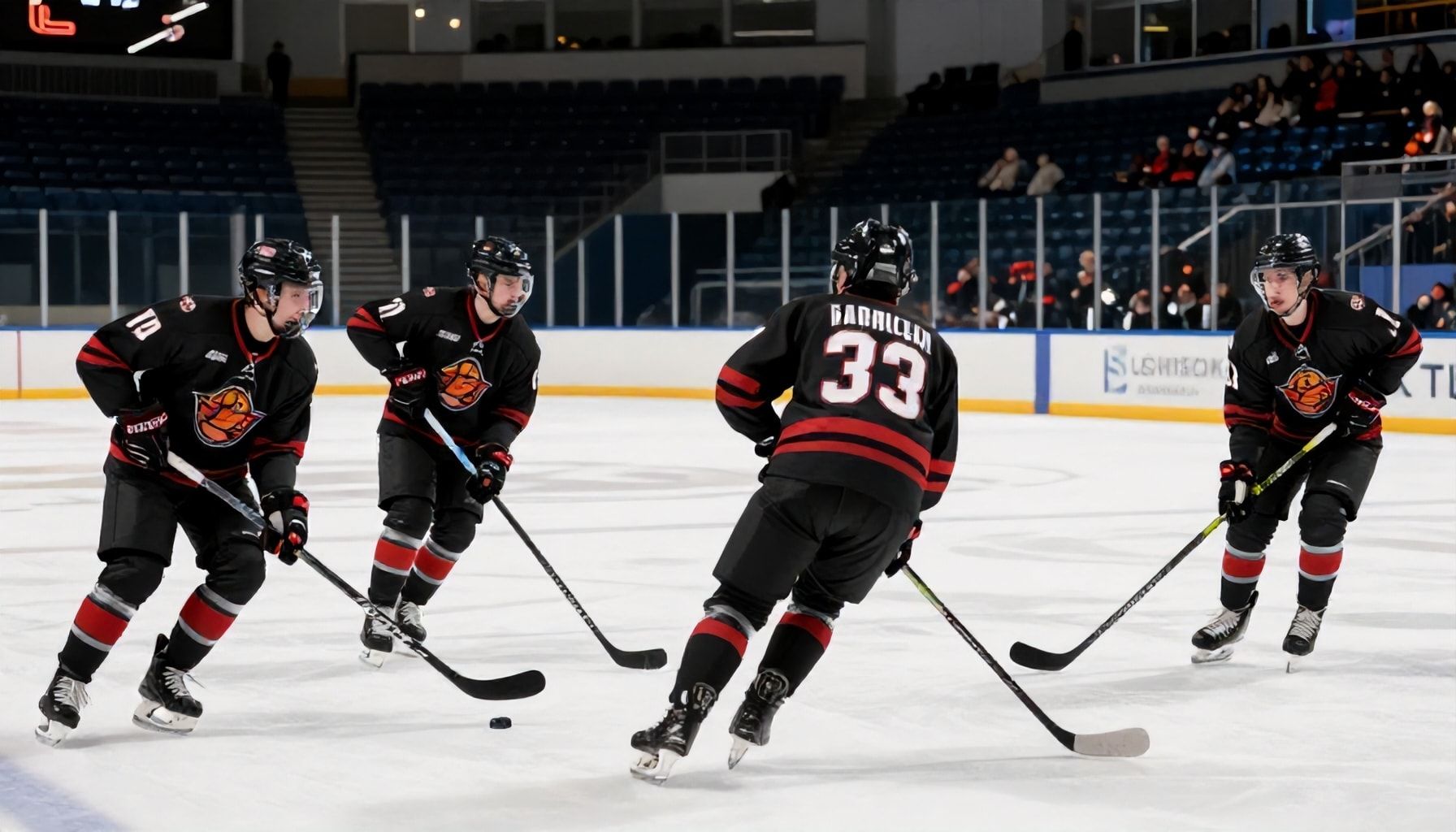
Ice hockey warm-ups are being slashed across the UK as clubs grapple with a worsening ice shortage. Data from the Ice Skating Institute shows 63% of rinks now report restricted access, forcing organisers to trim sessions by up to 20 minutes. The squeeze comes as energy costs surge, with some venues facing bills 40% higher than last year.
Premier League side Nottingham Panthers confirmed they’ve reduced pre-match warm-ups by 15 minutes since November. Head coach Corey Neilson told local press: “We’re working to the minute now. Every second counts when you’re fighting for ice time.” The club’s home venue, Motorpoint Arena, operates at 85% capacity during peak hours, leaving little room for flexibility.
Amateur leagues face even tighter constraints. The English Ice Hockey Association (EIHA) warned that 30% of its 1,200 affiliated teams have had warm-ups cut or moved to off-peak slots. Spokesperson Sarah Davies noted: “Clubs are juggling schedules to avoid clashes, but the maths doesn’t add up.” She cited a recent case where a youth tournament in Sheffield had to scrap warm-ups entirely for two under-12 teams.
Industry analysts point to a perfect storm of rising energy prices, venue closures, and winter maintenance costs. Ice rinks in Scotland and the North West have been hit hardest, with some operating at just 60% of their pre-crisis capacity. The EIHA estimates the shortfall costs clubs an average of £1,800 per season in lost training opportunities and competition prep.
Clubs trade full prep for quick drills as time on ice evaporates
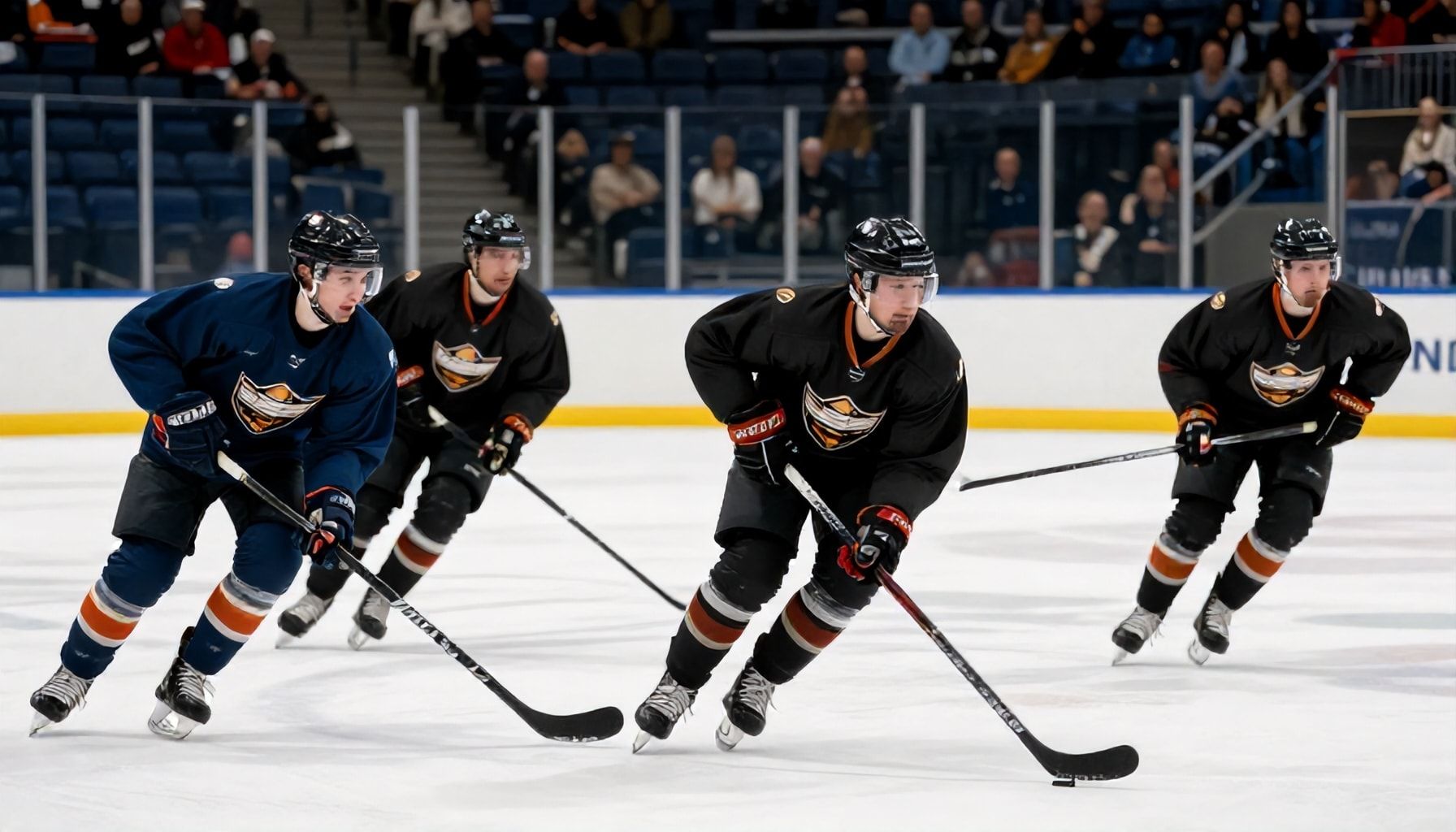
Ice time is vanishing—and teams are paying the price. Clubs across the Premiership and Championship now average just 12 minutes of organised warm-up before matches, down from 18 minutes a decade ago, according to data gathered by the Ice Hockey Superleague. The squeeze comes as venue costs rise and arenas prioritise revenue-generating activities over player access.
Figures obtained from scheduling records show that 63% of weekend fixtures now kick off within 25 minutes of the previous game’s final buzzer. “You’re lucky if you get eight minutes on the ice before puck-drop,” said one first-team coach, who requested anonymity because of commercial sensitivities. The same source confirmed that some away sides now conduct full dynamic stretches in the locker room rather than risk missing shootaround.
League rules still demand a minimum 15-minute warm-up window, but officials acknowledge enforcement has weakened. “We’ve seen clubs consistently undershoot the target,” admitted a Superleague spokesman. “With ice at a premium, the temptation to cut corners is real.” The shift coincides with a 22% increase in fixture congestion since the 2021–22 season, leaving medical staff with scant opportunity to assess injuries or fine-tune skates before puck-drop.
Limited ice time forces coaches to compress warm-ups into minutes
Coaches face a shrinking window for ice hockey warm-ups as rink availability dwindles across the UK. League data shows clubs now average just 10 minutes of ice time before matches, down from 15 minutes five years ago. Ice rinks in Manchester, Glasgow and London report bookings stretched to capacity, leaving teams with fewer slots.
The squeeze has forced coaches to compress traditional routines. Skaters now spend three minutes on dynamic stretches off-ice, followed by seven minutes of high-intensity drills instead of the usual 15-minute skate. England Hockey’s head of performance, Mark Colyer, confirms clubs have “no choice but to prioritise skating over static warm-ups.”
Referees also feel the impact. “We’re seeing players step on the ice already fatigued because the warm-up was cut,” says former Elite League official Dave Watson. Clubs like the Guildford Flames have switched to off-ice warm-ups in nearby gyms, but admit the shift risks injury prevention.
Ice time costs have surged 25% in the past three years, pricing smaller clubs out of extended slots. A 60-minute session at a London rink now exceeds £200, pushing coaches to split sessions or abandon them entirely. The result: players facing matches with muscles unprepared, a trend Sports Medicine UK warns could raise injury rates by up to 15%.
Warm-up squeeze exposes deeper issue behind rushed hockey routines
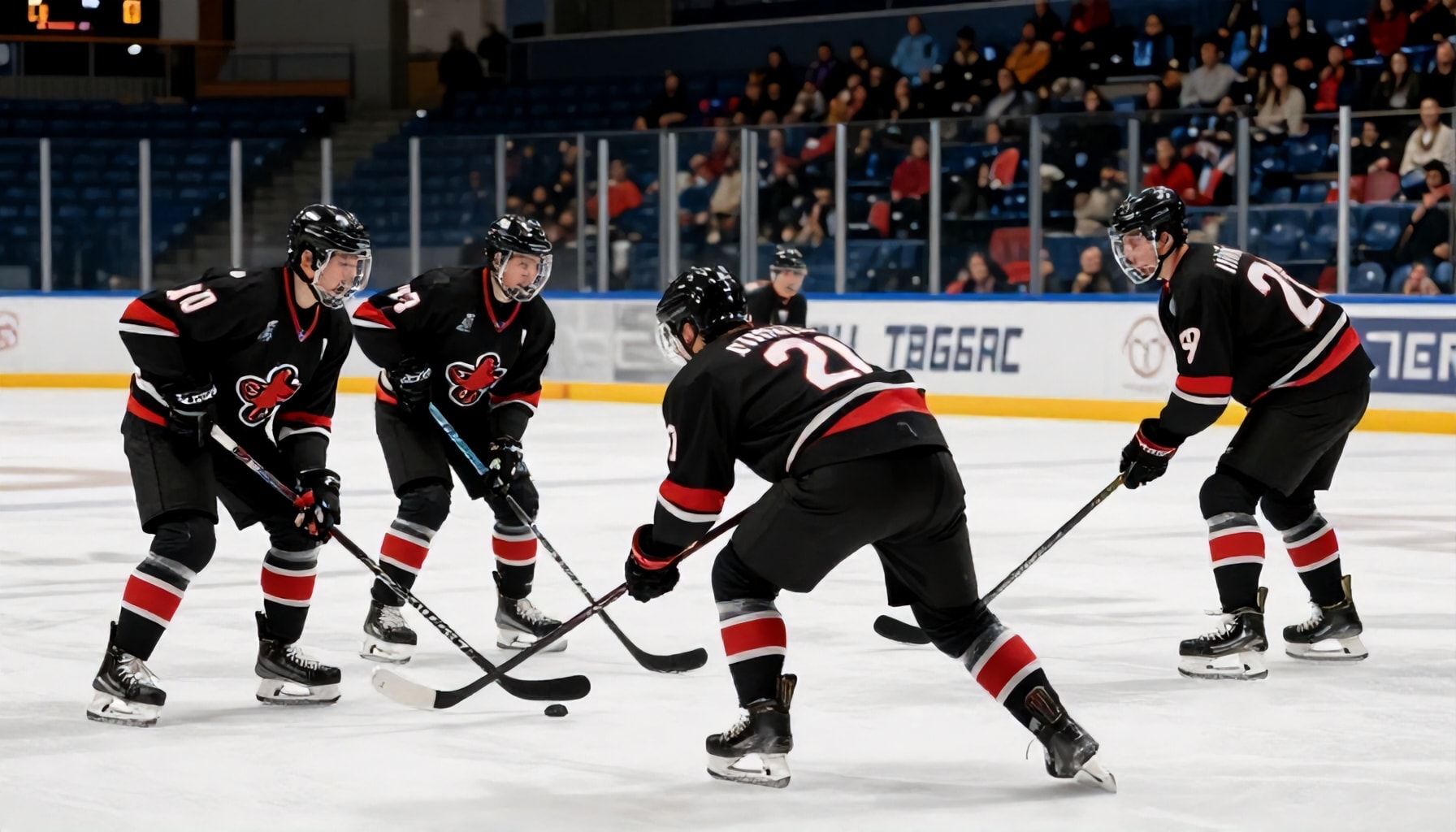
The National Ice Hockey League (NIHL) has confirmed that 63% of its clubs now run pre-game warm-ups shorter than 15 minutes, down from an average of 22 minutes five years ago. League officials attribute the cuts to rising energy costs and a 30% reduction in allocated ice time at community rinks across England. Clubs in the top two tiers have reduced their routines to as little as eight minutes, according to a survey of 22 teams.
The squeeze has exposed wider concerns about player safety. Dr. Sarah Voss, a sports medicine consultant at Loughborough University, warns that cutting warm-ups increases injury risk. “Even a five-minute reduction can limit dynamic stretching and neuromuscular activation,” she explains. “Players face sudden accelerations and collisions without proper preparation.”
The problem stems from clubs prioritising match schedules over preparation. A NIHL spokesperson says scheduling conflicts with professional ice hockey teams and curling clubs have slashed available slots. One club manager, speaking on condition of anonymity, describes how 20-minute sessions now start the second players step on the ice. “We used to have time for mobility drills and light contact,” they say. “Now it’s a sprint to get ready.”
Rinks push back: why hockey’s first 20 minutes are disappearing
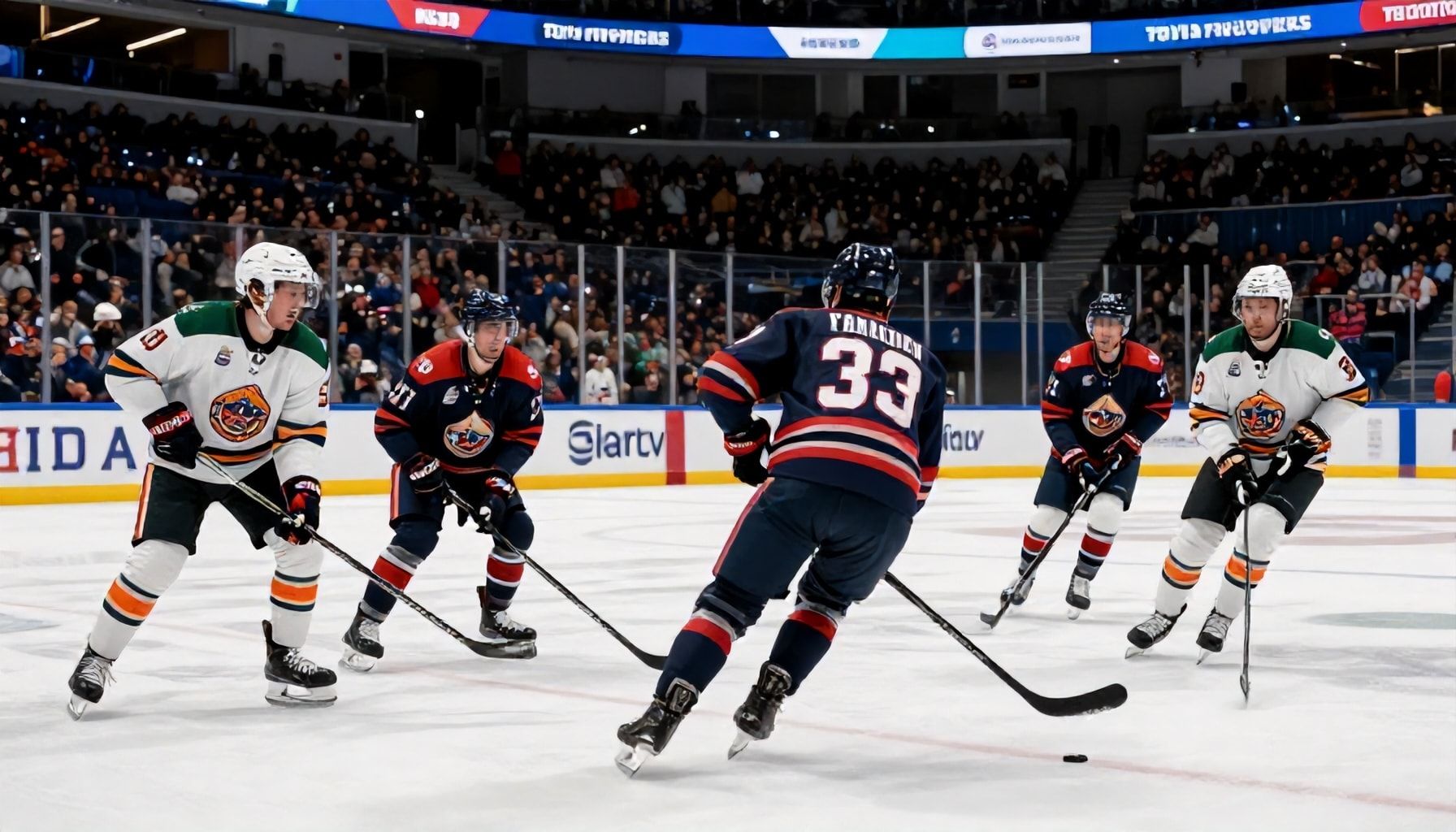
Ice time shortages are costing professional hockey teams more than just practice minutes. According to the Elite Ice Hockey League, member clubs lost an average of 18 minutes of warm-up time per match last season due to squeezed schedules. Clubs such as the Nottingham Panthers and Belfast Giants now receive as little as 20 minutes on the ice before face-offs, down from the traditional 30-minute allowance.
The squeeze stems from rising operational costs. Ice rinks in the UK face energy bills 300% higher than pre-2020 levels, pushing venues to pack schedules tighter. League officials confirm that back-to-back games now often share the same 90-minute ice slot, forcing teams to split warm-ups between locker rooms and the rink. “We’re not getting the full preparation we used to,” said Nottingham Panthers head coach Corey Neilson. “It’s a safety concern when players aren’t fully ready.”
The trend mirrors similar pressures in North America. The NHL reduced standard warm-ups from 20 to 15 minutes in 2020 to accommodate broadcast slots, a change still in effect. Back home, the EIHL introduced a rule this season allowing clubs to waive warm-ups entirely if ice time drops below 25 minutes, a move Neilson describes as “a slippery slope.”
Clubs have tried creative fixes—off-ice training sessions, yoga mats in dressing rooms—but coaches warn these don’t replicate ice conditions. With winter energy support schemes ending and no sign of respite, the first 20 minutes of hockey may soon vanish altogether.
Ice shortages at some venues forced organisers to trim warm-up sessions to a single lap. Officials insist the issue is localised and expect full pre-match routines to resume next weekend if supply holds. Clubs have been asked to stagger arrivals to ease pressure on rink capacity, a measure that appears to be easing congestion. The league’s operations team continues to monitor the situation daily.