The number of grassroots referees quitting mid-season has surged, with 3,200 officials leaving across England last year alone after facing verbal abuse from players, coaches and spectators. Data from the Football Association shows a 28% rise in referee resignations since 2022, prompting the National Grassroots Football Association to issue a stark warning about the crisis undermining the future of amateur football. Reports detail incidents where referees as young as 14 have been subjected to coordinated taunting and threats, often via social media, over split-second decisions. A recent survey by the association found 64% of departing officials cited abuse as the primary reason for leaving, with 42% confirming they would not return. The FA has implemented stricter penalties for clubs found guilty of misconduct, but officials describe the damage as irreversible, with some counties now struggling to field enough referees for local matches.
Grassroots football faces crisis as referees quit over abuse

Grassroots football’s referee shortage has deepened as new officials quit within months of starting, deterred by verbal and physical abuse. The Football Association data shows 36% of trainees never return after their first season, with verbal insults and threats cited as the primary reason. The FA’s chief refereeing officer, Mike Riley, reported a 20% drop in new referees in the last two years.
Referees aged 16 to 24 face the highest attrition. One 18-year-old official from the North West told local press he stopped after three games, describing constant shouting over decisions. “I was called every name under the sun,” he said. “The coach even followed me to my car after the match.”
The abuse isn’t just verbal. The FA recorded 32 physical assaults on referees in grassroots matches last season, a rise from 24 the year before. Riley warned the trend risks collapsing local leagues. “Without referees, games can’t go ahead,” he said. “Clubs are already struggling to field teams.”
County FA’s report 2023 highlights financial cuts to referee development programmes. Some regions now rely on volunteers, who receive minimal support. A Midlands-based referee mentor said many trainees lack resilience training. “They’re not prepared for the abuse,” he said. “Once they experience it, most walk away.”
Referees abandon posts amid rising abuse, grassroots body warns

The number of grassroots referees quitting has risen sharply in the past two years, with nearly one in three leaving the game in some counties. Data from the Football Association’s local branches shows 29% of registered referees below level five resigned in 2023, compared to 18% in 2021. The exodus follows a 40% increase in reported abuse cases during the same period.
Referees cite personal abuse as the primary reason for walking away. One official from Cheshire, who stopped officiating last month, described being followed to his car after a match and receiving threats on social media. “They call you names you wouldn’t repeat in public,” he said. “It doesn’t matter if you’re right or wrong—once it starts, you’re the target.”
The FA’s safeguarding team logged 1,142 incidents of referee abuse in 2023, up from 815 in 2021. Nearly half involved verbal aggression, while 12% included physical intimidation. Clubs face fines of up to £500 for each confirmed incident, yet enforcement remains inconsistent.
Grassroots leagues now struggle to recruit replacements. In the Midlands, three youth leagues cancelled matches in April after officials pulled out mid-season. The Surrey County FA has introduced “safe reporting” hotlines and mental health support, but admits the problem is growing faster than solutions. “We’re haemorrhaging referees,” said a spokesperson. “Unless the culture changes, the system will collapse.”
Why abuse is driving new referees away from grassroots football
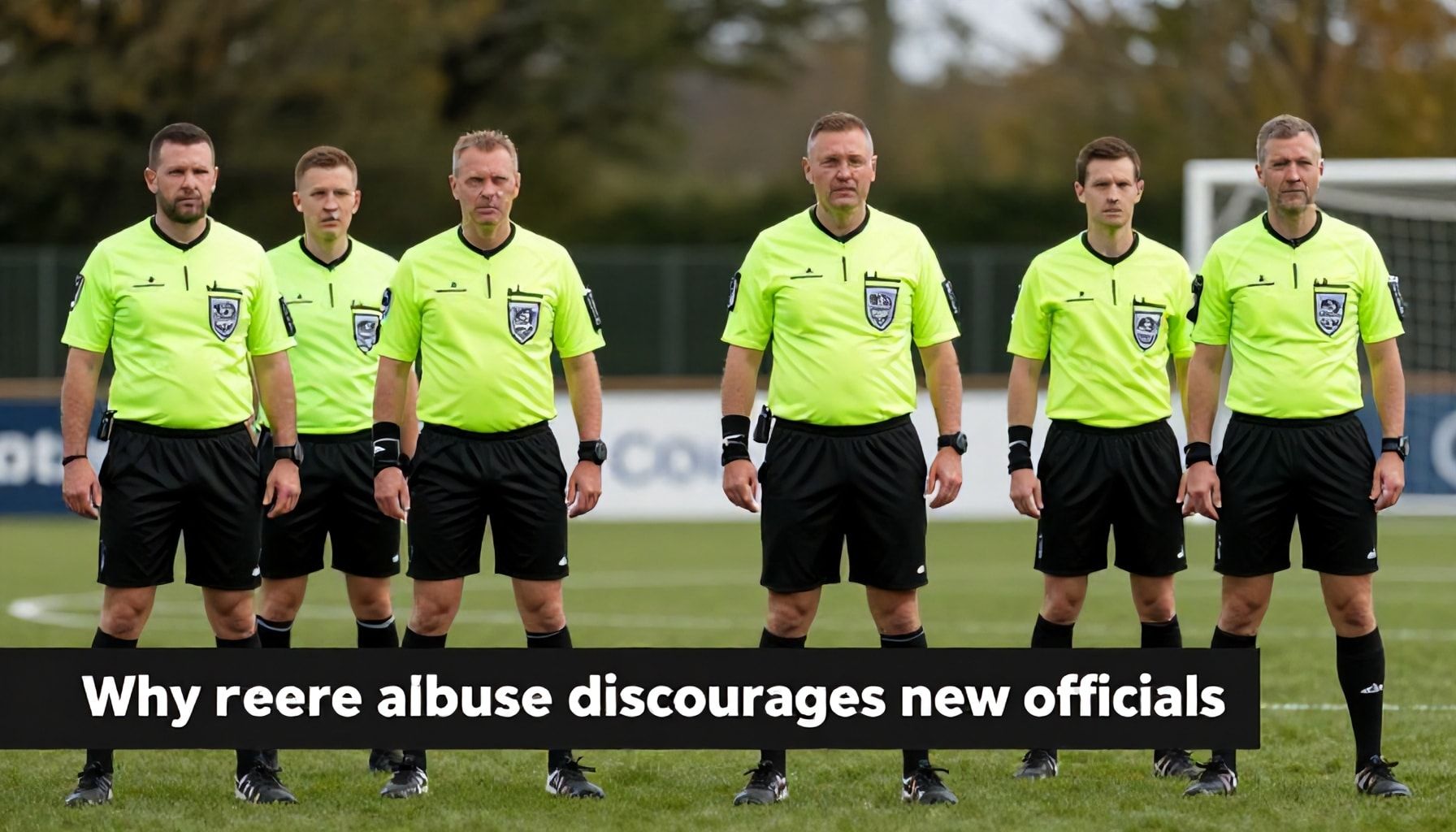
Grassroots football faces a growing referee shortage as new officials quit within months of qualifying. Data from England’s Football Association reveals 16% of referees who started in the past year have already walked away, with verbal abuse cited as the primary reason. In 2023, 7,400 referees resigned nationwide—a 22% increase on the previous year—prompting urgent concern from grassroots organisations.
Analysis by the FA highlights a vicious cycle: new referees, often teenagers or young adults, struggle with abuse from parents, coaches, and players. A 2024 survey of 2,000 officials found 63% had experienced verbal aggression in the past six months. The FA’s head of refereeing, Jamie Carragher, described the trend as “unsustainable,” warning that without intervention, local matches could face cancellations.
Clubs are now adapting. Some have introduced spectator bans for abusive behaviour, while others enforce silence from the sidelines. The FA has trialled digital reporting systems to document abuse, but enforcement remains inconsistent. Meanwhile, participation in refereeing courses dropped by 15% in 2023, signalling deeper recruitment challenges ahead.
The crisis extends beyond England. UEFA reported a 30% decline in referee registrations across Europe since 2019, with abuse listed as a key deterrent. Organisers argue the issue reflects broader societal tensions, where competitive youth sport amplifies aggression. Without systemic change, grassroots football risks losing another generation of officials.
Grassroots football body warns: referee abuse forces officials out
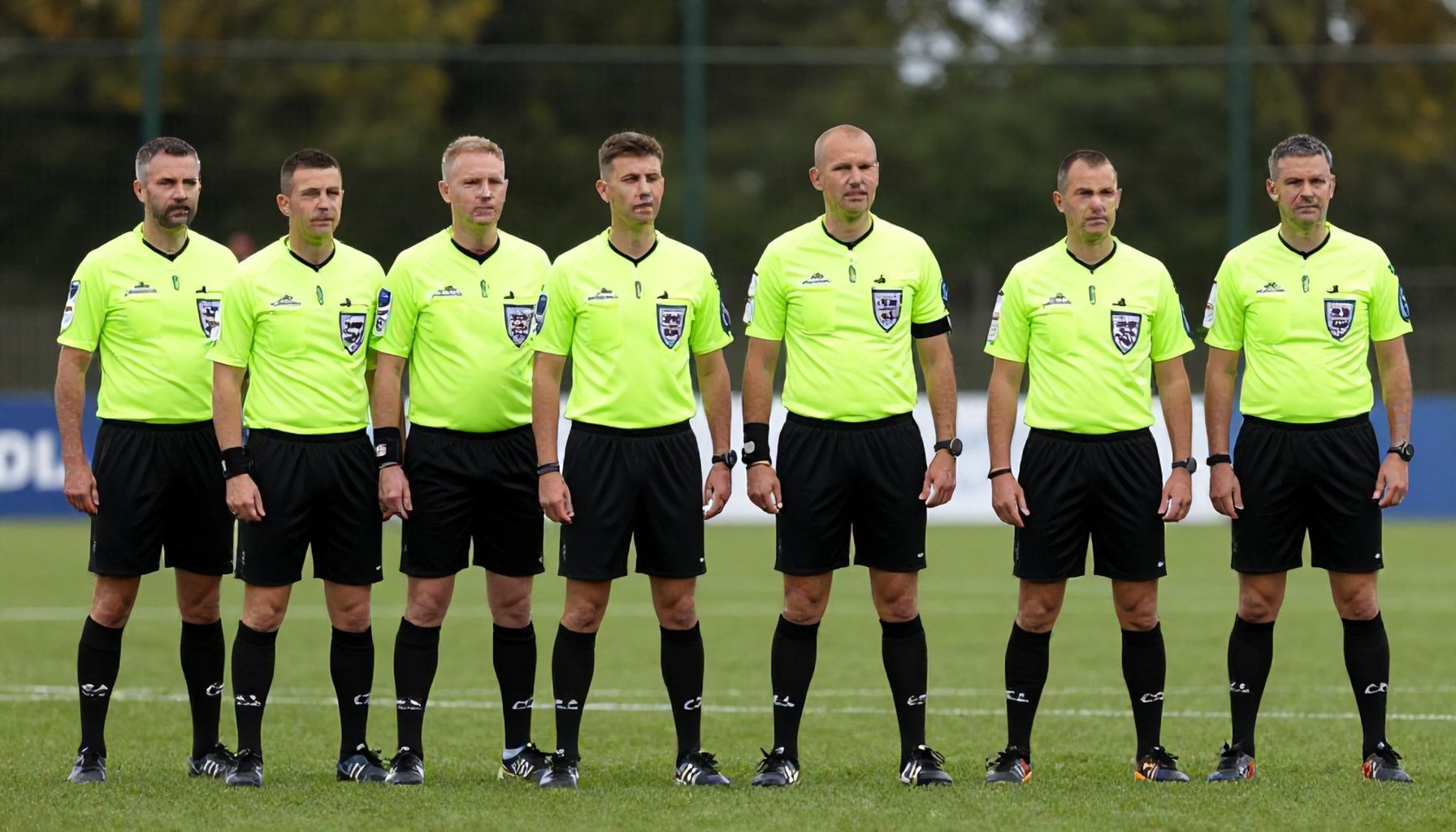
Abuse of match officials has reached crisis levels in grassroots football, with nearly one in three referees quitting last season, the English Football Association’s local refereeing body revealed on Friday. Figures from the North West Counties Football Association show 32% of registered referees did not return for the 2023-24 campaign, citing verbal abuse and intimidation as primary reasons. This follows a national trend where 28% of new officials failed to renew their licences during the same period.
The FA’s referee development officer, Mark Warren, confirmed the figures and warned that the exodus threatens the survival of local leagues. “We’ve seen referees in their 20s walk away after one season because of repeated abuse,” Warren said. “It’s not just the games they officiate—it’s the constant barrage on social media and in car parks after matches.”
Local clubs have also reported difficulty filling fixtures, with some leagues forced to postpone games due to a lack of available officials. A senior club secretary in Lancashire, who asked not to be named, said teams now struggle to find referees willing to officiate in lower divisions. “We’re often left pleading with parents who have basic qualifications just to get a game played,” the secretary added. “It’s unsustainable.”
The FA has introduced stricter sanctions for abusive behaviour and launched campaigns to improve respect on the pitch. However, officials warn that cultural change takes time, with many referees reluctant to return until incidents decline.
Escalating abuse pushes grassroots referees to quit, body reports
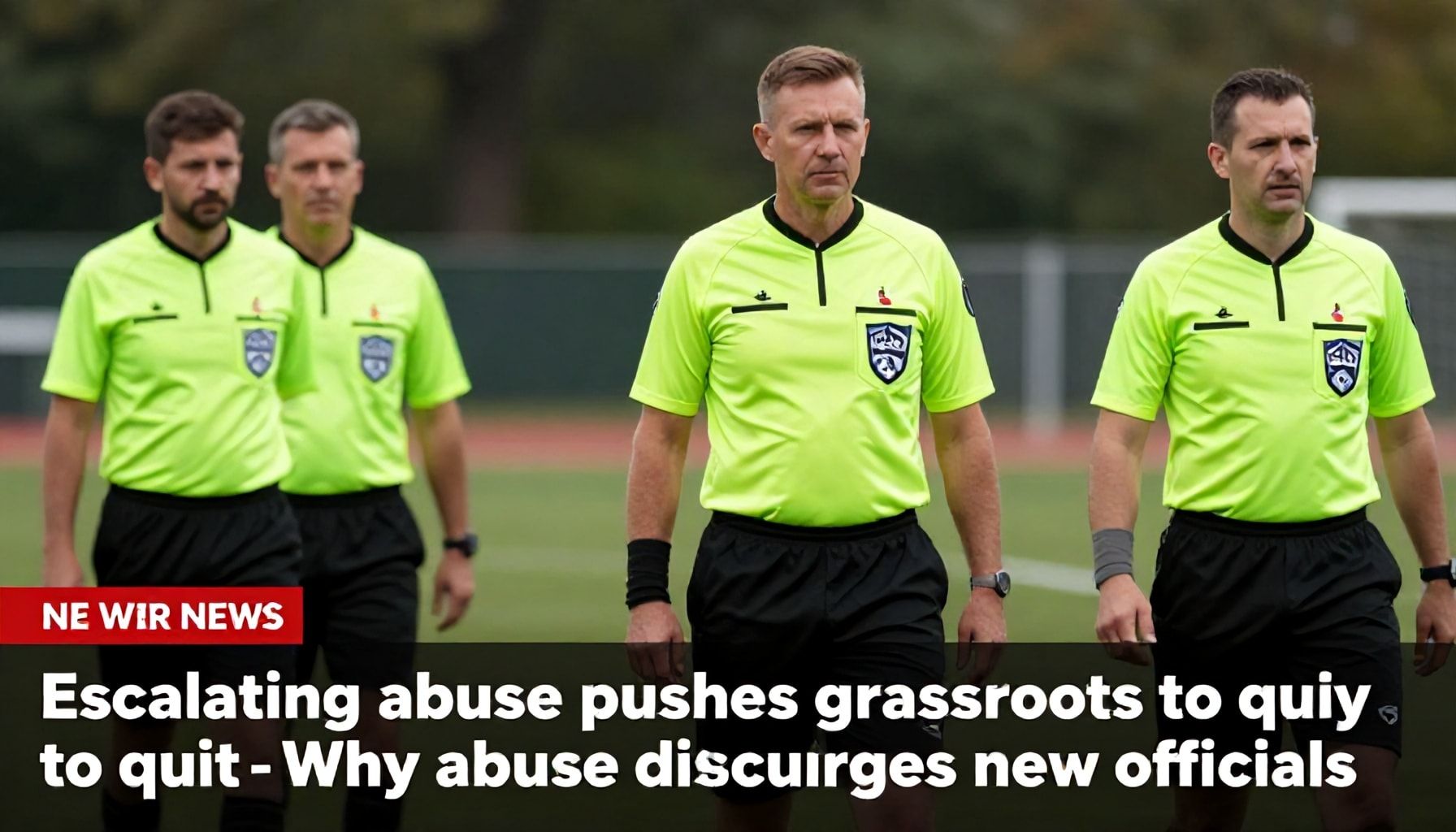
Grassroots football in England is haemorrhaging referees at an alarming rate, with abuse cited as the primary reason for a 32% drop in new officials joining the national association in the last year. Data from The Football Association shows just 1,432 new referees registered in 2023, down from 2,110 in 2022. The exodus coincides with a 28% rise in reported incidents of abuse against match officials, according to figures released last month.
Chief executive Louise Angus confirmed the trend during a board meeting on Tuesday, stating that verbal and physical abuse is deterring prospective referees before they even start. “People are walking away before they blow the whistle for the first time,” Angus said. “The numbers don’t lie—fear of abuse is putting people off.”
A 2023 survey by the Referees’ Association found that 67% of respondents had experienced some form of abuse in the past season, with 42% considering quitting as a direct result. One 17-year-old trainee referee in the Midlands told local press he stopped officiating after repeated threats from parents on the touchline. “I loved the game until I felt unsafe,” he said. “No one should have to put up with that.”
The FA has responded by rolling out mandatory safeguarding training for all registered referees and increasing the number of matchday observers. Yet, with participation in grassroots football still recovering post-pandemic, the loss of officials risks crippling local leagues already struggling to field teams.
The FA has urged clubs to take stronger action against spectator behaviour. With referee shortages worsening, grassroots leagues face fixture cancellations. More than 1,200 officials quit in 2023, according to the Referees’ Association. The body warns that without better protection, the collapse of local matches could accelerate. A pilot scheme trialling bodycams for referees launches next month.