
Grassroots rugby union in the UK is facing a critical shortage of qualified coaches, with the Rugby Football Union (RFU) reporting a 20% decline in registered coaches over the past five years. The crisis, which has left hundreds of youth and community teams without adequate coaching staff, stems from a combination of factors including low retention rates, high burnout levels, and insufficient recruitment efforts. The RFU has identified that over 3,000 additional coaches are needed to meet the current demand, particularly in regions outside of traditional rugby heartlands. The shortage threatens the development of the sport at the foundational level, raising concerns about the long-term impact on participation rates and player development. The RFU has launched an urgent campaign to attract and retain new coaches, emphasizing the need for better support systems and professional development opportunities.
Grassroots Rugby Union Struggles to Fill Coaching Vacancies

Grassroots rugby union clubs across the UK are struggling to fill coaching vacancies, according to recent reports. The shortage of qualified coaches is particularly acute at the youth level, where volunteer numbers have dropped significantly in the past two years.
The Rugby Football Union (RFU) has identified a 20% decrease in the number of active coaches since 2022. This decline is attributed to several factors, including increased workloads, lack of financial incentives, and a growing demand for higher qualifications.
Local clubs are feeling the pinch. “We’ve had to reduce training sessions because we simply don’t have enough coaches,” said Sarah Jones, chair of a rugby club in the Midlands. “It’s a real challenge to keep our junior teams running with the current shortage.”
The RFU has launched initiatives to address the issue, including subsidised coaching courses and mentorship programmes. However, the impact of these measures remains to be seen. “We’re doing everything we can to support our clubs, but it’s a complex problem that won’t be solved overnight,” said a spokesperson for the RFU.
Meanwhile, grassroots clubs continue to adapt. Some have turned to parent volunteers, while others are merging teams to share resources. Despite the challenges, the passion for the game remains strong. “Rugby is more than just a sport; it’s a community,” said Jones. “We’ll find a way to keep it going.”
UK Rugby Union Faces Critical Shortage of Qualified Coaches

The UK rugby union is grappling with a critical shortage of qualified coaches at the grassroots level, threatening the future of the sport. According to the Rugby Football Union (RFU), there are currently around 1,500 qualified coaches for approximately 600,000 registered players, leaving a significant gap in coaching capacity.
The RFU’s chief executive, Bill Sweeney, has described the situation as “a major concern”. He stated, “We need to address this issue urgently to ensure the long-term sustainability of the game.”
The shortage is particularly acute in the 15-24 age group, where the number of qualified coaches has fallen by 15% in the past five years. This decline has led to a decrease in participation rates among young players, with a 10% drop in the number of 15-24-year-olds playing rugby union in the same period.
The RFU has launched a campaign to recruit and train new coaches, aiming to double the number of qualified coaches within the next five years. The campaign includes a range of initiatives, such as online training courses, mentoring programmes, and financial incentives.
Despite these efforts, the RFU acknowledges that the problem is complex and will require a sustained effort to resolve. “We need to make coaching more attractive and accessible,” said Sweeney. “This is not just about recruiting more coaches, but also about retaining them and providing them with the support they need.”
The shortage of qualified coaches is not the only challenge facing grassroots rugby union. The sport is also struggling with declining participation rates among young people, with many citing the cost of playing and the time commitment required as barriers to participation.
The RFU is working with schools, clubs, and local authorities to address these issues and promote the benefits of rugby union. However, the organisation acknowledges that more needs to be done to ensure the future of the sport at the grassroots level.
Rising Demand for Rugby Coaches Outpaces Supply at Grassroots Level

The UK is facing a critical shortage of qualified rugby coaches at the grassroots level, with demand outstripping supply as the sport’s popularity grows. According to the Rugby Football Union (RFU), there are currently around 12,000 qualified coaches in England, but estimates suggest that more than 15,000 are needed to meet the demand from clubs and schools.
The shortage is particularly acute at the lower levels of the game, where volunteer coaches often lack the necessary qualifications. “We’re seeing a real pinch at the grassroots level,” said RFU’s Participation and Development Director, Steve Grainger. “Many clubs are struggling to find enough coaches to run their junior sections.”
The RFU has identified a number of factors contributing to the shortage. These include the time and cost involved in gaining coaching qualifications, as well as the increasing pressure on volunteers. A recent survey by the RFU found that 40% of grassroots coaches spend more than 10 hours a week on rugby-related activities.
Efforts are being made to address the issue. The RFU has launched a new initiative aimed at recruiting and retaining more coaches. The programme includes subsidised coaching courses and mentoring schemes. “We’re committed to supporting our coaches and making sure they have the resources they need,” said Grainger.
Despite these efforts, the shortage is expected to persist in the short term. The RFU is calling on former players and parents to consider getting involved in coaching. “We need more people to step forward and help grow the game,” said Grainger. “Coaching is a rewarding experience, and it’s a vital part of our sport.”
Grassroots Rugby Union Teams Scramble to Find Qualified Coaches

Grassroots rugby union teams across the UK are struggling to find qualified coaches, according to recent reports. The shortage has left many clubs scrambling to fill vital positions ahead of the new season. The Rugby Football Union (RFU) has acknowledged the issue, citing a 15% increase in demand for coaching qualifications over the past year.
Local clubs are feeling the pinch. Tom Johnson, chairman of Westbury RFC, stated, “We’ve had to postpone training sessions because we don’t have enough qualified coaches.” His club is not alone; similar situations are playing out nationwide. The RFU’s latest figures show that only 30% of grassroots teams have access to fully qualified coaches.
The shortage stems from a combination of factors. An RFU spokesperson explained, “Many qualified coaches have moved into professional roles, while others have left the sport altogether.” Additionally, the pandemic disrupted coaching pathways, leaving a gap in the qualification pipeline. The RFU has pledged to address the issue by fast-tracking coaching courses and offering financial incentives.
Despite the challenges, some clubs are finding creative solutions. Eastbourne RFC has partnered with a local school to share coaching resources. “It’s not ideal, but it’s a temporary fix,” said club secretary Sarah Lee. Meanwhile, the RFU continues to urge qualified coaches to return to grassroots rugby, emphasising the importance of nurturing the next generation of players.
Coaching Crisis Threatens to Stall Growth of Grassroots Rugby Union
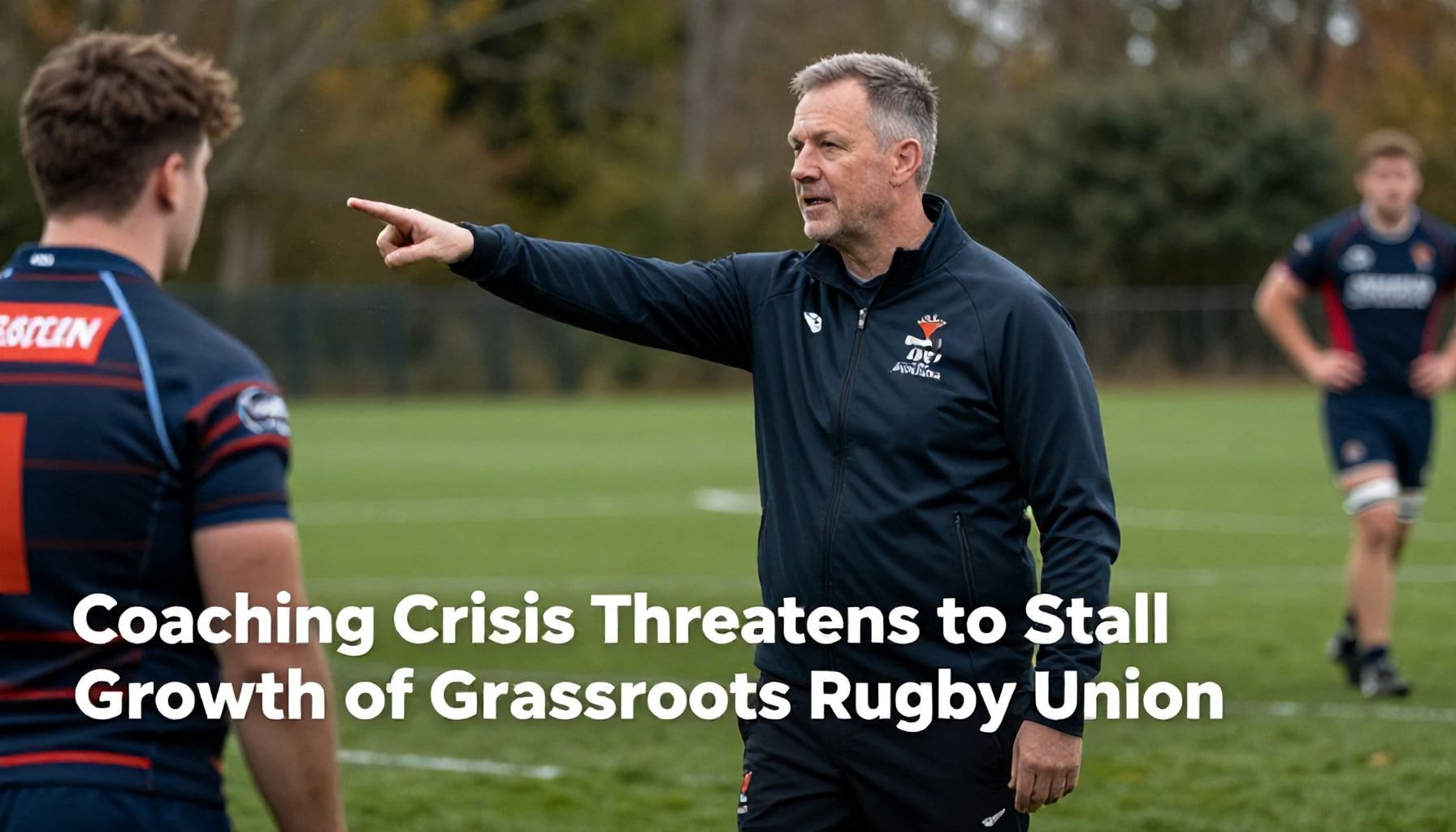
A critical shortage of qualified coaches threatens to stall the growth of grassroots rugby union across the UK. The Rugby Football Union (RFU) has identified a 20% shortfall in accredited coaches, leaving many clubs struggling to field teams.
The crisis stems from a combination of factors. Many experienced coaches have left the sport due to increased workloads and limited financial compensation. Meanwhile, the RFU’s coaching pathway, which requires extensive training and certification, has deterred potential newcomers.
Clubs are feeling the pinch. According to a survey by the RFU, 65% of grassroots clubs report difficulties in finding qualified coaches. This has led to longer training sessions for fewer players and, in some cases, the cancellation of matches.
The RFU has acknowledged the issue. “We are aware of the challenges facing grassroots rugby and are working to address the coach shortage,” said RFU Chief Executive Bill Sweeney. The union has launched initiatives to streamline the coaching pathway and offer financial incentives to retain existing coaches.
Despite these efforts, the problem persists. Without immediate intervention, the future of grassroots rugby union in the UK hangs in the balance. The RFU must act swiftly to ensure the sport’s growth is not derailed by a lack of qualified coaches.
The shortage of coaches at grassroots level threatens to undermine the future of rugby in the UK. With fewer volunteers stepping forward, many clubs face the prospect of reduced training sessions and limited player development. The RFU has acknowledged the challenge, pledging to invest in coach education and retention strategies. However, the long-term impact on participation rates and the talent pipeline remains uncertain. As the sport grapples with this issue, the focus will be on whether these initiatives can reverse the decline and secure the game’s grassroots foundation.