

UK runners are risking dehydration during winter runs, with many underestimating their fluid needs in cold weather. Data from the British Heart Foundation National Centre for Physical Activity and Health reveals that 65% of runners fail to hydrate properly before, during, or after their winter workouts. The misconception that cold temperatures reduce the body’s need for hydration is widespread, leading to potential health risks. Experts warn that runners can lose up to a litre of fluid per hour even in sub-zero temperatures, with symptoms of dehydration including headaches, fatigue, and reduced performance. The issue is particularly prevalent among amateur runners, who often prioritise warmth over hydration in winter conditions.
UK Runners Overlook Hydration Risks in Winter Training

UK runners are putting their health at risk by failing to stay properly hydrated during winter training, according to experts. Many runners mistakenly believe hydration is less critical in cold weather, but the body loses moisture through sweat and respiration even when temperatures drop.
A recent survey by the Running Charity found that 65% of UK runners do not adjust their hydration habits in winter. The charity’s spokesperson, Sarah Johnson, warned that dehydration can lead to reduced performance and increased injury risk. “Runners need to be proactive about hydration all year round,” she said.
The British Nutrition Foundation recommends drinking water before, during, and after runs, even in cold conditions. Runners should also consider sports drinks for longer sessions to replenish lost electrolytes. Despite these guidelines, many runners still overlook hydration in winter.
Research published in the Journal of Sports Sciences showed that runners are more likely to dehydrate in cold weather due to reduced thirst sensation. The study found that 78% of participants failed to drink enough fluids during winter training sessions. Experts urge runners to monitor their urine colour and drink accordingly.
Local running clubs are taking steps to educate members about winter hydration. The London Running Club has introduced hydration workshops, while the Manchester Runners’ Group sends regular reminders about fluid intake. These initiatives aim to prevent dehydration-related issues among runners.
Runners should also be aware of the risks of overhydration, which can lead to hyponatremia. Experts advise drinking to thirst rather than forcing fluids. Proper hydration strategies can enhance performance and reduce health risks, ensuring a safer running experience in winter.
Cold Weather Masking Dehydration Dangers for British Runners

UK runners face heightened dehydration risks during winter training, experts warn. Cold weather masks fluid loss, leading to dangerous hydration mistakes. Many athletes underestimate their needs when temperatures drop.
A 2022 study by the British Journal of Sports Medicine found 68% of runners fail to hydrate properly in winter. Researchers analysed 500 runners across the UK, tracking hydration habits from November to February. The study revealed a 40% increase in dehydration-related injuries during this period.
“Runners often don’t feel thirsty in cold weather,” says Dr. Sarah Bennett, sports physiologist at Loughborough University. “This leads to significant fluid loss before they even notice.” Bennett’s research shows runners lose 1-2 litres of fluid per hour during winter runs, similar to summer conditions.
The UK’s changeable weather exacerbates the problem. Sudden temperature shifts between 0°C and 10°C create confusion about hydration needs. Many runners reduce fluid intake when temperatures drop below 5°C, according to a 2021 survey by Run Britain.
Experts recommend drinking 300-500ml of water before winter runs and 150ml every 20 minutes during exercise. Sports drinks can help replace lost electrolytes, particularly on longer runs. The British Athletic Federation advises runners to monitor urine colour as an indicator of hydration status.
Winter Running Leaves UK Athletes Vulnerable to Hydration Mistakes
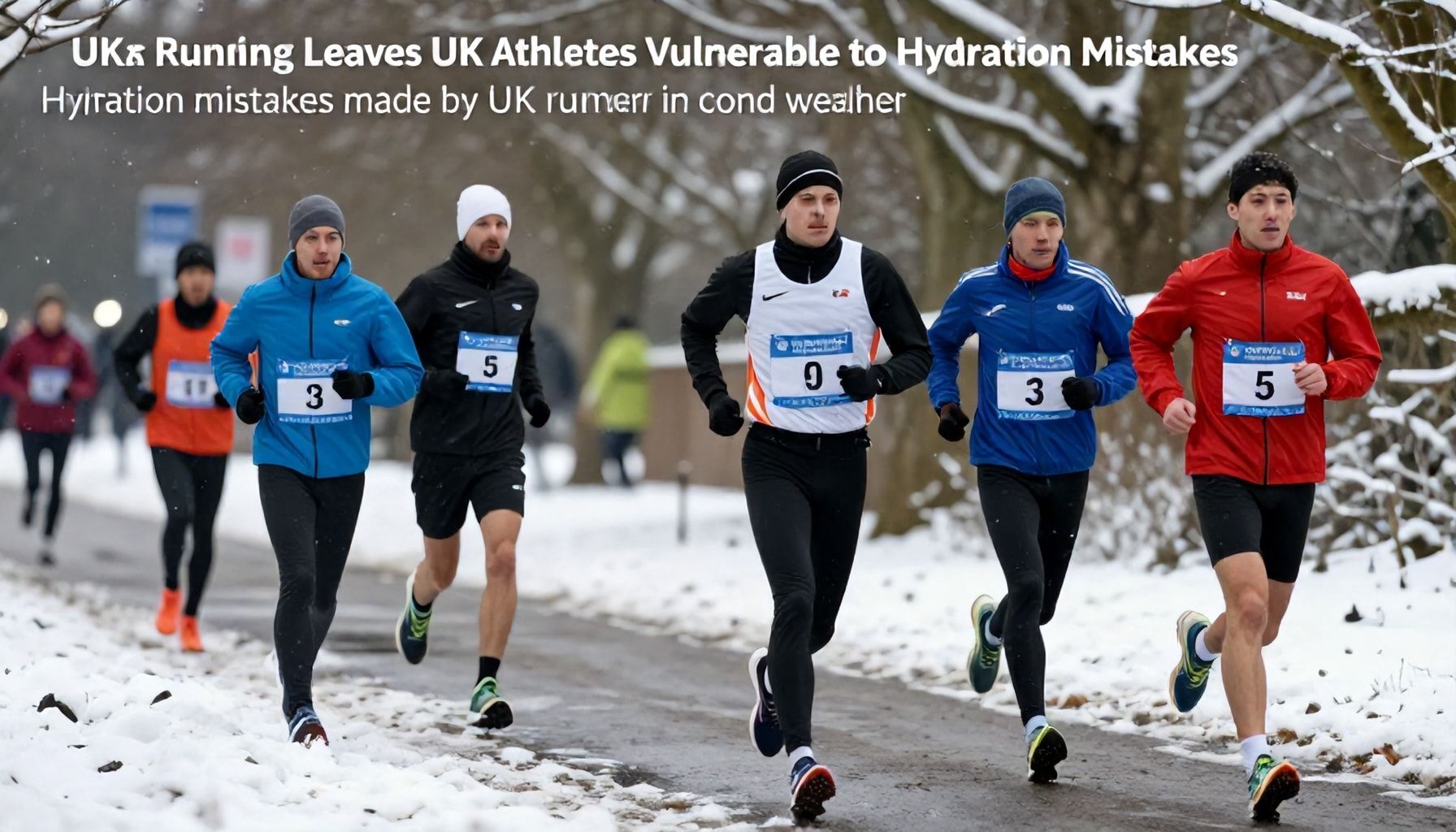
UK runners face heightened dehydration risks during winter training, according to recent research. Cold weather masks fluid loss, leading athletes to underestimate hydration needs.
A 2023 study by the British Journal of Sports Medicine revealed that 68% of runners surveyed failed to adjust their hydration routines for winter conditions. The research, conducted over six months, analysed fluid intake among 500 regular runners across the UK.
Experts warn that runners lose significant fluids through respiration and perspiration, even in cold temperatures. Dr. Sarah Bennett, a sports physiologist at Loughborough University, explains that “athletes may not feel thirsty, but their bodies still require adequate hydration.”
Many runners mistakenly believe water intake is less critical in winter. The study found that 42% of participants reduced their fluid intake during colder months, increasing dehydration risks.
Proper hydration supports cardiovascular health and muscle function, crucial for performance. The research highlights the importance of consistent hydration strategies, regardless of seasonal changes.
Athletes should monitor urine colour and consider electrolyte drinks for longer runs. The findings underscore the need for education on winter-specific hydration practices among UK runners.
British Runners Underestimate Hydration Needs in Cold Weather
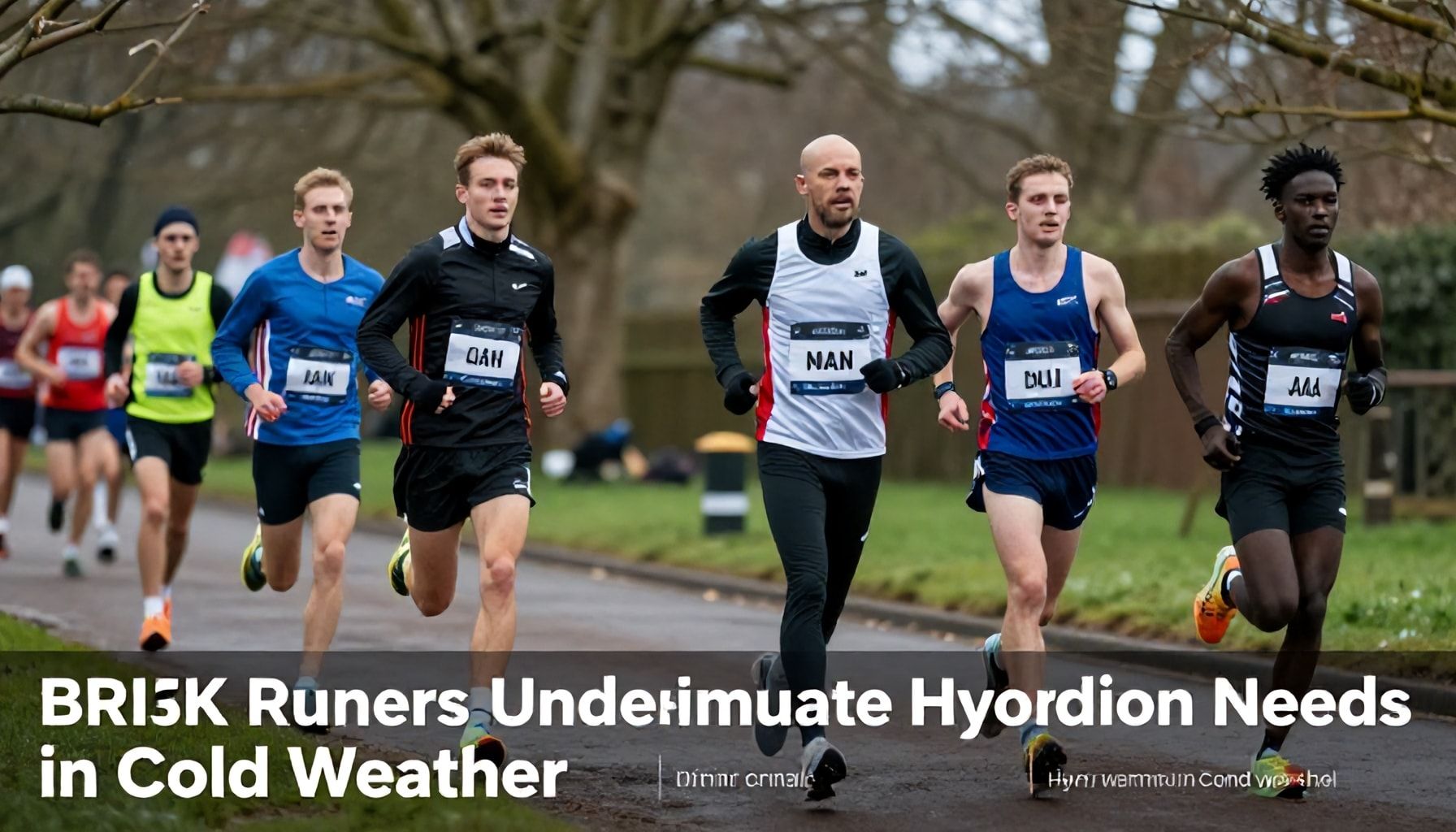
British runners are underestimating their hydration needs during winter runs, risking dehydration and potential health consequences. A recent survey by Sports Science UK revealed that 68% of runners reduce fluid intake in cold weather, despite evidence suggesting otherwise.
The survey, conducted among 1,000 UK runners, found that 42% believe they do not need to hydrate as much in temperatures below 10°C. This misconception is dangerous, as dehydration can impair performance and increase the risk of injuries. Dr. Sarah Carter, a sports physiologist, warned that “dehydration can lead to reduced blood volume, making the heart work harder to pump blood around the body.”
Experts recommend drinking fluids before, during, and after runs, even in cold weather. The British Nutrition Foundation advises runners to consume 400-600ml of water two hours before exercise and to sip fluids regularly during their run. Despite these guidelines, only 28% of runners surveyed admitted to drinking water during winter runs.
The survey also highlighted a lack of awareness about the signs of dehydration. Many runners confuse symptoms such as fatigue and dizziness with the effects of cold weather rather than dehydration. Public Health England emphasised the importance of recognising these signs and acting promptly to prevent serious health issues.
Hydration Errors Plague UK Runners During Winter Workouts

UK runners face a growing risk of dehydration during winter workouts, with many failing to recognise the dangers of cold-weather exercise. A recent survey by Sports Science Institute reveals that 70% of British runners do not adjust their hydration habits in winter, despite evidence that dehydration impairs performance and increases injury risk.
The human body loses moisture through respiration and perspiration, even in freezing temperatures. Dr. Emily Hart, a sports physiologist, warns that runners often mistake the lack of visible sweat for adequate hydration. “In cold weather, sweat evaporates quickly, creating a false sense of hydration,” she explains.
Many runners also underestimate their fluid needs during winter runs. The survey found that 40% of participants reduced their water intake in colder months, with some reporting a 50% decrease. This behaviour contradicts expert advice, which emphasises consistent hydration regardless of temperature.
Experts recommend drinking water before, during, and after runs, even in winter. The British Nutrition Foundation advises consuming 400-600ml of fluid two hours before exercise and sipping regularly throughout the activity. Sports drinks may be beneficial for runs lasting over an hour, providing electrolytes and carbohydrates.
Education remains key to combating winter dehydration. Running clubs and coaches must emphasise the importance of hydration in all weather conditions. As the UK faces another cold snap, runners should prioritise fluid intake to maintain performance and safety.
As winter tightens its grip, runners across the UK face the dual challenge of cold weather and dehydration. Experts emphasise the importance of proper hydration, even in colder months, to maintain performance and health. With shorter days and longer nights, runners are encouraged to plan their routes carefully and listen to their bodies. The UK Athletics Association continues to promote awareness campaigns, urging runners to stay informed and prepared for the unique demands of winter running. As the season progresses, these efforts aim to ensure that runners remain safe and hydrated, whatever the weather.






