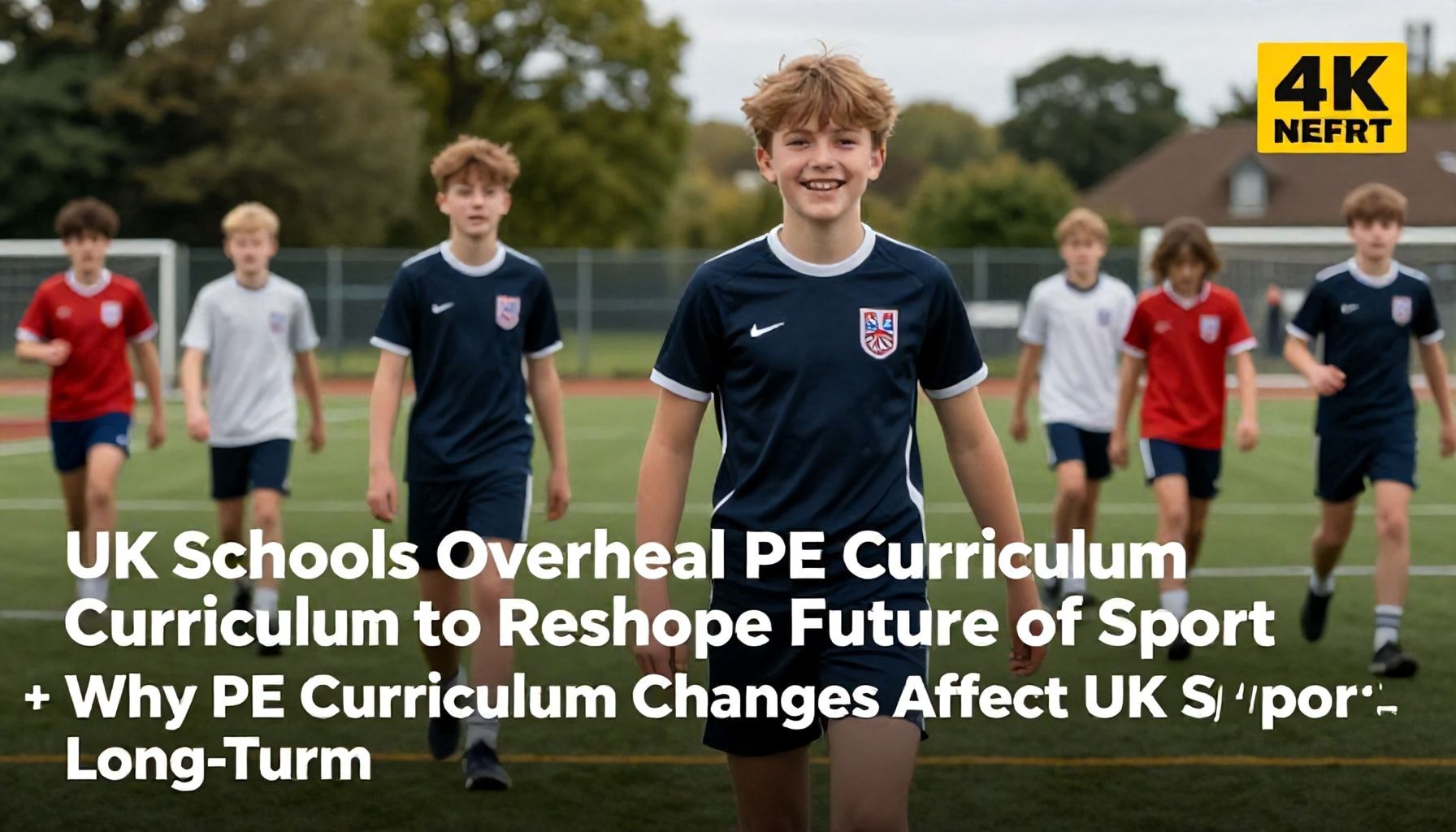
The UK government has announced a sweeping overhaul of the physical education (PE) curriculum, aiming to transform the future of sport in the country. Starting in September 2025, all state-funded primary and secondary schools in England will implement the new curriculum, which emphasises inclusivity, mental health benefits, and a broader range of sports. The Department for Education, citing a 2023 report from Sport England that revealed only 45% of children meet the recommended daily physical activity guidelines, hopes the changes will increase participation and tackle declining youth sports engagement. The revised curriculum will introduce compulsory daily physical activity for primary school pupils and a wider variety of sports, including non-traditional options like parkour and yoga, to better reflect diverse student interests. Secondary schools will also see a greater focus on leadership and volunteering in sports, with the goal of fostering long-term engagement.
UK Schools Revolutionise PE Curriculum for Future Sports Success

UK schools are revolutionising their physical education (PE) curriculums, aiming to reshape the future of sport. The changes focus on inclusivity, skill development, and long-term engagement. Experts believe this overhaul will significantly impact UK sport in the coming decades.
The Department for Education has introduced new guidelines encouraging schools to diversify their PE offerings. Traditional sports like football and netball remain, but there is a push for more inclusive activities. Schools now incorporate disability sports, yoga, and even esports into their PE programmes.
A key driver behind these changes is the desire to increase participation rates among young people. According to a 2022 report by Sport England, only 45% of children meet the recommended daily activity levels. The new curriculum aims to make PE more accessible and appealing to all students.
The British Olympic Association has welcomed the changes, highlighting the importance of early skill development. “Exposing children to a variety of sports and activities at a young age increases the likelihood of finding a lifelong passion,” said a spokesperson. This approach could lead to a more diverse talent pool for future Olympic teams.
Critics argue that the changes may dilute the focus on traditional sports. However, proponents counter that a broader curriculum will ultimately benefit UK sport. By fostering a love for physical activity early on, schools hope to create a healthier, more active nation.
The long-term impact of these changes remains to be seen, but the shift is already evident in many schools. With continued support and funding, the new PE curriculum could reshape the future of UK sport for generations to come.
Government-Led Overhaul Aims to Transform Physical Education Landscape
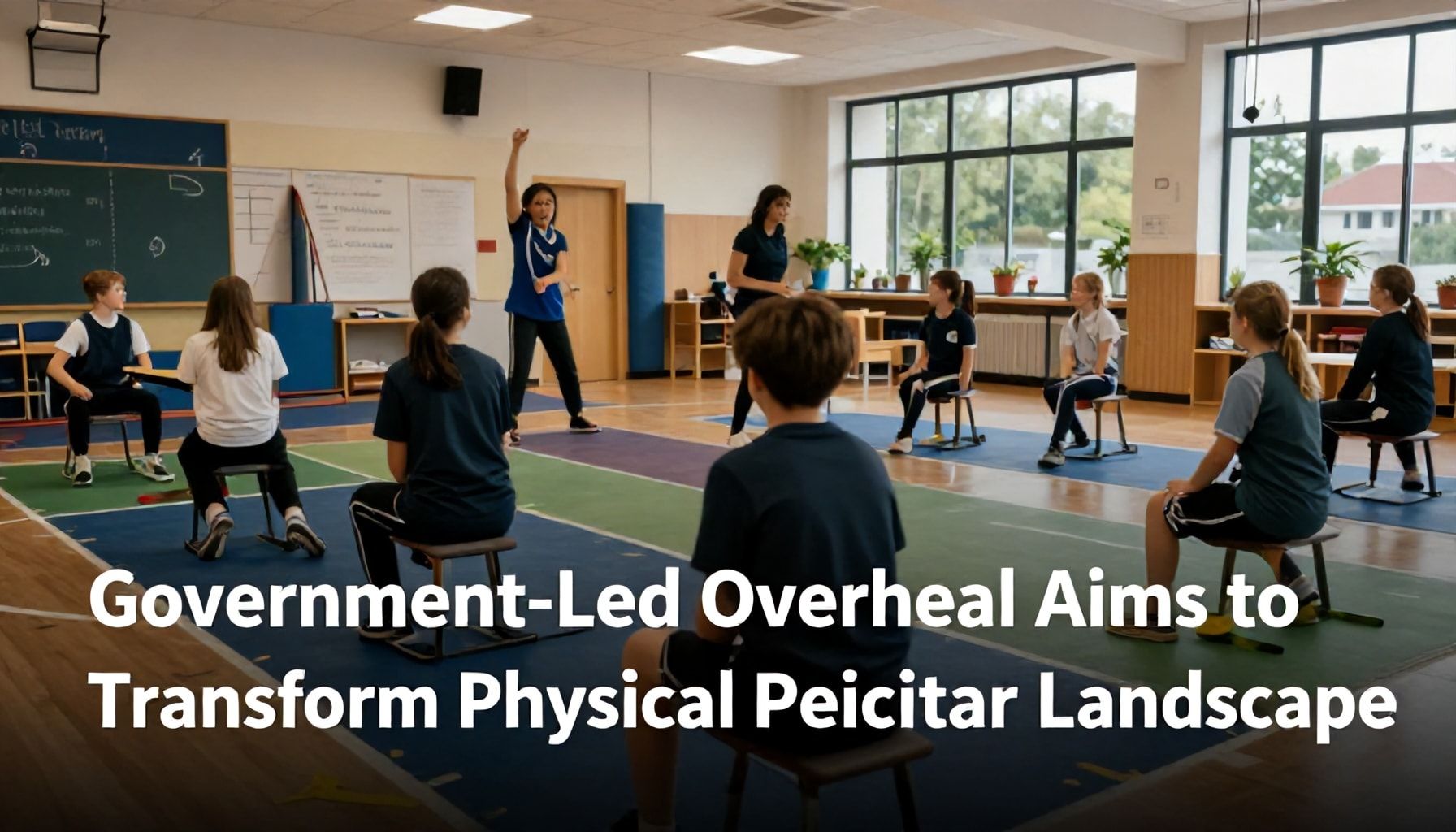
The UK government has launched a sweeping overhaul of the physical education (PE) curriculum, aiming to transform the nation’s sporting landscape for future generations. The changes, announced by the Department for Education, target primary and secondary schools across England, with a focus on increasing participation and fostering long-term sporting habits.
The revised curriculum emphasises inclusivity and diversity, with a strong push to make PE more accessible to all pupils. Schools are now required to offer a broader range of sports and physical activities, including non-traditional options like parkour, yoga, and disability-inclusive sports. This shift is designed to engage a wider demographic and encourage lifelong participation in physical activity.
A key component of the overhaul is the introduction of a new “School Games” programme, which will see inter-school competitions expanded and made more accessible. The government has pledged £320 million over the next four years to support this initiative, with the aim of increasing participation rates by 20% by 2025. Education Secretary Gillian Keegan stated, “This is about giving every child the opportunity to find a sport they love and the confidence to pursue it.”
The changes also include a renewed focus on teacher training, with mandatory professional development courses on inclusive PE practices. The government hopes this will address the current shortage of qualified PE teachers and ensure that all pupils receive high-quality physical education. According to a recent report by the Youth Sport Trust, only 18% of state schools currently meet the recommended two hours of PE per week, a figure the government aims to improve significantly.
Critics have raised concerns about the implementation timeline and the potential strain on school resources. However, the Department for Education maintains that the changes are necessary to combat rising obesity rates and declining youth sports participation. With these reforms, the government hopes to lay the groundwork for a healthier, more active future for all UK children.
New PE Curriculum Targets Long-Term Impact on UK Sporting Achievements

The UK government has unveiled a sweeping overhaul of the physical education (PE) curriculum, aiming to cultivate a new generation of athletes and boost the nation’s sporting achievements. At the heart of the changes lies a strategic shift from traditional sports to a broader range of physical activities, designed to engage more pupils and foster long-term participation.
The Department for Education (DfE) has announced that schools will now be required to offer a wider variety of activities, including yoga, dance, and outdoor adventure sports. This move is expected to appeal to a more diverse range of students, encouraging them to maintain active lifestyles beyond their school years. The DfE anticipates that this will lead to a sustained increase in grassroots sports participation, ultimately benefiting elite-level competition.
A key component of the new curriculum is the emphasis on developing fundamental movement skills, such as balance, coordination, and agility. Experts believe that mastering these skills early on can significantly improve athletic performance in later years. The DfE has cited research indicating that children who develop these skills are more likely to continue participating in sports throughout their lives.
The government has also introduced a new assessment framework, focusing on personal progress and individual improvement rather than competition. This approach aims to create a more inclusive environment, encouraging all pupils to engage in physical activity regardless of their initial ability level. The DfE hopes that this will help to identify and nurture talent that might otherwise go unnoticed.
The overhaul has received widespread support from the sporting community. Baroness Sue Campbell, the FA’s head of women’s football development, has praised the changes, stating that they will “help to create a more active and healthier nation.” She added that the new curriculum will provide a solid foundation for future sporting success.
The government has committed £320 million to support the implementation of the new PE curriculum, with funding allocated for teacher training and the provision of new equipment. The DfE has also announced plans to establish a network of specialist PE teachers, who will work closely with schools to ensure the successful delivery of the new curriculum.
The changes to the PE curriculum are part of a broader government strategy to improve the nation’s health and wellbeing. The DfE has set a target of increasing the number of children engaging in regular physical activity by 10% over the next five years. Officials believe that the new curriculum will play a crucial role in achieving this goal.
The impact of the new PE curriculum is expected to be felt not only in schools but also in the wider sporting community. With a greater emphasis on participation and personal development, the changes are likely to result in a more diverse and inclusive sporting landscape. The DfE has expressed confidence that the new curriculum will help to produce a new generation of athletes, capable of competing at the highest levels of international sport.
Schools Embrace Radical Changes to Shape Next Generation of Athletes

The UK’s physical education curriculum is undergoing a radical transformation, with schools embracing changes designed to shape the next generation of athletes. Experts believe these modifications will have a profound long-term impact on the nation’s sporting landscape.
At the heart of the overhaul is a shift towards a more inclusive and diverse PE curriculum. Traditional sports like football and netball are being supplemented with activities such as parkour, yoga, and disability sports. This shift aims to engage a broader range of students, fostering a lifelong love for physical activity.
The changes also focus on developing fundamental movement skills and physical literacy from an early age. Research from Sport England indicates that children who develop these skills are more likely to remain active into adulthood. This could potentially increase participation in elite and grassroots sports.
Schools are also placing greater emphasis on coaching and mentoring programmes. The Youth Sport Trust reports that structured coaching can improve young people’s confidence and competence in sports. This could lead to a higher number of talented athletes emerging from the school system.
Critics argue that the changes may dilute the focus on traditional team sports. However, proponents contend that the new curriculum will create a more sustainable sporting culture. The long-term effects of these changes will be closely monitored by educational and sporting bodies alike.
PE Curriculum Update Sparks Debate on Future of British Sport
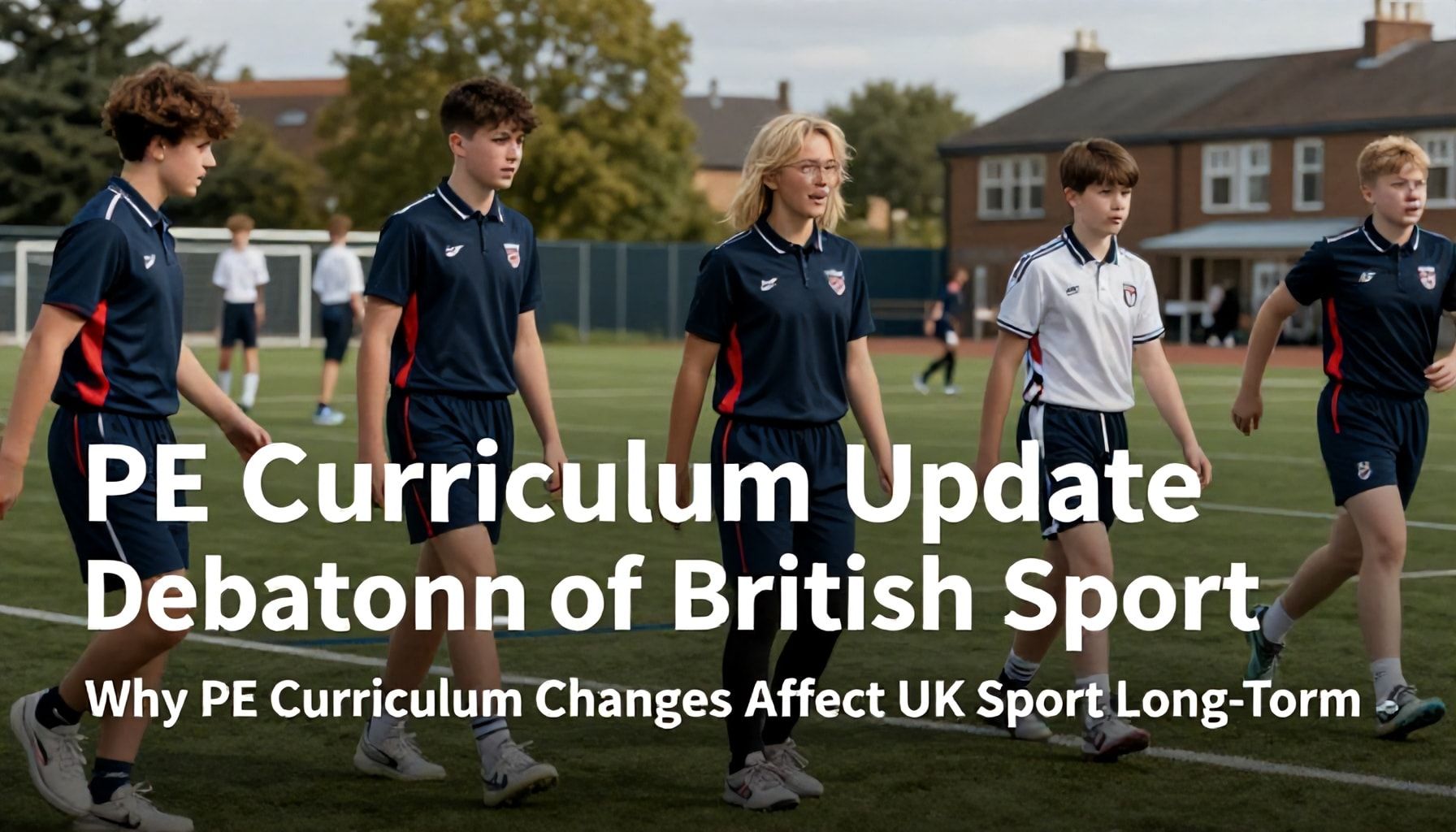
The UK government has announced a comprehensive overhaul of the physical education (PE) curriculum, aiming to reshape the future of British sport. This initiative, launched in response to declining youth participation in sports, seeks to make PE more inclusive and engaging for all pupils.
The new curriculum emphasises a broader range of activities, including non-traditional sports like parkour and yoga. Traditional sports such as football and netball will remain but with a greater focus on skill development and personal fitness. The Department for Education (DfE) hopes these changes will encourage more students to find activities they enjoy and continue into adulthood.
Critics argue the changes could dilute the focus on competitive sports, potentially impacting the UK’s future sporting success. Former Olympic gold medallist Sir Steve Redgrave expressed concerns, stating, “While inclusivity is crucial, we must ensure that elite pathways remain robust. The balance is delicate.”
The DfE maintains that the new curriculum will still support elite athletes, with dedicated programmes for talented pupils. Schools will be encouraged to partner with local sports clubs to provide additional training and competition opportunities. This approach aims to identify and nurture future stars while promoting lifelong physical activity.
The changes come amid growing concerns about childhood obesity and inactivity. Recent data shows that only 45% of children meet the recommended daily physical activity levels. The government hopes the revised PE curriculum will play a pivotal role in addressing this public health crisis.
Implementation of the new curriculum is set to begin in September 2024, with full rollout expected by 2026. Schools will receive additional funding to train teachers and purchase new equipment. The DfE believes this investment will ensure a smooth transition and maximise the benefits for pupils.
The Department for Education has confirmed that the new PE curriculum will be rolled out nationwide by September 2025, following a successful pilot phase in select schools. The overhaul aims to create a lasting legacy by fostering a generation of active, healthy individuals who view sport as an integral part of their lives. With the curriculum’s focus on inclusivity and personal development, educators hope to see a marked increase in participation rates and a shift in attitudes towards physical activity.
As the new curriculum takes effect, schools will receive additional funding to train teachers and invest in new equipment. The government has also pledged to monitor progress closely, with annual reports assessing the impact on students’ health, well-being, and engagement in sport. This initiative marks a significant step towards addressing childhood obesity and promoting lifelong fitness habits.