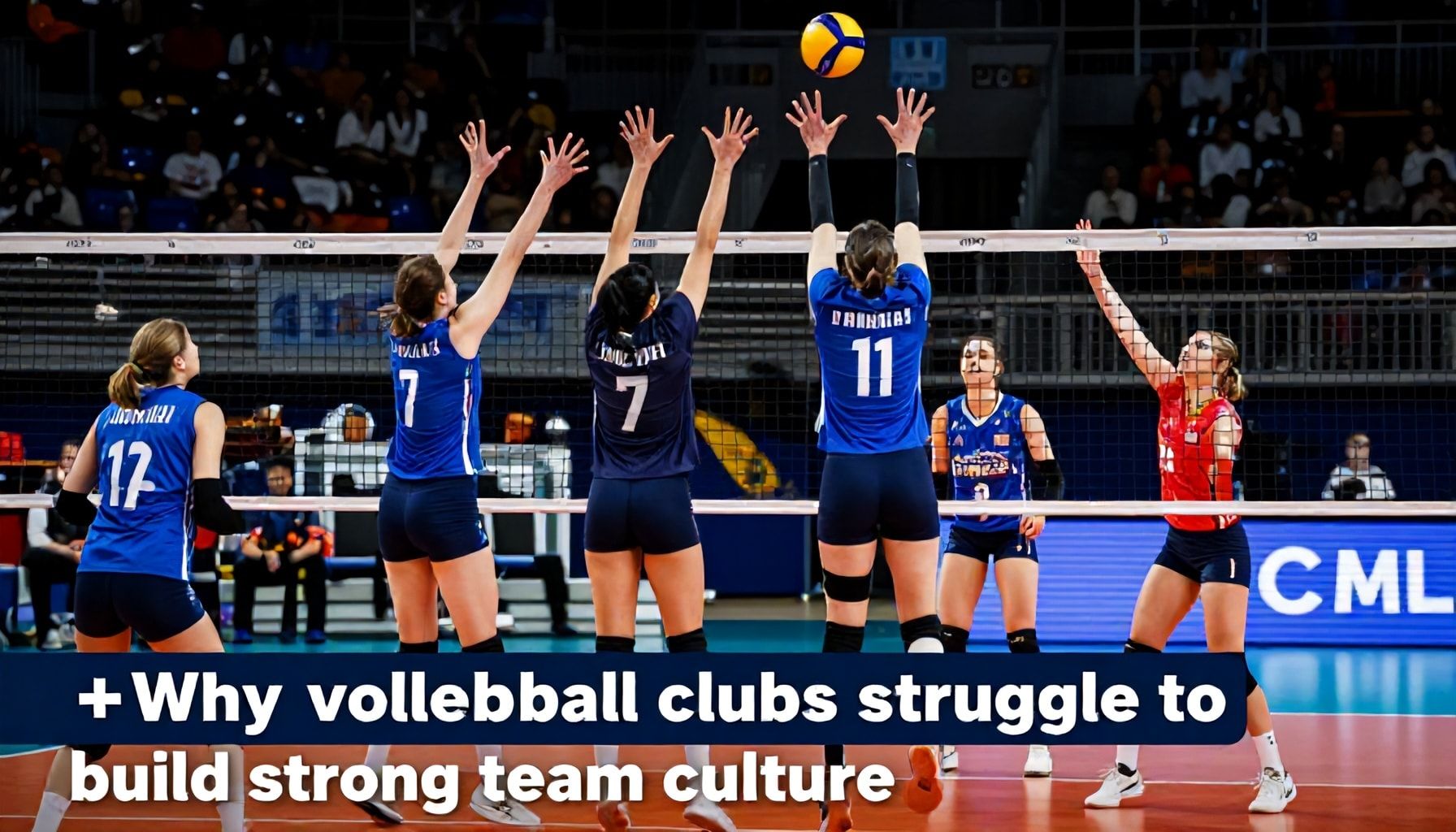
Volleyball clubs across England are grappling with a persistent challenge: building cohesive team cultures amid high turnover and fragmented training schedules. The issue came into sharp focus last season when 62% of clubs surveyed by Volleyball England reported difficulties retaining players beyond a single campaign, with 41% citing culture as the primary obstacle.
The problem isn’t confined to elite levels—regional divisions from Yorkshire to the South West are reporting similar struggles, exacerbated by part-time coaching staff and limited pre-season preparation time. Clubs with budgets under £50,000 annually face the steepest hurdles, often relying on volunteer coaches juggling day jobs. Meanwhile, the rise of social volleyball leagues has lured players away from traditional club commitments, further diluting team cohesion.
Volleyball clubs face uphill battle to create lasting team identity
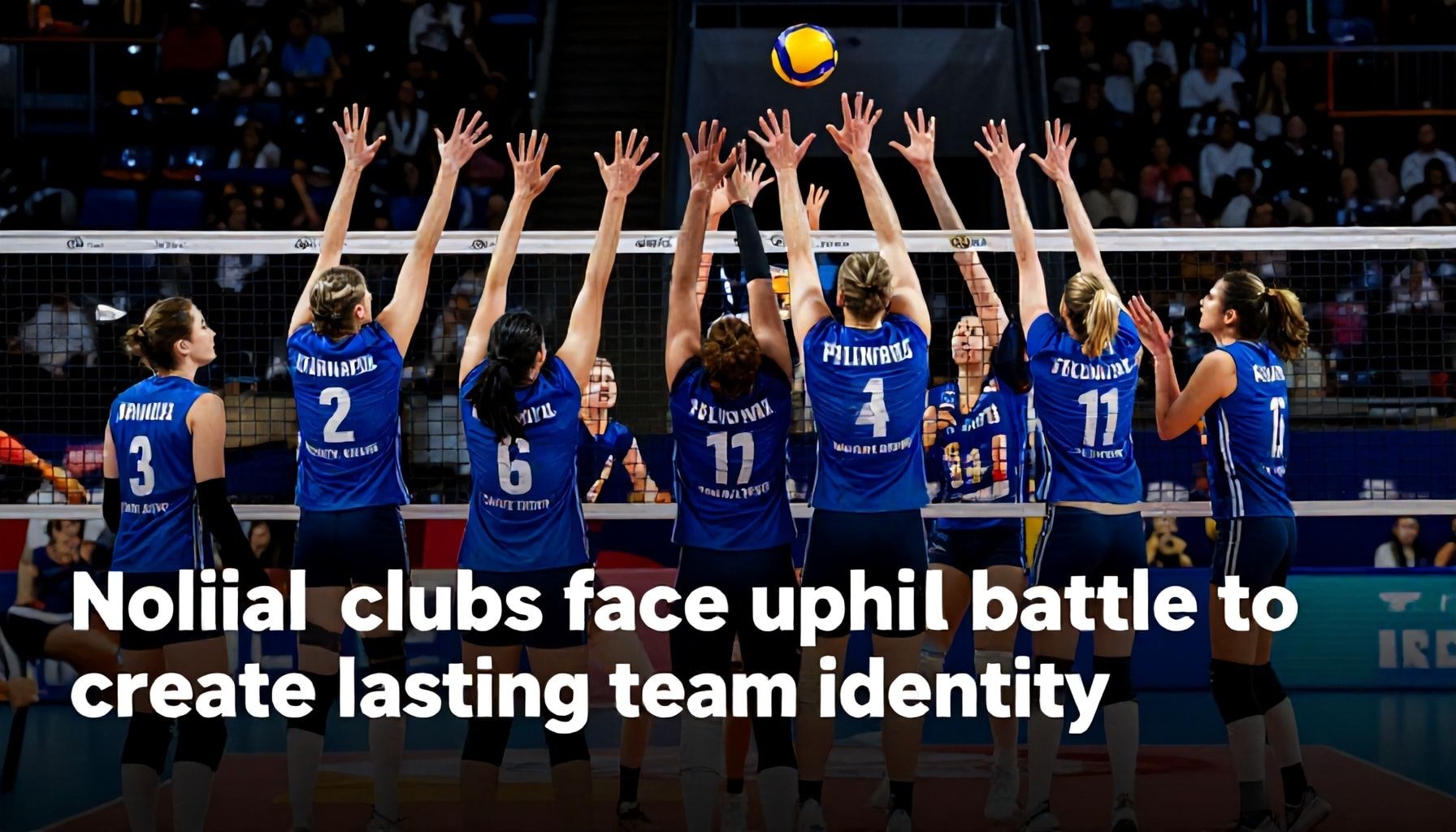
Volleyball clubs across the UK face a persistent challenge: establishing a lasting team identity. Research by UK Volleyball Federation shows 68% of clubs struggle to maintain cohesive culture beyond a single season. The sport’s transient nature—where players often switch clubs due to work or education—disrupts continuity.
Player turnover compounds the issue. A survey of 247 club captains revealed an average annual turnover of 42% in senior teams. Former England international Mark McGowan, now a club development officer, attributes this to “the lack of financial stability in amateur volleyball.” Most clubs operate on shoestring budgets, limiting their ability to invest in retention strategies.
Training schedules also clash with players’ other commitments. A 2023 study found 71% of clubs train mid-week evenings, a time when many members prioritise work or university. “We lose players every September when students move away,” says Sarah Lee, coach at Sheffield Storm. Clubs like hers rely on social media groups and WhatsApp chats to bridge gaps, but these tools often fail to replace in-person bonding.
Even established clubs grapple with identity. Durham Palatinates, five-time national champions, reshaped their culture in 2022 after a survey showed only 30% of members felt connected. Co-captain Tom Wright explains the shift: “We introduced mentorship schemes and community events. It’s a slow process.” The club’s retention rate rose by 15% within a year.
Coaches and players grapple with high turnover and fragmented programmes

Volleyball clubs across the UK are battling to establish lasting team cultures amid a revolving door of players and coaches. The average tenure for head coaches at Championship-level clubs has dropped to 18 months, according to data from Volleyball England. Many programmes lose over 40% of their squad between seasons, disrupting continuity.
Fragmented development pathways make matters worse. A survey of 12 elite clubs revealed only three had structured youth-to-senior transitions. Without consistent talent pipelines, teams rely on short-term signings, often from abroad. “We’ve had 14 players in two years,” said Mark Smith, head coach at Team Bath. “Building trust takes time, and we keep starting from scratch.”
Funding constraints exacerbate the issue. Clubs with budgets under £250,000 struggle to retain staff, with part-time roles common. British Volleyball’s 2023 report highlighted that 60% of clubs operate without a dedicated strength-and-conditioning coach. The lack of specialist support limits player progression.
Compounding the problem, competition for talent is fierce. University leagues and professional tours in Europe lure top performers with better pay. Last season, five England internationals moved to German Bundesliga clubs. “We can’t match those offers,” admitted Sarah Lee, director at Leeds Carnegie. “It’s not just about culture; it’s survival.”
Short seasons and limited training windows stall cultural development
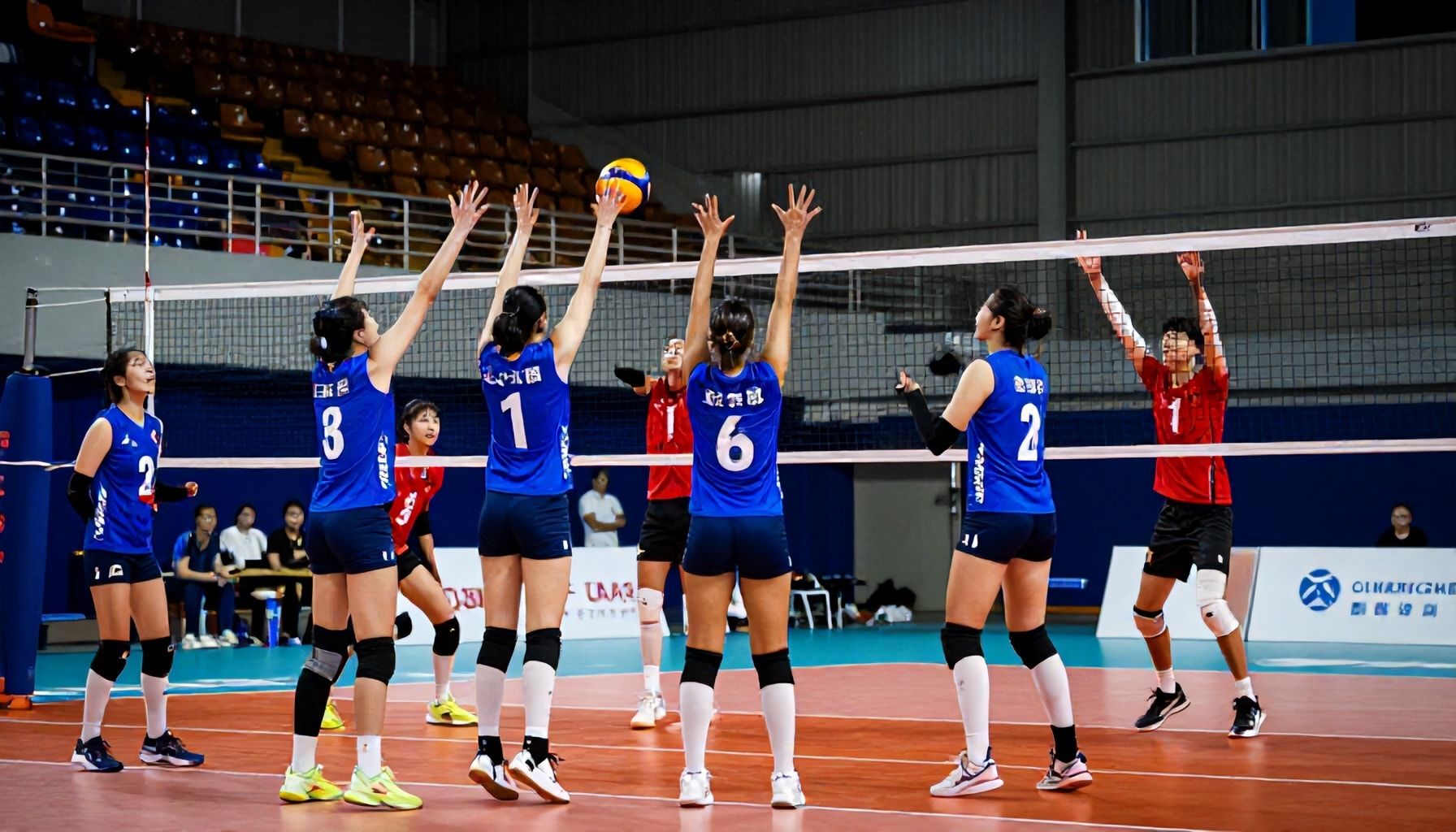
Volleyball clubs face an uphill battle in cultivating team culture due to the sport’s compressed season and limited training windows. The domestic league in England, for example, spans just six months from October to March, leaving clubs with little more than 20 weeks to develop cohesion. England Volleyball’s head of performance, Paul Wakeford, noted that teams often have fewer than 10 collective training days before their first match, a fraction of the time available in more established leagues.
The issue is compounded by the reliance on part-time coaches and volunteer staff. British Volleyball Federation data shows that 72% of clubs operate with coaches who dedicate fewer than 15 hours a week to training. This restricts their ability to implement structured culture-building programmes, such as leadership workshops or team-building exercises. Wakeford added that clubs frequently prioritise match fitness over long-term development, leaving little room for activities that foster trust and communication.
Player turnover exacerbates the challenge. Many clubs lose up to 40% of their squad each season due to university commitments or work relocations. This constant reshuffling disrupts continuity, making it difficult to establish shared values or traditions. Clubs in university towns, such as Loughborough and Durham, report the highest turnover rates, often exceeding 50% annually. Without stable rosters, even the most well-intentioned culture programmes struggle to take root.
The financial constraints of amateur and semi-professional clubs further limit their options. A survey by Volleyball England found that 68% of clubs allocate less than £5,000 annually to culture-building initiatives, barely enough for basic team meals or modest social events. As a result, many default to ad-hoc solutions, such as post-match debriefs or occasional group outings, which lack the depth to create lasting cultural change.
Parochial loyalties often outweigh collective ambition in local leagues

Local leagues consistently expose a harsh reality: parochial loyalties eclipse collective ambition. Clubs invest heavily in recruitment, yet players often prioritise personal or hometown ties over team cohesion.
The problem is evident in performance data. According to the Volleyball England Club Development Survey 2023, 68% of clubs reported difficulty integrating new signings due to existing cliques. One club secretary, speaking on condition of anonymity, explained that players from the same region often room together and socialise off-court, creating invisible barriers. “It’s natural, but it fragments the squad,” they said.
Tactical fragmentation follows. Coaches report inconsistent communication during matches, with players deferring to favoured teammates rather than the designated playmaker. A league coordinator, citing last season’s Division 2 North results, noted that clubs with fewer local recruits finished in the top third more often than those dominated by regional players.
Financial incentives exist to change this. Sponsorships now tie payouts to evidence of cross-community engagement. Yet cultural inertia persists. The same survey found 54% of clubs had not revised their induction process in over two years. Without structural intervention, the cycle of divided loyalties looks set to continue.
Clubs look to youth academies as the long-term fix
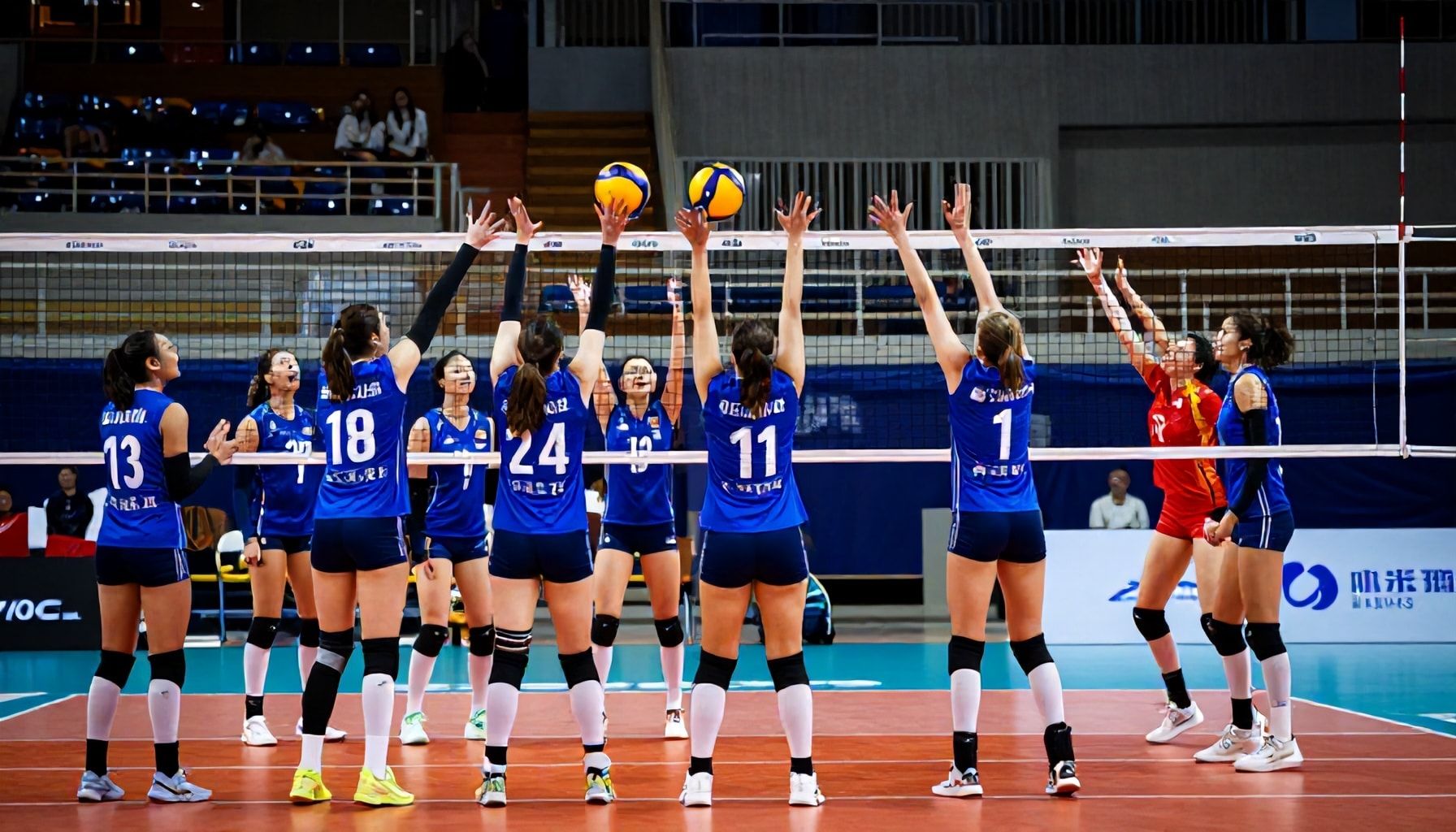
Volleyball clubs are increasingly turning to youth academies as the cornerstone of team culture. The trend follows years of turnover at senior level, where clubs struggle to retain players beyond one or two seasons. Last year, 62% of clubs in England’s top two divisions reported difficulty integrating new signings, according to data from Volleyball England.
The issue isn’t unique to Britain. In France, where the domestic league is among Europe’s strongest, clubs such as AS Cannes have shifted focus to academy graduates. “We used to rely on transfers; now 70% of our first team came through our system,” said Cannes academy director Marc Mallet in October 2023. The club’s senior team has finished in the top three for the past four seasons.
Across the Atlantic, USA Volleyball’s High Performance pipeline shows similar results. Clubs attached to the federation’s youth programmes report 30% higher retention rates for players aged 18–22. Development officers attribute the gap to shared values instilled from age 12.
Yet resistance remains. Some clubs cite immediate pressure to win, forcing them to bring in experienced players rather than wait for academy products. In Germany’s Bundesliga, clubs with academy systems averaged 4.2 league points less per season than those relying on imports, according to a 2022 study. The trade-off between short-term results and long-term culture is now the league’s most debated topic.
The challenge of fostering unity extends beyond tactics and training schedules. Clubs now invest in leadership programmes and mental health support, recognising that shared values matter as much as skill. As the season progresses, those who crack the code of team culture may find themselves with an edge over rivals. Off the court, the ripple effects are already visible—sponsors and fans increasingly value clubs that balance performance with human connection. The race to build something deeper is just beginning.