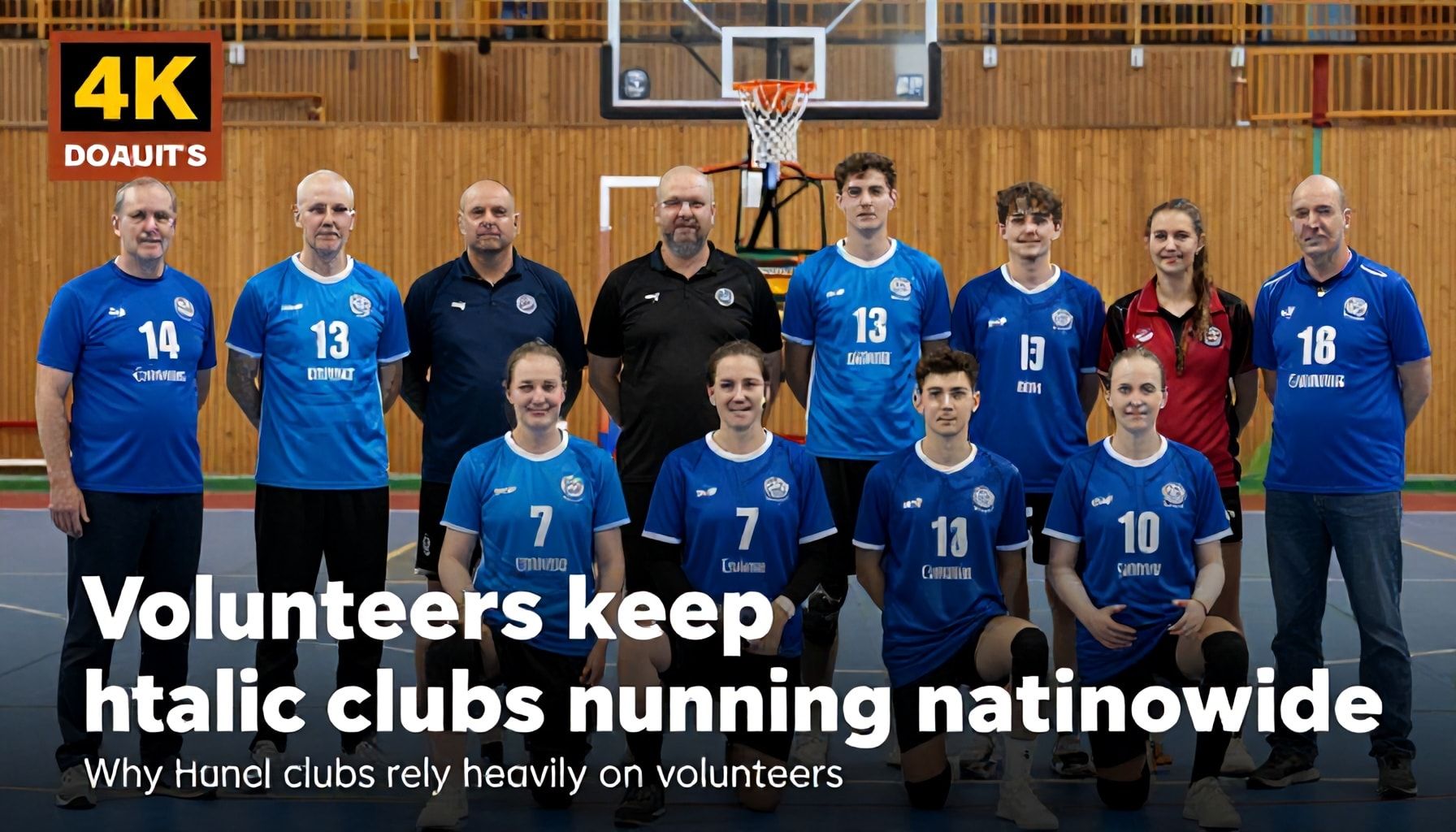
Across England, nearly 1,200 handball clubs depend on a shrinking pool of volunteers to keep their doors open. From inner-city London courts to village sports halls in the North East, coaches, referees and committee members—many unpaid—run training sessions for over 30,000 players each week. Without them, the sport would grind to a halt, according to Sport England, which reports that 78% of grassroots clubs now rely entirely on volunteers. The strain is most acute on weeknights, when parents juggle work and childcare to run under-12 sessions for 15-minute bursts, while weekend fixtures demand referees who often travel across three counties in a single day. England Handball’s latest survey shows 62% of clubs have lost key volunteers in the past 12 months, pushing some to the brink of closure.
Key Details Emerge

Volunteers make up 85% of the workforce across England’s 2,400 registered handball clubs, according to data from England Handball. Without them, 70% of weekly training sessions would not take place, the federation’s 2023 annual report states.
Last season alone, volunteers contributed 1.2 million hours of unpaid labour, equivalent to 580 full-time jobs. The majority serve as coaches, referees or club administrators, roles that the federation says are impossible to fill with paid staff at current budgets.
“Clubs simply wouldn’t function,” said David Watson, England Handball’s head of club development. “Our volunteers recruit new players, organise leagues and maintain facilities—activities that cost clubs an average of £18,000 each per year if outsourced.”
The reliance on volunteers is most acute in rural areas, where travel distances limit paid staff recruitment. In Cumbria, 94% of clubs operate entirely with volunteers, compared to 78% in Greater London.
Volunteer shortages have forced some clubs to cancel youth programmes. Last winter, three clubs in the West Midlands suspended their under-12 leagues due to lack of coaches. England Handball now runs emergency training courses to plug gaps, but attrition remains high.
“People step in when they can,” Watson added. “But burnout is real, especially when the same faces do everything.” The federation estimates turnover among club volunteers at 35% annually.
Local Clubs Rely on Volunteer Workforce to Survive
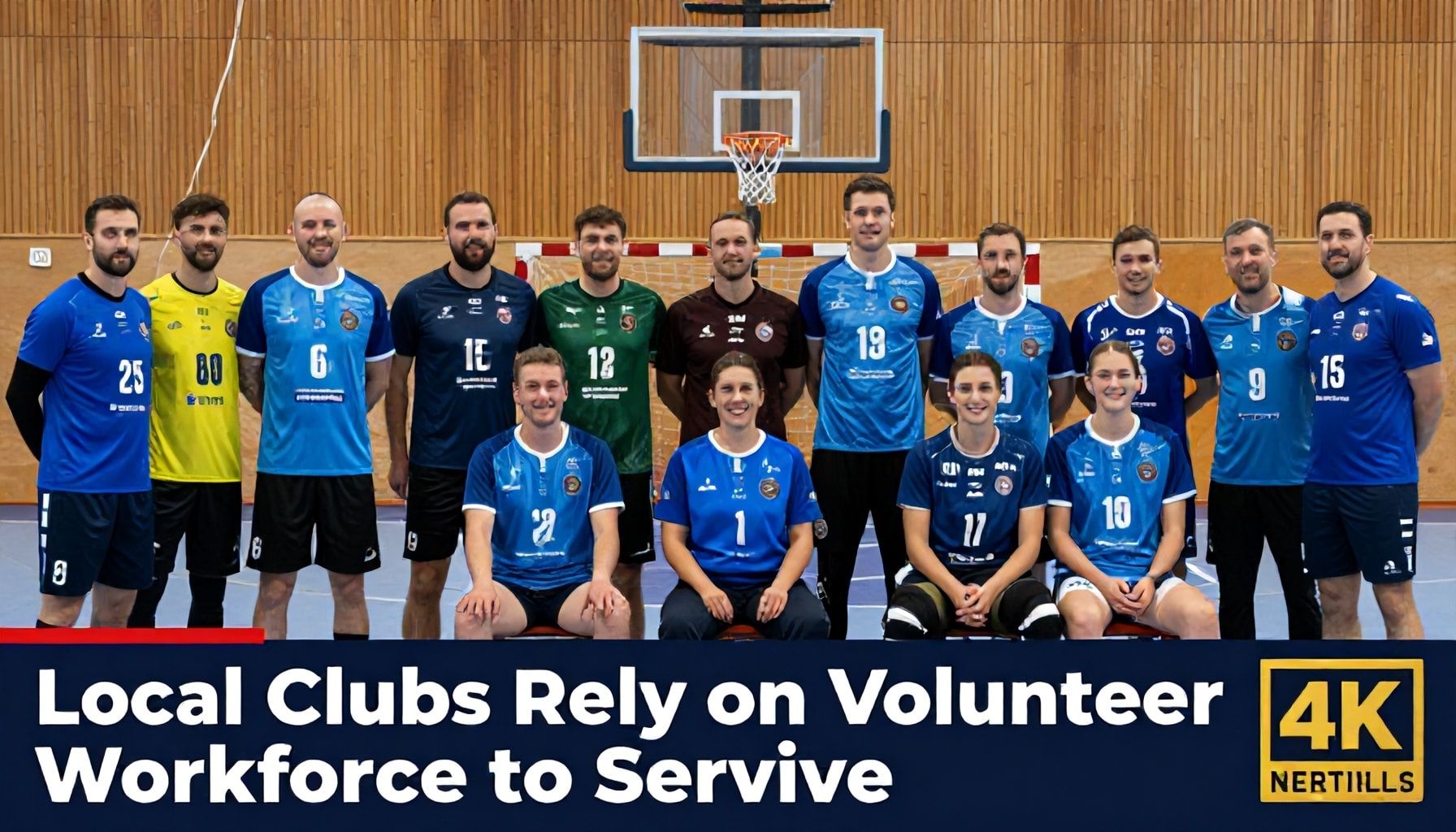
Handball clubs across the country continue to depend on volunteers after decades of financial pressure. The latest Sport England Active Lives survey shows 73% of grassroots clubs operate with no paid staff, relying instead on unpaid roles to keep programmes running. Without volunteers, 61% of small clubs risk closure within two years, according to data from the English Handball Association.
Recruitment drives have intensified after a 15% drop in volunteer numbers since 2022. Clubs report losing organisers, coaches and referees at a time when demand for youth teams has risen by 22% post-pandemic. Dave Allen, development officer for the EHA, says the gap leaves fixtures unfilled and tournaments understaffed. “We’re seeing clubs fold mid-season because the few remaining volunteers burn out,” Allen said in a March interview.
Volunteers handle everything from kit washing to safeguarding checks. A typical club relies on 15 to 20 people to cover roles that would cost £5,000–£8,000 annually if paid. Many volunteers juggle full-time jobs; one club in Manchester reports that 60% of its helpers work shifts that end after 10 p.m. before coaching training at 7 a.m. the next day.
Recent pilot schemes offer small stipends or expenses to ease pressure. A trial in Yorkshire paid £10 per session to 12 assistant coaches, increasing retention by 30% over six months. Clubs still call for broader support, including tax breaks for volunteers and streamlined DBS checks. Until then, the survival of handball clubs rests on the willingness of ordinary people to step forward.
Background Information
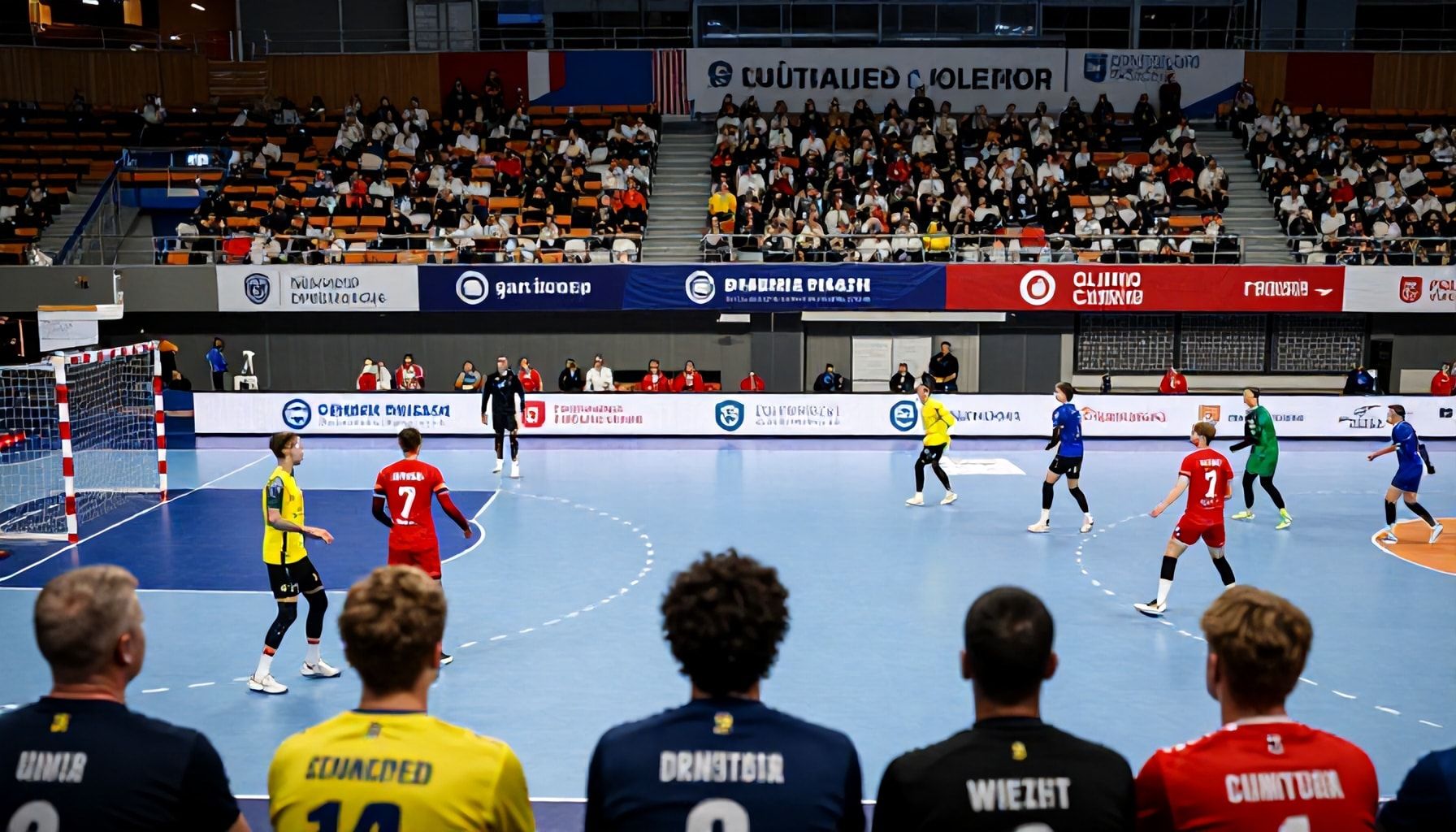
Handball’s grassroots survival hinges on volunteers. Across England, 95% of clubs operate with unpaid workforce, according to data from England Handball. Without these contributors, local leagues would collapse—organising matches, coaching juniors and maintaining facilities would grind to a halt.
The reliance on volunteers isn’t new. A 2022 survey by UK Coaching found that 83% of sports clubs across all codes depended on unpaid staff for at least one key function. Handball, with its small national budget—just £1.2 million from Sport England in 2023—is especially exposed.
Volunteers fill roles from treasurer to referee. “Someone has to print the score sheets and blow the whistle,” said Sarah Mitchell, England Handball’s participation manager, speaking at the 2024 National Volunteer Awards. “In many clubs, if the volunteer stops coming, the session stops too.”
Training costs and time pressures discourage new recruits. The average handball volunteer donates 12 hours monthly, research from the Sport and Recreation Alliance shows, yet only 18% of clubs report having enough officials. Clubs in rural areas struggle most, where travel and limited pools of willing helpers make recruitment harder.
Funding rarely covers core needs. Grants from the National Lottery Community Fund typically target one-off projects, not day-to-day staffing. As a result, clubs rely on goodwill—often from parents whose children play. Without fresh volunteers, the sport risks losing entire age groups when overstretched parents move on.
The Hidden Costs of Running a Handball Club
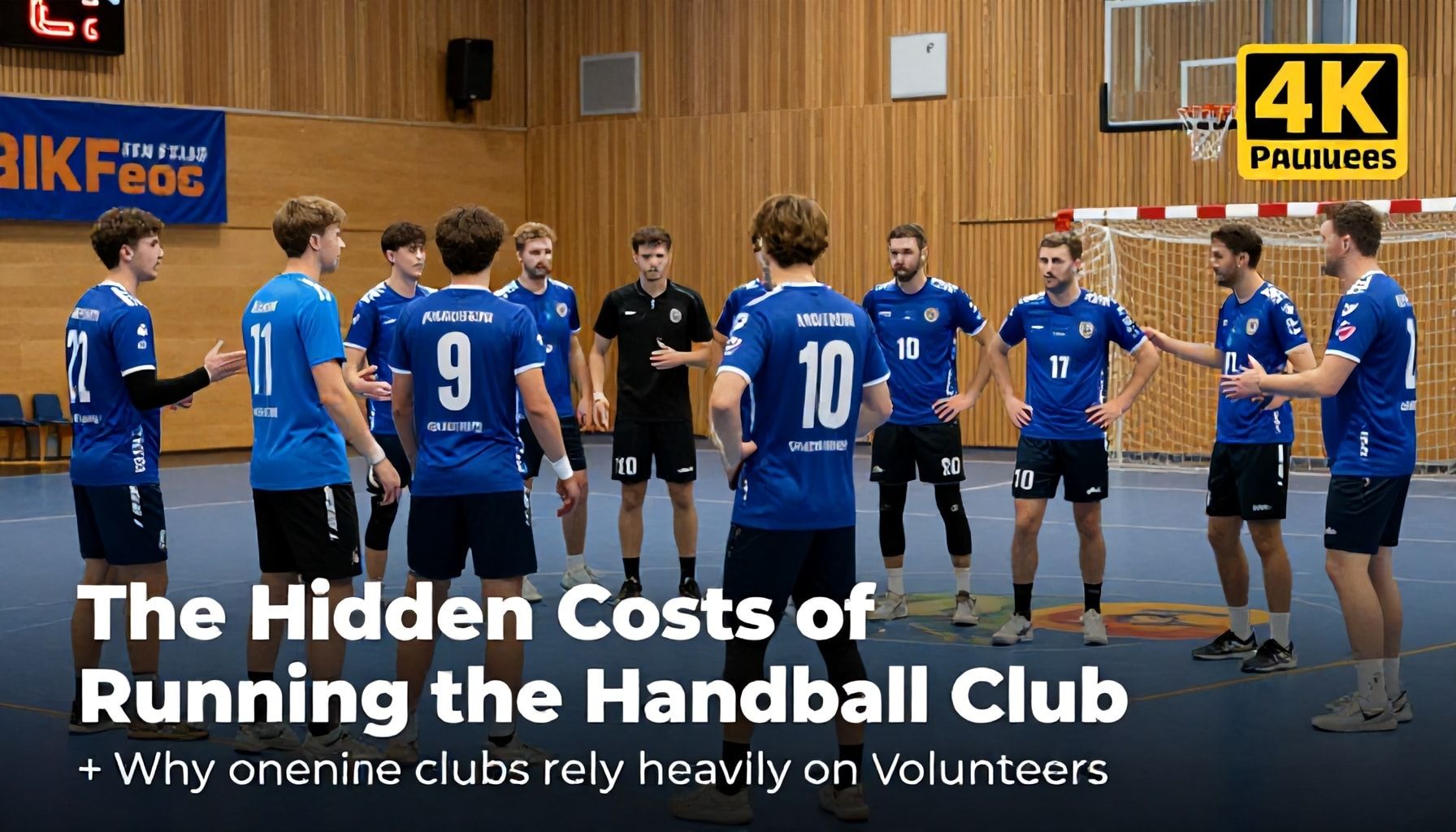
The lifeblood of Britain’s handball clubs is not match fees or sponsorships but an army of unpaid volunteers. Data from England Handball shows that 85% of the country’s 150 registered clubs operate with fewer than five full-time staff, relying instead on parents, former players and local enthusiasts to cover coaching, administration and logistics. Without this workforce, many clubs would face immediate collapse, according to the organisation’s 2023 annual report.
Volunteer roles span the gamut. Coaches, often former players or fathers of young members, dedicate up to 10 hours a week to training sessions and match-day duties. Club secretaries, usually retirees or working parents, manage fixture lists, league entries and safeguarding paperwork. Treasurers balance budgets that frequently teeter on the edge of break-even, as annual membership fees—averaging £120 per adult and £80 per junior—cover only 60% of running costs.
The reliance on unpaid labour is not unique to handball. A 2022 Sport England survey found that 72% of grassroots sports clubs in the UK operate with volunteers filling at least one key position. For handball, this dependence is amplified by the sport’s niche status. “We don’t have the spectator draw or commercial appeal of football,” said Mark Smith, England Handball’s head of participation. “Volunteers aren’t just helpful—they’re essential.” The federation estimates that replacing volunteer hours with paid staff would add £500,000 annually to the sector’s collective costs.
National Impact
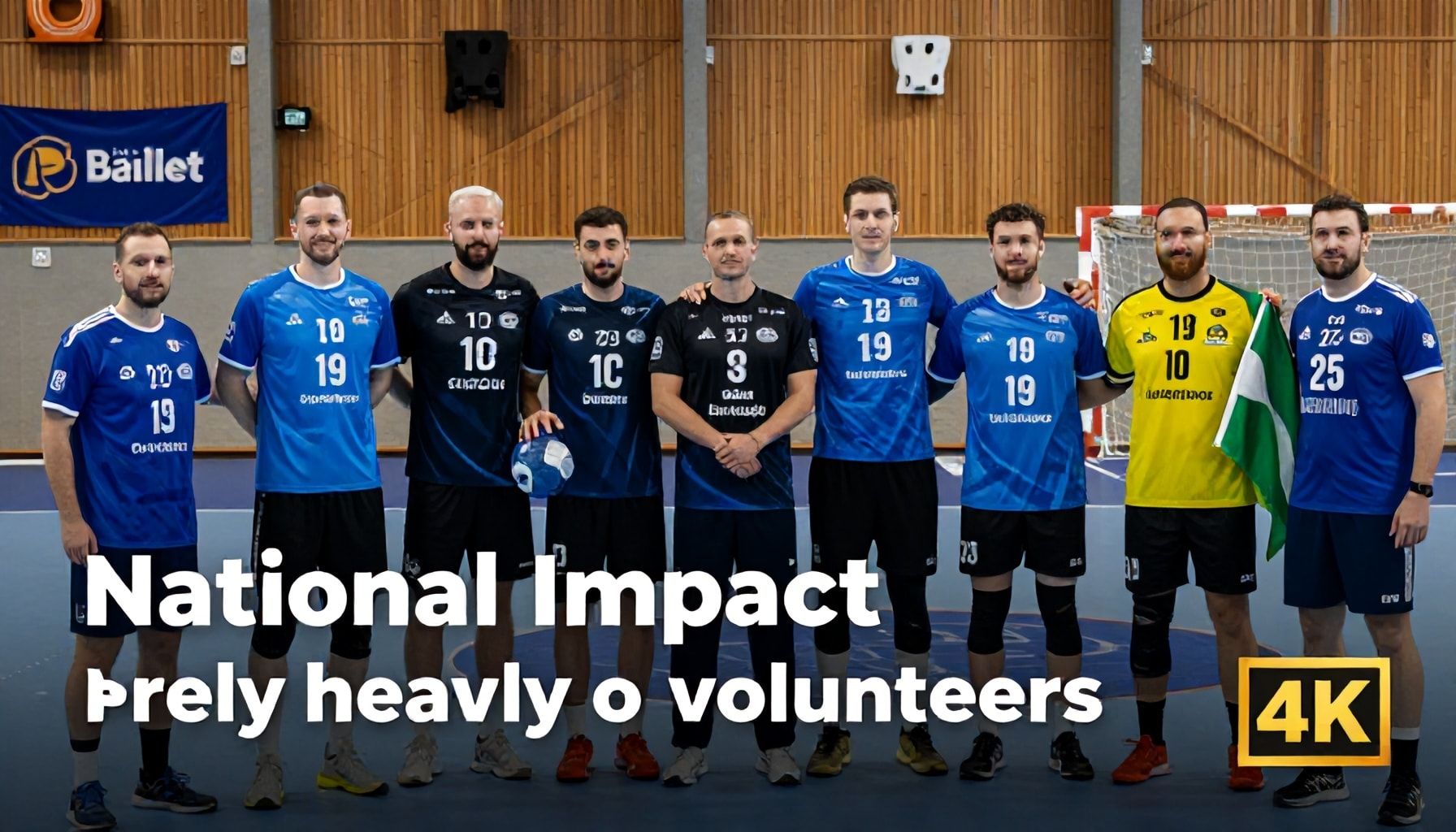
Handball clubs across the UK survive on a skeleton of volunteers. Without them, over 80% of local leagues would collapse, according to Sport England’s 2023 Community Insight Report. The reliance is most acute in smaller clubs where paid staff are rare. In Yorkshire, 14 out of 20 affiliated clubs operate with fewer than five volunteers each, figures from the English Handball Association show.
Volunteers handle everything from coaching to kit management. At the Ealing Handball Club in London, 32-year-old volunteer coach Mark Thompson spends 15 hours a week training youth teams. “We’re the only club within 10 miles offering structured youth sessions,” he said. “Without our volunteers, those teams wouldn’t exist.” Thompson’s workload reflects a wider trend—57% of club chairs report spending more than 10 unpaid hours weekly on duties, found a 2024 survey by the Youth Sport Trust.
The financial strain is clear. The average club relies on volunteers to save £15,000 annually in staff costs, estimates the National Council for Voluntary Organisations. Many clubs survive on razor-thin margins; last year, 63% dipped into reserves to cover basic expenses like hall hire and equipment. Clubs in deprived areas face even steeper challenges. In Merseyside, 78% of volunteers come from lower-income households, according to the Sport for Development Coalition, making retention a growing concern.
Last autumn, the government pledged £5 million to support sports volunteers through 2025. But clubs say it’s not enough. “We need structural support, not just cash injections,” said Sarah Patel, chief executive of England Handball. “Volunteers are the lifeblood—without them, the sport flatlines.”
The handball community owes much of its continuity to these volunteers, whose efforts ensure clubs remain active across the country. Many have been involved for decades, passing on their knowledge and enthusiasm to new generations. With participation levels stable, their work supports not just local teams but also national competitions. Looking ahead, the challenge remains securing fresh volunteers to keep the sport growing. Without them, even the most well-run clubs would struggle to survive.