
Why does football stubbornly stick to its 11-a-side format? It’s a question that’s popped up in pubs, on playgrounds, and probably in some bored classrooms. The answer isn’t as simple as “because it’s always been that way.” Nope, there’s a tangled web of history, quirky rules, and a dash of tradition that keeps those eleven warriors on each side battling it out on the pitch.
Let’s rewind to the 19th century, when football was a bit of a wild child. Rules were all over the place, and teams often had wildly different numbers of players. Somewhere along the line, 11 players per side became the sweet spot. Why? Well, it’s partly down to the early codifications of the game, especially the Cambridge Rules and the Football Association’s Laws established in the 1860s and 70s. They aimed to standardize the game, and 11 players struck a balance between having enough folks to cover the pitch without turning it into a chaotic scrum.
| Year | Event | Impact on Team Size |
|---|---|---|
| 1848 | Cambridge Rules drafted | Suggested 11 players, influencing future laws |
| 1863 | Formation of The Football Association (FA) | Officially adopted 11-a-side format |
| 1871 | First FA Cup | Reinforced 11-player teams in competition |
But here’s the kicker: the number 11 wasn’t chosen because of some grand strategy or mystical reasoning. It was partly practical — the pitch size, the style of play, and even the way teams were formed (think: 1 goalkeeper, 2 full-backs, 3 half-backs, and 5 forwards) all meshed nicely with 11 players. It’s like the game found its groove and said, “This feels right.”
Now, you might wonder, why not 10 or 12? Over the years, there have been experiments and debates. Some argued that fewer players would speed up the game and make it more open, while others pushed for more players to beef up defense or add complexity. But the 11-player setup stuck around, partly because leagues, fans, and even broadcasters got comfy with it. Changing it now? That’d be like asking a cat to take a bath — doable but met with serious resistance.
- 10 players: Tried in some informal formats but felt too open and less tactical.
- 12 players: Too crowded, often slowed the game, and confused player roles.
- 11 players: The Goldilocks number — not too many, not too few.
And speaking of roles, the magic of 11 players lies in the specialization. Each position has a purpose, from the last line of defense (goalkeeper) to the creative midfielders and the goal-hungry forwards. This setup turns the pitch into a chessboard, where managers juggle tactics and formations like mad scientists. The 11-player rule isn’t just a number; it’s a framework that shapes football’s rhythm, drama, and strategy.
In fact, if you peek at other sports, you’ll notice the team sizes vary wildly — rugby has 15, American football 11, basketball 5. Football’s 11 strikes a unique balance between individual skill and team coordination, making it the world’s most beloved sport.
So, next time you watch a match, remember: those 11 players per side aren’t just tradition for tradition’s sake. They’re the product of history, practicality, and a stubborn refusal to change something that just works — like that one player who refuses to leave the pitch even after the final whistle.
The Origins of the 11-Player Format
Alright, let’s take a little trip back in time — way back to the 19th century when football was still figuring out what it wanted to be when it grew up. Believe it or not, the whole idea of having exactly 11 players on each team wasn’t some grand master plan; it was more like a cocktail of tradition, practicality, and a dash of randomness. Yeah, football’s team size has a story that’s part practical decision, part happenstance, and part stubborn tradition that just stuck around.
So, what’s the deal with the number 11? Well, in the early days, football was kind of a free-for-all. Different schools and clubs had their own versions of the game, with varying numbers of players. Some teams played with 15, others with 20, and some even fewer than 10. It was chaotic. But then, the famous English public schools — think Eton, Harrow, and the like — started to standardize things. They often fielded 11 players, partly because that was the number of lads they could reasonably gather for a match and partly because it fit nicely on the fields they had.
| School | Common Team Size | Reason |
|---|---|---|
| Eton | 11 | Field size and number of students |
| Harrow | 11 | Tradition and manageable team size |
| Rugby School | 15 | Different football code, rugby origins |
Now, the Football Association (FA), founded in 1863, played a huge role in cementing the 11-player rule. When they started drafting the first official rules, they needed a number that balanced having enough players to cover the pitch but not so many that it became a scrum-fest. Eleven just worked. It allowed for a goalkeeper, defenders, midfielders, and forwards — a balanced setup that let teams organize themselves tactically.
- Tradition: Schools had been playing with 11 players for years.
- Practicality: Eleven was manageable for the pitch sizes and player availability.
- Randomness: Some say it was just what “felt right” during early matches.
Interestingly, there’s a bit of folklore suggesting the 11-player number was influenced by cricket, another English sport, where 11 players is standard. Whether that’s true or just a coincidence, it’s a neat little nugget to toss around next time you’re debating football trivia.
So, next time you watch a match, remember: those 11 players aren’t just a rule; they’re a living legacy. They represent decades of trial, error, and a bit of stubbornness from the pioneers who wanted a game that’s exciting, strategic, and yes, just a little bit unpredictable. Football’s 11-player format isn’t just a number — it’s the heartbeat of the beautiful game.
Quick Facts:
- Early football games: Team sizes varied wildly (7 to 20+ players)- 1863: The Football Association standardizes rules, including team size- 11 players: Balances field coverage and tactical flexibility- Influences: English public schools and possibly cricket traditions
And there you have it — the quirky, somewhat accidental origin of football’s iconic 11-player teams. Not too shabby for a number that’s been kicking around for over 150 years!
Early Football Rules and Their Evolution
Football’s journey to the classic 11-a-side format wasn’t exactly a straight shot. The original rules, drafted way back in the 19th century, were a bit like a patchwork quilt—stitched together from various regional games, local customs, and a dash of chaos. Believe it or not, team sizes fluctuated quite a bit before the magic number 11 stuck around like that stubborn goalie who refuses to leave the pitch.
Back in the day, before the codified rules we know now, football matches could have wildly different team sizes. You might see 15 players on one side, 20 on the other, or even uneven numbers because, well, people just showed up and played. The Sheffield Rules and the Cambridge Rules—two of the earliest attempts at standardizing football—had their own ideas about how many players should be on the pitch. It was a bit of a free-for-all, honestly.
| Rule Set | Typical Team Size | Notable Features |
|---|---|---|
| Sheffield Rules (1858) | Up to 15 players | Allowed fair catches, no offside rule |
| Cambridge Rules (1848) | Varied, often 11 | Early offside rule, more structured play |
| FA Rules (1863) | 11 players fixed | Standardized team size, offside introduced |
Why 11 though? Well, it wasn’t just pulled out of thin air. The number seems to have been influenced by the size of the pitch and the desire for balanced play. Too many players, and the game turned into a crowded mess; too few, and it felt like a scrappy pick-up game. Eleven hit that sweet spot, allowing for enough players to cover the field without stepping on each other’s toes.
- Early rule quirks: No substitutions allowed initially, meaning if you got injured, tough luck—you were down a player.
- Offside rule evolution: Started as a strict rule requiring three opponents between you and the goal, making scoring a nightmare at first.
- Throw-ins and corners: These were formalized gradually, shaping how the game flowed and how teams strategized around set pieces.
Interestingly, some of these old rules made the game slower and less dynamic. The offside rule, for example, was so restrictive that attackers had to hang back, waiting for the perfect moment. Over time, tweaks made the game faster and more exciting, helping football grow into the global phenomenon it is today.
Original rules timeline:- 1848: Cambridge Rules introduce early offside- 1858: Sheffield Rules allow larger teams & fair catches- 1863: FA codifies 11 players per side, offside rule gets formalized- Late 1800s: Substitutions disallowed, leading to endurance-heavy matches- Early 1900s: Offside rule relaxed, substitutions introduced gradually
So yeah, the early football rules were a bit of a rollercoaster, full of unexpected turns and trial-and-error. But that messy evolution was crucial—it gave birth to the balanced, strategic, and fast-paced game that keeps millions glued to screens every weekend. Without those early experiments and, frankly, some lucky guesses, who knows if football would have become the beautiful game we cherish today?
Why Not 10 or 12? The Debate Over Team Size
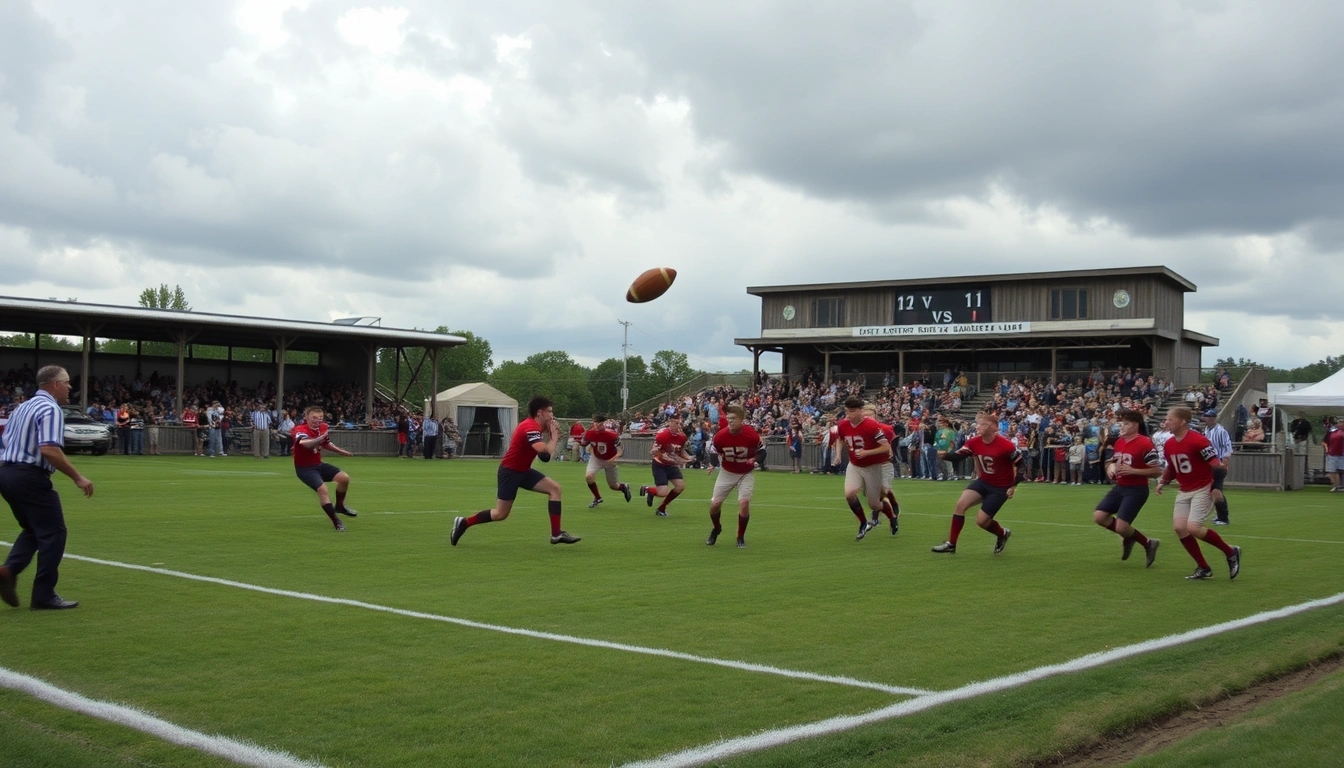
Alright, let’s get into the nitty-gritty of why football stubbornly sticks to 11 players per side. You might be thinking, “Why not just 10 or 12? Wouldn’t that make things simpler or more exciting?” Well, the answer isn’t as straightforward as you’d expect. Over the years, there have been plenty of experiments, heated debates, and even some downright bizarre proposals about team sizes. But somehow, 11 has managed to cling on like that one player who just refuses to leave the pitch.
Back in the 19th century, when football was still finding its feet (literally and figuratively), different clubs and schools played with all sorts of team sizes — 9, 10, 12, even 15! There was no universal standard, and the game was a bit of a free-for-all. But as the rules started to get formalized, 11 players seemed to emerge as the ‘sweet spot’. Why? Well, there’s a mix of practicality, tradition, and a dash of randomness involved.
| Team Size | Advantages | Disadvantages |
|---|---|---|
| 10 players |
|
|
| 11 players |
|
|
| 12 players |
|
|
One of the main reasons 11 stuck around is that it strikes a balance between having enough players to cover the pitch effectively, without turning the field into a packed mess. With 11, you get a decent number of defenders, midfielders, and forwards, which allows for tactical flexibility. Plus, the pitch size that became standard over time just fits 11 players comfortably — any more and it feels like a rugby scrum, any less and it’s a bit too sparse.
Now, some might argue 10-a-side games are more exciting because there’s more space to run and dribble. And sure, that’s why small-sided games like futsal or 7-a-side are so popular for training or casual play. But at the professional level, where strategy and formation matter big time, 11 players make the magic happen. It’s like a well-oiled machine: each player has a role, and the team moves as one.
Interestingly, there were historical attempts to change this. Some early football clubs toyed with 12 players, thinking it’d give an edge or make the game more inclusive. But the chaos on the pitch and muddled tactics quickly killed that idea. Too many cooks spoil the broth, right?
Experimentation Timeline with Team Sizes:- 1840s-1870s: Varied team sizes, no consensus.- 1877: Sheffield Rules standardize 11 players.- Early 1900s: Some regional leagues try 12 players.- Mid-1900s: 11 players become global standard.- Present: Variations exist only in casual or alternative formats.
So, in a nutshell, the 11-player format is the product of a long trial-and-error process, tradition, and practical considerations. It’s not perfect, and it’s not set in stone forever — but it’s the number that just works for the beautiful game. And honestly, if it ain’t broke, why fix it?
The Role of Positions in the 11-Player Setup
Alright, let’s get into the nitty-gritty of why football’s 11-player lineup isn’t just a random number pulled out of thin air. It’s actually a beautifully orchestrated system that allows each player to specialize, making the pitch look less like chaos and more like a well-planned chessboard. You see, with 11 players on each side, coaches and managers get this perfect balance: enough bodies to cover the field, but not so many that it turns into a scrum or a wild brawl.
Now, here’s the kicker — every single player has a role carved out just for them. You got your goalkeeper, obviously the last line of defense, whose job is to guard the net like a hawk. Then, there’s the defenders, usually four or five, whose mission is to stop the opposition from even thinking about scoring. Midfielders? They’re the engine room, linking defense and attack, running their socks off to keep the ball moving. And forwards? The goal-hunters, the ones who get the crowd on their feet.
- Goalkeeper: The one man fortress, allowed to use hands, and often the team’s emotional backbone.
- Defenders: The tough nuts, usually split into center-backs and full-backs, blocking shots and making tackles.
- Midfielders: The multitaskers, controlling the tempo, distributing passes, and sometimes scoring.
- Forwards: The flashy finishers, tasked with turning chances into goals.
What’s fascinating is how these roles have evolved over time. Back in the day, formations were rigid, like 2-3-5 or 1-2-7 — yeah, seven forwards! But modern football? It’s all about flexibility and specialization. Players often switch roles mid-game, adapting to the flow, which makes the 11-player format a tactical playground. It’s almost like watching a live-action strategy game where every move counts.
| Position | Primary Role | Key Skills |
|---|---|---|
| Goalkeeper | Shot-stopping and organizing defense | Reflexes, communication, positioning |
| Defender | Preventing attacks and winning the ball | Tackling, marking, aerial ability |
| Midfielder | Linking defense and attack | Passing, vision, stamina |
| Forward | Scoring goals | Finishing, dribbling, pace |
So why does this matter? Well, with 11 players, you get enough space and personnel to cover every inch of the field without overcrowding. It’s a sweet spot for tactical diversity. Teams can play defensively, offensively, or somewhere in between, switching formations like a deck of cards. The 11-player setup creates a dynamic environment where strategy and skill collide — and that’s what keeps fans glued to their seats.
In short, the magic of 11 players is that it lets football be both simple and complex. Simple enough for anyone to understand the basics, but complex enough for managers to plot intricate strategies. It’s no wonder football’s 11-a-side format has stuck around for over a century — it just works.
Comparing Football to Other Team Sports
When you look around the sports world, football’s 11-player teams stand out like a colorful parrot in a flock of pigeons. Sure, some sports have bigger squads, others smaller, but why exactly does football stick with this magic number of 11 players per side? Let’s break it down and see what this tells us about the game’s pace, style, and overall vibe.
First off, think about basketball—only five players on each team. It’s fast, furious, and packed with constant action. The court is smaller, so fewer players make sense. On the flip side, American football fields 11 players too, but the game’s pace is more stop-and-go, with strategic huddles and set plays. So, 11 isn’t just a random number; it’s about balancing space and complexity.
- Basketball: 5 players per team, high tempo, continuous play.
- Hockey: 6 players, including the goalie, fast and fluid on ice.
- Rugby Union: 15 players, more physical, with set pieces and open play.
- Volleyball: 6 players, quick rotations and bursts of energy.
| Sport | Team Size | Game Pace | Field/Court Size |
|---|---|---|---|
| Football (Soccer) | 11 | Moderate, continuous | Large (100-110m long) |
| Basketball | 5 | Fast, continuous | Small (28m long) |
| Rugby Union | 15 | Physical, mixed pace | Large (100m long) |
| Ice Hockey | 6 | Fast, fluid | Medium (61m long) |
Now, here’s where football’s 11-player setup really shines: it creates a perfect balance between space and strategy. With fewer players, the pitch would feel empty, and the game might turn into a sprint fest with little tactical depth. Too many players, and you’d have a crowded mess, slowing things down and making it hard to spot individual brilliance. Eleven players allow for distinct roles—defenders, midfielders, forwards—all working in harmony or chaos, depending on the team’s mood that day.
Another quirky point: football’s continuous flow means players need room to breathe and think on their feet. Unlike American football’s stop-start style, or rugby’s scrums and lineouts, soccer is a relentless chase. The 11-a-side format supports this pace without overwhelming the pitch. It’s like a well-rehearsed dance where every player has a part, but improvisation is always welcome.
- Strategic Depth: 11 players allow for specialized positions and formations (4-4-2, 3-5-2, etc.).
- Physical Demand: Players cover about 10-12 km per game, so space is crucial.
- Fan Engagement: More players mean more stories, clashes, and moments to savor.
In short, football’s team size is no accident—it’s a sweet spot forged by history, rules, and the game’s natural rhythm. It’s big enough to be complex, small enough to keep things moving, and just right to keep fans hooked. So next time you watch a match, remember: those 11 players per side aren’t just numbers; they’re the heartbeat of the beautiful game.

Impact of the 11-a-Side Rule on Game Dynamics
Alright, let’s get real about the whole 11 players per side thing in football. It might seem like just a number tossed out there by some old rulebook, but trust me, it’s way more than just counting heads on the pitch. The magic of football’s flow, its tactics, and the way space is carved up all hinge on this number. You don’t just slap 11 players on each side and hope for fireworks — it’s a carefully crafted dance.
First off, with 11 players, the pitch doesn’t feel overcrowded or empty. It’s this sweet spot where there’s enough manpower to cover every inch but not so many that the ball gets lost in a sea of legs. This balance shapes how teams strategize. Coaches can deploy a mix of defenders, midfielders, and forwards, each with their own job, creating a dynamic chessboard. Imagine if there were only 7 or 9 players — suddenly, the midfield would be a wasteland, or defenses too stretched out. Too many players? The game might slow down, turning into a slugfest.
- Tactical Diversity: Eleven players allow for various formations — 4-4-2, 3-5-2, 4-3-3 — all with different tactical flavors.
- Space Management: Players have to constantly find and exploit gaps, making the game fluid and unpredictable.
- Player Roles: Specialized positions like fullbacks, wingers, and holding midfielders come alive only with 11 on each side.
Now, let’s talk space. The 11-a-side rule forces teams to think about how to use the pitch’s width and length effectively. It’s a constant tug-of-war for territory. Defenders can’t just camp out near the goal, and attackers can’t just swarm the box. Instead, players spread out, creating pockets of space to run into or pass through. This spatial complexity is what keeps fans glued to the screen — the ebb and flow, the quick switches from defense to attack, the sudden bursts of speed down the wings.
| Aspect | Effect of 11 Players |
|---|---|
| Tactics | Allows for complex formations and role specialization |
| Space | Balanced field coverage, creating strategic gaps and overlaps |
| Game Flow | Maintains a rhythm that’s neither too congested nor too sparse |
But hey, it’s not all sunshine and rainbows. Sometimes, having 11 players means the game can get a bit clogged, especially when teams get defensive and pack their lines. You’ll see those infamous “parking the bus” moments where the pitch looks more like rush hour traffic than a sport. Still, that’s part of the drama — coaches have to outsmart the opposition, find ways to break down tight defenses, and keep the game exciting.
So, yeah, the 11-a-side rule isn’t just some random tradition. It’s a fundamental piece of football’s DNA that shapes everything from how players move to how fans experience the beautiful game. Without it? Well, football just wouldn’t feel the same.
Quick Takeaway:
- The 11-player setup balances tactical depth and spatial dynamics.
- It enables a fluid game flow that’s engaging and strategic.
- While sometimes leading to congestion, it challenges teams to be creative.
In the end, that stubborn number 11 is what keeps football unpredictable, thrilling, and downright addictive.
Variations in Football: When Team Sizes Change
Football, as we know it, is a game of 11 players per side. But hey, not every match sticks to that classic setup. There’s a whole world of football variations out there where the number of players shifts like a chameleon, changing the entire vibe of the game. From the blistering pace of 5-a-side to the sandy chaos of beach soccer, these formats tweak team sizes and, trust me, the gameplay and fun factor go through the roof—or sometimes take a nosedive, depending on how you look at it.
Let’s kick off with the ever-popular 5-a-side football. This format is basically football on steroids but squeezed into a smaller pitch and with fewer players. Teams usually have five players, including the goalkeeper, which means less space to hide and more running for your life. The game is faster, more intense, and every player gets a chance to shine because there’s no room to slack off. It’s perfect for urban settings, quick matches, or when you just want to play without the full 11-player commitment.
- Advantages of 5-a-side: Quick games, more touches per player, less tactical rigidity.
- Disadvantages: Less strategic depth, can get chaotic, smaller goals.
Moving on, 7-a-side football is like that middle ground between the full 11 and the mini-games. It’s often used in youth leagues or amateur competitions where the pitch size is reduced but still offers enough space for tactical plays. With seven players, teams can experiment with formations that wouldn’t quite work in 5-a-side but don’t need the full commitment of 11. It strikes a balance between speed and strategy.
| Format | Players per Team | Pitch Size | Gameplay Traits |
|---|---|---|---|
| 5-a-side | 5 | Small (e.g., futsal court) | Fast-paced, high intensity, less space |
| 7-a-side | 7 | Medium | Balanced speed and tactics |
| Beach Soccer | 5 | Sand pitch, smaller | Unpredictable, skill-focused, physically demanding |
| 11-a-side | 11 | Full-size pitch | Strategic, positional, endurance-heavy |
Now, beach soccer is a whole different beast. It’s usually played with five players per side, but the sand makes everything trickier. Running is tougher, the ball bounces unpredictably, and the game demands crazy amounts of stamina and skill. Because of the smaller teams and pitch, the game is more about flair and creativity than rigid tactics. Players pull off acrobatic shots and tricks that you’d rarely see on a grassy pitch.
One interesting thing about these variations is how they reshape the team dynamics. Fewer players mean everyone has to be more versatile—no hiding behind a star striker or a defensive wall. You gotta run, pass, defend, and attack like a maniac. It’s also a great way to get more people involved in the game, especially in places where space or time is limited.
- Practical tip: If you’re organizing a casual game, consider the number of players and pitch size first. Smaller teams faster games but less strategic complexity.
- Fun fact: Some professional players swear by 5-a-side to sharpen their skills because it forces quick thinking and tight ball control.
So, while 11-a-side football remains the gold standard, these variations keep the sport fresh and accessible. Whether you’re dodging defenders in a cramped futsal court or kicking up sand on a beach, switching up the number of players changes everything—from the style of play to the kind of fun you have. Next time you grab a ball, maybe try a different format—you might just discover a new favorite way to play the beautiful game.
Rulebook Nuggets: Official Laws Regarding Team Size
Alright, let’s dive headfirst into the nitty-gritty of what FIFA’s official laws say about team sizes, substitutions, and the whole drama when a team can’t get their full 11 players on the pitch. Spoiler alert: it’s not just about numbers; there’s a method to this madness.
First off, according to the FIFA Laws of the Game, a football team must start with 11 players on the field. No ifs, no buts. That includes one goalkeeper and ten outfield players. But here’s the kicker: if a team can’t field at least 7 players, the match can be abandoned. Yep, seven is the magic minimum. So, if injuries, red cards, or just plain old bad luck drop you below that, the referee’s got the green light to call it quits.
| Scenario | Minimum Players Required | Consequence |
|---|---|---|
| Starting lineup | 11 players | Match begins |
| During match | Minimum 7 players | Game continues |
| Below 7 players | Less than 7 | Match abandoned |
Now, substitutions. Oh boy, the substitutions saga has evolved quite a bit over the years. Traditionally, teams were stuck with just three subs per game. But the world changed, and so did the rules—hello, five substitutions in many leagues and tournaments! FIFA’s official stance now allows for up to five substitutions per team in most competitions, but here’s the catch: those five changes have to be made during a maximum of three stoppages in play, not counting halftime. This rule is designed to keep the flow of the game intact while giving coaches some wiggle room to shuffle their squad.
- Standard substitutions allowed: 5 per team
- Substitution windows: 3 during play + halftime
- Goalkeeper substitutions: Can be made anytime, just like outfield players
But what if a team can’t field all 11 players at kickoff? The laws are pretty clear: the referee will not start the match unless a team has at least 7 players on the field. If a team shows up with fewer than 7 players, the match is postponed or forfeited, depending on the competition rules. Kinda harsh, but hey, rules are rules.
Here’s a quick rundown of some practical insights on why these rules matter:
- Keeps the game fair and competitive- Prevents teams from exploiting substitutions to waste time- Ensures player safety by not forcing teams to play dangerously understaffed- Maintains the integrity and pace of the match
In the end, the official laws on team size and substitutions are a balancing act between tradition, fairness, and the realities of modern football. They might seem rigid, but they keep the beautiful game running smoothly—even when things get messy on the pitch. So next time you see a team struggling to keep 11 players on the field or a coach juggling substitutions like a circus act, remember: it’s all part of the grand design laid down by the rulebook.
Fun fact: Some leagues and tournaments have experimented with even more substitutions or different minimum player requirements, but FIFA’s official laws remain the gold standard, the referee’s bible, the coach’s headache, and the fans’ rulebook all rolled into one.
That’s the scoop on team sizes and substitutions straight from the horse’s mouth. Now, if only we could get the players to follow the rules as well as FIFA writes them!

Future of Football Team Sizes: Could 11 Change?
Football’s 11-player per side setup is as iconic as the roar of the crowd or the smell of freshly cut grass. But let’s be honest, has anyone ever really stopped to ask: why exactly 11? And more importantly, could this sacred number ever change? As we look ahead, the question isn’t just a quirky thought experiment—it’s a genuine debate bubbling beneath the surface of the beautiful game.
First off, 11 players have been the norm for well over a century, rooted deeply in tradition and practicality. It strikes a balance between enough players to cover the pitch and not so many that it turns into a scrum. But with technology creeping into every nook and cranny of sport, from VAR to wearable performance trackers, could innovation shake things up? Imagine a future where augmented reality or AI-assisted coaching demands smaller, faster teams to keep the game fluid and engaging.
| Potential Drivers for Change | Possible Effects |
|---|---|
| Technology Integration (e.g., AI, VR) | Smaller teams for quicker gameplay, enhanced spectator experience |
| Health & Safety Concerns | Reduced player numbers to minimize injuries and fatigue |
| Broadcast & Entertainment Value | Faster pace, more scoring opportunities, increased viewer engagement |
Now, don’t get me wrong, the 11-player rule isn’t just some stubborn relic clinging on for dear life. There’s a method to the madness. The number allows for a perfect distribution of roles—defenders, midfielders, forwards, and the ever-essential goalkeeper. This structure creates a strategic chessboard where coaches and players can flex their tactical muscles. But what if the game evolved to favor more dynamic, less rigid formations? Smaller teams could mean more space per player, leading to a more open, high-scoring spectacle.
- Smaller teams: Could speed up the game and reduce physical toll.
- Larger teams: Might slow things down but add complexity.
- Flexible team sizes: Adaptable formats for different competitions or environments.
The rise of alternative football formats like futsal, 5-a-side, and beach soccer already shows us that smaller teams can be just as thrilling—if not more so. These variants emphasize skill, speed, and creativity over brute strength or endurance. So why hasn’t the traditional 11-a-side format caved in to these trends? Partly because of the sheer inertia of history and partly because the global football ecosystem—leagues, federations, fans—are deeply invested in the status quo.
But the world changes fast. Environmental concerns, player welfare, and a hunger for innovation might force football’s governing bodies to reconsider. Imagine a scenario where a new format with 9 or even 7 players per side becomes the new norm in certain leagues or tournaments, especially with the backing of tech-enhanced training and officiating.
"Could we see a day when 11 is just a number, not a rule?"- Football Analyst, 2024
In conclusion, while the 11-player format is unlikely to disappear overnight, the future might just surprise us. Whether it’s through technology, necessity, or a desire for fresh excitement, football’s sacred number could evolve. And honestly, that’s a bit thrilling, isn’t it? After all, the game’s magic lies in its ability to adapt while keeping its soul intact.
Frequently Asked Questions
- Why is football played with 11 players on each team?
Great question! The 11-player setup dates back to the 19th century when football was evolving from various informal games. Eleven struck the perfect balance between having enough players to cover the field and keeping the game dynamic and strategic. It’s kind of like having just the right number of chefs in a kitchen—not too crowded, but enough hands to whip up a great game!
- Could football be played with fewer or more players?
Absolutely, but it changes the game’s feel drastically. While 11-a-side is the standard, variations like 5-a-side or beach soccer use smaller teams to speed up play and increase scoring chances. On the flip side, adding more players tends to clutter the field and slow the action. The magic number 11 has stuck because it keeps the game flowing like a well-oiled machine.
- What role do the 11 players have on the field?
Each player in the 11-a-side format has a unique role, from the goalkeeper guarding the net to forwards aiming for goals and defenders protecting the backline. This setup creates a strategic chess match where positioning and teamwork become the secret sauce that fans love. Think of it as a well-rehearsed orchestra, each instrument playing its part perfectly.
- How do the official rules handle team sizes and substitutions?
FIFA’s official laws specify that a team must start with 11 players but can continue playing with fewer if substitutions or injuries occur. Teams usually have a limited number of substitutions to keep the game fair and competitive. If a team drops below seven players, the match can be abandoned. It’s like a safety net ensuring the game remains balanced and exciting.
- Is there any chance the 11-player rule will change in the future?
While football loves its traditions, the future is always open to twists. With technology and new formats emerging, we might see experiments with team sizes to boost excitement or adapt to new playing conditions. But for now, 11-a-side remains the heart and soul of football, like a classic tune everyone loves to dance to.