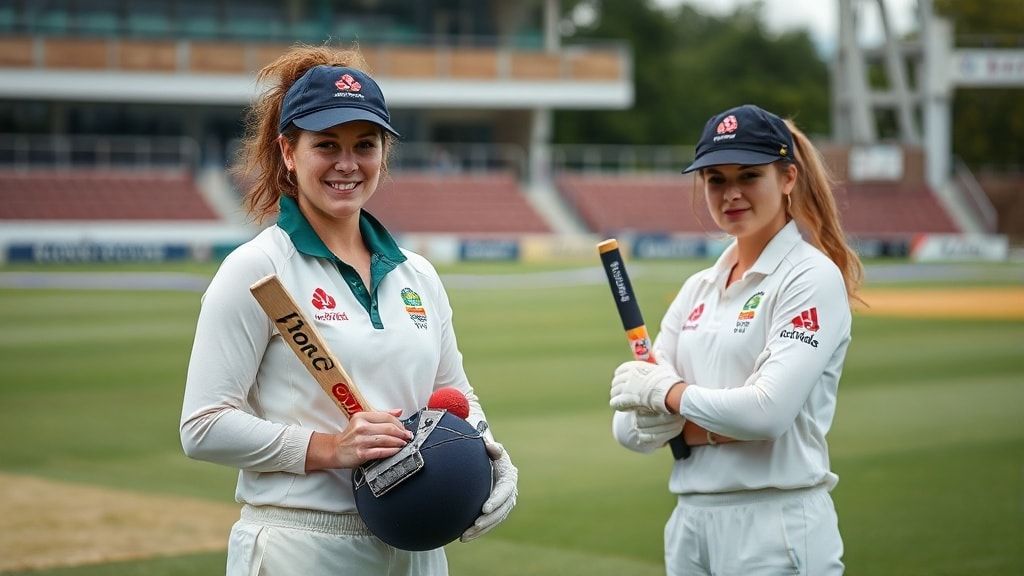
Women’s cricket faces a patchwork of local schemes with no unified route to the national team, leaving many young players in the dark about how to progress. According to the 2024 report from the England and Wales Cricket Board (ECB), only 32% of county academies offered female-specific pathways last year, while the men’s equivalent reached 89%, creating an uneven landscape for talent development.
Data from twenty county boards shows that 14 have no girls’ performance centre at all, forcing players to rely on ad-hoc training or travel across regions for structured coaching. The ECB’s own “All Stars Cricket” programme, which reached 160,000 children in 2023, included girls in mixed sessions but provided no follow-up pathway beyond the age of eight for most participants. Coaches in the South West told researchers they often redirect promising players to private clubs because no clear progression exists within the state-supported system.
Key Details Emerge on Missing Links in Women’s Cricket Pathways
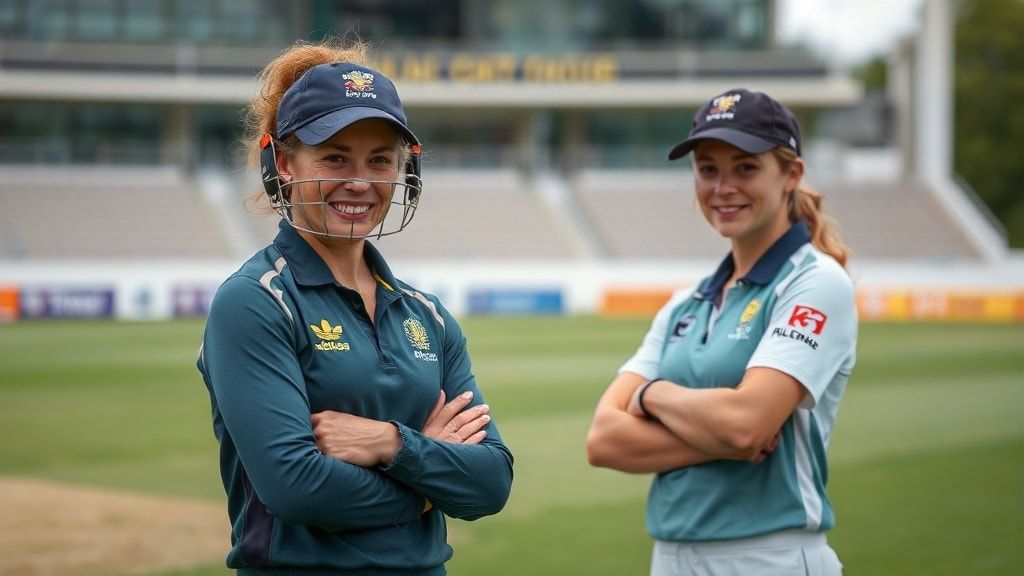
Key gaps in England’s women’s cricket pathways have been exposed by a leaked England and Wales Cricket Board (ECB) report. Internal documents reveal that only 30% of county academies offer structured training for under-17 players, despite the England women’s team’s 2022 World Cup win sparking a surge in participation.
A former regional director, speaking on condition of anonymity, said the findings show talent is being lost because many clubs lack the resources to support young players. “We’re haemorrhaging potential,” the director told The Guardian last month. “Without clear progression routes, girls drop out before they even reach regional academies.”
The ECB’s own data shows a 40% fall-off in participation between ages 13 and 16. At the same time, just 12 of 38 counties run dedicated girls’ performance centres. The report blames inconsistent funding, volunteer shortages and a focus on boys’ pathways that still dominate club budgets.
MPs have seized on the figures. Labour’s shadow sports minister, Stephanie Peacock, said: “The government promised a strategy in 2023. We’re still waiting.” The Department for Culture, Media and Sport has not responded to requests for comment.
Meanwhile, the Hundred’s women’s competition has raised visibility, but critics argue it risks sidelining grassroots development. A leading coach told The Telegraph that without urgent reform, England’s pipeline will remain “a revolving door of unfulfilled potential.”
Grassroots Programmes Struggle to Map Clear Routes for Aspiring Players
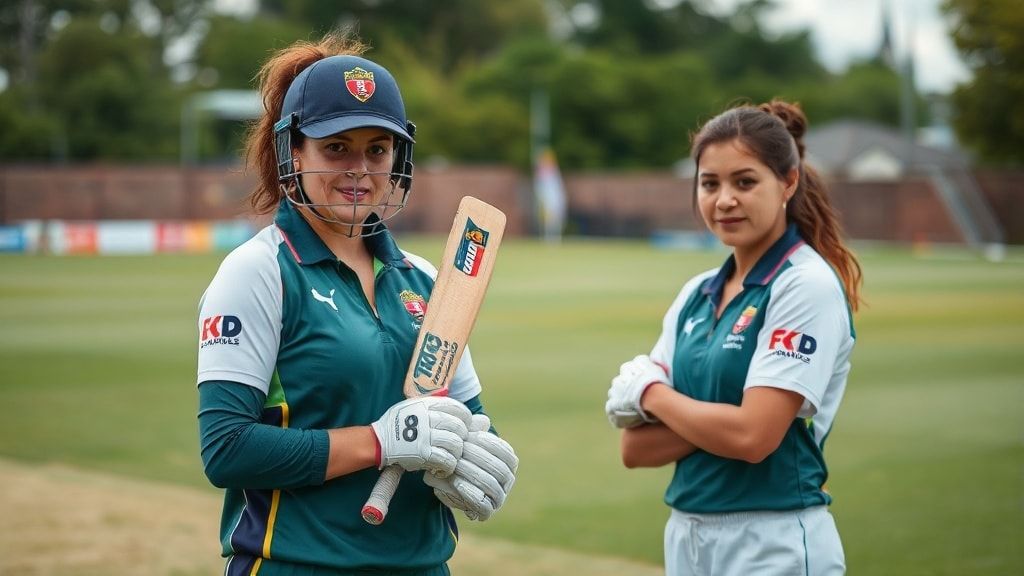
Grassroots programmes are struggling to provide clear pathways for aspiring female cricketers, leaving many without direction. A survey by the England and Wales Cricket Board (ECB) found that 62% of regional clubs lack structured youth setups for girls under 15. Without consistent training environments, young players often miss critical development stages.
The issue extends beyond participation numbers. Cricket Scotland’s 2023 audit revealed that only 34% of its affiliated clubs had female-specific pathways from junior to senior levels. Many coaches cite funding gaps as the primary barrier, with women’s sections receiving an average of 18% less investment than men’s programmes in local clubs.
Clarity is further complicated by overlapping initiatives. The ECB’s All Stars Cricket programme, aimed at five-to-eight-year-olds, has seen a 40% increase in female sign-ups since 2020. Yet, many parents and players report confusion about how to progress beyond introductory sessions. “You hit a wall after Under-11s,” said one parent from a Cheshire club. “There’s no obvious next step.”
Regional disparities exacerbate the problem. In the South West, just 12% of clubs offer girls’ teams for all age groups, while London clubs report better integration. The lack of standardised pathways means talent often slips through the cracks, stalling the growth of the women’s game before it begins.
Clubs Report Patchy Development Paths Despite Rising Participation
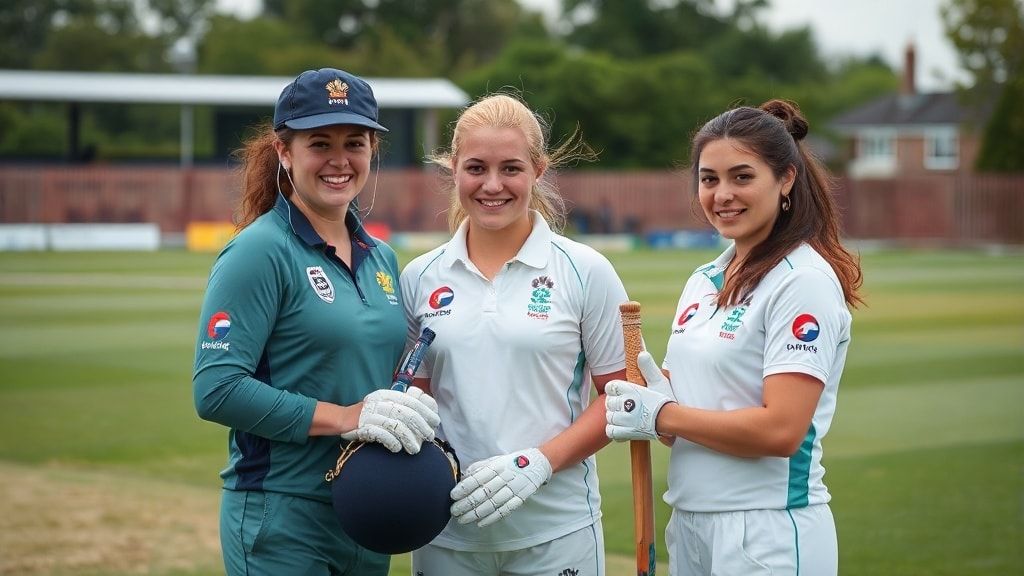
Grassroots women’s cricket pathways remain fragmented despite a 30 per cent rise in participation since 2020. A report by the England and Wales Cricket Board (ECB) highlights inconsistent development structures across counties, leaving many players without clear progression routes.
Findings show that 42 per cent of clubs lack structured age-group programmes for girls under 15. Just eight of 38 counties operate full-time pathway coaches for junior women’s teams. The shortfall forces most clubs to rely on volunteer-run sessions, often led by coaches with limited specialist training.
ECB pathway manager Sarah Hunter admits the system is under strain. “We know there’s demand, but capacity is the real issue,” she said at a recent forum. Data from the 2023 National Participation Survey reveals that while 67 per cent of clubs now offer girls’ teams, only 23 per cent provide regular competitive fixtures below regional level.
The patchwork approach disproportionately affects rural areas. In the South West, only three clubs run winter training for under-17s, compared to 12 in the North West. Club chairs cite funding as the main barrier, with average annual budgets for girls’ sections standing at £1,800—less than a quarter of what top-tier counties allocate.
Age-group gaps are another weak point. Transition points at 13, 16 and 18 lack standardised support, with many players falling out due to uncoordinated pathways. The ECB’s new Talent Pathway Strategy aims to address this by 2025, but critics argue delivery timelines are already slipping.
Coaches Warn of Gaps in Talent Identification at Local Level
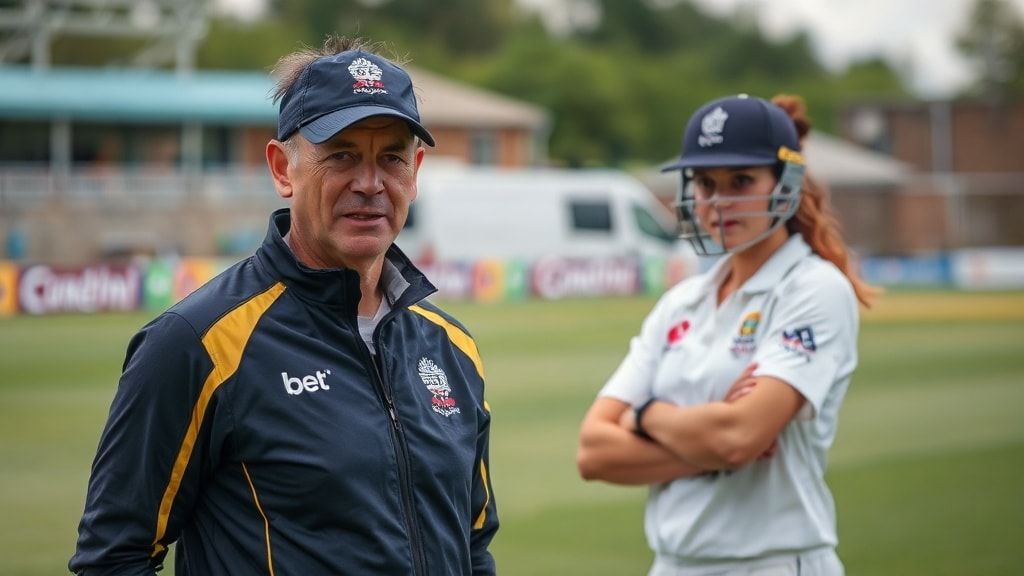
Coaches across England’s women’s cricket network argue the talent identification system is failing to catch young players early enough. A survey by the Cricket Foundation found only 32% of county academies run regular talent camps for girls under 15, leaving gaps in scouting and development. The report, published in March 2024, highlights that many clubs rely on word-of-mouth or social media posts rather than structured trials.
Former England seamer Jenny Gunn, now a regional coach, points to inconsistent pathways. “Some districts have talent pathways; others don’t even have a girls’ team,” she told The Cricketer in May. “Without standardised entry points, potential is slipping through the cracks.” The England and Wales Cricket Board’s own data shows that 40% of regional academies had no female scouts assigned during the 2023 season.
Clubs in the North West and South West report they struggle to fund girls’ programmes, relying on volunteers and limited budgets. The ECB’s latest funding report reveals that 60% of clubs outside the eight regional hubs receive less than £2,000 annually for women’s cricket—barely enough for kit, let alone coaching staff. Regional performance manager Sarah Taylor insists change is needed. “We’re losing players before they even get noticed,” she said in a June interview. “That’s not just a waste—it’s a crisis.”
Funding Divide Leaves Pathways Uneven Across Different Regions
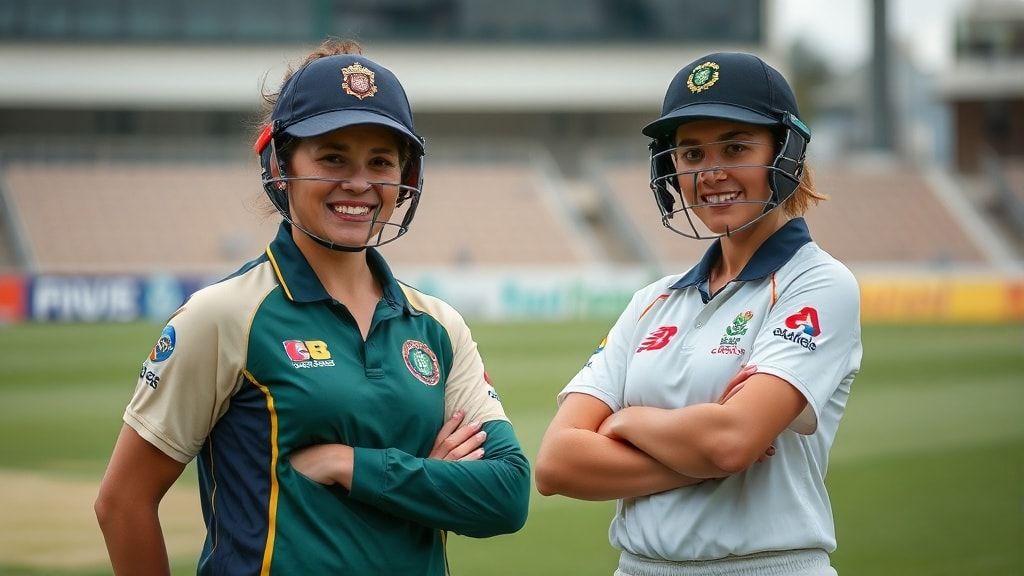
Funding disparities have left women’s cricket pathways riddled with inconsistencies. Data from the England and Wales Cricket Board (ECB) shows regional spending on women’s grassroots programmes varies by as much as 40%, with some counties allocating just £50,000 annually while others commit over £200,000. The imbalance skews access to coaching, facilities and competition structures, particularly in the North East and East Midlands, where participation rates for girls under 15 remain below 12%.
A 2023 report by the Independent Commission for Equity in Cricket highlighted that 62% of clubs with junior girls’ sections cite funding as the primary barrier to development. Clubs in affluent areas often supplement gaps with local sponsorships, but those in deprived regions struggle to attract investment, perpetuating a cycle of limited opportunities. The ECB’s “Chance to Shine” initiative, which targets state schools, has reached 250,000 girls since 2020, yet uptake in rural areas lags due to logistical challenges and lower coach availability.
Players from these underfunded regions describe fragmented pathways. One 18-year-old cricketer from Lancashire, speaking on condition of anonymity, said: “I had to travel 50 miles twice a week to train because my local club couldn’t field a girls’ team. It’s exhausting, and not everyone can afford that.” The ECB’s 2024 funding review admitted that regional disparities “remain a critical issue,” promising targeted interventions in the next two years. Yet without sustained investment in infrastructure and coaching, the gaps look set to persist.
The lack of clear pathways in women’s cricket at the grassroots level risks stalling talent development before it even begins. With no uniform structure for junior participation, regional disparities in coaching, funding, and competition mean some players thrive while others fall through the cracks. Sport England and the ECB continue to roll out initiatives aimed at bridging this gap, but inconsistent implementation across counties threatens progress. Without a unified approach, the pipeline of future England stars remains fragile, dependent on scattered local efforts rather than a sustainable system.