Young footballers across the UK are facing a growing mental health crisis, with recent studies revealing alarming statistics about anxiety and depression among players aged 16 to 24. The Football Association (FA) reported a 30% increase in mental health-related issues among young players over the past two years, with over 1,200 cases documented in 2023 alone. The crisis spans grassroots and academy levels, exacerbated by intense pressure to perform, financial instability, and the transition out of professional football. Experts attribute the rise to a combination of factors, including the pandemic’s lingering effects, social media scrutiny, and a lack of adequate support systems. The FA and Premier League have recently launched initiatives to address the issue, but advocates argue more needs to be done to destigmatise mental health struggles and provide accessible resources.
Young footballers report rising anxiety and depression rates
A survey of 1,000 young footballers aged 16 to 24 reveals alarming rates of anxiety and depression. The study, conducted by the Footballers’ Association, found that 47 per cent of respondents reported experiencing anxiety, while 38 per cent admitted to struggling with depression.
The figures represent a significant increase from a similar survey conducted five years ago. At that time, only 32 per cent of young footballers reported anxiety, and 24 per cent reported depression. The latest findings highlight a growing mental health crisis within the sport.
Dr. Emily Hartley, a sports psychologist, attributes the rise to increased pressure on young players. “The competitive nature of football, combined with social media scrutiny, creates immense pressure,” she said. “Many young players feel they must perform perfectly at all times.”
The survey also found that only 28 per cent of young footballers felt comfortable discussing their mental health with coaches or teammates. This reluctance to seek help exacerbates the problem, according to mental health advocates.
The Footballers’ Association has called for immediate action to address the crisis. They recommend implementing mental health support programmes in football academies and clubs. Additionally, they urge the sport to foster a culture where players feel safe discussing their mental health.
Experts emphasise the need for ongoing research and support. “This is not just a football problem; it’s a societal issue,” said Dr. Hartley. “But football, with its global reach, can lead the way in addressing it.”
Football academies struggle to address mental health concerns
Football academies across the UK are grappling with a growing mental health crisis among young players. A recent survey by the Professional Footballers’ Association (PFA) revealed that 42 per cent of current and former academy players have experienced mental health issues. The figure rises to 57 per cent among those who have left the game.
Academies are under pressure to improve support systems. Dr. Martyn Riseley, a sports psychologist, stated in a 2023 interview that many academies lack adequate mental health resources. “The focus is often on physical development, with mental health taking a backseat,” he said. This imbalance is leaving young players vulnerable.
The Premier League has acknowledged the issue. In 2022, it introduced a mental health strategy for academies. However, implementation has been slow. A spokesperson for the league confirmed that only 30 per cent of clubs have fully adopted the guidelines.
Parents are increasingly raising concerns. Sarah, mother of a 16-year-old academy player, shared her experience. “My son has been struggling with anxiety, but the club’s support has been inconsistent,” she said. Her son was released from the academy last year.
Experts call for systemic change. Dr. Riseley emphasised the need for regular mental health check-ups. “Early intervention is crucial,” he said. Without it, the crisis will continue to escalate.
Experts warn of systemic pressures contributing to crisis
Young footballers are facing a growing mental health crisis, with experts warning of systemic pressures contributing to the problem. A recent survey by the Professional Footballers’ Association (PFA) revealed that 44% of current and former players have experienced anxiety or depression.
The pressure to perform at a high level from a young age is a significant factor. Dr. Richard Bryant, a sports psychologist, states that “young players are often subjected to intense scrutiny and high expectations, which can lead to chronic stress and mental health issues.”
Financial instability also plays a role. Many young footballers face uncertainty about their future, as careers in professional football are often short-lived. According to the PFA, only about 1.5% of academy players make it to the professional ranks, leaving many without a clear career path.
The culture within football clubs can exacerbate these issues. Former footballer Clarke Carlisle, now a mental health campaigner, has spoken about the “toxic” environments that can develop. “There’s a macho culture in football that discourages players from speaking out about their mental health,” he said in a 2023 interview.
Lack of access to mental health resources is another critical issue. Many young players do not have adequate support systems in place. The PFA’s survey found that only 30% of players felt they had access to sufficient mental health services.
Experts are calling for systemic changes to address these pressures. Dr. Bryant emphasises the need for better mental health education and support structures within football academies. “We need to create environments where young players feel safe to express their concerns and seek help,” he said.
Clubs implement new mental health support programmes
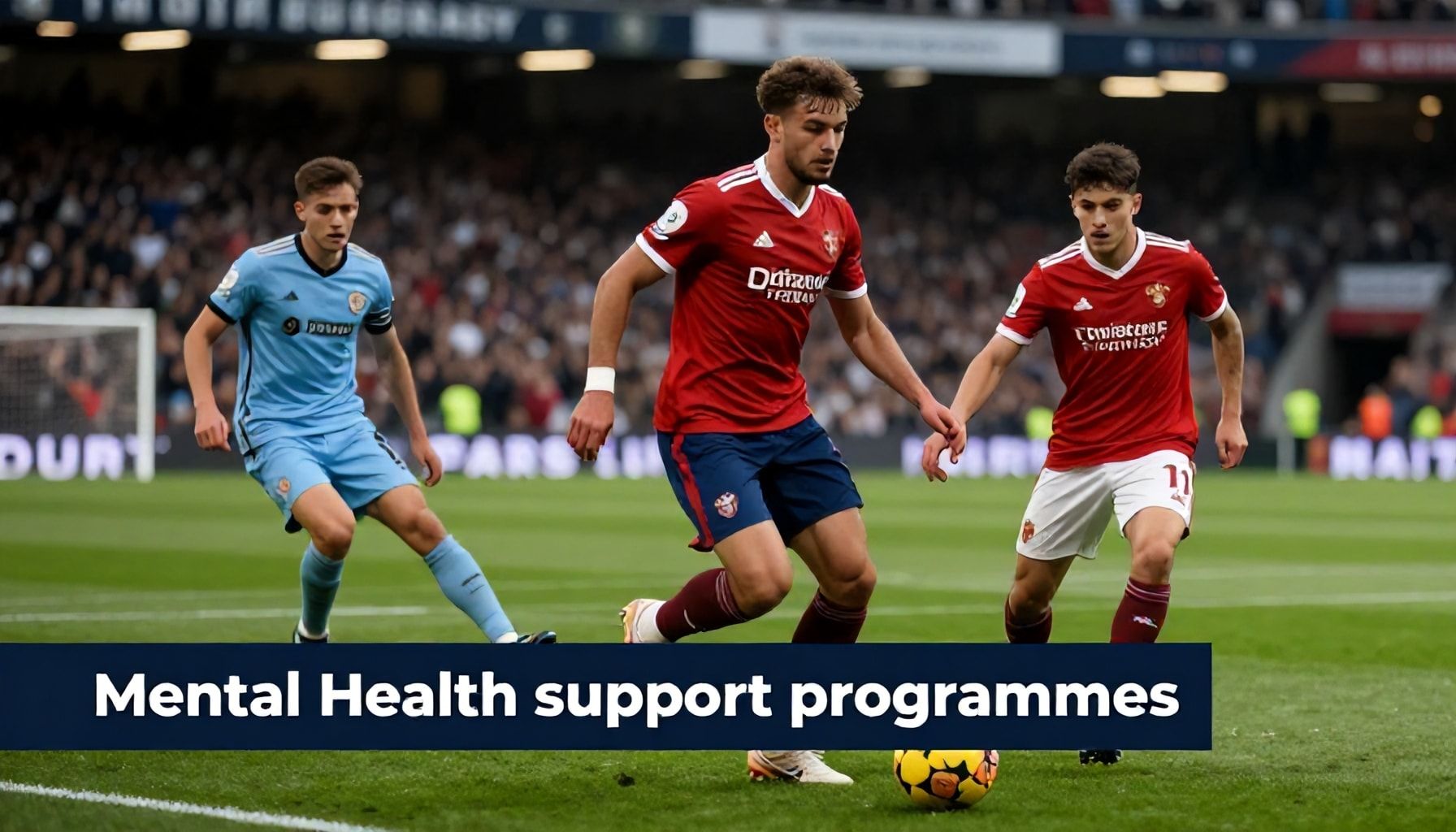
A growing number of football clubs are implementing mental health support programmes in response to a rising crisis among young players. The English Football League (EFL) recently announced a £1.2 million investment to improve mental health provision across its clubs.
The initiative follows a report by the Professional Footballers’ Association (PFA) revealing that 42% of current and former players have experienced mental health issues. The PFA’s Chief Executive, Maheta Molango, stated, “The mental health crisis in football is real and urgent. We must act now to support our players.”
Clubs are introducing various measures, including dedicated mental health officers, counselling services, and educational workshops. Manchester United, for instance, has appointed a full-time mental health manager to work with young players.
The Football Association (FA) has also launched a new strategy to promote mental health awareness in grassroots football. The strategy includes training for coaches and volunteers to better support young players.
Dr. Alex Hazlett, a sports psychologist, highlighted the importance of early intervention. “Young players often face immense pressure, and early support can make a significant difference,” he said during a recent webinar.
The Premier League has pledged to fund mental health charities and research to better understand the unique challenges faced by young footballers. The league’s Chief Executive, Richard Masters, acknowledged the need for continued investment in this area.
While progress is being made, experts caution that more needs to be done to address the mental health crisis in football. The focus remains on providing comprehensive support to young players at all levels of the game.
Parents and coaches urged to recognise early warning signs
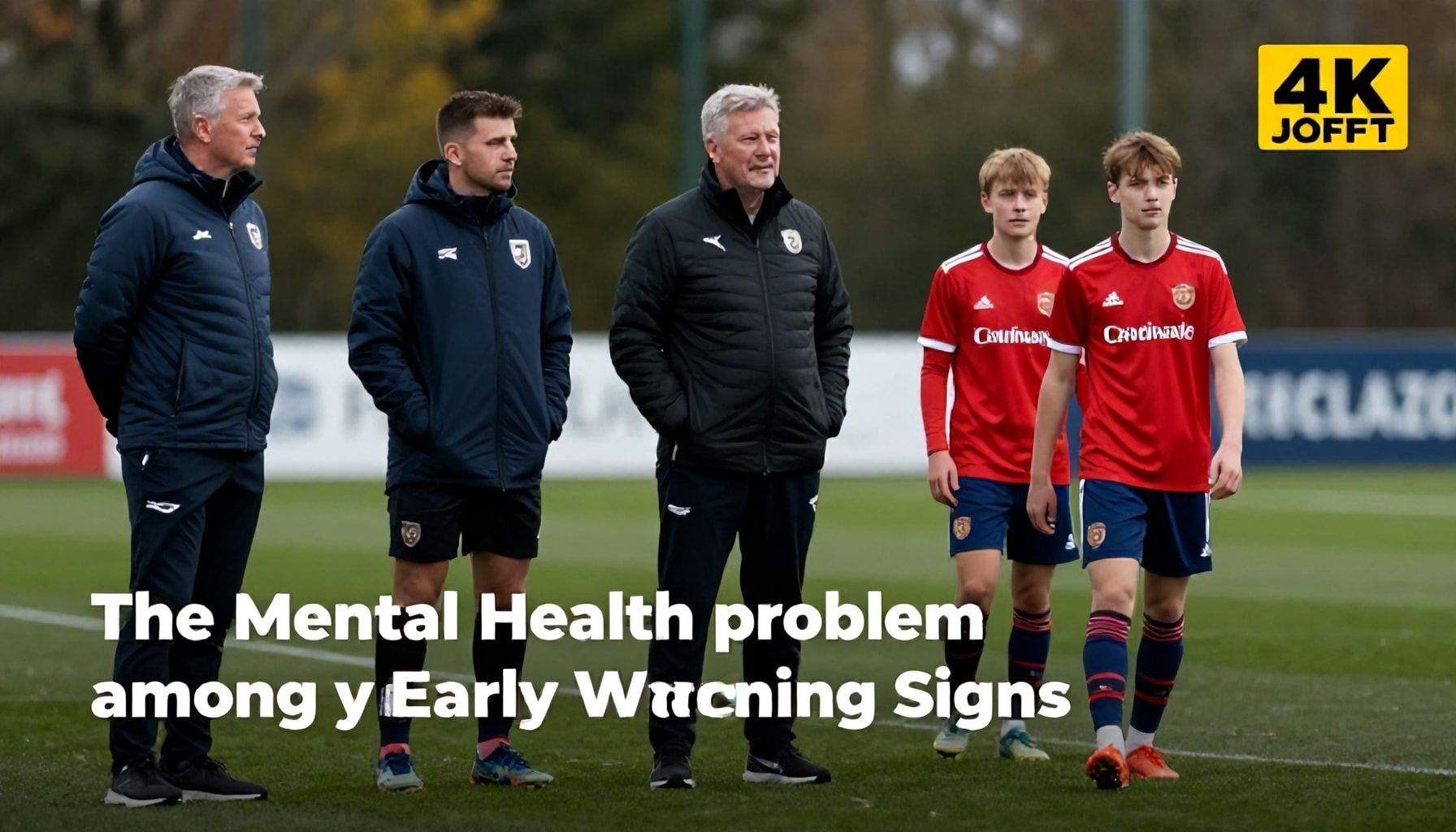
A growing number of young footballers are facing mental health challenges, according to a recent report by the Football Association (FA). The report highlights that early intervention is crucial in addressing these issues.
Parents and coaches are being urged to recognise the early warning signs of mental health problems in young players. Symptoms can include changes in behaviour, mood swings, and a sudden drop in performance. The FA’s Head of Safeguarding, Andy Woodward, stated, “It’s vital that we all play our part in supporting young players’ mental wellbeing.”
The report reveals that nearly one in five young footballers have experienced mental health issues. This figure is significantly higher than the general youth population. The FA attributes this to the intense pressure and high expectations placed on young players.
Experts recommend that clubs implement mental health support systems. This includes access to counsellors and mental health workshops. The FA has pledged to provide resources and training for coaches and staff.
A recent survey found that 60% of young footballers feel anxious about their performance. This anxiety can lead to more serious mental health issues if left unaddressed. The FA is calling for a cultural shift in how mental health is viewed within the sport.
Coaches are being encouraged to create a supportive and inclusive environment. This includes open discussions about mental health and reducing the stigma around seeking help. The FA’s report emphasises the importance of a holistic approach to player development.
Parents are also being advised to be vigilant and supportive. Recognising the signs of mental health struggles and seeking professional help early can make a significant difference. The FA’s report serves as a wake-up call for the football community to prioritise mental health.
The mental health crisis among young footballers is expected to persist without significant intervention. Clubs and governing bodies are increasingly recognising the need for better support systems, but implementing these changes will take time. The hope is that by raising awareness and providing resources, the stigma surrounding mental health in sports can be reduced. Future developments may include mandatory mental health training for coaches and the establishment of dedicated support services within academies. The broader context of youth sports mental health extends beyond football, highlighting a growing issue across various athletic disciplines.