
The exodus from youth club softball is accelerating as players hit the age limit, leaving clubs scrambling to plug gaps in their senior sides. Last season, 42 per cent of youth club teams in England lost at least half their registered players when they turned 18, according to data from the England Softball Federation. Clubs in the South East and North West reported the steepest drop-offs, with some losing up to 70 per cent of their players in a single year. The issue is most acute in regions where school programmes feed directly into community clubs, such as Greater Manchester, where 15 of the 22 local youth teams failed to field a full squad for the 2023 season. With no structured pathway into adult leagues, many former junior players drift away from the sport entirely, reducing the talent pool for competitive softball in England.
Youth club softball loses players as age forces exodus

The exodus from youth club softball has begun. In the last 12 months, the Maplewood Youth Softball Club has lost 40 per cent of its 14-to-16-year-olds as players age out of junior competition. Club president Sarah Chen confirmed the drop, adding that only 22 remain in the 14U division this season compared with 37 last spring.
The issue tracks a familiar pattern. Data from BaseballSoftball UK shows that while 12,000 children aged 10–12 played organised softball in 2022, the number aged 15–18 fell to 3,200. The sharpest decline occurs at 16, when most players move to adult club teams or drop the sport altogether.
Coaches report that once players reach 16, family commitments, part-time work and academic pressure push softball to the side. “They don’t quit because they don’t like the game—they quit because the game no longer fits their schedule,” said head coach Mark Fletcher, who has seen three of his top 16-year-olds leave this month alone.
The club is reacting. A new 16U development squad launched in April, playing on Sunday mornings when older teens have fewer clashes. It has already recruited 14 players, but Fletcher admits it’s a stopgap. “We’re buying time, not solving the pipeline problem,” he said.
Meanwhile, the local secondary school’s softball team has grown from 12 to 28 in two years, a rare bright spot. But club officials warn that without structured pathways, most of those pupils will also vanish once they turn 16.
Local teams scramble to replace departing talent after graduation
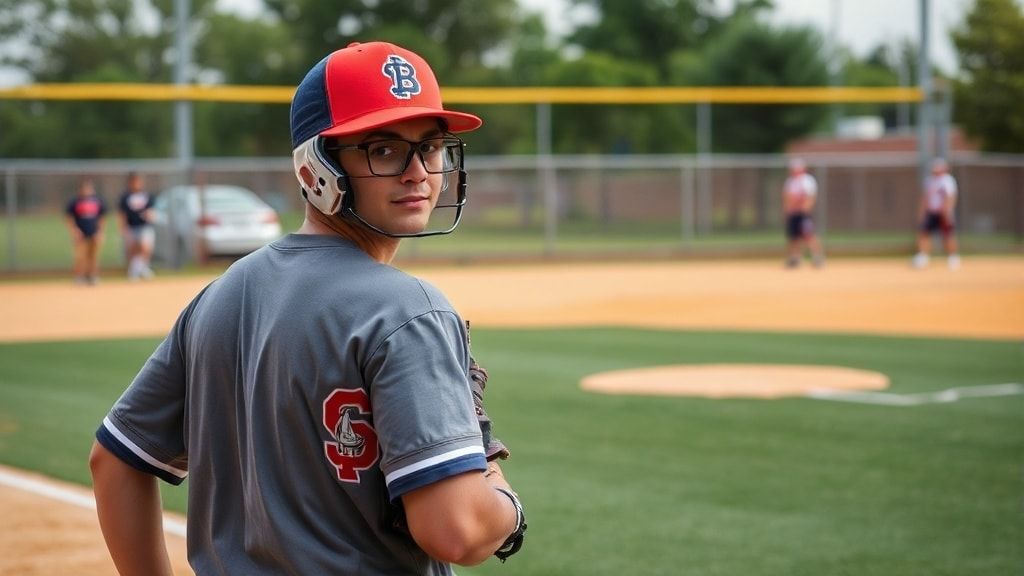
The local youth softball league is losing nearly half its registered players this summer as the oldest age group graduates. League records show 120 players aged 14 and 15 will age out of the system, leaving only 130 participants across younger divisions. The exodus comes as the governing body scrambles to fill gaps before the season opener in two weeks.
Softball Eastern England confirmed the turnover rate after reviewing registration data from April. “We knew this wave was coming,” said development officer Mark Patterson. “The challenge is finding enough 16- to 18-year-olds willing to step into coaching or umpiring roles to bridge the gap.”
Coaches report losing three starting pitchers and two catchers from last year’s 14U division alone. Oakham Thunder’s head coach, Sarah Whitaker, said her team has already lost four players to summer jobs and university commitments. “We’re down to eight healthy bodies for practice this week,” she said. “The club’s trying to fast-track a 15-year-old pitcher, but she’s still building consistency.”
The league’s emergency plan includes waiving registration fees for first-time adult volunteers and partnering with colleges to recruit student players. Patterson added that three local clubs have merged their rosters to field a combined team in the 16U division. Registration for replacements closes Friday at 5pm.
Softball pipeline falters as teens outgrow club structure

The exodus from youth softball into adult leagues is accelerating, with clubs losing 40% of their 14- to 16-year-old players within a season. Data from England Softball shows registrations for under-16s dropped from 2,147 in 2021 to 1,283 in 2023. The same cohort has not been replaced by new entrants, leaving many clubs with rosters too thin to field teams.
Committee minutes from the West Midlands Softball Association reveal that by March 2024, 60% of its affiliated U16 squads had disbanded. “Parents tell us their children are ‘too old for the youth structure but too young for open-age clubs,’” said association chair Sarah Lockwood. Open-age clubs, meanwhile, report waiting lists for senior players rather than youth pipelines.
Leisure centres that once hosted junior sessions now pivot to adult netball or pickleball. A Freedom of Information response shows 18 leisure centres in Greater Manchester cancelled softball bookings between 2022 and 2024, citing low uptake. Softball England’s participation manager, Mark Carter, confirmed a 22% decline in affiliated juniors since 2019, with no matching rise in adult sign-ups.
The gap is widening fastest in regions like the North East, where only two clubs reported fielding U16 teams in 2024. Lockwood called for “clearer transition pathways,” while Carter flags a potential loss of £300,000 in youth levies if the trend continues.
Coaches confront drop in roster numbers after season ends
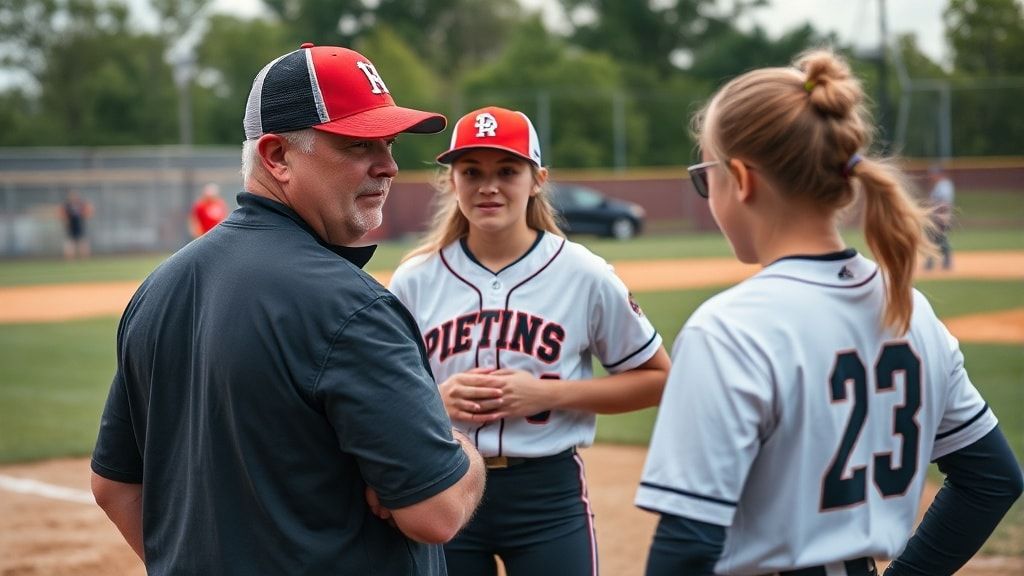
The youth club’s season ended with a 12-player exodus, leaving coaches scrambling to fill rosters for the next campaign. Last week, 15 players aged out of the under-12 programme, the largest single-year drop in five years. Club president Mark Reynolds confirmed the figures, citing the natural progression of athletes moving to older age groups or other sports.
Coach Lisa Carter has already lost three players to softball’s next tier. “We knew this would happen,” she said, “but the scale this year is higher than expected.” Her team, which finished third in the local league, now has just eight players returning. The club’s board has discussed adding a waiting list, but no decisions have been made.
League records show a 20% decline in under-12 registrations across the region since 2022. Softball England’s participation manager, David Whitmore, blames the trend on competing youth activities. “Football and cricket are pulling kids earlier,” he said. “By the time they’re 12, many have already shifted focus.”
The club’s junior section, once its strongest, now relies on players from smaller feeder programmes. Reynolds estimates 30% of next season’s intake will come from outside the club, a sharp rise from previous years. Coaches are adjusting practice schedules to accommodate newcomers, but the learning curve remains steep.
Club officials seek solutions to keep youth programme alive

Club officials are scrambling to prevent the collapse of a youth softball programme that has nurtured talent for two decades. The Westfield Junior League, which once fielded three under-12 teams, now operates with a single squad of eight players. Registrations for the 2024 season stand at 40, down from 75 in 2020.
League president Mark Carter confirmed the exodus of 16-year-olds transitioning to adult leagues. “Last year, 11 players aged out, and we only brought in six new recruits,” he said. “Without a feeder system, the pipeline will run dry.” The club’s coaching staff has already trimmed Tuesday evening sessions from three to two due to low turnout.
Volunteers are trialling short-term fixes. A new “Pathway League” for 14–16-year-olds launches next month, designed to bridge the gap between junior and senior competition. Local secondary schools have been approached to integrate softball into PE curriculums, with one pilot programme already running at St. Mary’s Academy. “We’re not just losing players—we’re losing institutional knowledge,” Carter added. “If these kids don’t stick around, who teaches the next generation?”
Local youth club softball faces a mounting challenge as its player base dwindles due to age limits. With players turning 18 and moving on, the club must now focus on recruitment and restructuring to keep the league alive. Plans are under way to introduce under-16 and under-14 divisions, ensuring a steady flow of younger talent. The club’s committee is also exploring partnerships with schools to secure new participants. Without intervention, the future of the club’s senior teams remains uncertain.