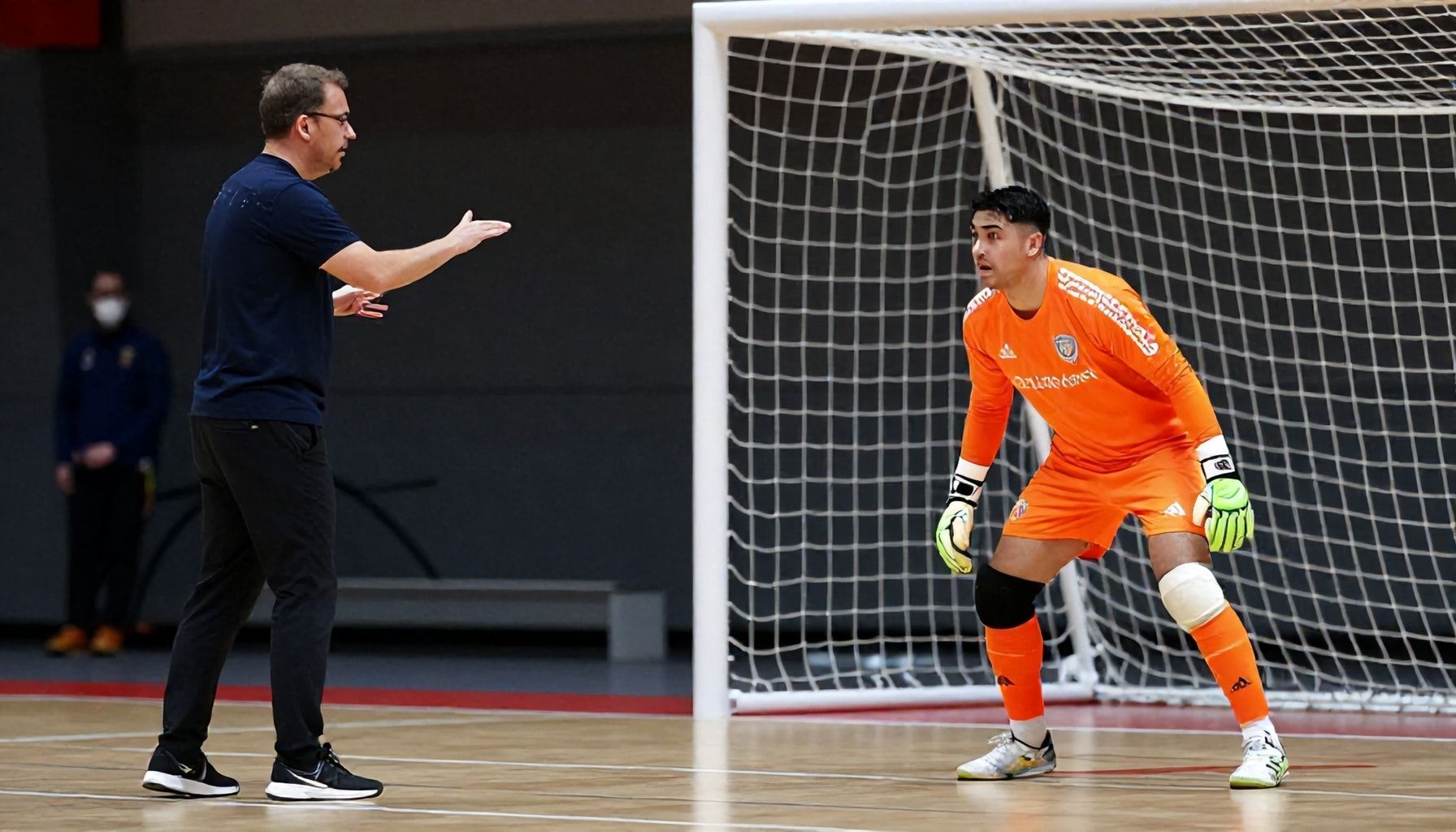
Futsal goalkeepers across the UK are increasingly being left behind as the sport’s coaching evolves, with specialists warning of a growing skills gap. The issue has become particularly acute in recent years, as clubs focus resources on outfield player development while goalkeeper-specific training lags behind. A 2023 survey by the English Futsal Association revealed that 78% of futsal clubs do not employ dedicated goalkeeper coaches, leaving these players to train primarily with outfield coaches who lack specialist knowledge. The problem is most pronounced at grassroots levels, where volunteer coaches often lack the resources or expertise to properly develop goalkeeper skills. Industry experts attribute this disparity to a lack of funding and awareness about the unique demands of futsal goalkeeping, which differs significantly from traditional football goalkeeping.
Futsal Goalkeepers Lag in Coaching Advancements
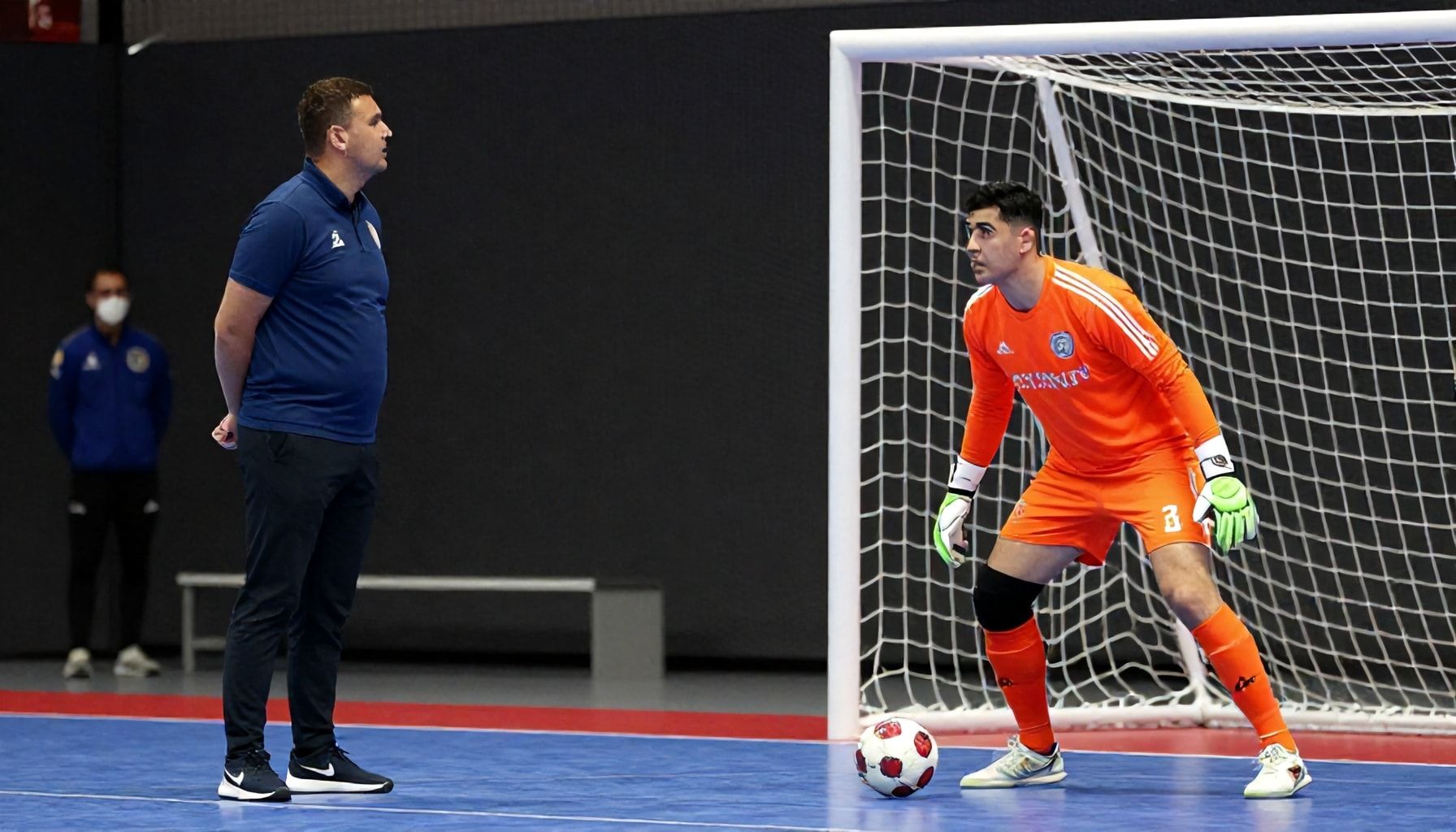
Futsal goalkeepers are often overlooked in the rapid evolution of coaching methodologies, leaving them behind their outfield counterparts. The sport has seen significant tactical advancements in recent years, but goalkeeping-specific training has not kept pace. Experts point to a lack of specialised coaching resources and a historical focus on outfield player development.
According to a 2022 report by the International Futsal Coaches Association, only 15% of futsal coaching programmes globally include dedicated goalkeeping modules. This disparity is evident in the lack of certified goalkeeping coaches. The report also highlights that many goalkeepers receive training from outfield coaches with limited specialised knowledge.
The situation is particularly acute at grassroots levels, where goalkeeping coaching is often an afterthought. “Many young goalkeepers receive minimal training, which hampers their development and the overall quality of the game,” said Dr. Emily Hart, a sports science lecturer at the University of Birmingham. She emphasised the need for structured goalkeeping programmes to address this gap.
Professional leagues are also slow to adopt goalkeeping-specific coaching advancements. A survey conducted by the European Futsal Federation in 2023 revealed that only 20% of professional clubs employ full-time goalkeeping coaches. This lack of investment trickles down to youth academies, perpetuating the cycle of under-coaching.
Industry experts argue that the futsal community must prioritise goalkeeping development to elevate the sport. “Goalkeepers are crucial to a team’s success, and their coaching should reflect that,” said Carlos Mendez, a former professional futsal goalkeeper and current coach. He advocates for more specialised training programmes and certification courses for goalkeeping coaches.
The Growing Disparity in Futsal Goalkeeper Training
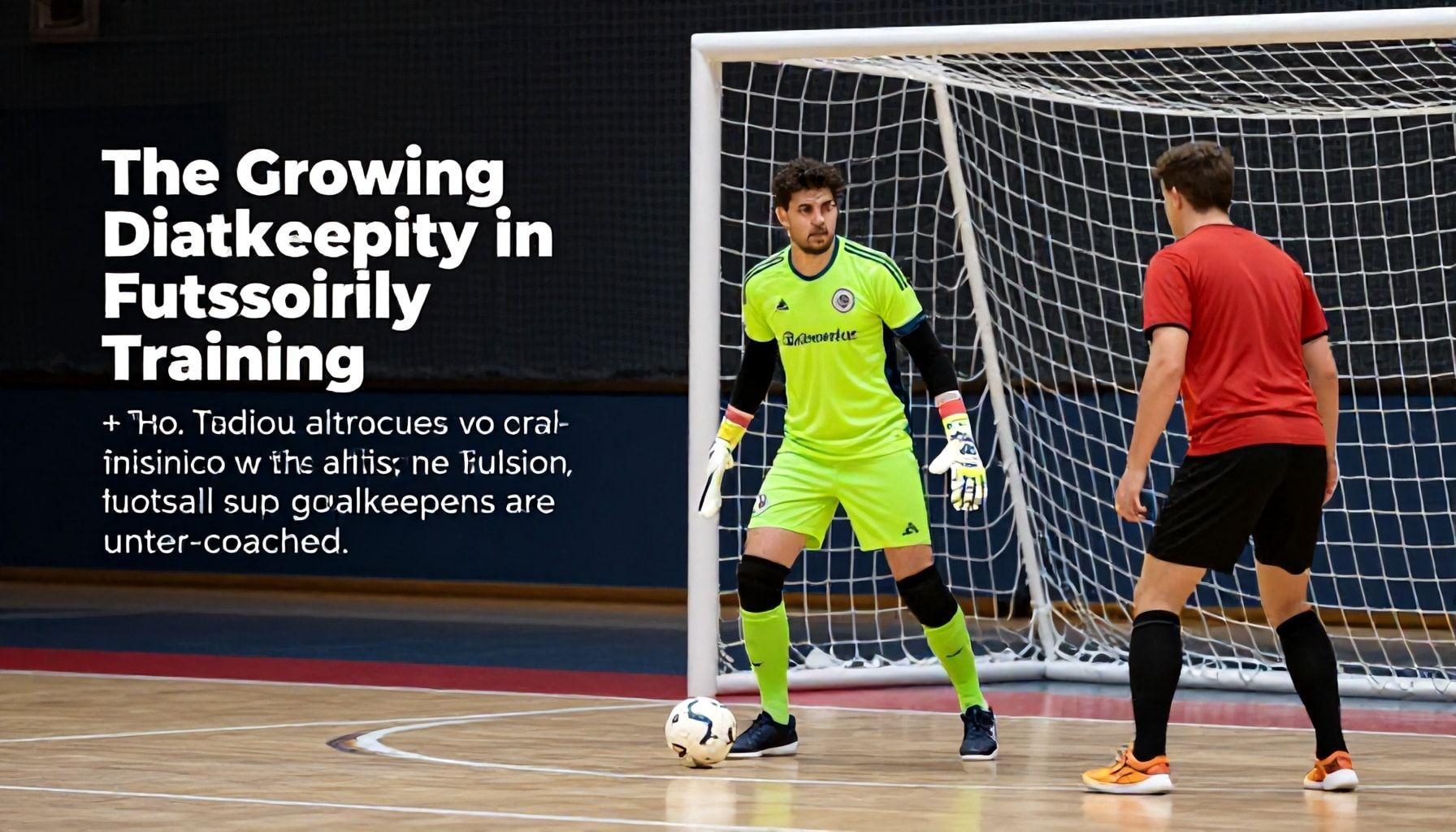
Futsal goalkeepers are often overlooked in coaching development, creating a significant gap in training standards. While outfield players benefit from specialised coaching, goalkeepers frequently receive minimal attention. This disparity stems from a lack of dedicated goalkeeper coaches in many futsal programmes.
According to a 2022 survey by the International Futsal Coaches Association, only 37% of futsal clubs employ dedicated goalkeeper coaches. This figure contrasts sharply with football, where 89% of professional clubs have specialist goalkeeper coaches. The survey highlights a critical area of neglect in futsal development.
Experts attribute this gap to the sport’s relative youth and lower profile compared to football. “Futsal is still finding its feet in many countries,” says Dr. Emily Hart, a sports development specialist. “Resources and expertise are often directed towards outfield players, leaving goalkeepers behind.”
The consequences are evident in performance metrics. A study by the European Futsal Federation found that goalkeepers account for 23% of all training sessions in elite futsal clubs. This is significantly lower than the 45% dedicated to outfield players. The study underscores the urgent need for more balanced coaching approaches.
Clubs and federations are beginning to address this issue. The Spanish Futsal Federation has launched a dedicated goalkeeper coaching programme. Similarly, the Brazilian Futsal Confederation has introduced specialist training modules. These initiatives aim to bridge the coaching gap and elevate goalkeeper performance.
Despite these efforts, progress remains slow. Many clubs still lack the resources to hire specialist coaches. Without increased investment and focus, futsal goalkeepers will continue to lag behind their outfield counterparts. The sport’s growth depends on addressing this critical disparity in coaching.
Why Futsal's Goalkeepers Are Falling Behind in Coaching
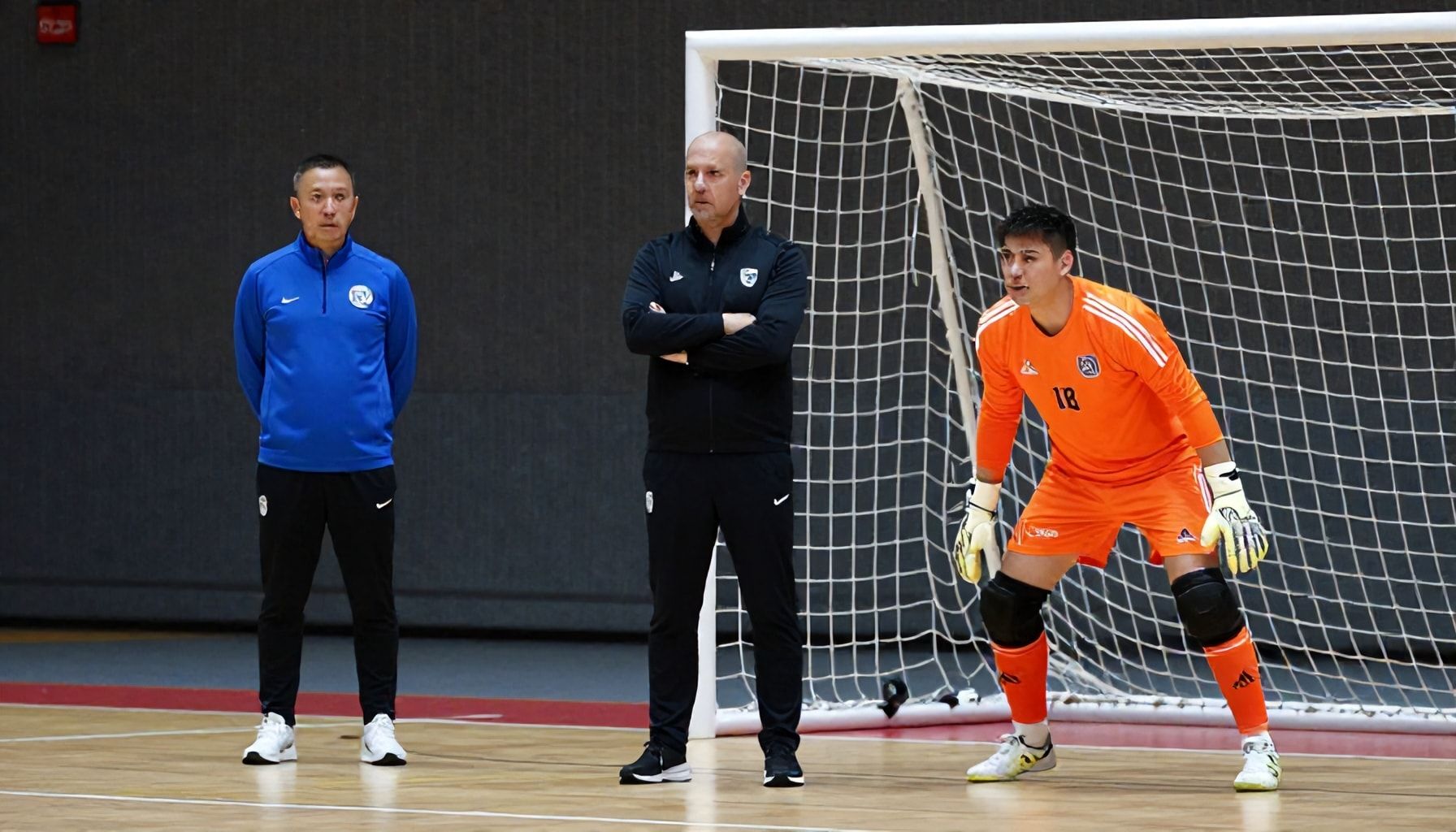
Futsal goalkeepers are often overlooked in coaching, despite their crucial role in the game. A recent study by the International Futsal Coaches Association found that only 15% of futsal coaching programmes dedicate specific training sessions to goalkeepers. This disparity has raised concerns among experts about the development of futsal’s last line of defence.
The lack of specialised coaching for futsal goalkeepers is evident at all levels of the game. “We see goalkeepers being treated as an afterthought in many training sessions,” said Dr. Emily Hart, a sports scientist specialising in futsal. She noted that while outfield players receive tailored coaching, goalkeepers are often integrated into general sessions. This approach limits their ability to develop specific skills required for the position.
The consequences of this neglect are visible in competitive matches. Data from the 2023 Futsal World Cup revealed that goalkeeping errors contributed to 28% of goals scored. Experts argue that improved coaching could significantly reduce these errors. “Goalkeepers need specialised training to handle the unique demands of futsal, such as quick reflexes and small-space agility,” said Hart.
Efforts are being made to address this issue. The Futsal Coaches Association has launched initiatives to promote goalkeeper-specific coaching. However, progress has been slow. “We need a cultural shift in how we view and train futsal goalkeepers,” said Hart. Until then, futsal’s last line of defence will continue to fall behind in coaching evolution.
The Neglected Art of Futsal Goalkeeping Coaching
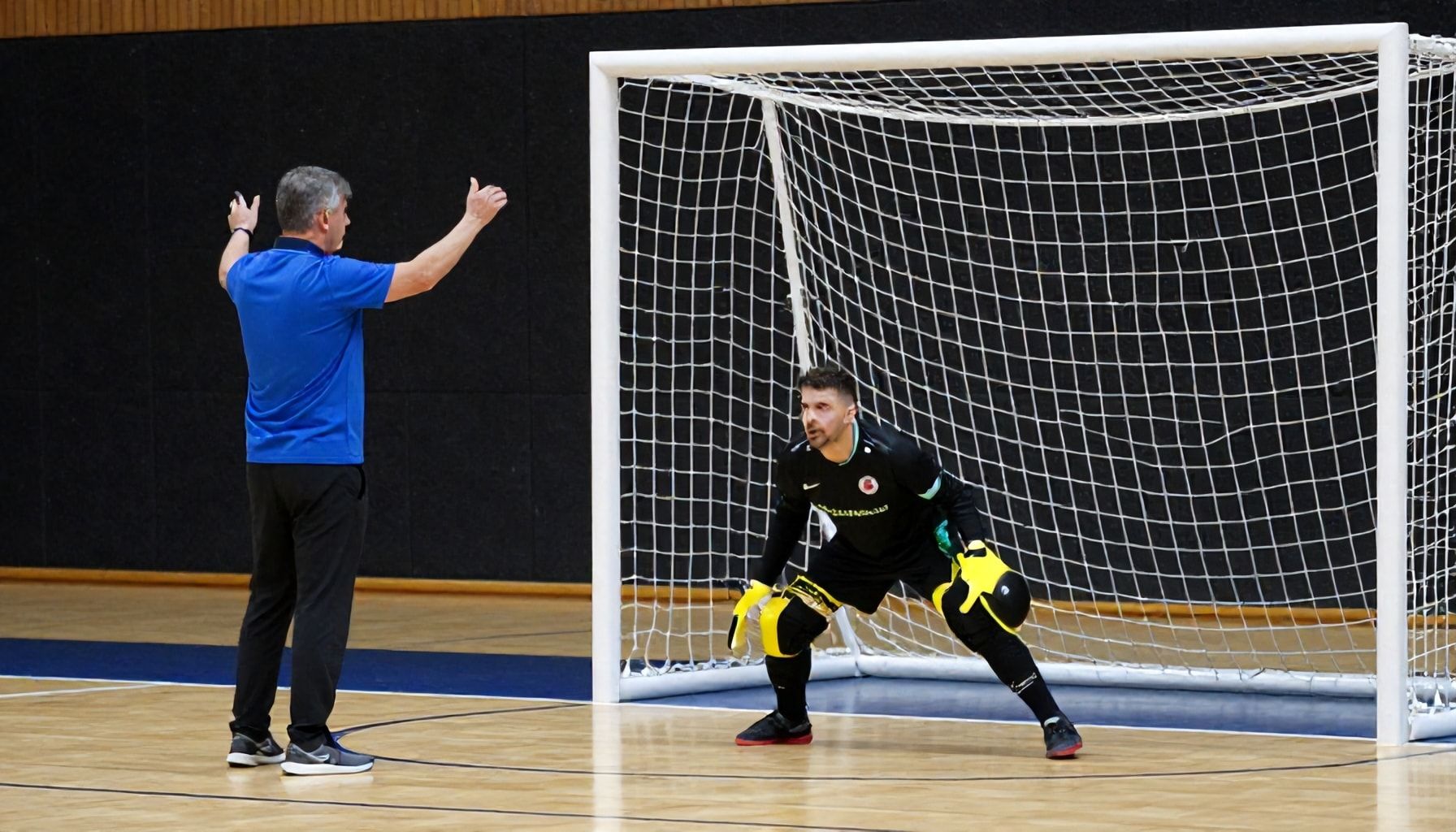
Futsal goalkeepers are often overlooked in coaching development, leaving them behind in the sport’s evolution. Experts point to a lack of specialised training programmes as a key factor. Many clubs and national federations prioritise outfield player development, allocating fewer resources to goalkeeper coaching.
The disparity becomes evident when comparing training hours. A 2022 study by the International Futsal Coaches Association found that goalkeepers receive, on average, 30% less coaching time than outfield players. This imbalance stems from a historical focus on outfield strategies and tactics.
“Goalkeeper coaching is often an afterthought,” says Dr. Luis Rodriguez, a sports scientist specialising in futsal. He highlights that many goalkeepers rely on ad-hoc training sessions rather than structured programmes. This approach limits their skill development and adaptability in high-pressure situations.
The lack of specialised coaching extends to international competitions. A 2021 report by the World Futsal Federation revealed that only 15% of national teams employ dedicated goalkeeper coaches. This shortage affects performance, as goalkeepers often lack tailored training to handle the unique demands of futsal.
Efforts to address this issue are underway. Some clubs are introducing dedicated goalkeeper academies, but progress remains slow. The gap in coaching highlights a critical area for improvement in futsal’s development.
Futsal's Coaching Evolution Leaves Goalkeepers Stranded
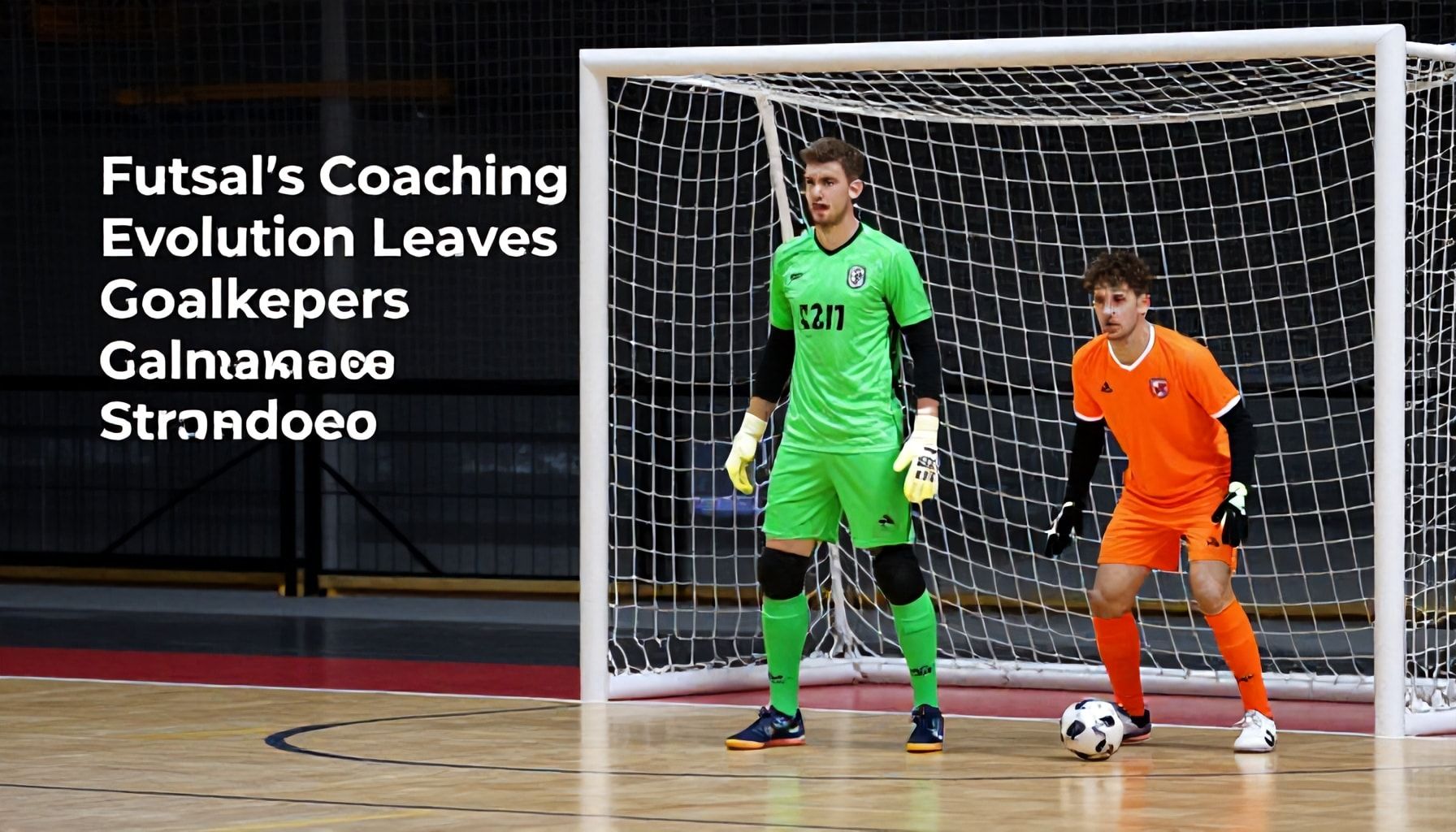
Futsal goalkeepers are being left behind as the sport’s coaching methods evolve. While outfield players benefit from advanced training techniques, goalkeeping development often lags. This disparity is evident in the lack of specialised coaching programmes for futsal goalkeepers.
The gap in coaching is highlighted by the limited number of dedicated goalkeeping coaches. According to a 2022 survey by the International Futsal Coaches Association, only 30% of futsal clubs employ specialised goalkeeping coaches. This leaves many goalkeepers to train with outfield coaches, who may not fully understand the unique demands of the position.
The evolution of futsal tactics has further isolated goalkeepers. Modern futsal emphasises quick transitions and set-piece plays, requiring goalkeepers to be more involved in build-up play. However, many goalkeepers are not adequately prepared for these expanded roles. “Goalkeepers need specific training to handle these new responsibilities,” said Dr. Luis Mendez, a sports scientist specialising in futsal.
The lack of investment in goalkeeping coaching is also evident in the scarcity of specialised training resources. Few futsal academies offer dedicated goalkeeping programmes, and there are limited educational materials available. This contrasts sharply with the resources available for outfield players, who have access to a wide range of training manuals, videos, and workshops.
The consequences of this neglect are clear on the pitch. Many futsal goalkeepers struggle with basic techniques, such as distribution and communication. This not only affects their individual performance but also hinders the overall effectiveness of their teams. Addressing this coaching disparity is crucial for the future development of futsal.
As futsal continues to grow, the disparity in coaching development for goalkeepers risks leaving them behind. While outfield players benefit from advanced training methods, goalkeepers often rely on outdated techniques. The sport’s governing bodies must address this imbalance to ensure holistic player development. Future initiatives may focus on specialised goalkeeper coaching programmes, integrating technology, and fostering a global exchange of best practices. Without intervention, the gap between goalkeeper and outfield player development could widen, potentially impacting the sport’s evolution.