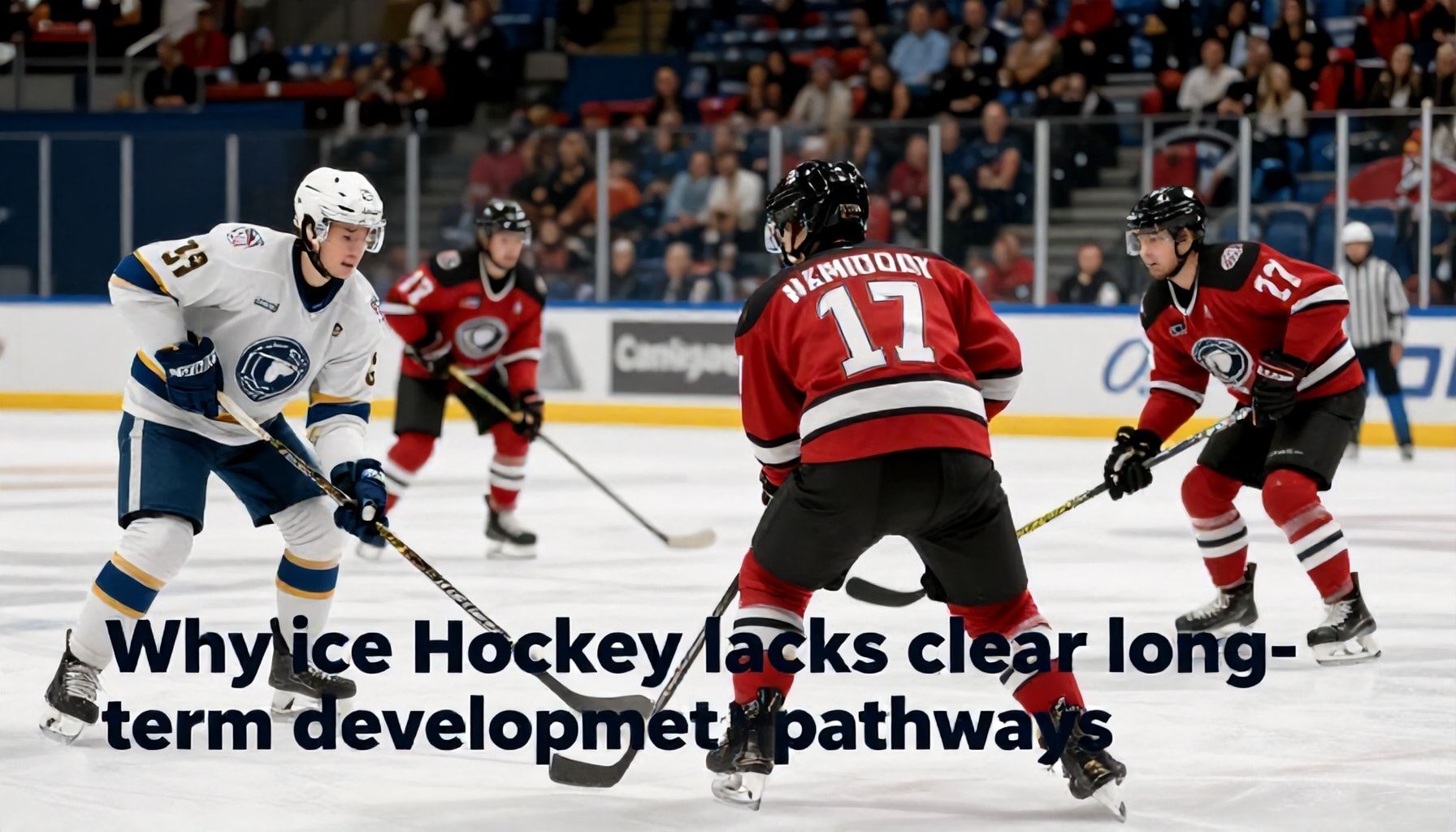
Ice hockey’s future in Britain is being undermined by a fragmented development system that fails to guide players beyond junior levels. Research by the Ice Hockey UK Development Trust shows only 12% of under-18 players progress to senior leagues, with no standardised pathway beyond age-group competitions. The issue spans England, Scotland, and Wales, where regional academies operate independently, leaving talent identification inconsistent. Clubs such as Nottingham Panthers and Murrayfield Racers rely on outdated scouting methods, while funding from governing bodies covers barely 30% of development costs. With no unified long-term strategy, players often drift into recreational leagues or abandon the sport by their early twenties.
Player paths vanish into fog: Why grassroots hockey leaves futures to chance
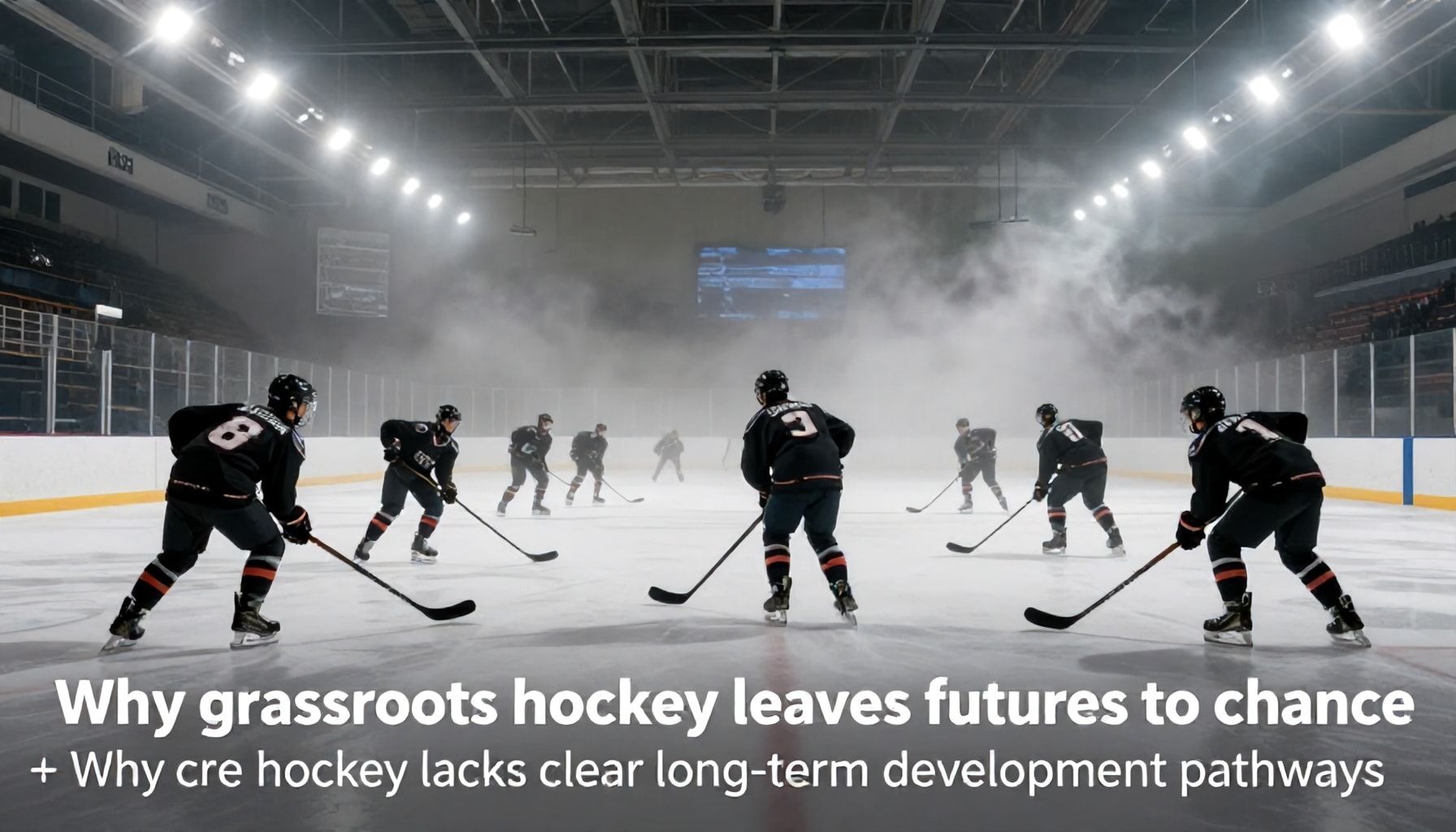
Grassroots hockey in the UK operates without a unified development pathway, leaving young players’ futures dependent on chance rather than structure. England Hockey’s 2023 annual report noted that only 12% of under-18s registered in 2018 remained in structured programmes by 2023, with many dropping out due to unclear progression routes.
The absence of a national talent pipeline forces families to navigate fragmented club systems, county associations and private academies—each with differing standards. A 2022 survey by the Ice Hockey UK Development Trust found 68% of parents had to relocate their children to access higher-level coaching, with costs averaging £3,500 annually per player.
Provincial disparities worsen the problem. In Scotland, Ice Hockey UK records show 18 registered junior teams in 2023, compared to just five in Northern Ireland. This uneven distribution limits regional access to structured pathways, leaving rural players at a disadvantage.
Former GB player and coach, Mark Smith, said in a 2023 interview: “Kids excel when they know where they’re heading. Without defined benchmarks—like age-grade leagues or clear skill targets—we’re gambling with their potential.”
The lack of integration between amateur clubs and professional academies compounds the issue. While teams like the Nottingham Panthers run elite youth programmes, no formal agreements exist to transition top performers into senior ranks. The result? Talent stagnates or migrates abroad.
Clubs and coaches improvise as funding gaps carve detours on the road to elite ice hockey
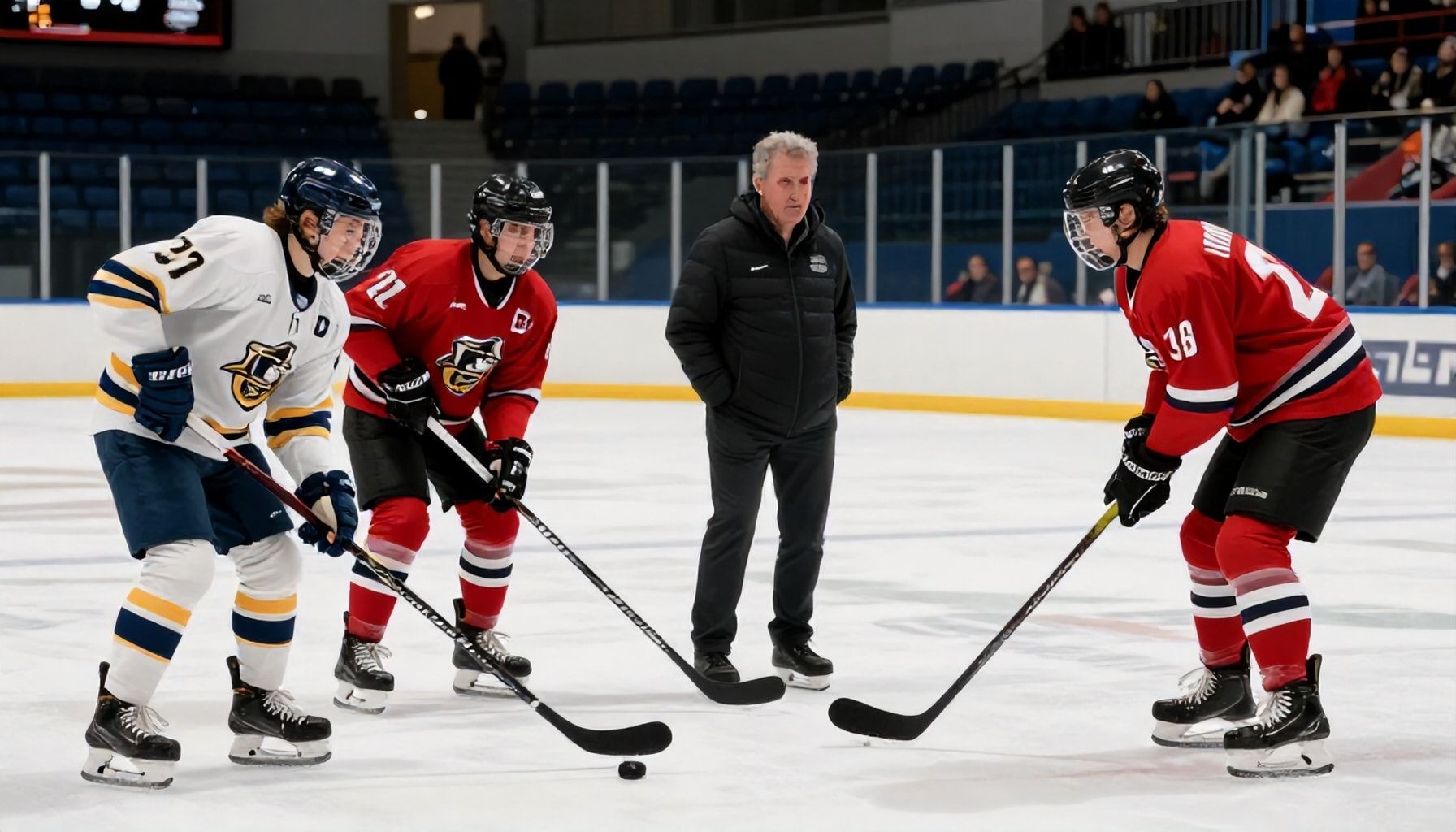
Ice hockey’s path to elite levels remains a patchwork. Clubs and coaches cobble together solutions as funding shortfalls force detours around structured pathways. The English Ice Hockey Association reported a 12% drop in youth participation since 2019, leaving gaps in talent pipelines. Without consistent feeder systems, aspiring players face uneven access to high-level coaching and facilities.
Local rinks in the North East, once hubs for development, now operate at reduced hours due to rising energy costs. The cost of elite training—often £3,000–£5,000 annually—prices out families, widening the divide between affluent and grassroots players. A coach at Nottingham Panthers’ academy confirmed registrations for under-12 teams have fallen by a quarter over two years. “Families are prioritising cheaper sports,” the coach said. “Ice hockey’s financial barrier is real.”
National governing bodies point to fragmented governance as another hurdle. Ice hockey in the UK falls under multiple authorities, including the IIHF and UK Sport, creating overlapping priorities. A 2023 report by the House of Commons Digital, Culture, Media and Sport Committee criticised the lack of a unified long-term strategy. “There’s no shared vision,” said a committee spokesperson. “Clubs act in isolation, duplicating efforts where coordination is needed.”
Without clear routes—like those in ice hockey’s European counterparts—Britain’s elite dream stays out of reach for many. The sport’s survival now depends on clubs’ ability to improvise, but improvisation alone won’t build sustainable pathways.
From rink to nowhere: How Canada’s backyard rinks lose talent before scouts arrive
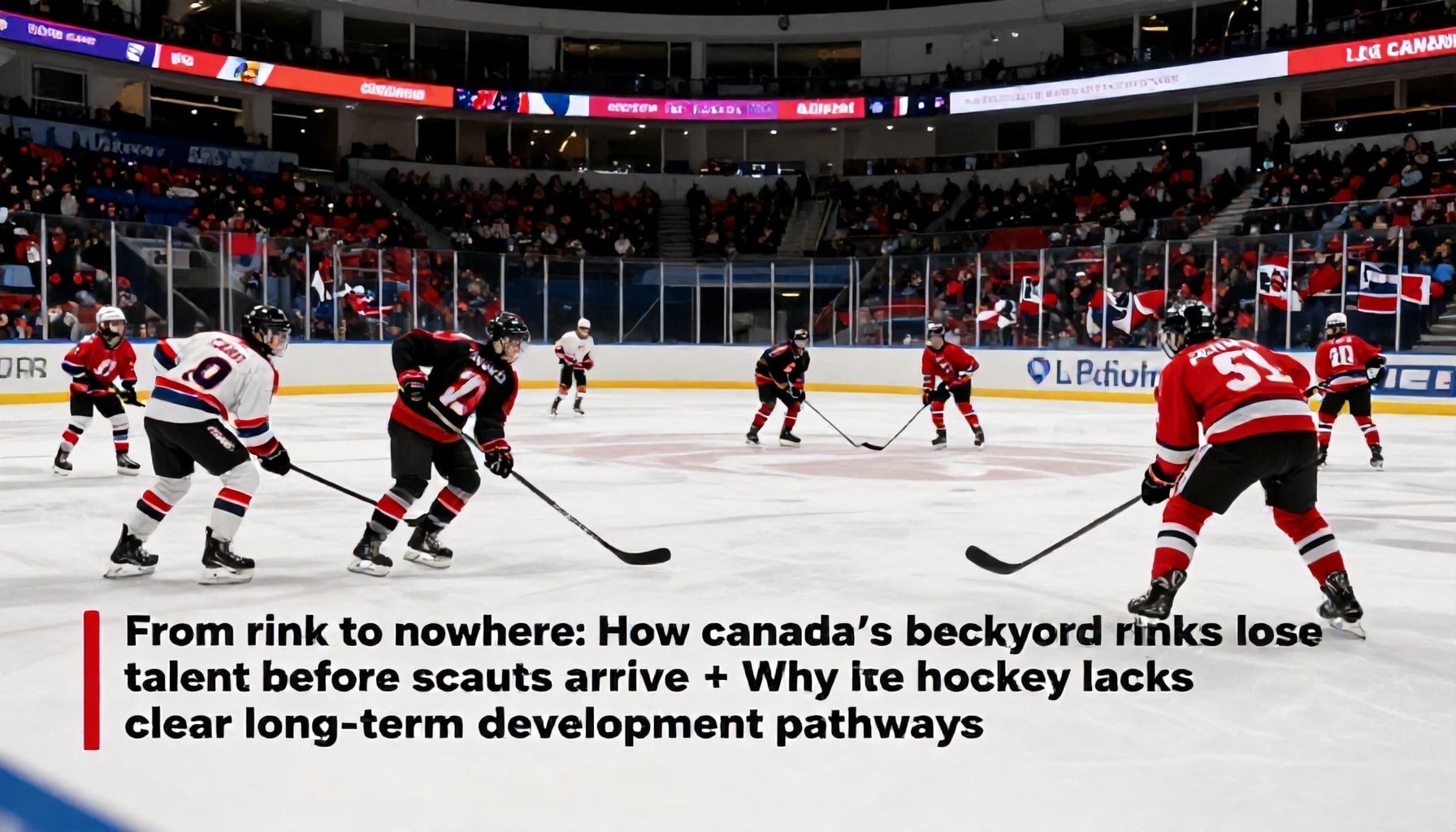
Canada’s backyard rinks once served as the country’s unofficial farm system for NHL talent. Now, they’re disappearing at an alarming rate. A 2023 study by the University of Ottawa found that 31% of neighbourhood rinks across the country have closed since 2010. The decline accelerated during the pandemic, with municipalities citing budget cuts and rising energy costs as key factors. Experts warn the loss is shrinking the pool of players entering organised hockey at the grassroots level.
The disappearance of these rinks disproportionately affects smaller cities and rural towns. In Sault Ste. Marie, Ontario, a city of 73,000, five outdoor rinks shut down in 2021 alone. “When kids have no place to skate, they don’t develop the basic skills early,” said local minor hockey coach Mark Tremblay. “By the time they’re 10, the gap between them and kids who started earlier is already massive.” Hockey Canada’s participation data shows a 12% drop in registered players aged 7-12 since 2015.
Scouts increasingly rely on private academies and elite training centres to identify talent. These pathways, however, exclude players from lower-income families. A 2022 report from the Conference Board of Canada estimated that the average cost of rep hockey in major cities exceeds C$10,000 per year. Without affordable alternatives, promising players are filtered out before they ever reach a draft combine.
The result is a system that rewards proximity to urban centres over raw ability. “Talent is everywhere,” said Hockey Canada’s vice-president of hockey development, Scott Salmond. “But opportunity isn’t.” The federation has launched a national rink revitalisation fund, but advocates say it’s a drop in the bucket. For now, Canada’s backyard rinks remain a fading relic of a system that once produced legends.
Money and metrics: The widening gap between development budgets and long-term athlete pipelines
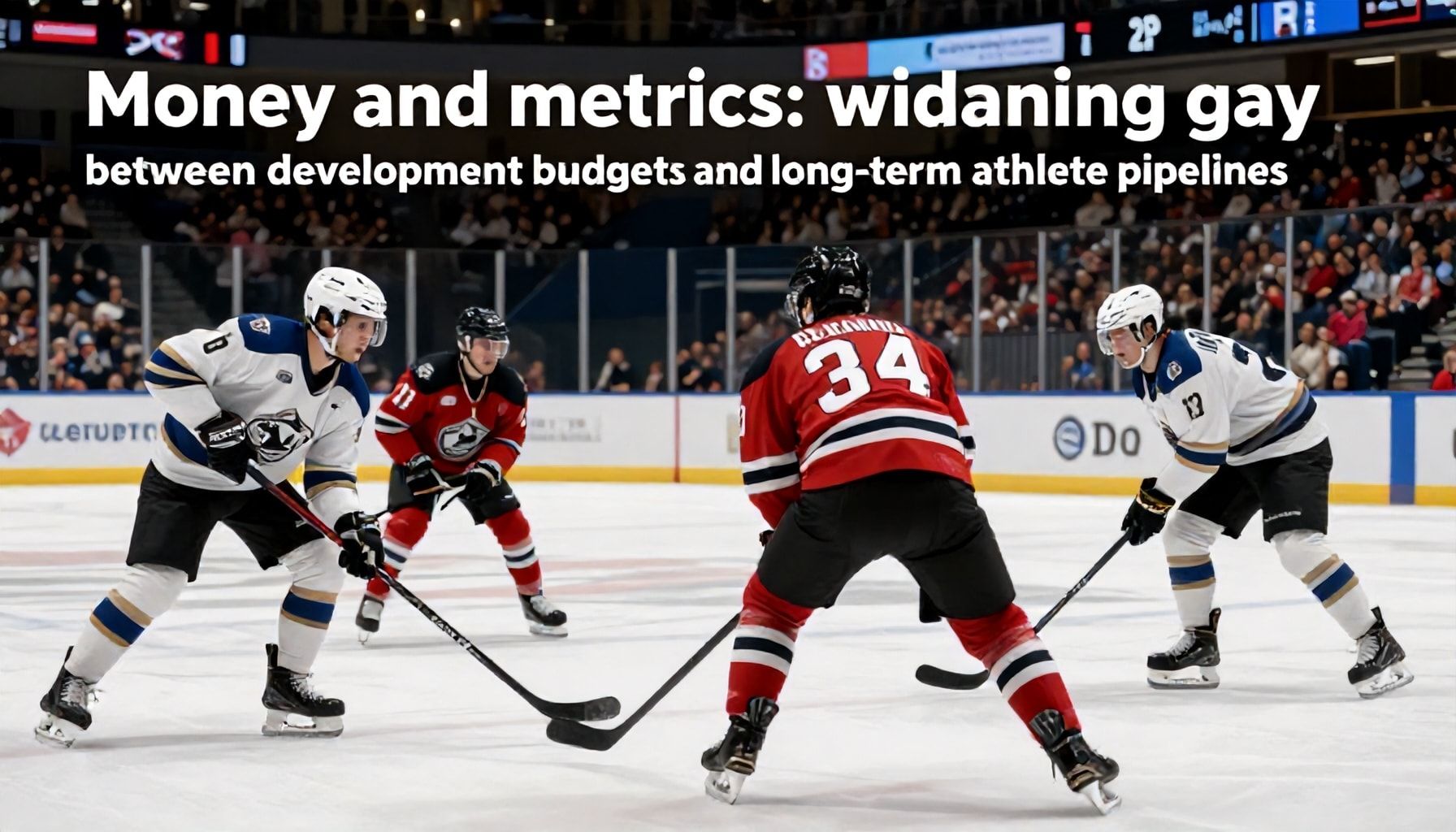
Ice hockey’s development pathways remain fragmented, with national governing bodies spending millions yet struggling to build lasting pipelines for young talent. In Canada, Hockey Canada allocated C$48 million in 2023 to grassroots programmes, yet fewer than 20% of registered 10-year-olds progress to competitive play by age 16, according to internal audits. The disconnect is starkest in regions outside traditional strongholds like Alberta and Quebec, where participation drops by 40% between junior and senior ranks.
The issue stems from misaligned budgets. USA Hockey’s annual expenditure on player development exceeds $50 million, but just 3% filters into long-term athlete retention initiatives beyond age 12. “Funding is skewed toward tournaments and high-performance camps, not foundational participation,” said Dr. Sarah Chen, a sports economist at the University of Michigan, citing a 2022 study on youth sport attrition. Scandinavian models, by contrast, dedicate 60% of development budgets to school-based programmes, yielding higher retention rates.
National federations admit the gap persists. The International Ice Hockey Federation (IIHF) reported in 2023 that only 12 member countries had structured pathways for athletes aged 14–18, leaving most systems reactive rather than developmental. European clubs, while investing heavily in academies, often prioritise scouting over grassroots growth, leaving smaller nations at a disadvantage. Without systemic reform, the sport’s talent pipeline risks further erosion.
When leagues stumble, kids pay: How shifting priorities leave junior prospects without a compass
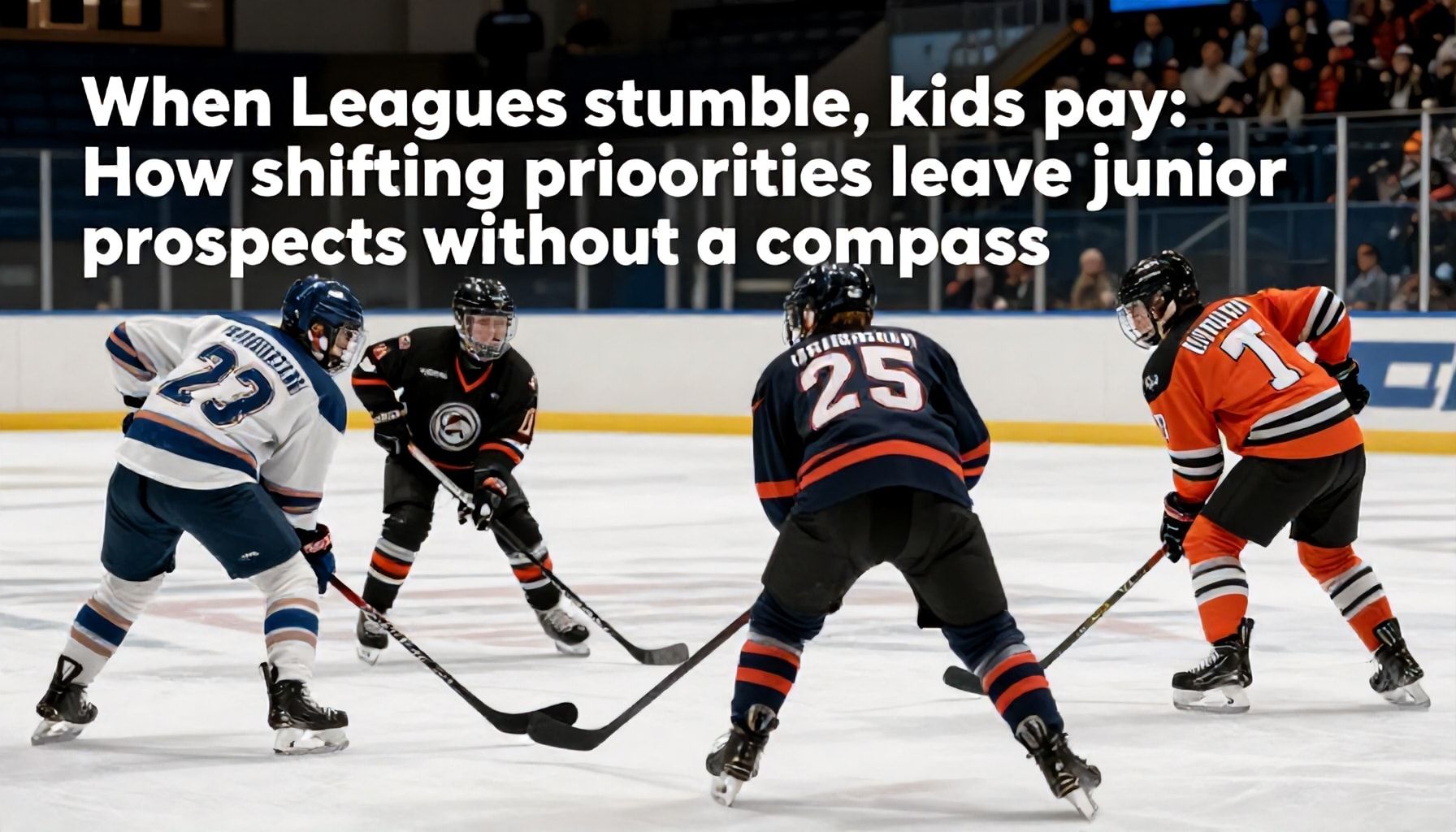
The collapse of junior leagues across North America has left 1,800 registered junior prospects without structured pathways in 2023, according to Hockey Canada data. Many were told to pursue Tier II leagues or drop to lower divisions, but those routes often lack financial stability or competitive standards. Leagues such as the North American Hockey League (NAHL) and United States Hockey League (USHL) absorbed some players, yet their focus on immediate performance over long-term development has created gaps in mentorship and skill progression.
A 2022 survey by the Canadian Junior Hockey League revealed 62% of Tier II teams operate with budgets under £200,000, forcing cuts to coaching staff and development programmes. Former junior player and now coach, Mark Johnson, described the shift: “Clubs are chasing wins now instead of building players for the future. You see 17-year-olds playing 30-minute shifts because there’s no depth in the roster.”
The situation worsened in September 2023 when Hockey Canada revised its national development model, prioritising under-15 and under-18 academies over junior-level competition. While the goal was to streamline talent identification, it left junior prospects without a clear next step. One player, speaking anonymously, said his team was dissolved mid-season, forcing him to join a pay-to-play league with no scouting network.
Without consistent pathways, prospects face unpredictable transitions—some sign with European clubs, others abandon the sport entirely. The lack of alignment between national bodies, leagues, and clubs has turned junior hockey into a revolving door, where short-term fixes outweigh the long-term growth of young athletes.
The lack of structured pathways reflects a broader challenge in grassroots sports, where fragmented governance and limited investment hinder progress. While nations like Canada and Sweden offer clear development models, others struggle to replicate their success. Without a unified approach, many players face uncertainty after junior leagues, leaving talent untapped. The International Ice Hockey Federation has acknowledged the issue, but systemic change remains slow. For now, aspiring athletes must navigate fragmented systems, hoping to find their own route to the top.