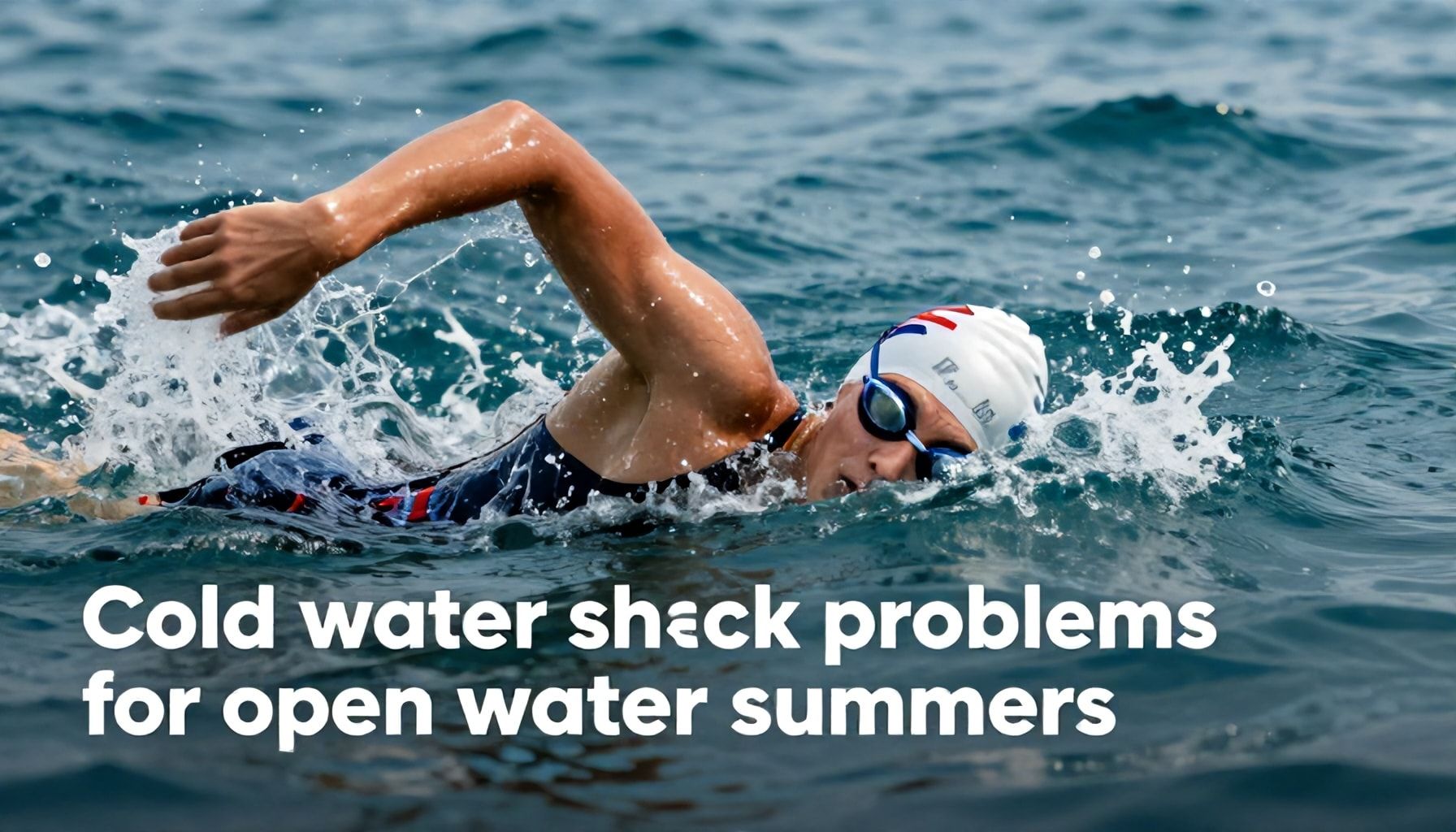
Open water swimmers across the UK are facing heightened risks of cold water shock this summer as unusually chilly sea temperatures persist. Despite the season, water temperatures remain around 12-15°C, according to the Met Office, posing serious dangers to those venturing into open waters. Cold water shock can cause an involuntary gasp reflex, hyperventilation, and panic, with the RNLI warning that immersion in water below 15°C significantly increases drowning risks. The charity reports a 42% increase in open water swimming enquiries compared to last year, with many new swimmers unaware of the hazards. Experts attribute the trend to the popularity of wild swimming during the pandemic, with participants often underestimating the water’s temperature and their bodies’ reactions.
Chilling Reality: Open Water Swimmers Confront Cold Water Shock Risks
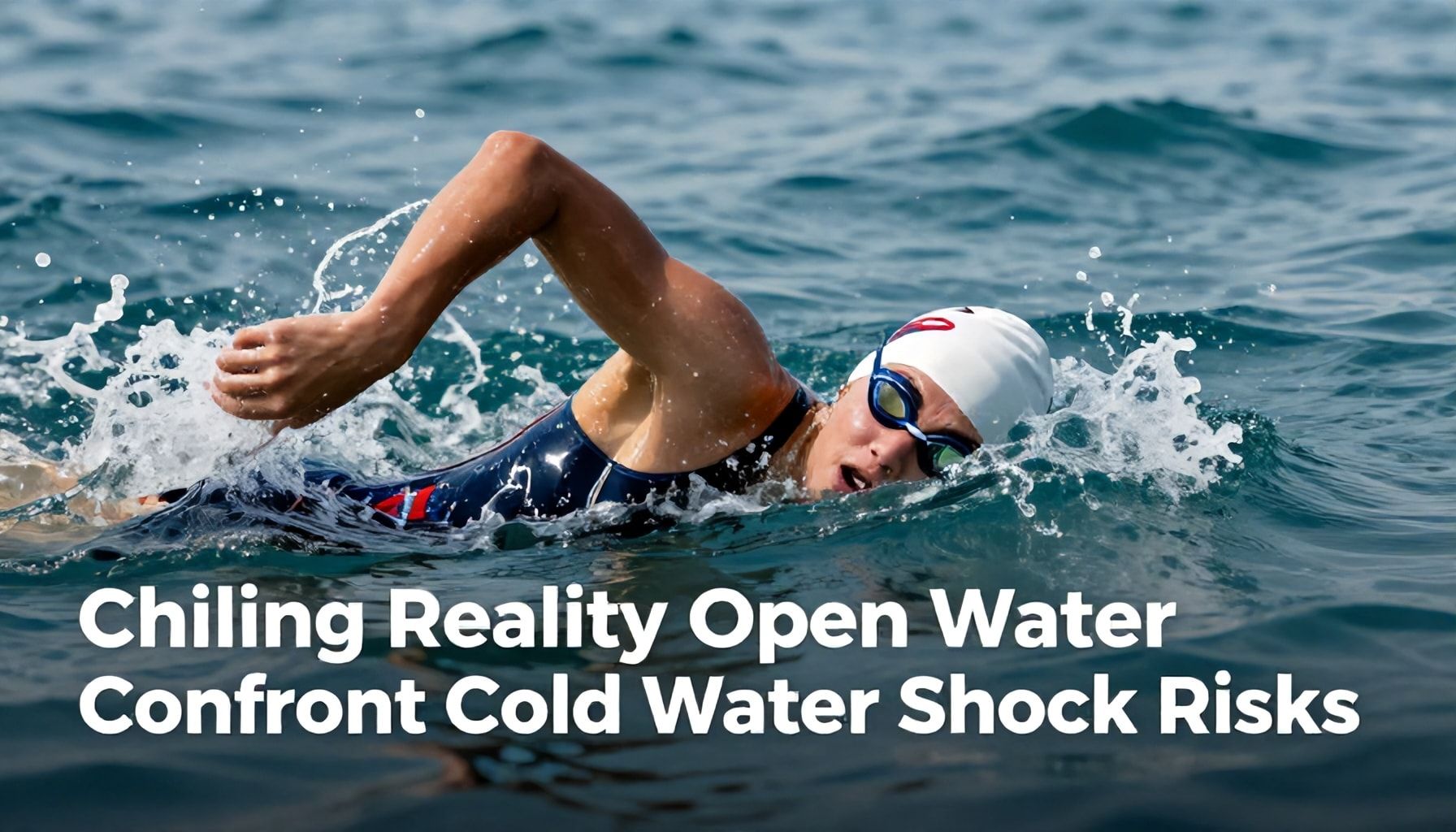
Open water swimmers are facing heightened risks of cold water shock this summer, despite rising air temperatures. The phenomenon occurs when swimmers enter water below 15°C, triggering an involuntary gasp reflex that can lead to panic and drowning.
The Royal Life Saving Society UK reports a 30% increase in open water swimming incidents over the past year. Many swimmers underestimate the risks, assuming warmer air temperatures mean safer water conditions.
Cold water shock can cause immediate physiological reactions, including hyperventilation and increased heart rate. These responses can be fatal, especially for inexperienced swimmers. The Maritime and Coastguard Agency (MCA) warns that even strong swimmers can succumb within minutes.
“People think they can handle cold water because they’re fit or experienced, but cold water shock doesn’t discriminate,” said an MCA spokesperson. The agency advises swimmers to enter water gradually and wear appropriate wetsuits.
Incidents have been reported across the UK, with popular swimming spots like the Serpentine in London and Whitstable in Kent seeing increased activity. Lifeguards and local authorities are urging swimmers to exercise caution and be aware of the risks.
The RNLI has also issued warnings, highlighting the importance of never swimming alone and understanding local tides and currents. Despite these warnings, the popularity of open water swimming continues to rise, driven by social media trends and wellness movements.
Experts emphasise the need for proper training and preparation before entering cold water. The British Long Distance Swimming Association offers guidance and safety courses for aspiring open water swimmers.
Summer Dangers: Cold Water Shock Threatens Open Water Enthusiasts
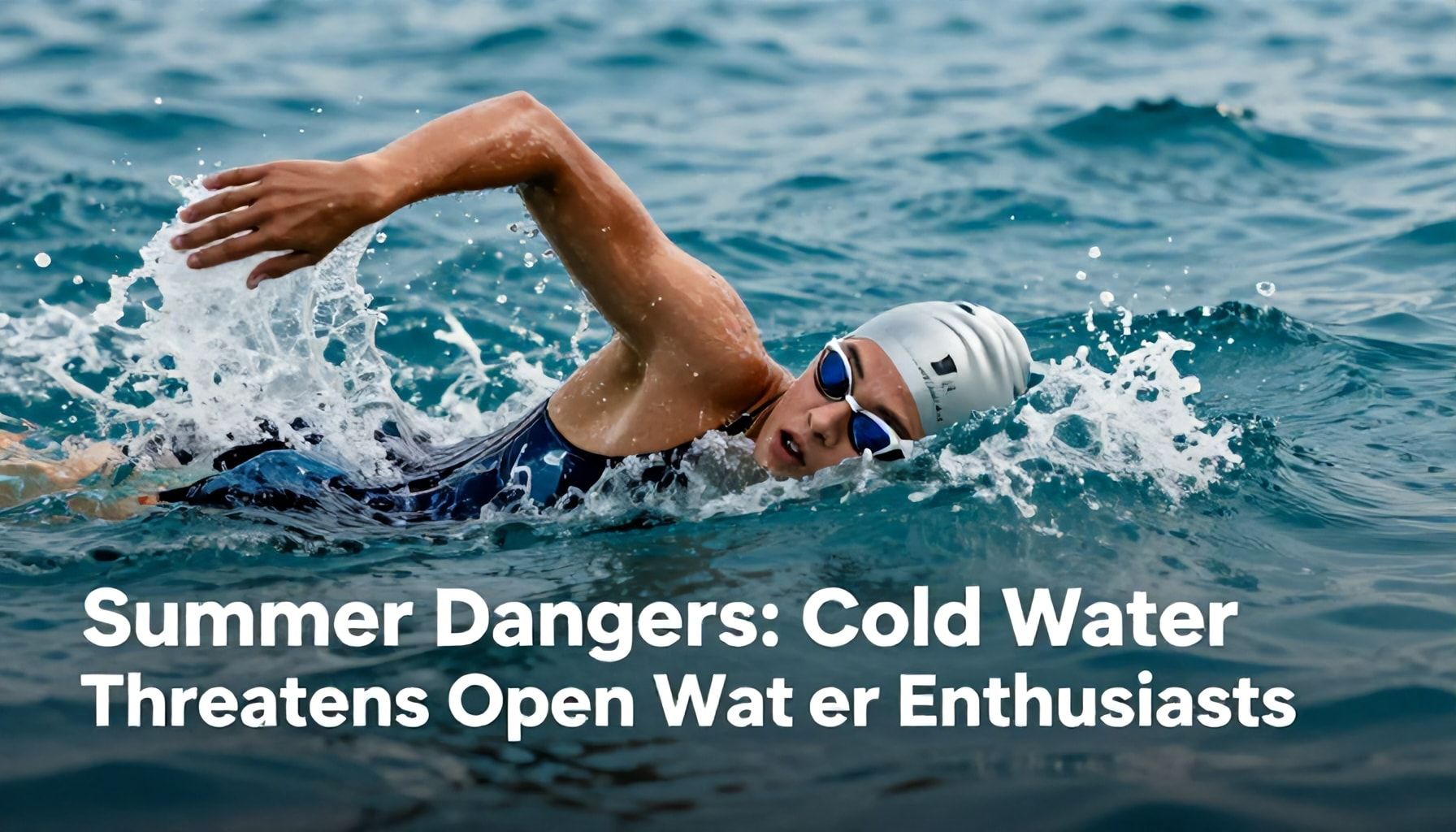
Open water swimmers are facing significant risks this summer as cold water shock claims lives. The Royal Life Saving Society UK reports 40 deaths from cold water immersion in 2023. Water temperatures remain dangerously low, even in peak summer months.
Cold water shock triggers an involuntary gasp reflex, causing panic and potential drowning. The body’s initial response to cold water can lead to hyperventilation and disorientation. Dr. Mike Tipton, a leading expert in environmental physiology, warns that even strong swimmers can succumb within minutes.
The UK’s rivers and lakes average temperatures between 12°C and 15°C during summer. These temperatures are low enough to induce cold water shock, according to the National Water Safety Forum. Swimmers often underestimate the risks, assuming warmer weather makes waters safer.
Incidents have surged as open water swimming gains popularity. The Outdoor Swimming Society reports a 25% increase in membership over the past year. Many new swimmers lack awareness of cold water dangers.
Emergency services urge caution and preparation. The RNLI advises acclimatising to cold water gradually and never swimming alone. Cold water shock remains a silent threat, demanding respect from all water enthusiasts.
Open Water Swimming: The Hidden Peril of Cold Water Shock
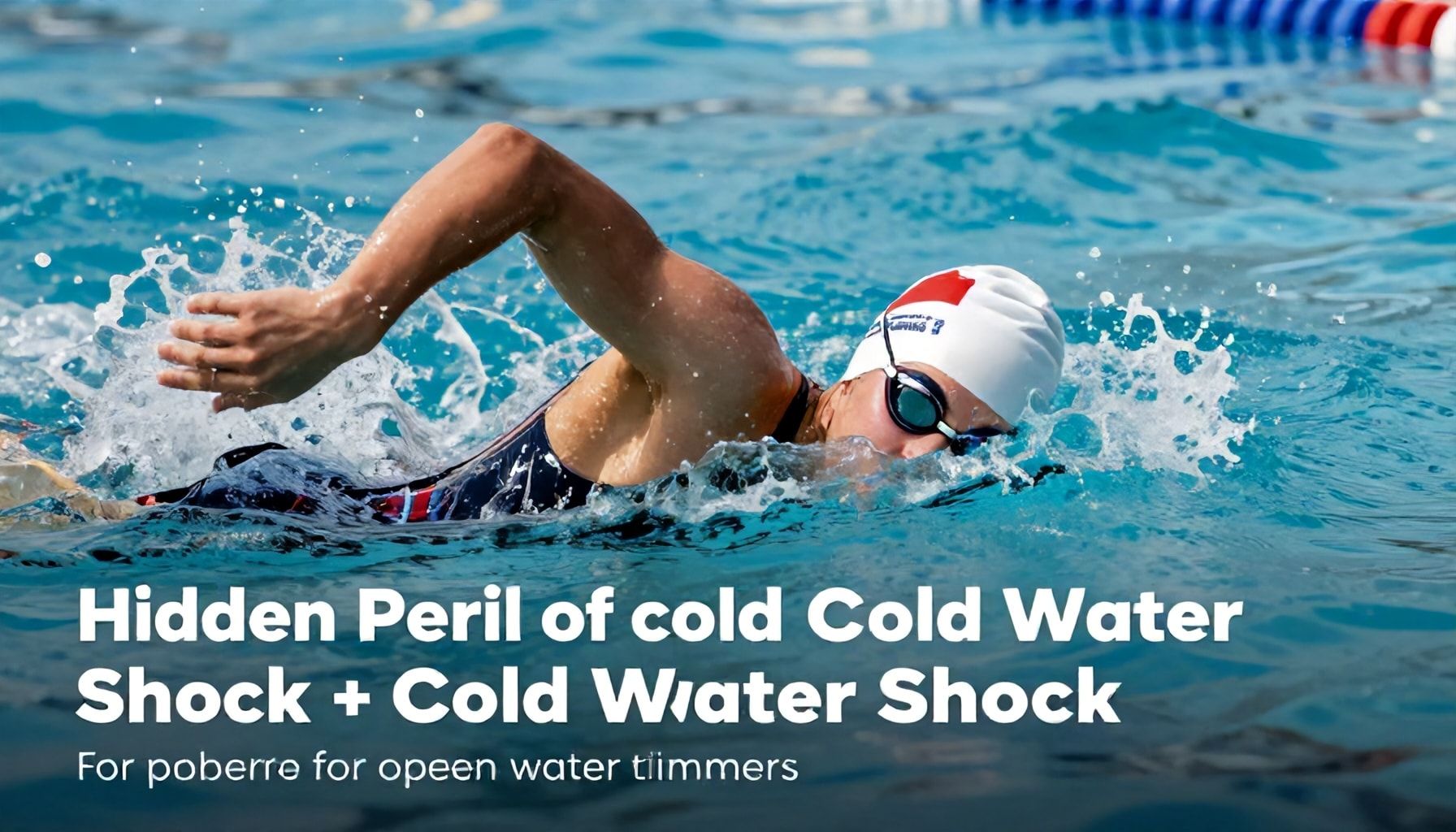
Open water swimmers are facing a hidden peril this summer: cold water shock. Even as temperatures rise on land, water temperatures remain dangerously cold, posing significant risks to swimmers.
Cold water shock occurs when a swimmer enters water below 15°C. The body’s initial response is an involuntary gasp reflex, which can lead to panic and disorientation. This reaction can be fatal, especially for inexperienced swimmers.
According to the Royal Life Saving Society UK, cold water shock contributes to a significant number of drowning incidents annually. In 2022, the society reported 250 accidental drownings in the UK, with cold water shock being a factor in many cases.
Dr. Mike Tipton, a leading expert in environmental physiology, warns that cold water shock can affect even strong swimmers. “The initial immersion in cold water causes an uncontrollable gasp, which can lead to inhalation of water and drowning,” he said in an interview with BBC News.
Swimmers are advised to acclimatise gradually to cold water. The National Water Safety Forum recommends entering the water slowly and avoiding sudden immersion. Additionally, wearing a wetsuit can help mitigate the effects of cold water shock.
Despite these precautions, the risk remains. The RNLI has issued warnings about the dangers of open water swimming, urging swimmers to be aware of the risks. “Cold water shock is a real and present danger,” said RNLI Water Safety Lead, Gareth Morrison.
As open water swimming gains popularity, awareness of cold water shock is crucial. Swimmers must understand the risks and take necessary precautions to ensure their safety.
Cold Water Shock: A Growing Concern for Summer Swimmers
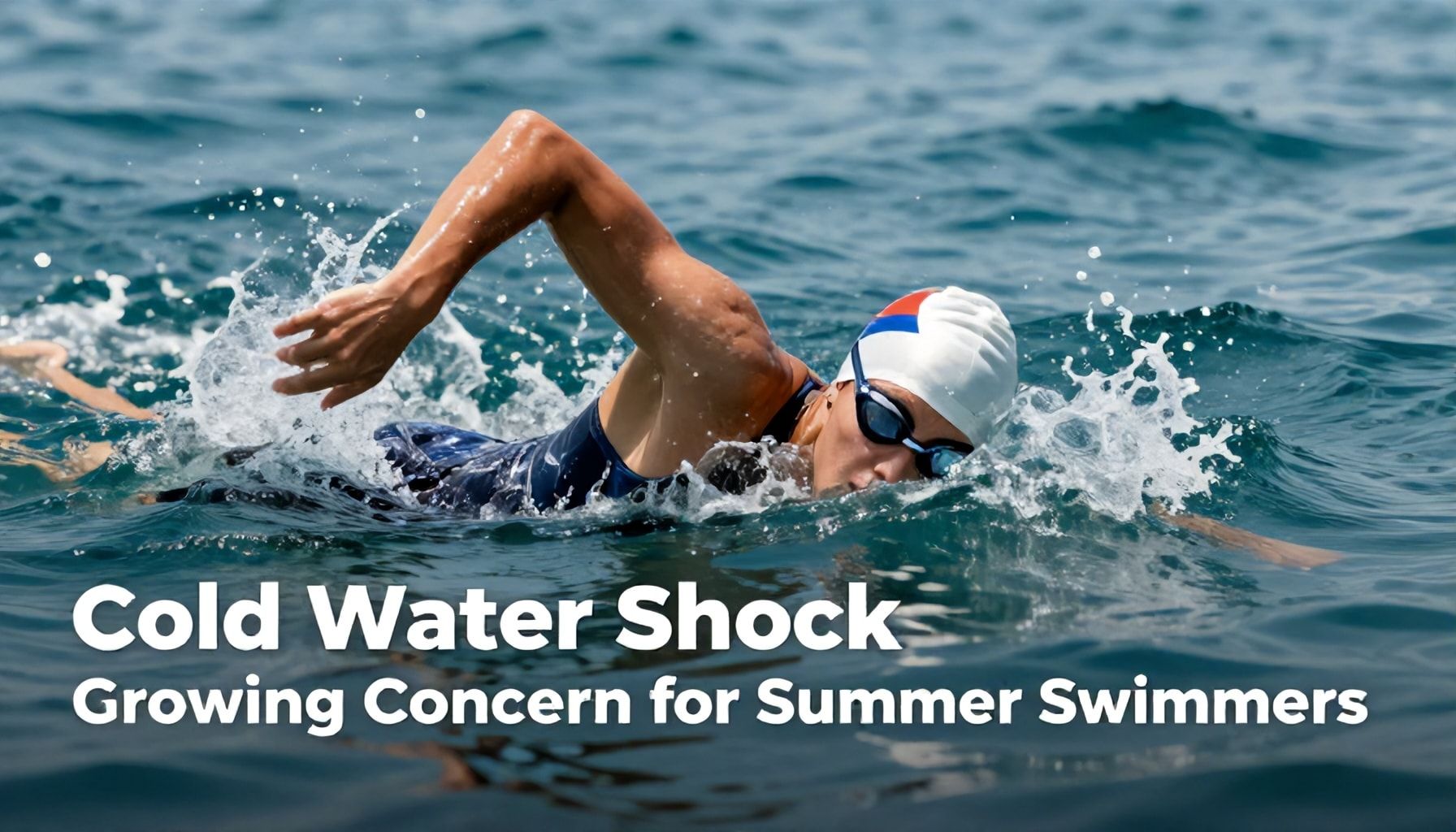
Open water swimmers are facing increased risks of cold water shock this summer, according to experts. The phenomenon occurs when a person enters water below 15°C, causing an involuntary gasp reflex that can lead to drowning. Despite warmer air temperatures, water temperatures remain dangerously cold in many regions.
The Royal National Lifeboat Institution (RNLI) reports a rise in incidents involving cold water shock. In 2022, they responded to 4,500 water-based incidents, with cold water shock being a factor in many. The charity warns that even strong swimmers can be affected, as the initial shock can incapacitate anyone.
Dr. Mike Tipton, a leading expert in environmental physiology, explains the body’s response. “Cold water shock causes an immediate gasp reflex, which can lead to water inhalation and drowning,” he says. The shock can also cause panic, hyperventilation, and cardiac arrest.
Swimmers are advised to acclimatise gradually to cold water. The RNLI recommends entering water slowly, avoiding sudden immersion. They also advise against swimming alone and ensuring someone is aware of your location.
Local authorities are taking steps to mitigate the risks. Lifeguards are being deployed to popular swimming spots, and warning signs are being erected. However, experts stress that personal responsibility is crucial in preventing cold water shock incidents.
The RNLI’s head of water safety, Steve Instance, urges caution. “It’s vital that people understand the risks and take necessary precautions,” he states. With summer in full swing, the message is clear: cold water shock is a serious threat that should not be underestimated.
Summer's Unseen Hazard: Cold Water Shock Risks for Open Water Swimmers
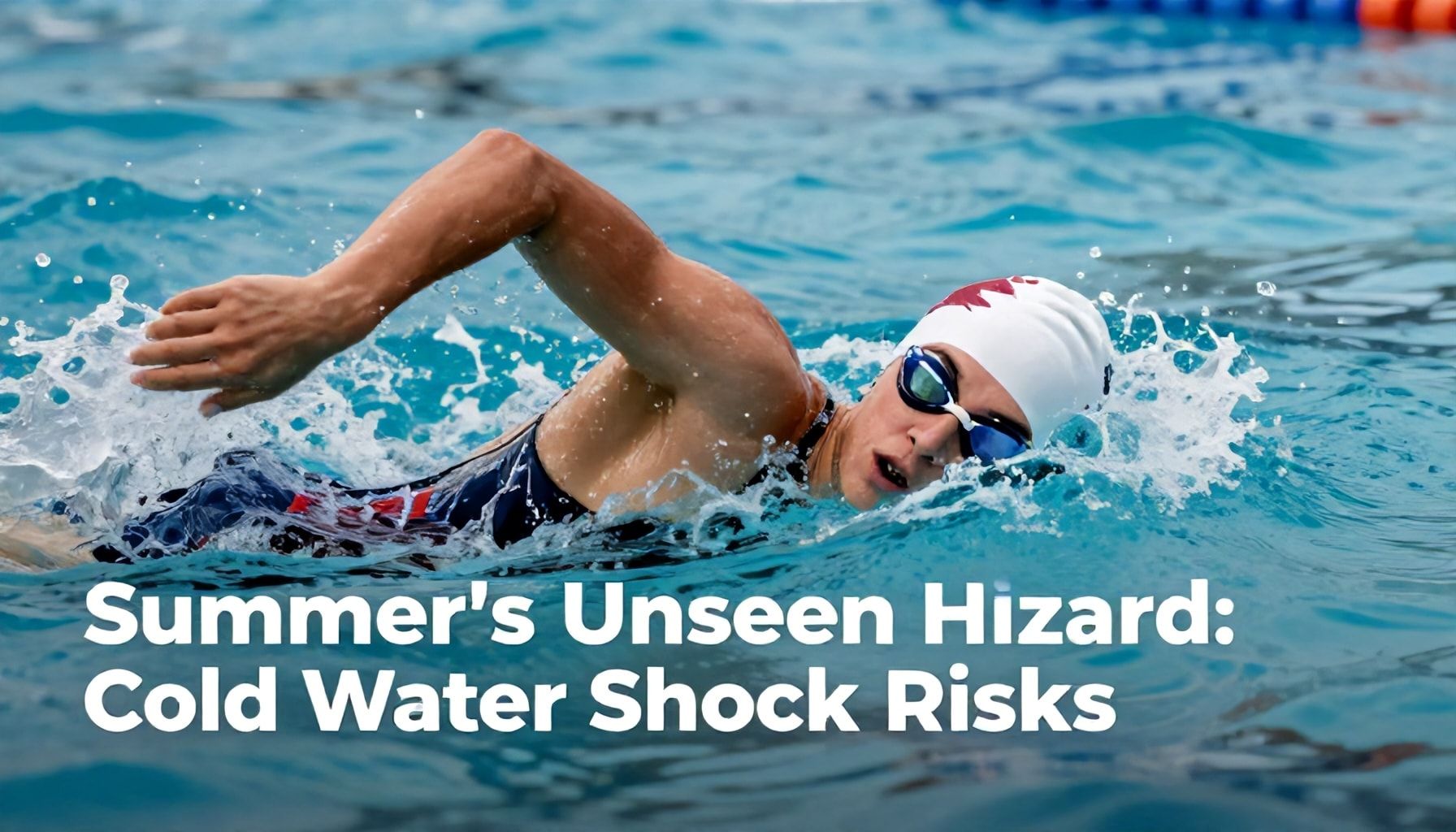
Open water swimmers are facing an unseen hazard this summer: cold water shock. Even in warm weather, UK waters remain dangerously cold, with temperatures rarely exceeding 15°C. This poses significant risks to swimmers unprepared for the sudden physiological response to cold water.
Cold water shock can cause an immediate gasp reflex, hyperventilation, and panic. The RNLI warns that this response can lead to disorientation and increased risk of drowning. Within the first minute of immersion, swimmers may experience these life-threatening reactions.
The Maritime and Coastguard Agency reports that 39 people died in UK waters in 2022. Many of these incidents involved cold water shock, particularly among open water swimmers. The agency emphasises the importance of understanding and respecting the water’s temperature.
Experts recommend acclimatising gradually to cold water to reduce the risk of shock. The Royal Life Saving Society advises swimmers to enter water slowly and avoid sudden immersion. They also suggest wearing appropriate clothing to help regulate body temperature.
Despite these risks, open water swimming continues to grow in popularity. The Outdoor Swimming Society reports a 30% increase in membership since 2020. However, the society stresses the importance of safety awareness among its members.
Swimmers are urged to check water temperatures before entering and to be aware of their limits. The RNLI provides safety guidelines and advice for open water swimmers on their website. Understanding and preparing for cold water shock can save lives this summer.
As summer approaches, open water swimmers in the UK are urged to be aware of the persistent risks of cold water shock. Even as air temperatures rise, water temperatures remain dangerously cold, particularly in northern regions. The Royal National Lifeboat Institution (RNLI) advises swimmers to acclimatise gradually and never swim alone. With more people taking up open water swimming post-pandemic, safety awareness remains crucial. The RNLI continues to provide safety guidelines and education to prevent accidents. As the season progresses, vigilance and proper preparation will be key to enjoying the sport safely.