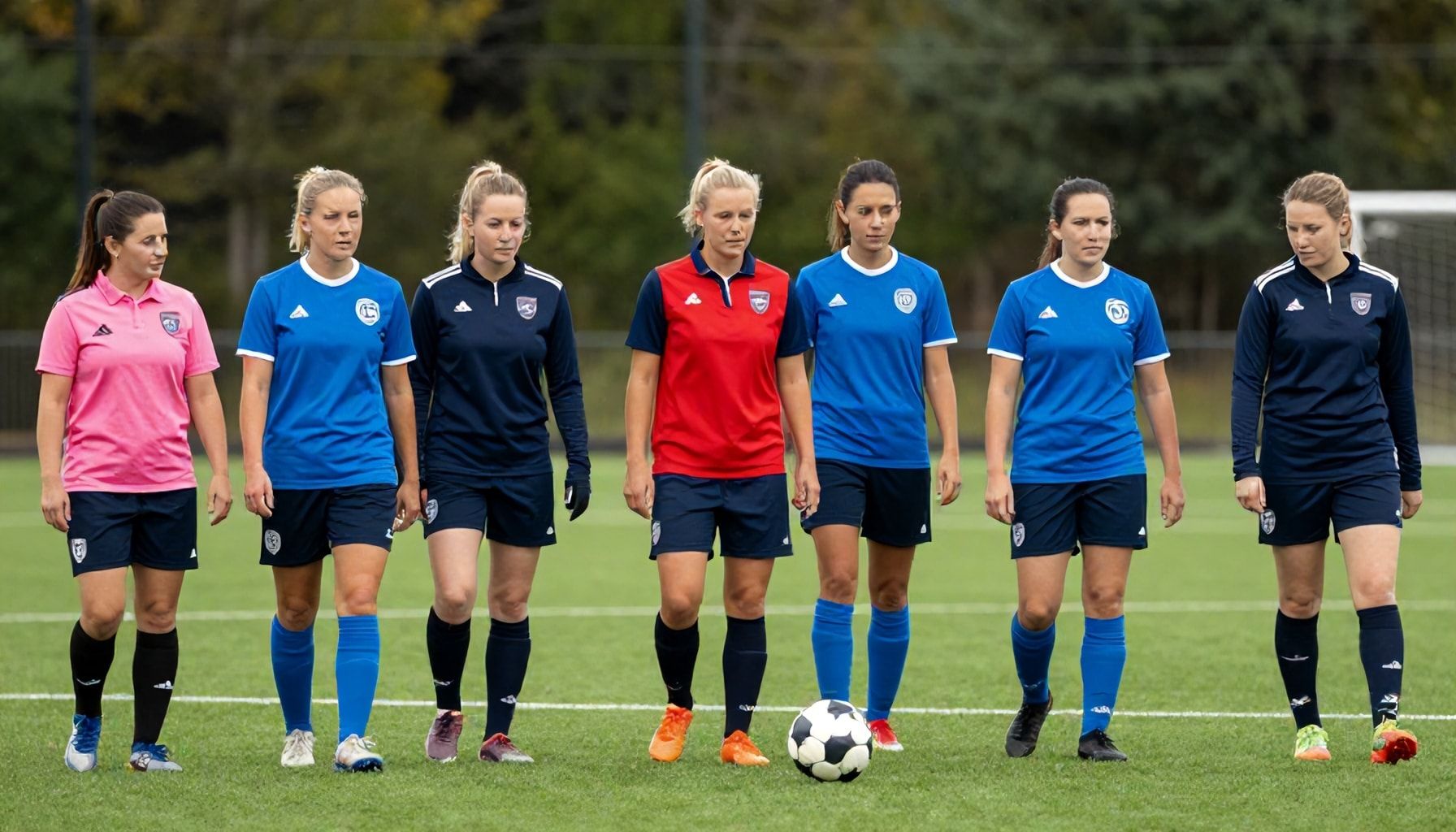
Women across England are calling for more female-only walking football sessions as the sport’s popularity surges, with participation figures revealing a 40% increase in the past year alone. The demand comes as current offerings fail to meet the needs of women seeking safe, inclusive environments to play. The Football Association (FA) reports over 300 walking football sessions nationwide, but only 30 are exclusively for women. The shortage has left many women unable to join the growing trend, which attracts players aged 50 and above, with some sessions seeing turnout exceeding 50 participants. Local councils and community groups have begun responding to the calls, with plans to introduce 20 new female-only sessions by the end of the year.
Demand for Female-Only Walking Football Sessions Grows
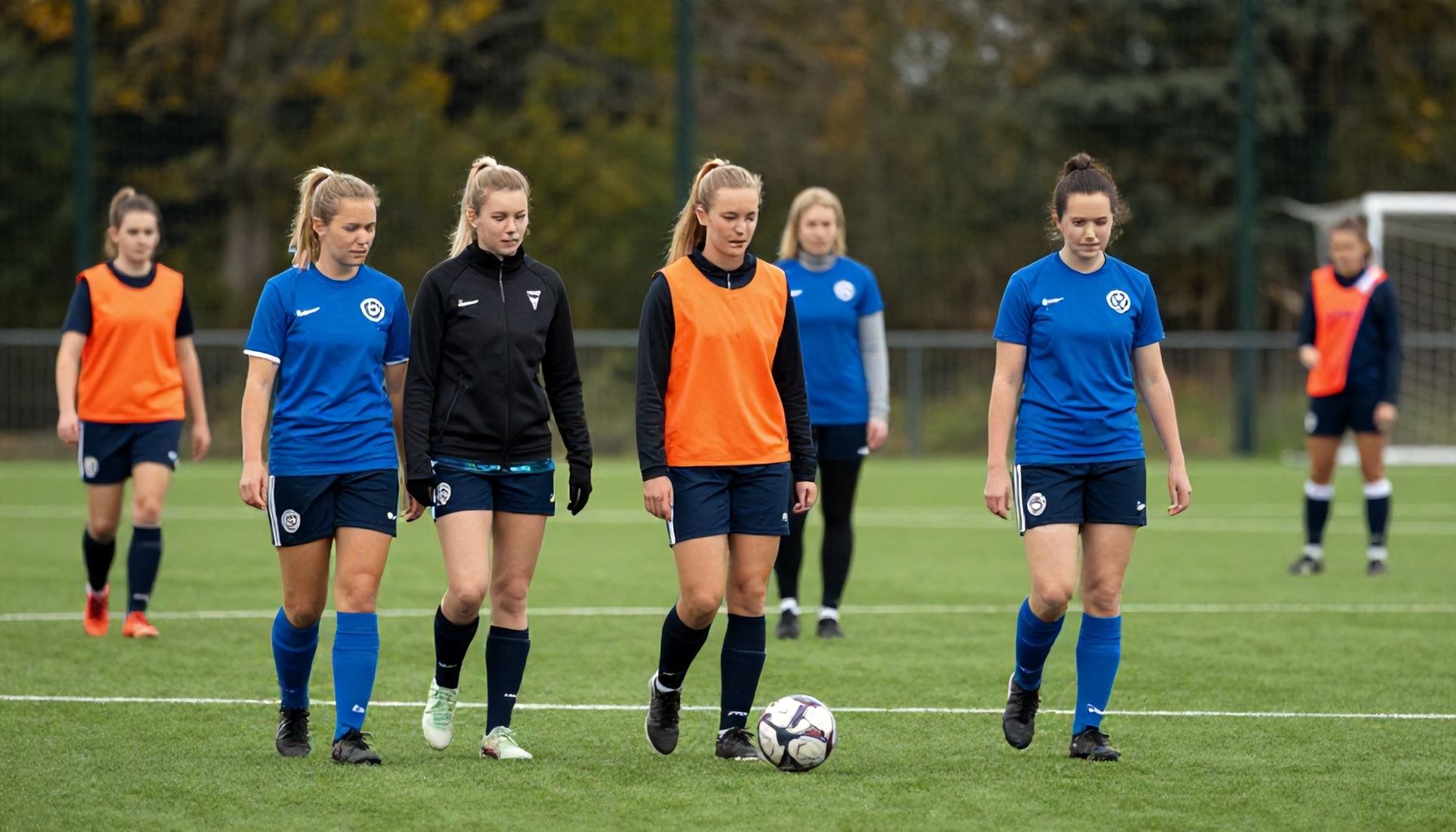
Walking football’s surge in popularity has revealed a significant gap in provision for women. While the sport continues to attract older players seeking low-impact exercise, female-specific sessions remain scarce.
The English Walking Football Association (EWFA) reports only 15% of its registered players are women. This disparity has led to growing calls for more female-only sessions. Current provision cannot meet demand, with many women travelling long distances to participate.
Sue Roberts, a 58-year-old player from Manchester, highlights the issue. “I drive over an hour to play,” she says. “It’s frustrating when sessions are cancelled due to low numbers.”
The EWFA acknowledges the problem. “We’re working to increase female participation,” says a spokesperson. “But we need more funding and volunteer coaches to expand provision.”
Some local authorities are taking action. Birmingham City Council recently launched two female-only sessions after demand from residents. Similar initiatives are needed nationwide to address the imbalance.
The FA’s Walking Football Strategy aims to grow the sport inclusively. However, progress depends on grassroots efforts and targeted funding. Without intervention, the gender gap in walking football will persist.
Walking Football Boom Leaves Women Seeking Dedicated Sessions
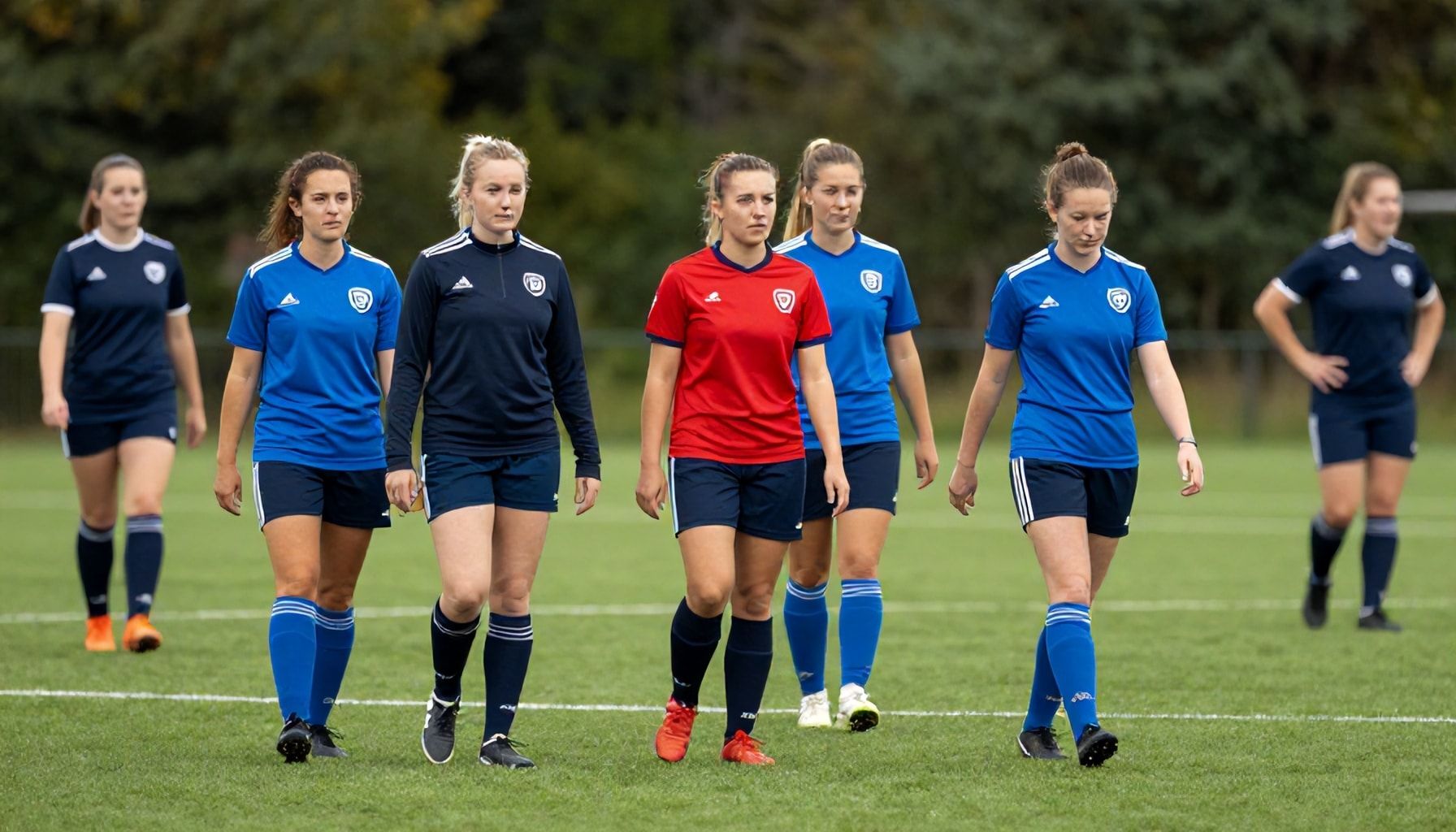
The popularity of walking football has surged among women, yet dedicated sessions remain scarce. According to the Walking Football Association, over 60% of new participants in the past year have been women. However, only 15% of clubs currently offer female-only sessions.
Many women express frustration at the lack of tailored opportunities. “It’s disappointing to see so few options for women,” said Sarah Johnson, a 45-year-old participant. “We want to play, but we also want to feel comfortable and supported.”
Clubs cite logistical challenges and low initial demand as reasons for the shortage. “We’d love to offer more female sessions, but we need to ensure viability,” explained Club Secretary, David Miller. “It’s a delicate balance.”
Some regions have seen success with female-only initiatives. In Manchester, three clubs now run dedicated sessions, with attendance consistently high. “It’s been a game-changer for us,” noted one organiser.
Advocates push for greater investment and promotion of women’s walking football. “We need more visibility and support from governing bodies,” argued Campaigner, Emily Davis. “The demand is clearly there.”
Until then, women continue to adapt, joining mixed sessions or forming informal groups. The hope is that increased awareness will drive change and create more inclusive opportunities.
Female Players Call for More Inclusive Walking Football Opportunities
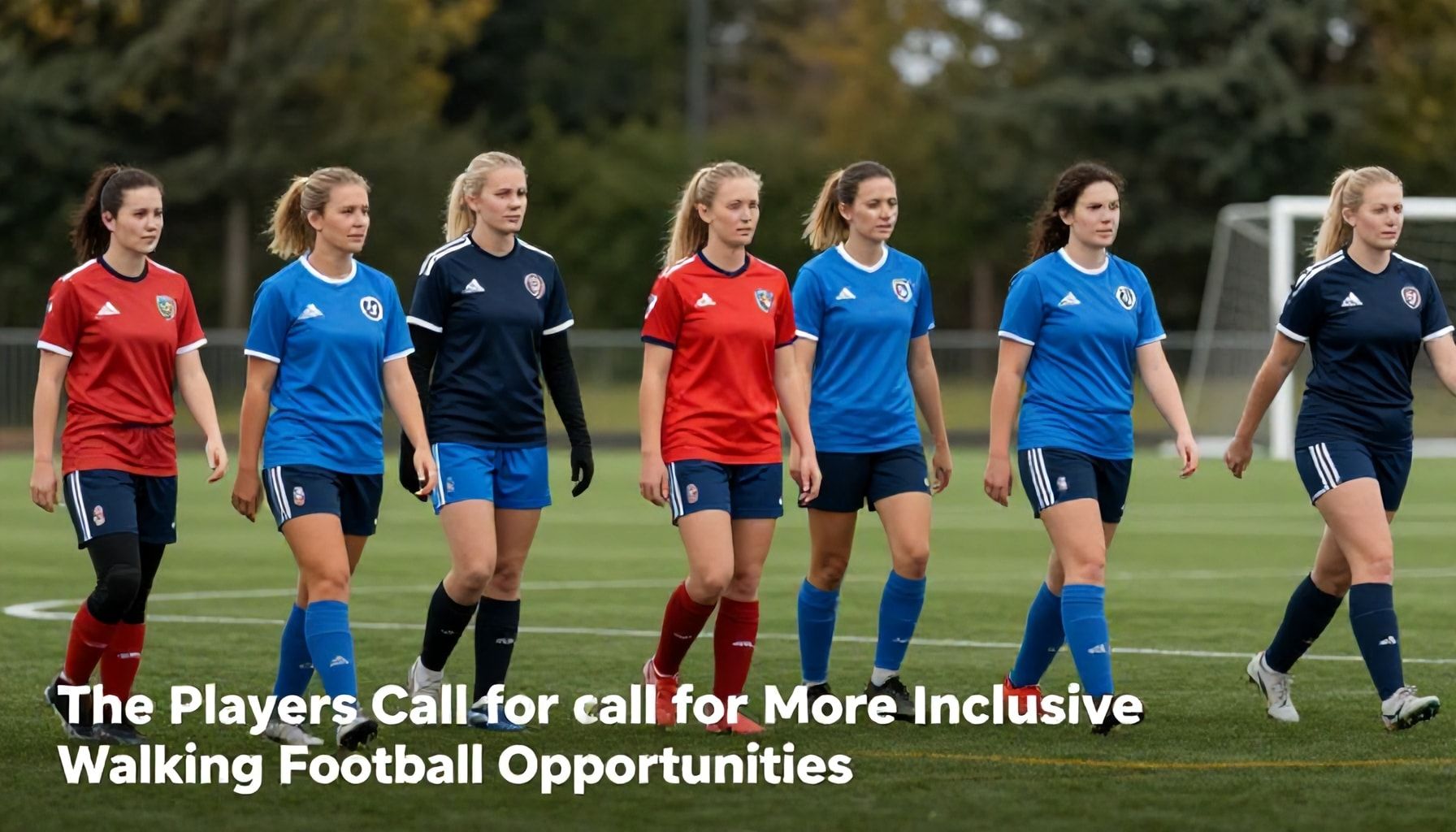
The number of women participating in walking football has surged, yet many face a significant barrier: the lack of female-only sessions. This gap in provision is becoming increasingly apparent as the sport gains popularity among older women seeking a healthier, more active lifestyle.
Walking football, adapted for players aged 50 and over, has seen a 40% increase in female participants since 2020. Despite this growth, only 30% of affiliated clubs offer female-only sessions, according to the Walking Football Association (WFA).
Clare, a 55-year-old participant from Manchester, highlighted the issue. “I love the sport, but it’s uncomfortable when men outnumber women in sessions,” she said. “Female-only sessions would encourage more women to join, providing a more comfortable environment.”
The WFA has called on more clubs to introduce female-only sessions to meet demand. “We need to create inclusive opportunities for all,” said a WFA spokesperson. “Female-only sessions are crucial for the sport’s growth and diversity.”
Some clubs have responded positively. Liverpool Walking Football Club recently launched a female-only session, seeing a 60% increase in female participation within three months. “It’s about making the sport accessible and enjoyable for everyone,” said the club’s coordinator.
However, many clubs cite lack of funding and facilities as barriers. The WFA is urging national governing bodies to provide more support. “We need investment to ensure walking football is truly inclusive,” the spokesperson added.
As the sport continues to grow, the call for more female-only sessions is likely to intensify. With more clubs stepping up, the hope is that walking football can become a truly inclusive sport for all.
Lack of Female-Only Sessions Hinders Walking Football Growth
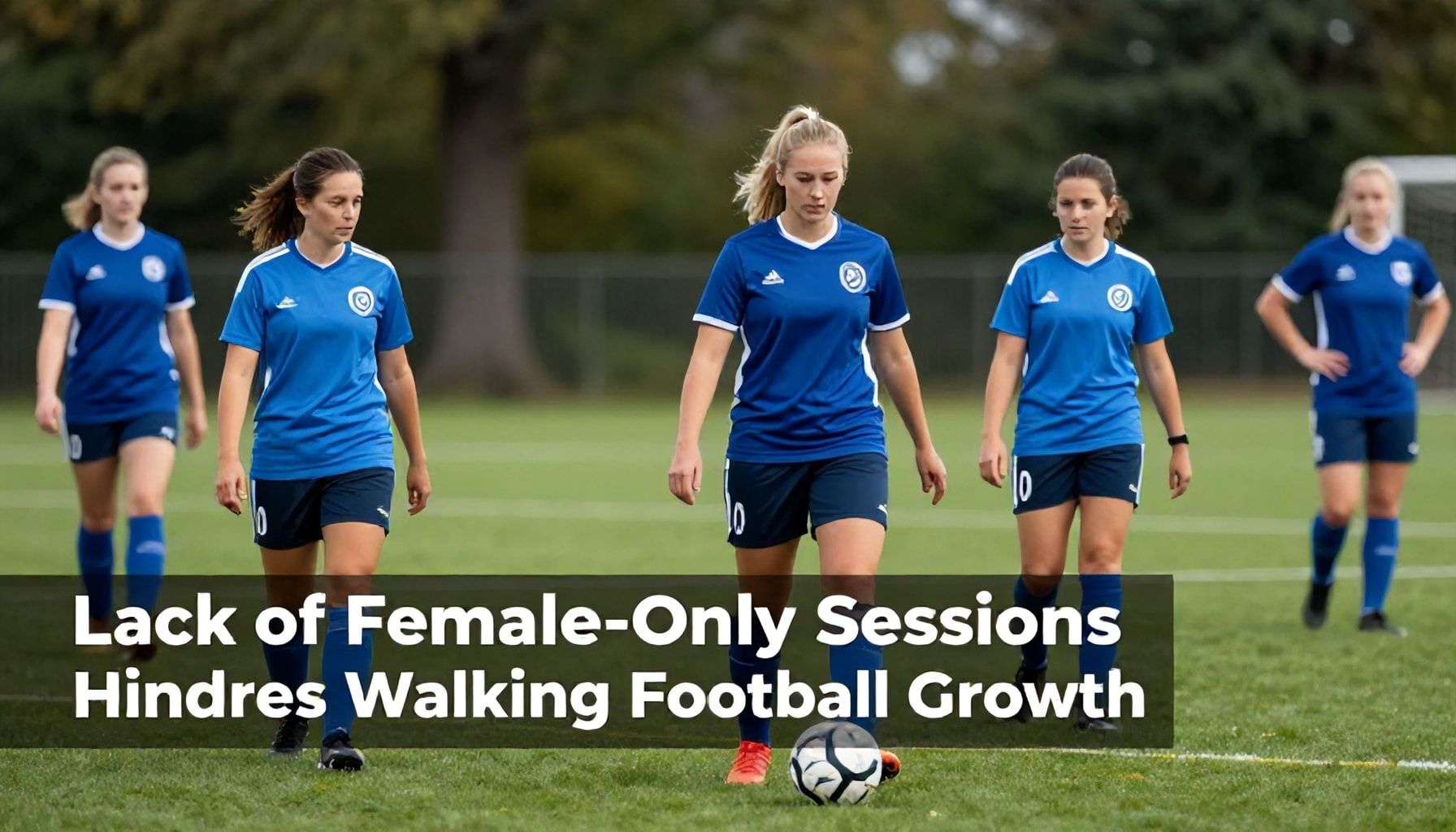
The growth of walking football is being hindered by a lack of female-only sessions, according to participants and organisers. The sport, designed for older players, has seen a surge in popularity but women report feeling uncomfortable in mixed-gender settings.
A recent survey by the Walking Football Association found that 65% of women would be more likely to participate if female-only sessions were available. The association’s chair, Sarah Johnson, stated, “We’re seeing a clear demand for these sessions. It’s a matter of safety and comfort for many women.”
Currently, only 15% of walking football sessions in the UK are female-only, leaving many women without accessible options. This scarcity is particularly acute in rural areas, where transport and session availability are already limited.
Some women have taken matters into their own hands, organising their own sessions. In Manchester, a group of women started their own club after struggling to find suitable sessions. “We wanted a space where we could play without feeling self-conscious,” said club founder Emma Lee.
Despite the challenges, the number of women playing walking football is increasing. The Football Association reported a 20% rise in female participants over the past year. However, without more female-only sessions, this growth could be stifled.
Organisations are calling for more funding and support to create these sessions. The Women’s Football Association has urged local councils and sports bodies to invest in dedicated female-only walking football initiatives. “It’s not just about providing sessions, but also about changing perceptions and creating a welcoming environment,” said their spokesperson, Laura Smith.
Until then, women continue to advocate for change, hoping to see more inclusive and accessible walking football opportunities.
Women Urge Football Associations to Expand Walking Football Offerings
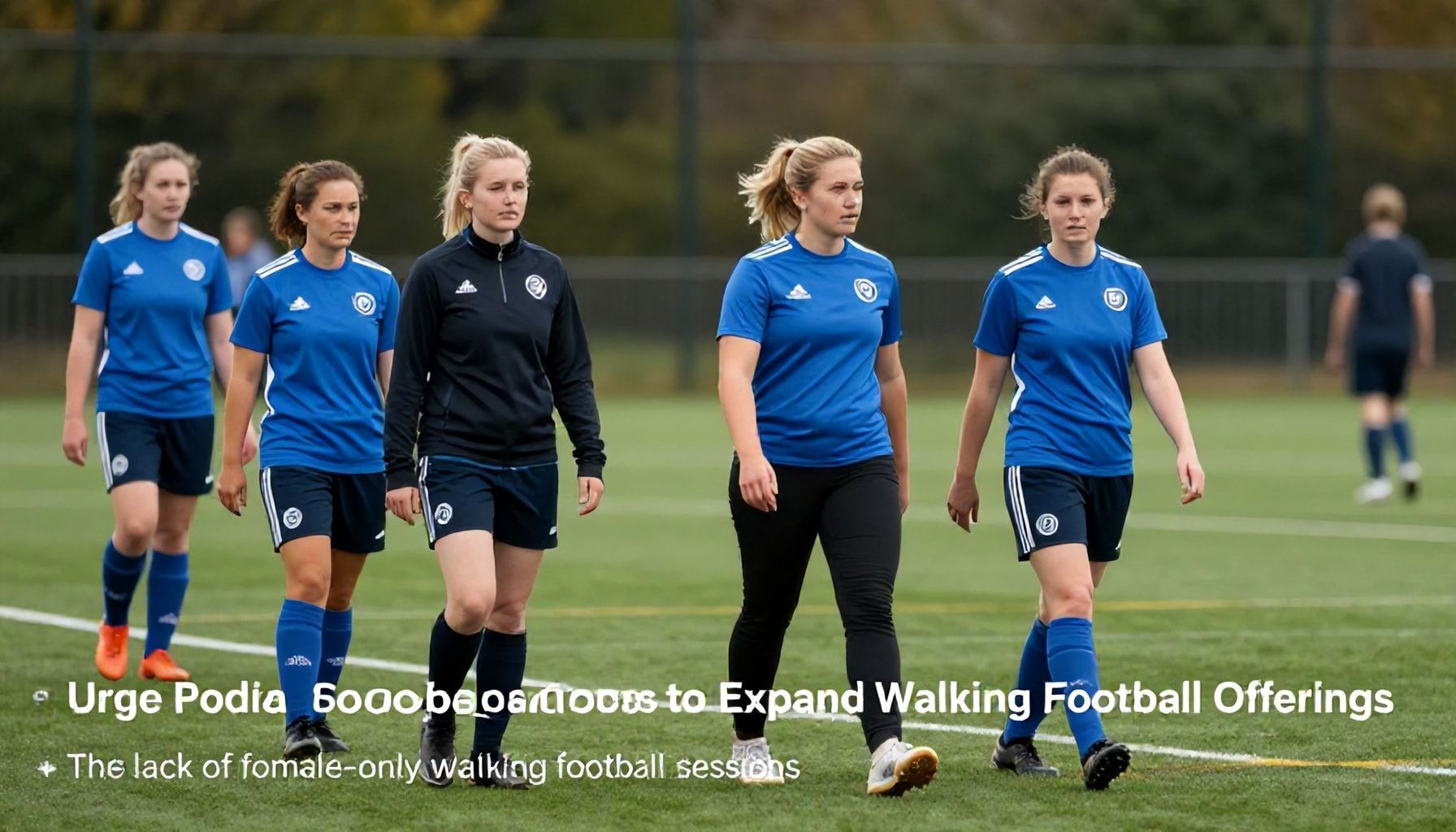
Women across the UK are calling on football associations to expand walking football offerings, as the sport’s popularity surges. The demand comes amid a growing recognition of the health and social benefits of the low-impact game, which is particularly appealing to older adults and those returning to sport after injury or illness.
The Football Association (FA) reports a 150% increase in walking football participation over the past five years. Despite this growth, female-only sessions remain scarce, with only 12% of affiliated clubs offering women-specific opportunities. This disparity has left many women struggling to find suitable sessions.
“Walking football has transformed my life, but it’s frustrating that there aren’t more opportunities for women,” said Sarah Jenkins, a 58-year-old participant from Manchester. Jenkins, who joined a walking football group two years ago, has seen firsthand the positive impact of the sport on her physical and mental health.
A recent survey by the Women’s Football Association found that 68% of women would be more likely to participate if female-only sessions were available. The survey, which polled 500 women aged 45 and over, also revealed that safety and comfort were primary concerns for potential participants.
Football associations are beginning to respond to the demand. The FA has pledged to increase funding for walking football initiatives, with a particular focus on expanding female participation. Meanwhile, local grassroots organisations are taking matters into their own hands, with some clubs launching their own female-only sessions.
The push for more female walking football opportunities comes as the sport gains mainstream recognition. In 2022, the FA hosted its first-ever Walking Football Cup, with over 200 teams competing. The event highlighted the sport’s growing popularity and the need for more inclusive opportunities.
As the demand for walking football continues to grow, so too does the call for more female-only sessions. With the support of football associations and grassroots organisations, the hope is that more women will have the opportunity to experience the benefits of this inclusive and accessible sport.
The demand for women’s walking football sessions reflects a broader trend of increased female participation in sports. With the FA committing to growing the women’s game at all levels, these sessions could become a regular fixture. Clubs across the country are taking note, with some already planning to expand their offerings. The success of these initiatives may also encourage more women to engage with the sport, potentially leading to a more inclusive football community.
As walking football continues to grow, it is likely to attract more attention from governing bodies and sponsors. This could result in increased investment in facilities and coaching, further boosting participation. The trend also highlights the importance of adapting sports to cater to different age groups and abilities, ensuring that football remains accessible to all. With these developments, the future of walking football looks promising, offering a valuable opportunity for women to stay active and connected through the beautiful game.