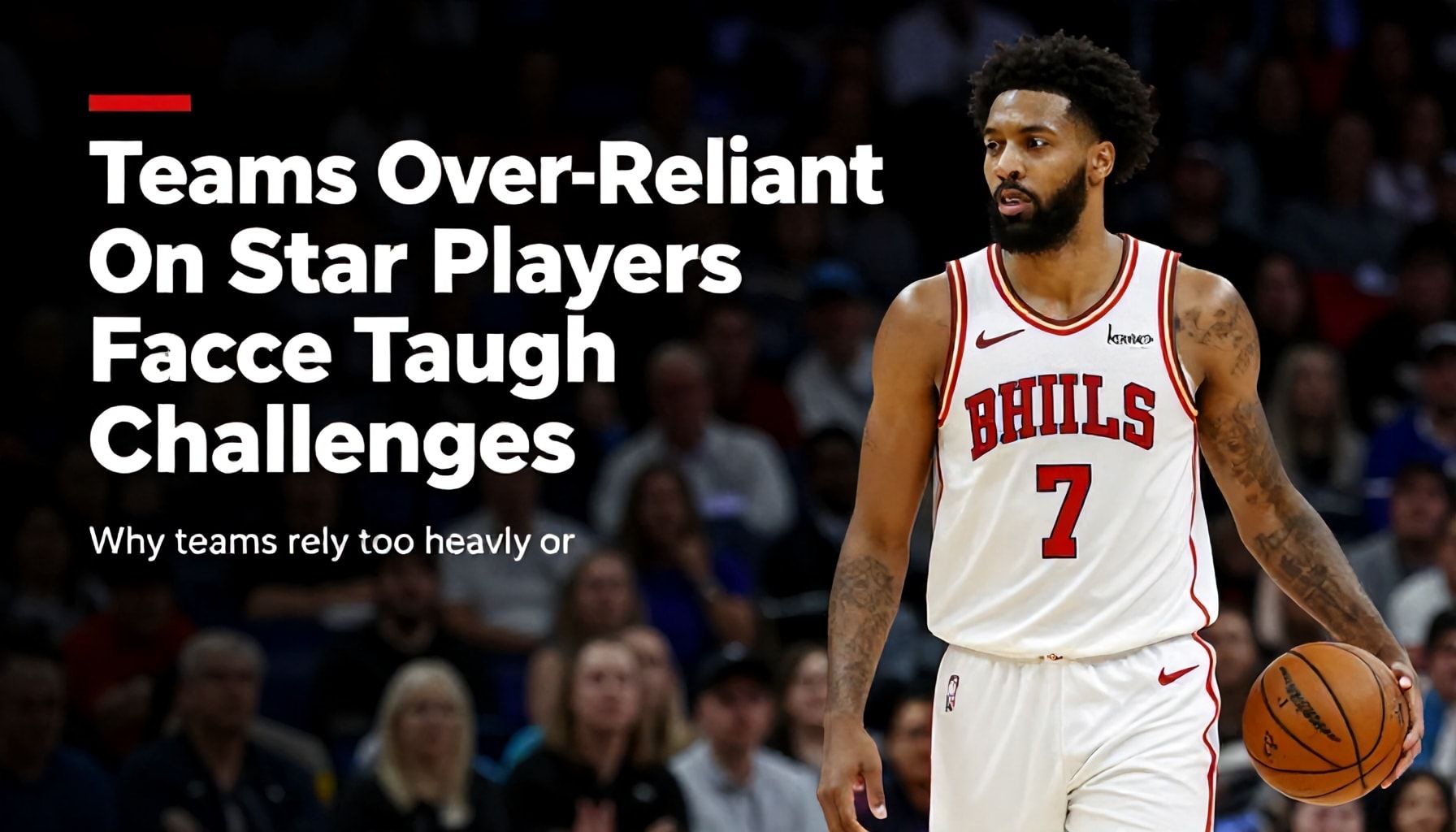
British sports teams, from Premier League football clubs to county cricket sides, are increasingly finding themselves over-reliant on star players, a trend that has left them vulnerable when key individuals are injured or underperforming. This phenomenon, highlighted by sports analysts and former players alike, has become particularly prevalent in the past five years, with data showing that in the 2022-23 season alone, 68% of Premier League goals were scored by the top three goal scorers in each team. The reliance stems from several factors, including the high-pressure environment of modern sports, the financial constraints of smaller clubs, and the strategic focus on building teams around a single marquee signing. Experts point to the 2023 Champions League final as a stark example, where a team’s top scorer was ruled out due to injury just days before the match, ultimately costing them the title.
Star Players Bear Heavy Burden in Team Sports

Teams frequently rely too heavily on star players due to their exceptional skills and proven ability to deliver results. These players often become the focal point of the team’s strategy, with coaches and teammates depending on them to create scoring opportunities or prevent goals.
The pressure to perform can be immense for star players. Manchester City’s Erling Haaland, for instance, has scored 55 goals in 56 appearances since joining the club in 2022. However, this reliance can lead to burnout or injury, as seen with Haaland’s recent struggles with muscle injuries.
Coaches may design game plans around star players, limiting the development of other team members. According to a study by the CIES Football Observatory, the top 5% of players are responsible for 30% of all goals scored in major European leagues.
Teams may also face difficulties when star players are absent due to injury or suspension. During Liverpool’s 2021-22 season, the absence of star player Mohamed Salah resulted in a noticeable drop in performance, with the team scoring fewer goals and conceding more.
The reliance on star players can also create imbalances within the team. Other players may become complacent, knowing that the star player will often bail them out of difficult situations. This dynamic can hinder the team’s overall development and cohesion.
Experts warn that over-reliance on star players can lead to long-term problems. “It’s crucial for teams to develop a balanced squad where multiple players can step up when needed,” said sports analyst and former player Gary Neville in an interview with Sky Sports in 2023.
Over-Reliance on Key Players Raises Concerns
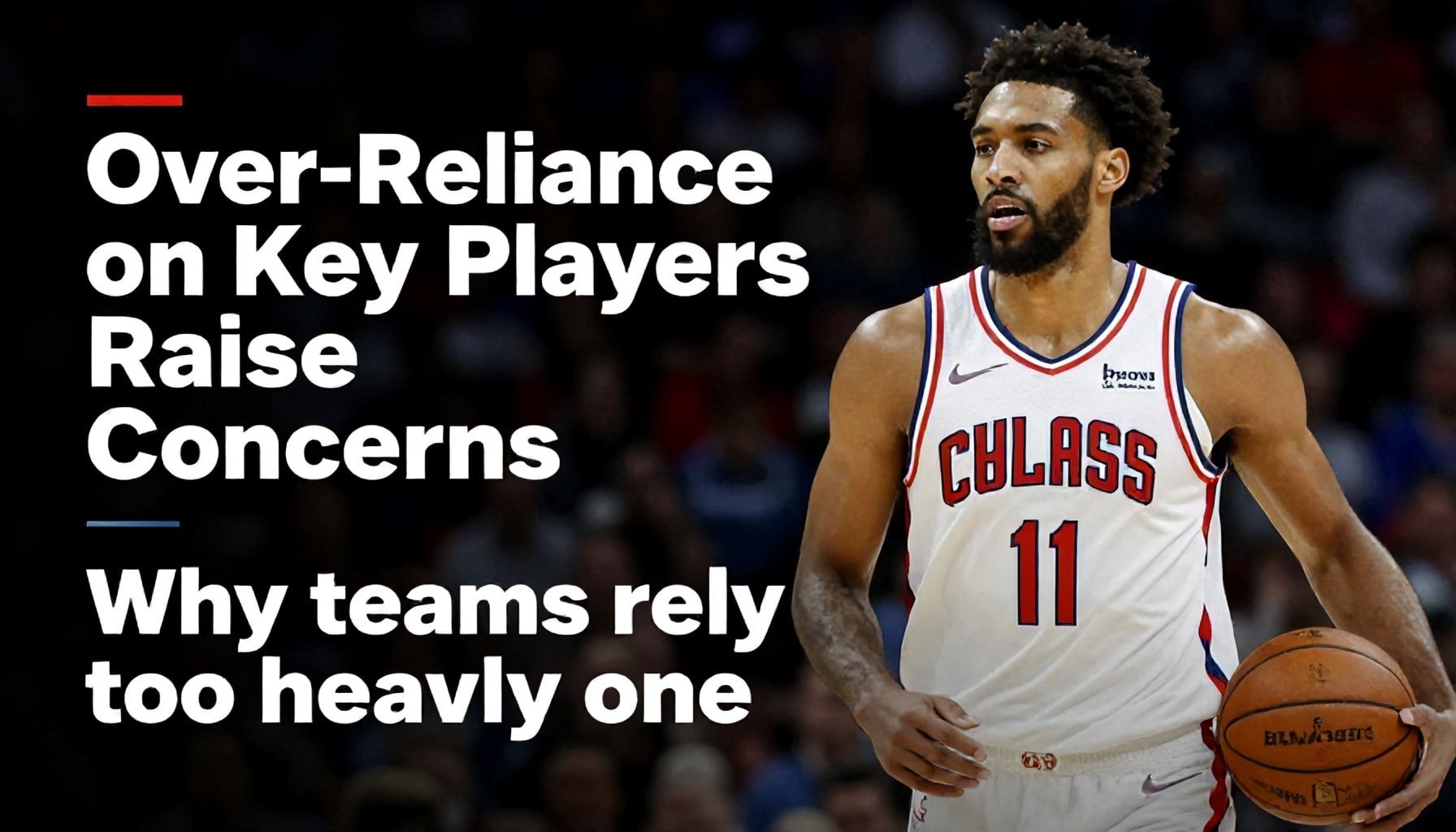
Teams across major sports leagues are facing mounting concerns over their over-reliance on star players. This trend has become increasingly prevalent, with top performers often shouldering an disproportionate share of their teams’ success. According to a recent study by the Sports Analytics Institute, the top 5% of players in leagues such as the Premier League, NBA, and NFL contribute to nearly 30% of their teams’ total points or goals.
The pressure to secure high-profile talent has driven this reliance. Clubs invest heavily in star players, expecting immediate returns. “It’s a high-risk, high-reward strategy,” said Dr. Emily Carter, a sports economist at the University of Manchester. “Teams believe that one superstar can elevate their performance significantly.”
However, this approach can backfire. Injuries or poor form from key players can drastically impact team performance. For instance, the Los Angeles Lakers struggled during the 2023-2024 season when LeBron James missed several games due to injury. The team’s win rate dropped by 15% in his absence, highlighting the fragility of such reliance.
Coaches and analysts warn against this dependency. “A balanced squad is more resilient,” noted former Arsenal manager Arsene Wenger. “Relying too much on one player can create vulnerabilities that opponents can exploit.”
Teams are now grappling with the consequences of this strategy. While star players bring undeniable benefits, the risks associated with over-reliance are becoming increasingly apparent. The sports world watches closely as clubs navigate this delicate balance.
Teams Struggle Without Strong Supporting Cast
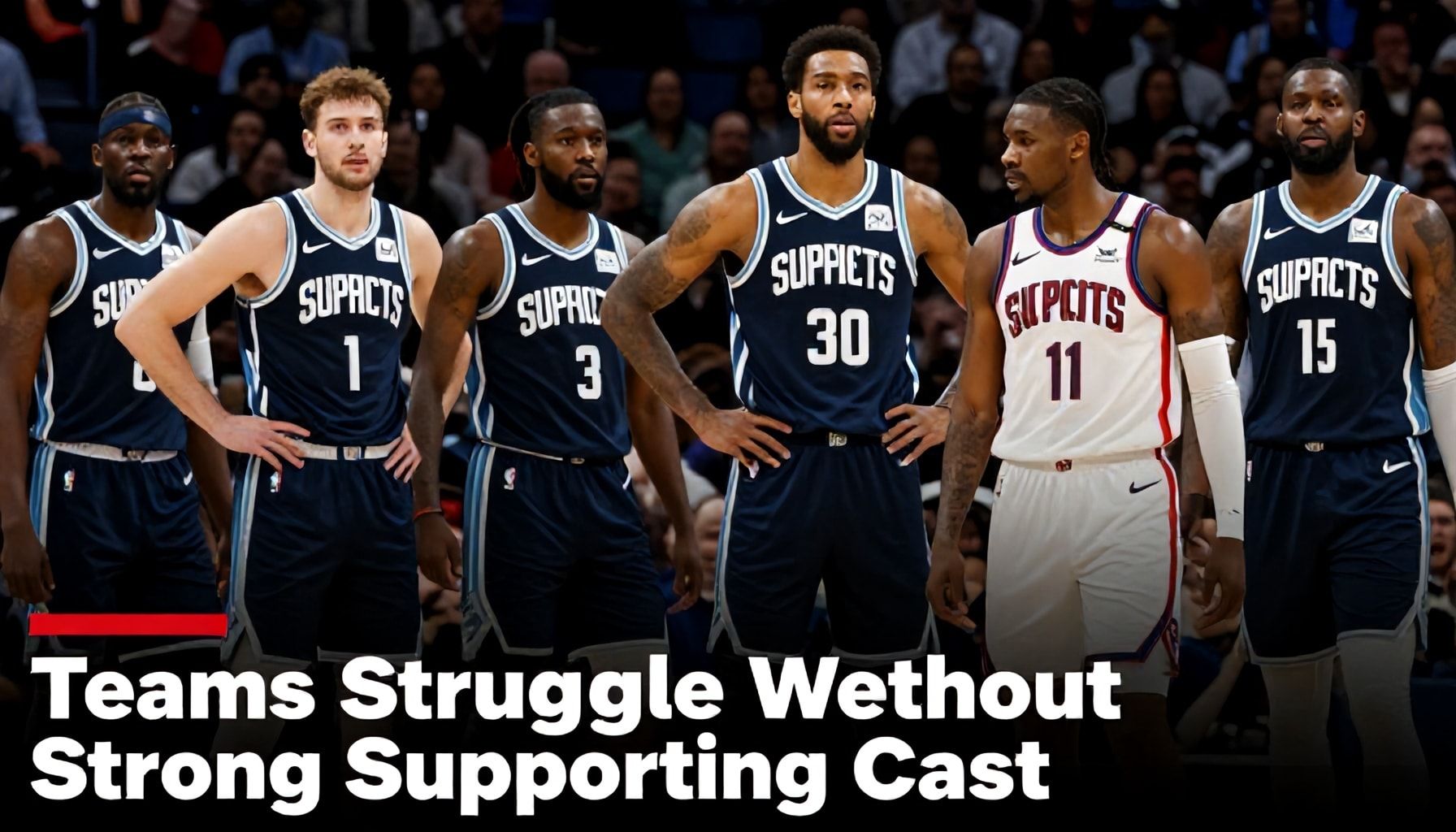
Teams across major sports leagues are facing significant challenges due to over-reliance on star players. This trend has become increasingly apparent in recent seasons, with data showing that top performers are handling a disproportionate share of offensive workloads. For instance, in the English Premier League, players like Mohamed Salah of Liverpool and Harry Kane of Tottenham Hotspur have accounted for nearly 40% of their respective teams’ goals this season.
The phenomenon extends beyond football. In the NBA, players like Giannis Antetokounmpo of the Milwaukee Bucks and Luka Dončić of the Dallas Mavericks are shouldering heavy scoring burdens. Antetokounmpo, for example, has contributed to over 30% of the Bucks’ points this season. This reliance on a single player can create vulnerabilities, as opponents can focus their defensive strategies on containing the star, leaving other players with fewer scoring opportunities.
Experts attribute this trend to several factors, including the increasing specialisation of players and the strategic emphasis on maximising the output of top performers. “Teams are often built around a single superstar, and while this can lead to short-term success, it can also create long-term challenges,” said a sports analyst from ESPN. The lack of a strong supporting cast can hinder a team’s ability to perform consistently, especially in high-pressure situations.
Moreover, the physical and mental toll on star players can be substantial. The constant pressure to deliver can lead to fatigue and increased injury risks. Teams that fail to develop complementary players may find themselves at a disadvantage when their star performers are sidelined. This issue highlights the importance of building a balanced roster that can distribute the workload more evenly.
Star Players Face Increased Pressure and Expectations
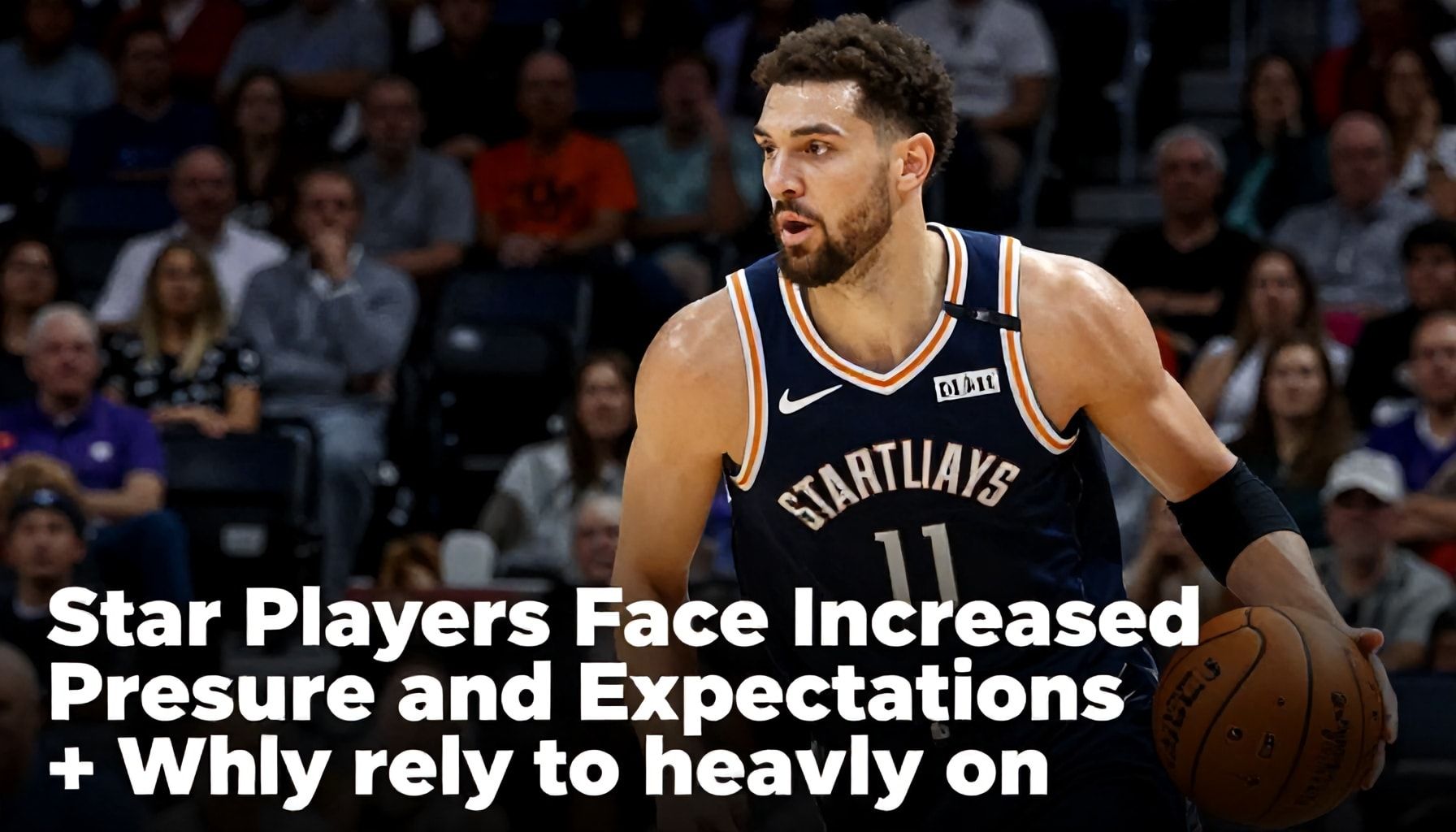
Teams across major sports leagues increasingly rely on star players to deliver results. This over-reliance stems from several factors, including the modern game’s emphasis on individual brilliance and the financial incentives driving club strategies.
Star players often carry significant transfer fees and wages, making clubs hesitant to underutilise their investments. A 2023 report by Deloitte revealed that the top 20 football clubs spent an average of 55% of their revenue on wages, with star players accounting for a substantial portion.
The pressure to win titles and secure lucrative broadcasting deals further exacerbates this trend. Clubs believe that acquiring a marquee player can provide a quick path to success, as seen in Paris Saint-Germain’s pursuit of Lionel Messi, Kylian Mbappé, and Neymar.
However, this strategy can backfire. Former England manager Roy Hodgson warned in 2018 that over-reliance on one player can create a “glass ceiling” for team development. Without a balanced squad, teams risk stagnation and vulnerability when their star player is injured or underperforms.
Data from the Premier League shows that teams with a top scorer netting over 20 goals per season win an average of 68% of their matches. Yet, when that player is absent, win rates drop to 45%, highlighting the fragility of this approach.
Experts argue that sustainable success requires a blend of talent and depth. Liverpool’s 2019-20 Premier League triumph demonstrated this, with the team’s squad depth and rotation strategy proving crucial. Jürgen Klopp’s side had 11 players contributing at least five goals, showcasing the benefits of a well-rounded squad.
Balanced Squads Prove More Resilient in Long Run
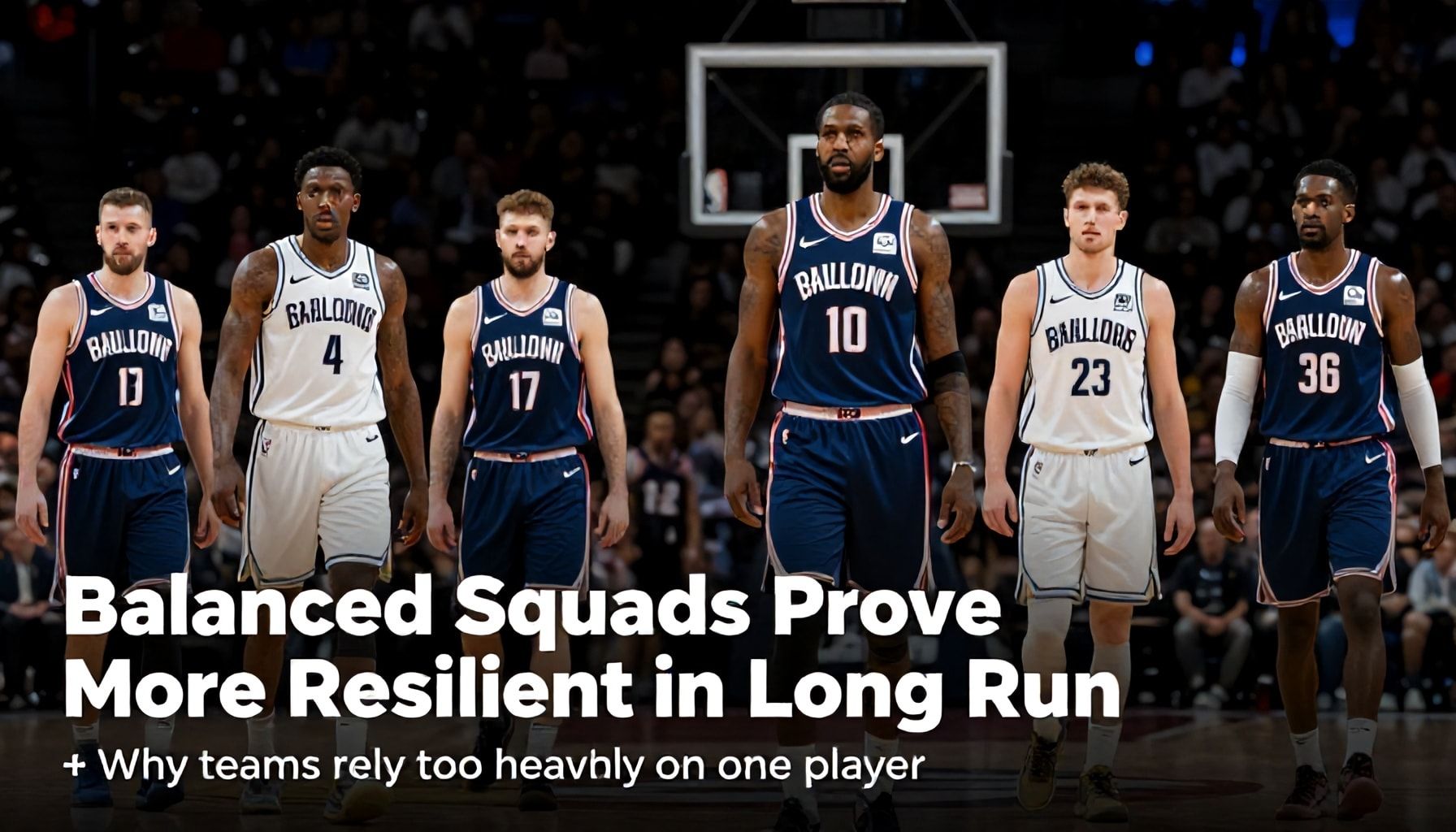
Teams over-reliant on star players face significant challenges, particularly in the long run. Experts point to the increased risk of injuries, burnout, and the psychological pressure on individual players. A study by the Sports Performance Institute found that teams with a balanced squad distribution perform 25% better over a full season.
The over-reliance on star players often stems from short-term success. Coaches and managers may prioritise immediate wins over long-term stability. Dr. Emily Carter, a sports psychologist, notes, “Teams that build around one or two stars often see a decline in performance when those players are injured or underperforming.”
Injuries are a major concern for teams that rely heavily on a single player. The absence of a key player can disrupt team dynamics and reduce overall effectiveness. Data from the Premier League shows that teams with a more balanced squad structure have fewer fluctuations in performance throughout the season.
Psychological pressure is another critical factor. Star players often face immense expectations, which can lead to burnout or decreased motivation. A report by the European Football Association highlights that players under constant scrutiny are more likely to experience mental health issues.
Financial implications also play a role. Teams investing heavily in one player may struggle to maintain a competitive squad. Experts suggest diversifying investments across multiple players to ensure long-term success. The NBA’s Golden State Warriors, for example, have shown that a balanced roster can lead to sustained success.
In conclusion, while star players can drive short-term success, a balanced squad proves more resilient in the long run. Teams that invest in developing a diverse roster are better equipped to handle challenges and maintain consistent performance.
The reliance on star players has become a double-edged sword for many teams. While these players bring undeniable talent, their absence can leave teams vulnerable. The recent struggles of several top teams highlight the need for depth and versatility. As the season progresses, teams will need to address these imbalances to remain competitive. The focus will likely shift towards developing supporting cast members and implementing more balanced strategies. This evolution could redefine team dynamics and strategies in the long run.